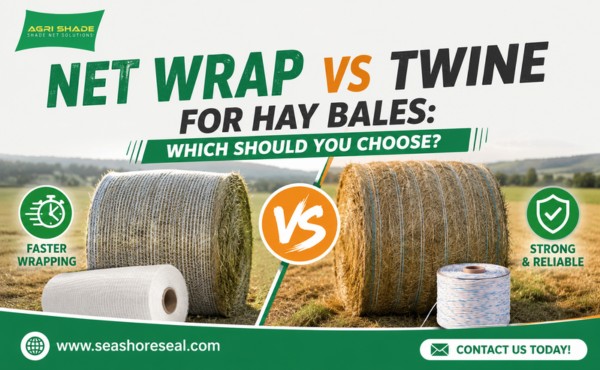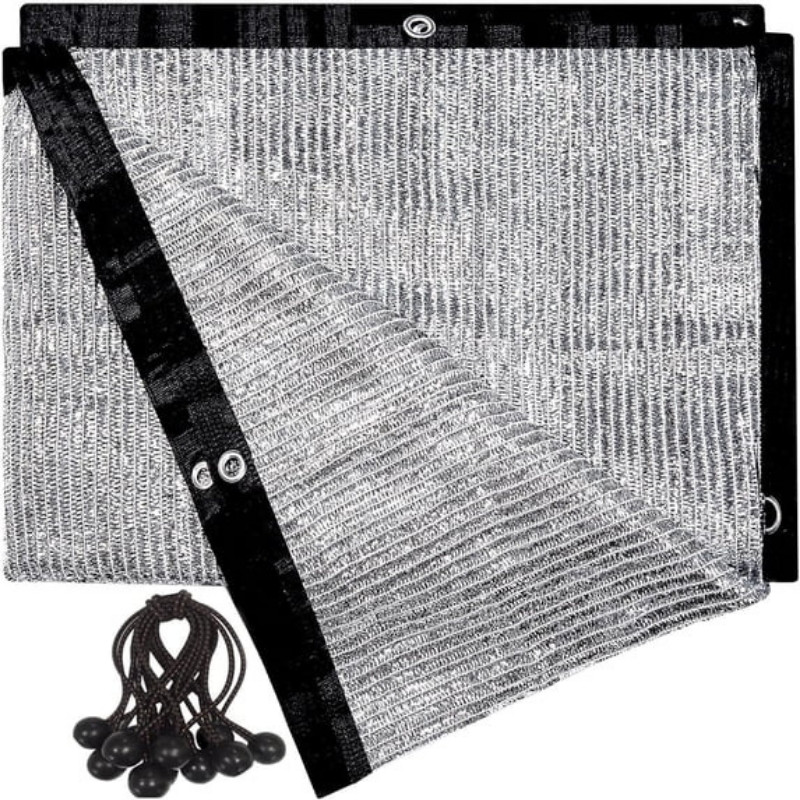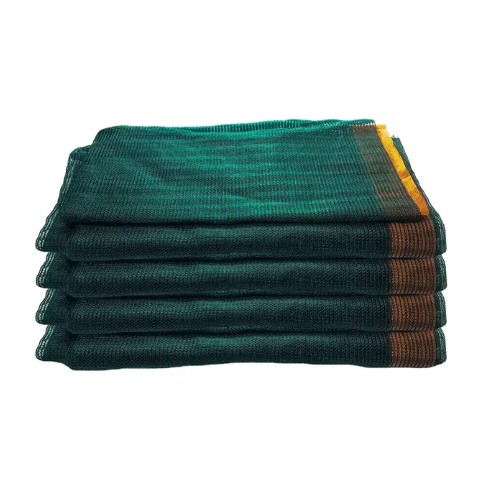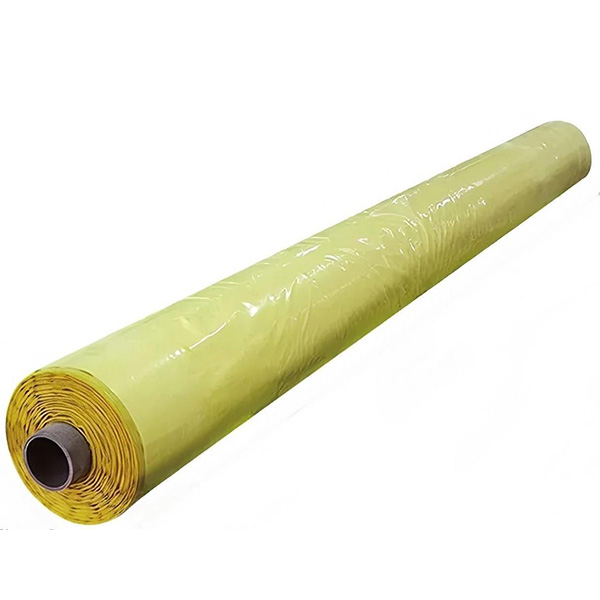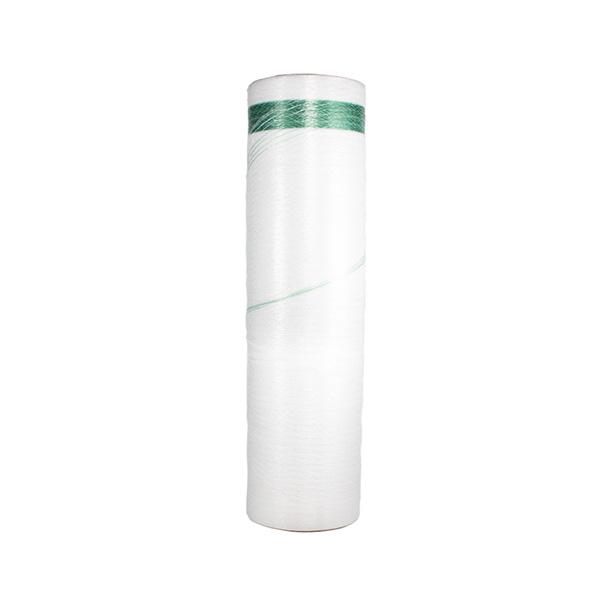
Net Wrap vs Twine is a common debate for hay producers. The best choice depends on your operation size, storage method, and budget. Net wrap often works better for speed and outdoor storage, while twine offers a cost-effective solution for smaller operations and indoor storage.
What Is Net Wrap?
How Net Wrap Works
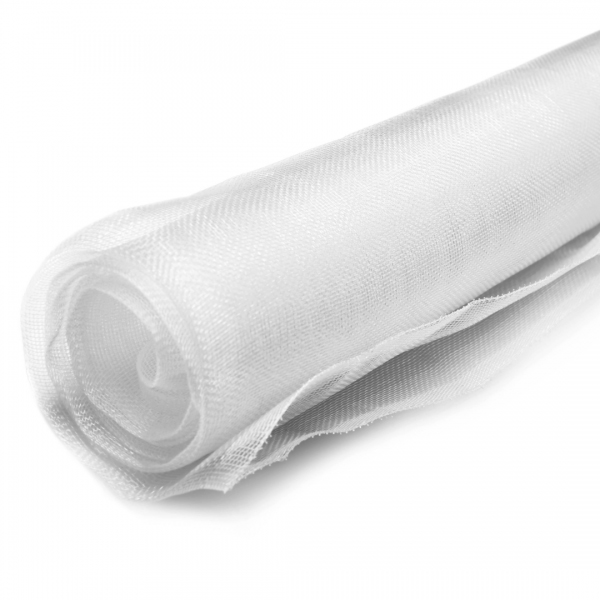
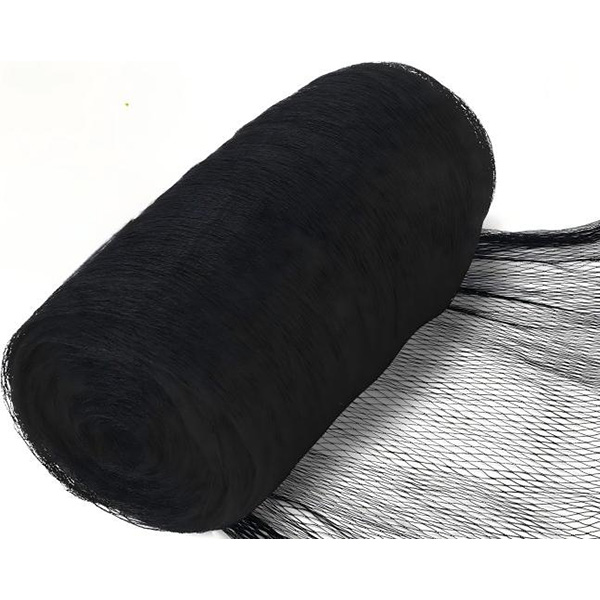
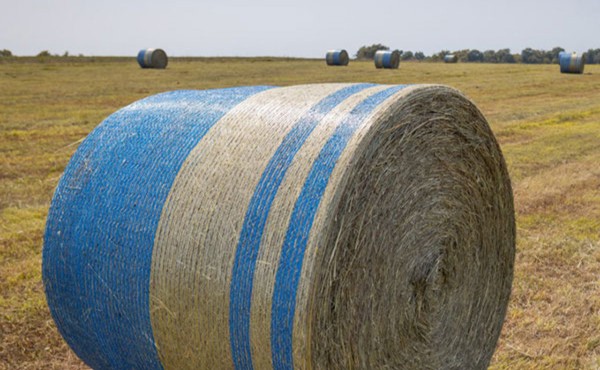
Net wrap is a modern material used to secure round hay bales. It is made from strong plastic mesh that wraps tightly around the bale. Net wrap covers the surface of the bale more completely than traditional twine.
When a baler finishes forming a bale, it applies net wrap in just a few turns. This process takes less time than wrapping with twine. The net wrap holds the hay together and keeps the bale’s shape during handling and storage.
Benefits for Hay Producers
Net wrap offers several advantages for hay producers. It helps keep bales tight and round, which protects the hay from rain and reduces spoilage. Net wrap also creates a smoother surface, so water runs off more easily. This feature is important for outdoor storage.
Here are some key benefits of using net wrap:
- Faster baling process compared to twine.
- Better protection against weather, which means less hay loss.
- Improved bale shape for easier stacking and transport.
- Less feed waste because net wrap keeps hay from falling apart.
A recent study on net wrap vs twine found that bales wrapped with net wrap had lower storage losses. Many producers choose net wrap for its efficiency and quality. Net wrap is now common on large farms and in operations where hay is stored outside.
Ranchers who need to move or feed hay quickly also prefer net wrap. It saves time during both baling and feeding. Net wrap is a practical choice for anyone looking to protect their hay investment.
What Is Twine?
How Twine Works
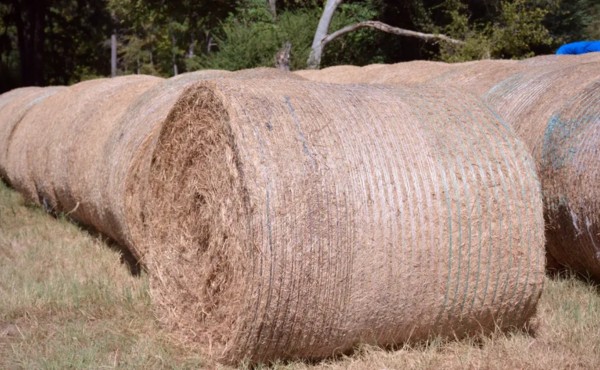
Twine is a traditional material used to bind round and square hay bales. It is made from either natural fibers or synthetic materials. The baler wraps twine around the bale several times to hold the hay together.
Twine secures the bale by tying it tightly. This process takes longer than net wrap, but it is simple and reliable. Many farmers use twine because it works with most balers and does not require special equipment.
Benefits for Hay Operations
Twine offers several advantages for hay operations. It is affordable and widely available. Many small farms choose twine because it keeps costs low.
Twine works well for indoor storage. It protects hay from falling apart during handling. The material is lightweight and does not add much bulk to the bale.
Here are some key benefits of using twine:
- Lower cost compared to net wrap.
- Compatible with older balers and equipment.
- Easy removal for feeding and transport.
Twine is a good choice for ranchers who store hay inside barns. It helps reduce waste and keeps hay in good condition. Farmers who operate on a tight budget often prefer twine for its simplicity and value.
Net Wrap vs Twine Comparison
Baling Speed and Efficiency
Net wrap saves time during the baling process. Most balers can wrap a bale with net wrap in less than half the time it takes with twine. This means farmers can finish their work faster and use less fuel. Twine takes longer because the baler must wrap the hay many times. Net wrap also makes bale removal quicker, which helps ranchers who need to feed hay fast.
Weather Protection and Storage
Net wrap offers better weather protection than twine. It covers the hay more completely, which keeps out rain and snow. This helps reduce spoilage and keeps the hay dry. Twine leaves gaps where water can enter, which can lead to mold and loss. Net wrap is the best choice for outdoor storage, while twine works well for hay stored indoors.
| Feature | Net Wrap | Twine |
|---|---|---|
| Weather Protection | High | Moderate |
| Best Storage Location | Outdoors/Indoors | Indoors |
| Spoilage Risk | Low | Higher |
Bale Quality and Shape
Net wrap creates tight, round bales with a smooth surface. This shape helps with stacking and transport. Twine can leave bales less uniform, which makes them harder to handle. Net wrap improves bale durability, so the hay stays together during movement. Good bale shape also means less waste when feeding.
Feed Waste and Loss
Net wrap reduces feed waste. It holds the hay tightly, so less falls out during storage and handling. Studies show that net wrap can cut storage losses by up to 30% compared to twine. Twine-wrapped bales lose more hay, especially when stored outside. Less waste means more value from each bale.
Cost and Value
Twine costs less than net wrap. Many small farms choose twine because it fits their budget. Net wrap costs more up front, but it can save money by reducing hay loss and saving time. The choice depends on how much hay you produce and how you store it. For large operations, the value of net wrap often outweighs the higher cost.
Equipment and Maintenance
Most balers can use twine. Some newer balers are designed for net wrap, but older models may need upgrades. Net wrap systems require more maintenance because they have more moving parts. Twine systems are simple and easy to fix. Farmers should check their equipment before choosing between net wrap vs twine.
Safety and Livestock
Both net wrap and twine must be removed before feeding hay to livestock. Twine is easy to cut and remove. Net wrap comes off quickly, but small pieces can be a hazard if left in the field. Ranchers should always clean up after removing netwrap to protect animals. Proper removal keeps livestock safe and prevents health problems.
Choosing the Right Option
Large-Scale Hay Operations
Large farms often need to process many bales quickly. Net wrap helps save time because it wraps bales faster than twine. This speed allows workers to finish baling before weather changes.
Net wrap also improves bale durability. Bales stay tight and round, which helps with stacking and transport. Many large operations choose net wrap for its efficiency and protection.
Small Farms and Budgets
Small farms usually focus on keeping costs low. Twine is less expensive than net wrap, making it a good choice for limited budgets. Most older balers work well with twine, so there is no need for new equipment.
Twine works best when hay is stored indoors. It protects the hay from falling apart and is easy to remove when feeding. For small-scale producers, twine offers value and simplicity.
Challenging Weather and Storage
Outdoor storage exposes hay to rain and snow. Net wrap covers bales more completely, which keeps moisture out. This feature reduces spoilage and feed loss.
Net wrap vs twine becomes important in wet climates. Net wrap helps maintain hay quality during long storage periods. Producers in areas with harsh weather often see less waste when using net wrap.
| Storage Condition | Best Option | Reason |
|---|---|---|
| Outdoor | Netwrap | Superior protection |
| Indoor | Twine | Lower cost, easy use |
Quick Feeding and Transport
Some operations need to feed hay quickly or move bales often. Net wrap removes easily, saving time during feeding. This speed is helpful for ranchers who feed large groups of animals.
Net wrap also keeps bales in good shape during transport. The tight wrap prevents hay from falling apart on rough roads. For fast-paced operations, net wrap offers both convenience and reliability.
Tips for Using Net Wrap and Twine
Maximizing Net Wrap
Net wrap works best when used with the right baler settings. Adjust the tension so net wrap holds the bales tightly. Check the wrap pattern to make sure it covers the hay evenly.
Use the correct number of wraps for your climate. In wet areas, add an extra layer for better protection. Remove net wrap completely before feeding to livestock. Small pieces left in the field can cause problems for animals.
Keep your baler clean and check the net wrap system often. Replace worn parts to avoid breakdowns during baling. Training workers on proper net wrap use can save time and reduce waste.
Maximizing Twine
Twine offers good value when used correctly. Choose the right type for your hay and baler. Synthetic twine lasts longer in storage, while natural twine breaks down faster.
Check the tension settings on your baler. Twine should hold the bales tightly without cutting into the hay. Cut and remove all twine before feeding to livestock.
Inspect your baler for twine buildup or worn parts. Clean the twine system after each use. Good maintenance helps reduce cost and keeps your equipment running smoothly.
A simple checklist can help you remember these steps:
| Task | Net wrap | Twine |
|---|---|---|
| Check tension | ✔ | ✔ |
| Store properly | ✔ | ✔ |
| Remove before feeding | ✔ | ✔ |
| Inspect equipment | ✔ | ✔ |
Following these tips will help you get the most from your net wrap and twine. Proper use protects your hay and saves money over time.
Conclusion
Choosing between net wrap and twine depends on your operation size, storage needs, and cost. Farmers or ranchers should compare the benefits of net wrap for speed and outdoor protection with twine’s value for indoor storage