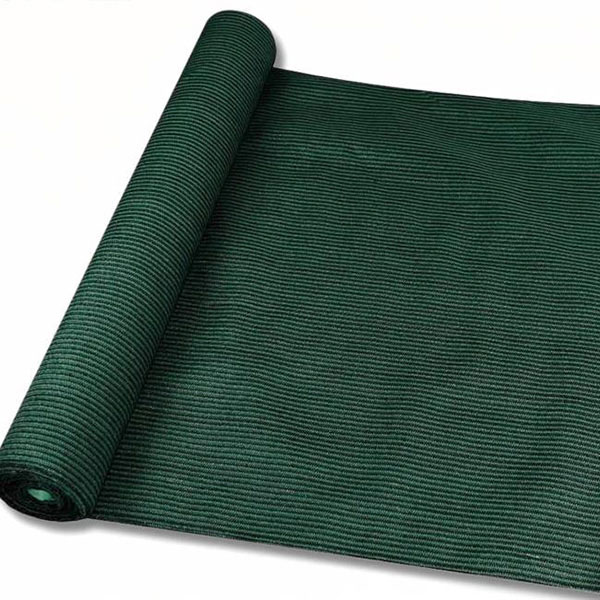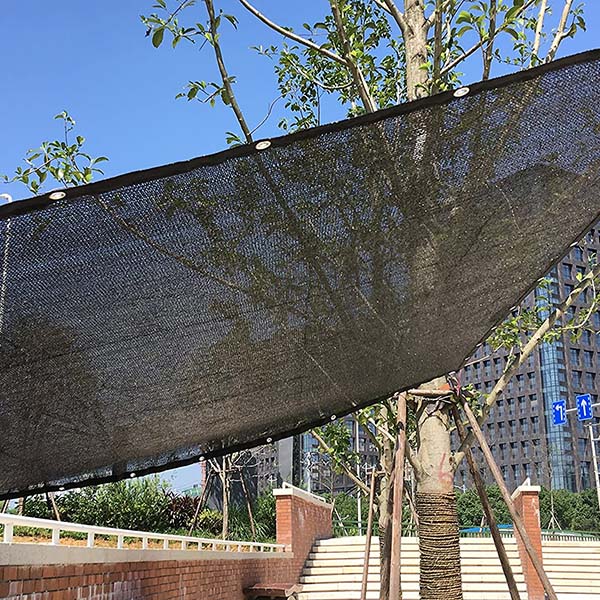
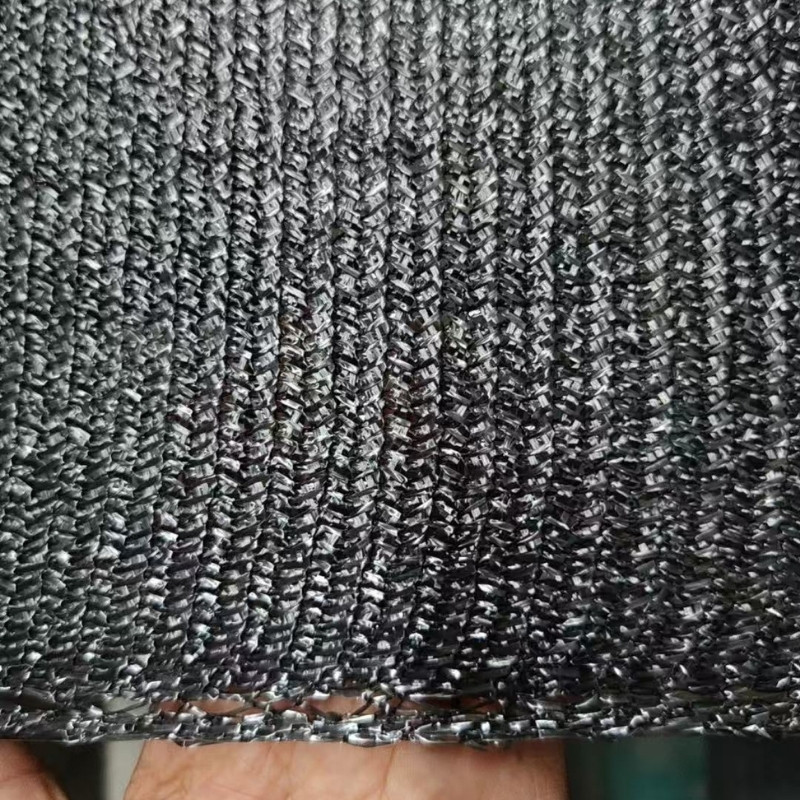
Tensile strength and tear resistance are important performance factors for shade nets used in farms, greenhouses, nurseries, construction sites, livestock areas, and outdoor shade structures. These properties show how well a shade net can handle pulling, wind pressure, installation tension, and daily outdoor stress.
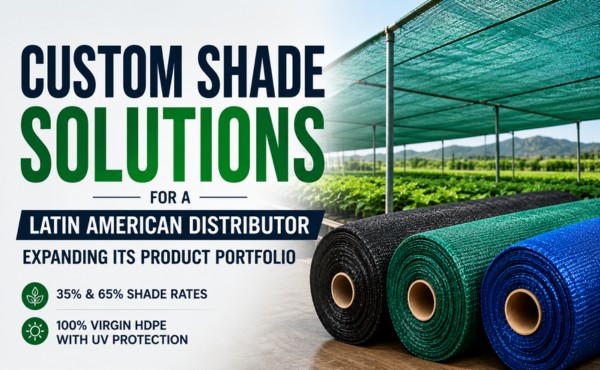
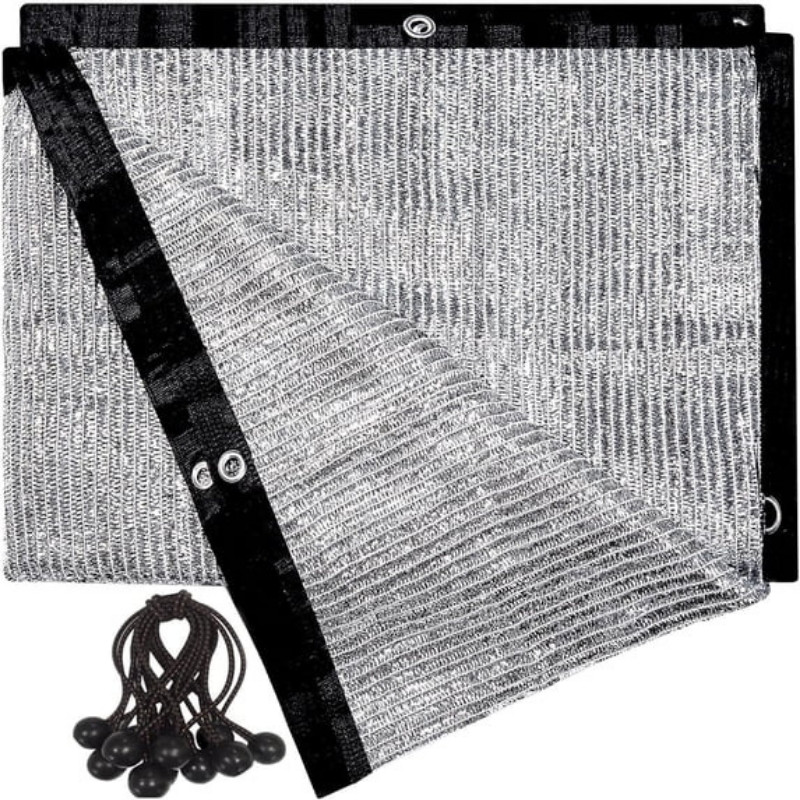
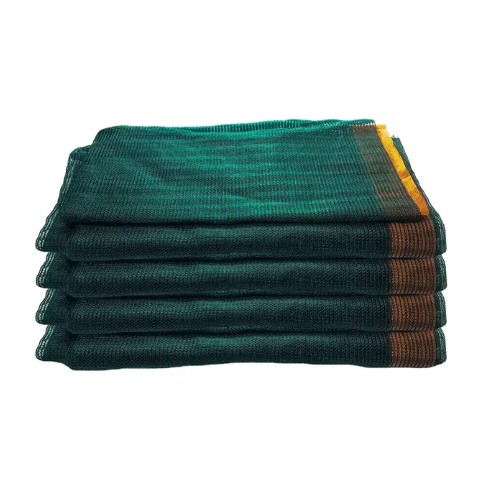
High-quality HDPE knitted shade nets help reduce harsh sunlight, allow airflow, resist UV damage, and maintain stable performance over time. By understanding tensile strength, tear resistance, GSM, shading rate, and material quality, buyers can make better purchasing decisions for long-term outdoor use.
Why Tensile Strength and Tear Resistance Matter in Shade Nets
What Is Tensile Strength?
Tensile strength measures how much force a material can handle before it breaks. In shade net applications, this property shows how well the net can resist pulling, stretching, and installation tension.
During installation, shade nets are often fixed tightly over poles, frames, greenhouse structures, or outdoor areas. After installation, wind, sunlight, movement, and long-term exposure continue to place stress on the material. A shade net with strong tensile strength is less likely to snap, sag, or lose shape under these conditions.
For farms, greenhouses, construction sites, and outdoor shade structures, tensile strength is an important sign of durability and product reliability.
What Is Tear Resistance?
Tear resistance shows how well a shade net can stop a small cut, hole, or damaged point from becoming a larger rip. In real use, shade nets may come into contact with branches, tools, frames, animals, wires, or sharp edges.
A shade net with good tear resistance can handle minor damage without failing quickly. This helps extend service life and reduces the risk of sudden damage in outdoor environments.
Tear resistance is especially important in windy areas. When wind pulls against the net, weak or damaged points may spread quickly if the material does not have enough tear strength.
Why These Properties Affect Service Life and Safety
Tensile strength and tear resistance work together to improve shade net performance. Tensile strength helps the net handle pulling force, while tear resistance helps prevent damage from spreading.
If a shade net has low tensile strength, it may break under tension. If it lacks tear resistance, small holes may quickly become large rips. Both problems can lead to early replacement, higher costs, and reduced protection.
A strong shade net helps protect crops, workers, animals, vehicles, and outdoor spaces. For bulk buyers and project users, checking these two properties is important for long-term value.
Factors That Influence Shade Net Strength
HDPE Material Quality
High-density polyethylene, or HDPE, is widely used for quality shade nets because it is lightweight, flexible, and suitable for outdoor applications. The quality of HDPE directly affects the net’s strength, flexibility, and durability.
High-quality HDPE helps the shade net resist stretching, tearing, and outdoor aging. Lower-grade material may reduce cost, but it can also lead to weaker performance, faster damage, and shorter service life.
For long-term outdoor use, buyers should check whether the shade net is made with stable HDPE material and produced under reliable quality control.
UV Stabilizers and Additives
UV stabilization is essential for outdoor shade nets. Sunlight can weaken plastic materials over time, especially when the net is exposed for long periods. UV stabilizers help slow this process and keep the material stronger and more flexible.
A shade net with good UV resistance can maintain better tensile strength, tear resistance, and overall durability. This is important for farms, greenhouses, nurseries, construction sites, livestock areas, and parking shade structures.
Additives may also improve outdoor performance, but UV protection remains one of the most important factors for shade nets used in direct sunlight.
Knitted Structure and Net Density
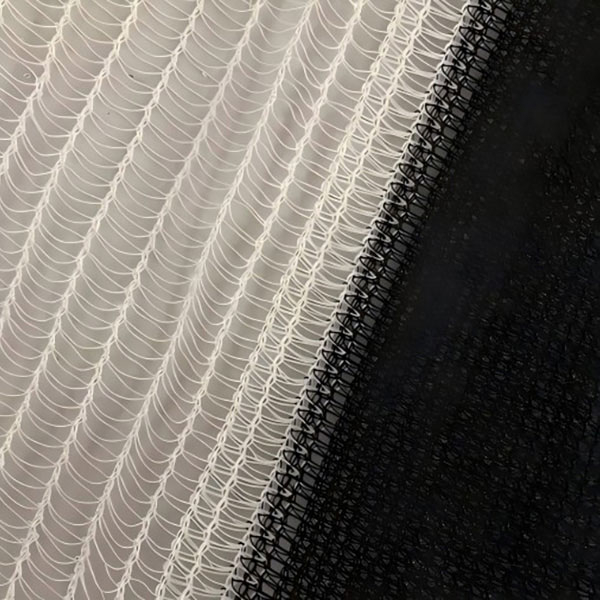
The construction of a shade net affects its strength, flexibility, airflow, and shading performance. Knitted shade nets offer good stretch and recovery, which helps the net handle wind movement, pulling, and outdoor stress.
The knitted structure also supports ventilation. A breathable shade net can reduce sunlight and heat while allowing air to pass through. This helps create a cooler and more comfortable environment for crops, animals, workers, vehicles, and outdoor spaces.
Net density also affects shade performance. A denser structure usually provides stronger sunlight reduction, but the final shading rate depends on the full product design, including yarn structure, color, material density, and knitting pattern.
Weight (GSM) and Thickness
Weight, measured in grams per square meter (GSM), describes the material weight of a shade net. In many cases, higher GSM is related to higher density, thicker material, and stronger durability.
However, GSM does not directly define the shading percentage. GSM correlates with density, while the actual shading rate depends on yarn structure, knitting design, color, material density, and production method.
For example, two shade nets may have similar GSM but different shading rates because their structure and color are different. Buyers should check both GSM and the actual shading percentage before choosing a product.
| Factor | Impact on Shade Net Strength |
|---|---|
| HDPE Quality | Improves durability, flexibility, and outdoor performance |
| UV Stabilization | Helps prevent sun damage and material aging |
| Knitted Structure | Supports flexibility, airflow, and tear resistance |
| GSM/Thickness | Correlates with density and durability |
Choosing the right combination of these factors helps ensure the shade net delivers reliable strength, suitable airflow, and the required shading performance for different applications.
How to Evaluate Shade Net Tensile Strength
Common Tensile Strength Testing Standards
Manufacturers use specific standards to measure tensile strength. Common standards include ASTM D5035 and ISO 13934. These tests pull the material until it breaks and record the force needed.
A tensile strength report helps buyers compare shade net quality more clearly. Instead of relying only on product photos or general descriptions, buyers can review test data to understand whether the net is suitable for the intended use.
| Standard | Description | What It Measures |
|---|---|---|
| ASTM D5035 | Strip method for textile materials | Breaking force |
| ISO 13934 | Grab or strip methods for textile fabrics | Maximum force |
Warp vs. Weft Strength
Tensile strength can differ in different directions. One direction may show higher strength depending on the yarn design, knitting structure, and production process.
For large-area installations, balanced strength is important because the shade net may face pulling forces from multiple sides. Buyers should check whether the technical data includes strength values in different directions.
This helps reduce the risk of choosing a net that performs well in one direction but becomes weak under real installation stress.
Understanding Test Reports
Test reports show the results of tensile strength tests. Buyers should look for clear values in Newtons (N) or kilograms (kg). Higher values usually indicate stronger resistance to pulling force.
A reliable report should list the test method, direction, sample condition, and result values. Buyers should also match the test data with the actual application. For example, a shade net used in a construction site may require stronger tensile performance than one used for light garden shading.
How to Evaluate Shade Net Tear Resistance
Common Tear Resistance Test Methods
Tear resistance testing measures how much force is needed to continue a tear after it starts. For shade nets, the ASTM D2261 tongue tear test is commonly used to evaluate tear performance.
This test helps buyers understand whether a small cut or damaged point will spread easily under pulling force or wind movement. A higher tear resistance value usually means the shade net can handle outdoor stress better.
For project orders or bulk purchasing, tear resistance data can help buyers compare product durability before placing large orders.
Factors That Affect Tear Performance
Many factors can affect shade net tear resistance. HDPE material quality plays an important role. Shade nets made with high-quality HDPE usually show better strength, flexibility, and resistance to tearing.
Knitted construction also helps improve tear performance because it provides better flexibility and recovery. When the net moves under wind or tension, this structure can help reduce sudden tearing.
GSM and thickness may also support durability because they correlate with density, but they should not be treated as the only quality indicators. UV stabilization is also important because sunlight can weaken the material over time and reduce tear resistance.
| Factor | Effect on Tear Resistance |
|---|---|
| HDPE Quality | Improves material strength and stability |
| Knitted Structure | Increases flexibility and tear resistance |
| GSM/Thickness | Supports density and durability |
| UV Stabilization | Helps maintain strength under sunlight |
Why Tear Resistance Matters in Windy Conditions
Wind can put strong and repeated stress on a shade net. If the net has poor tear resistance, small holes may grow quickly and lead to larger damage.
A tear-resistant shade net can stand up better to wind movement, pulling force, and minor impact. It helps the net keep its shape and continue protecting crops, people, animals, equipment, or vehicles.
For windy regions or large outdoor installations, tear resistance should be one of the key specifications buyers check before ordering.
Choosing the Right Strength for Different Applications
Agriculture and Crop Protection
Farmers use shade nets to reduce harsh sunlight and heat stress for crops. A breathable knitted shade net with suitable GSM, UV stabilization, and proper shading rate can help create a better growing environment.
Tensile strength helps the net stay stable over planting areas, while tear resistance helps prevent small damage from spreading. For crop protection, buyers should choose the shading rate based on crop type, local climate, and seasonal needs.
Greenhouses and Nurseries
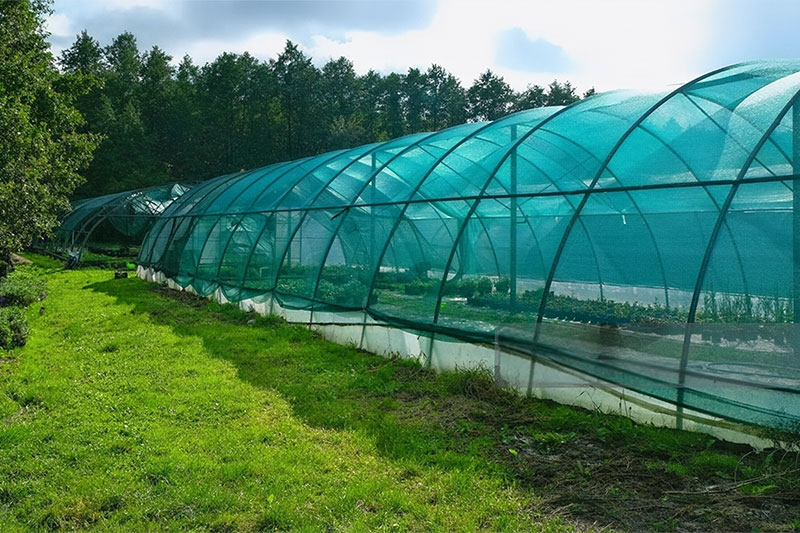
Greenhouses and nurseries need shade nets that balance light reduction, airflow, and durability. A breathable knitted shade net helps control sunlight while allowing ventilation.
Strong tear resistance and wind resistance help the net stay stable during long-term use. UV stabilization is also important because greenhouse and nursery shade nets are often exposed to sunlight for long periods.
Construction Site Safety
Construction sites use shade nets to reduce sun exposure and provide physical protection in outdoor areas. These environments may involve wind, dust, tools, frames, sharp edges, and frequent movement.
A durable knitted shade net with strong tensile strength and tear resistance can handle demanding site conditions better. It can help reduce early damage, improve stability, and lower replacement costs.
Livestock and Poultry Farms
Livestock and poultry farms need shade nets to reduce heat and create a more comfortable environment for animals. A breathable shade net allows air movement while reducing direct sunlight.
Tear resistance is especially important in animal areas because the net may face scratching, pulling, movement, or contact with equipment. UV-stabilized HDPE shade netting helps maintain strength during long-term outdoor use.
Parking Lots and Outdoor Shade Structures
Parking lots and outdoor shade structures use shade nets to reduce heat buildup and protect vehicles, people, and outdoor spaces from strong sunlight. A breathable knitted shade net can help improve comfort in exposed areas.
For larger shade structures, tensile strength helps the net stay stable under tension, while tear resistance helps it withstand wind movement and minor damage. Buyers should also consider color, shading rate, UV resistance, size, and installation method.
| Application | Recommended Features |
|---|---|
| Agriculture | Breathable knitted structure, UV stabilization, suitable shading rate |
| Greenhouses/Nurseries | Airflow, light control, wind resistance |
| Construction Sites | High tensile strength, tear resistance, outdoor durability |
| Livestock/Poultry Farms | Breathable structure, UV resistance, tear resistance |
| Parking/Outdoor Structures | Sun protection, heat reduction, stable installation |
Common Buying Mistakes to Avoid
Many buyers make mistakes when purchasing shade nets because they focus only on price or appearance. These mistakes can lead to poor performance, early damage, and higher replacement costs.
Here are some common errors:
- Buying a net without checking technical specifications.
- Choosing a net based only on appearance.
- Ignoring UV stabilization and outdoor durability.
- Treating GSM as the same as shading percentage.
- Not checking tensile strength or tear resistance data.
Ignoring UV Resistance
Ignoring UV resistance is a major mistake. A shade net without proper UV stabilization may break down quickly under sunlight. UV rays can weaken the material, reduce flexibility, and make the net easier to tear.
UV resistance helps the net last longer and maintain stable performance in outdoor use. Buyers should check whether the net includes UV stabilizers and ask the supplier for details about expected outdoor durability.
| Feature | Why It Matters |
|---|---|
| UV Resistance | Helps prevent sunlight damage |
| UV Blocking | Helps reduce harsh sunlight exposure |
Overlooking Application Requirements
Some buyers do not match the shade net to their specific application. Each use requires different performance. For example, agricultural shading may require a suitable shading rate and airflow, while construction sites may require higher tensile strength and stronger tear resistance.
Buyers should consider wind exposure, installation size, shading rate, UV resistance, airflow, and tear resistance before choosing a product. Matching the net to the real environment helps improve service life and performance.
Not Verifying Quality Certifications
Quality certifications and test reports help buyers understand whether a shade net meets required performance standards. Many buyers skip this step and end up with products that fail too early.
Before placing a bulk order, buyers should ask for technical data related to material, GSM, shading rate, UV resistance, tensile strength, and tear resistance. Reliable supplier documents and test data can help reduce purchasing risk.
Conclusion
HDPE quality, UV stabilization, knitted structure, GSM, and actual shading rate all affect the strength and durability of a shade net. Tensile strength helps the net handle pulling and installation tension, while tear resistance helps prevent small damage from spreading.
For agriculture, greenhouses, construction sites, livestock farms, and parking shade projects, buyers should compare technical specifications, application needs, and supplier reliability before ordering. A good quality knitted shade net can provide stable sun protection, airflow, and long-term outdoor value.