Wholesale Shade Nets China Manufacturer & Supplier
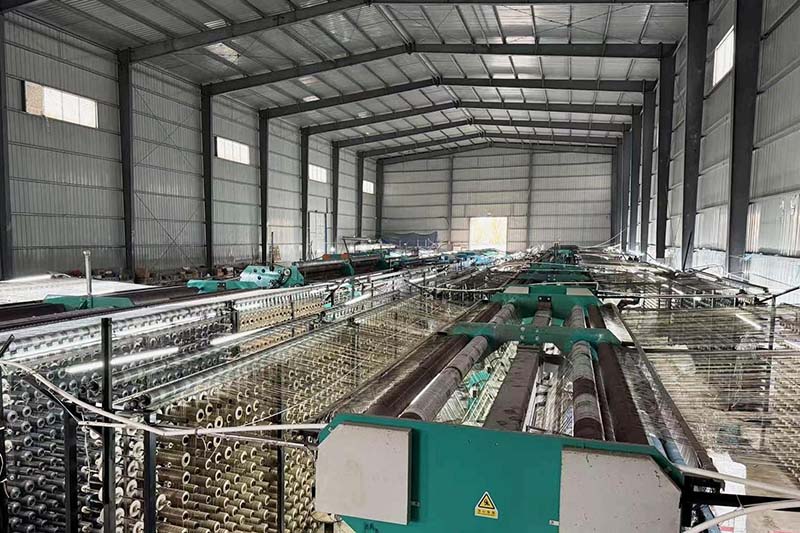
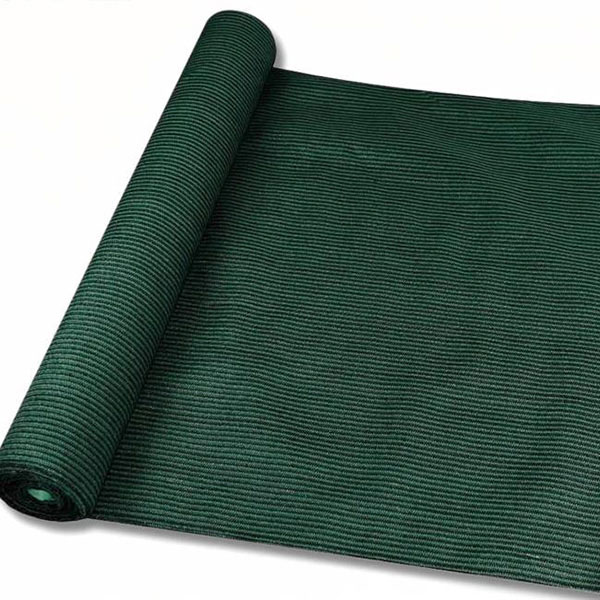
AgriShade is a professional HDPE shade net manufacturer and wholesale supplier, providing bulk shade net solutions for distributors, importers, and large-scale agricultural and construction projects.
With strong production capacity and stable supply, we offer custom sizes, shade rates, and competitive wholesale pricing to meet diverse project requirements. Our shade nets are widely used in greenhouses, nurseries, and open-field farming to regulate sunlight, reduce heat, and improve crop protection.
Features of AgriShade Shade Nets
- UV-Stabilized HDPE: Durable material ensures long-term outdoor use with minimal replacement.
- Multiple Shade Rates (30%–90%): Suitable for agriculture, greenhouse, and construction applications.
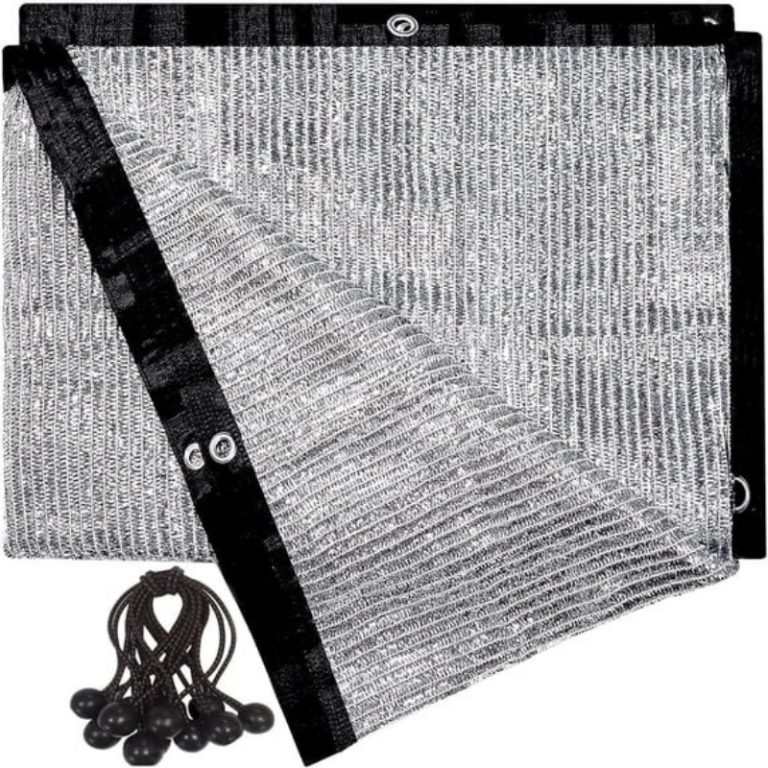
- Reinforced & Easy Installation: Strong edges with grommets for quick setup and secure fixing.
- Breathable Mesh Design: Promotes airflow while protecting crops from excessive sunlight.
- Large-Scale Production Capacity: Ensures stable supply for bulk and long-term orders
- Consistent Quality Control: Strict QC process for reliable product performance
- Fast Delivery for Bulk Orders: Efficient production and shipping for urgent projects
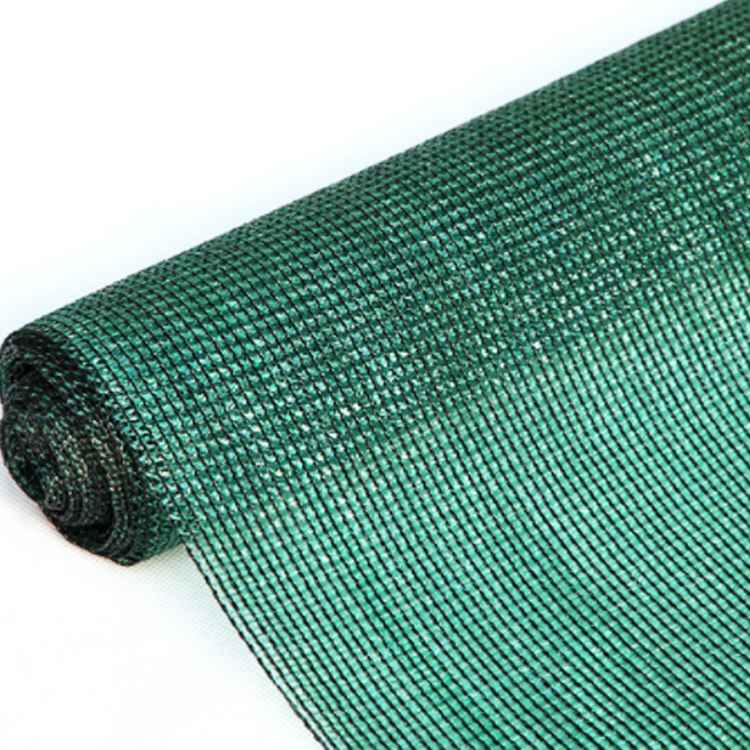
HDPE Shade Net Bulk Supply by Agrishade for Agriculture
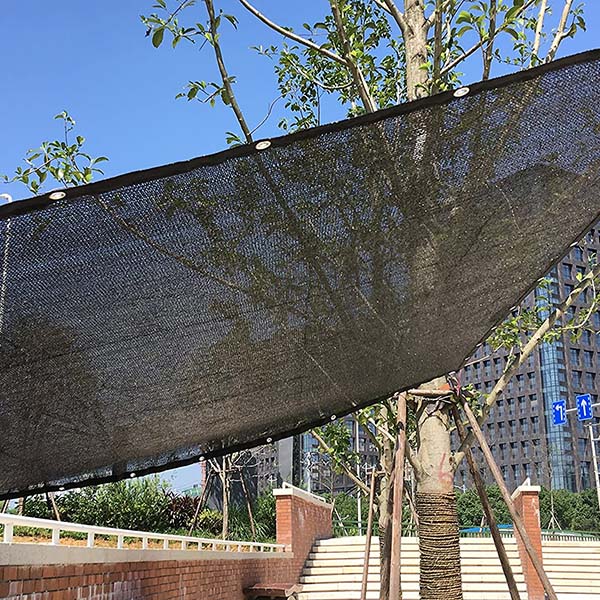
Why Choose Agrishade for Wholesale Shade Nets
Looking for high-quality shade nets in bulk?
AgrShade supplies premium HDPE shade nets to 30+ countries, helping growers increase efficiency, reduce water consumption, and protect crops from harsh weather conditions. We offer OEM branding, competitive bulk pricing, and reliable global logistics to make sourcing straightforward and stress-free. Every net is built to perform — and backed by a team that’s with you from sample to shipment. Contact us today for a free quote or request a sample to experience AgrShade quality firsthand.
Applications of HDPE Shade Nets
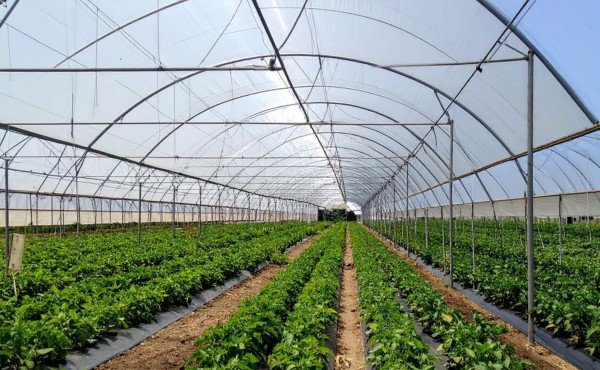
HDPE shade nets control sunlight and temperature, reducing heat stress and preventing leaf burn. By regulating light intensity, they enhance photosynthesis and promote uniform crop growth, improving overall greenhouse productivity.
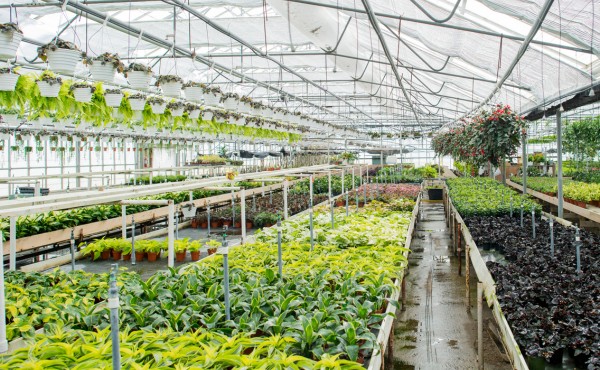
HDPE Shade nets protect seedlings and saplings from excessive sunlight and wind. The breathable mesh ensures proper airflow, preventing overheating and fungal growth, which supports healthy plant development.
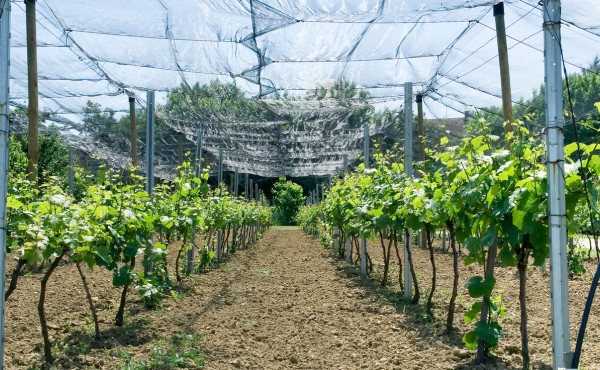
In open-field farming, HDPE shade nets shield crops from UV damage and excessive solar radiation. They help retain soil moisture, reduce heat stress, and improve crop quality and yield.
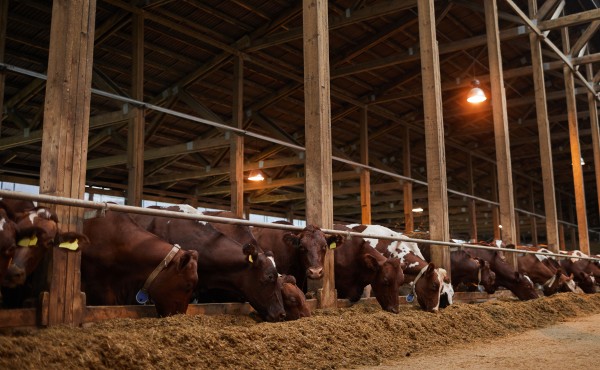
HDPE Shade nets provide animals with protection from direct sunlight, reducing heat stress and improving comfort. They help maintain a stable temperature in shelters, contributing to healthier livestock and better productivity.
More Information
Advantages of Using HDPE Shade Nets
Durability and Strength
HDPE is resistant to wear and tear, UV radiation, and extreme weather conditions. This ensures that the shade net lasts longer without tearing or degrading, even under strong sunlight or heavy rain.
Effective Temperature and Light Control
HDPE shade nets reduce excessive sunlight and heat, creating a cooler microclimate for plants, livestock, or outdoor areas. They help regulate light intensity, preventing plant scorching and improving growth conditions.
Pest and Bird Protection
The dense weave of HDPE shade nets can act as a barrier against birds, insects, and other pests, reducing damage to crops or products while still allowing airflow.
Lightweight and Easy to Install
HDPE shade nets are lightweight, flexible, and easy to handle. They can be quickly installed, removed, or repositioned as needed, making them highly practical for greenhouses, nurseries, farms, or outdoor shading.
AgriShade Shade Net Customization Options
| Option | Description |
|---|---|
| Size | Custom sizes for orchards, vineyards, and plantation fields to match row spacing and canopy coverage. |
| Shade Percentage | 30%, 50%, 70%, 90% shading levels to control light exposure for fruit trees, grape crops, and high-density plantations. |
| Branding | Branding customization for buyers who want to build their own agricultural product line or strengthen their farm’s identity. |
| Color | Red, blue, white, black, and custom colors to influence light diffusion and crop growth conditions. |
Key Benefits of Bulk Buy Shade Nets
Retail shade nets are ideal for homeowners and small-scale users looking to cover gardens, backyards, balconies, or other compact outdoor spaces. Available in standard sizes, each net features reinforced edges and pre-punched eyelets for quick and effortless installation. However, retail units are priced higher per unit compared to bulk purchases,
For large-scale projects, bulk buy shade nets offer the most cost-effective solution. Designed for buyers who require stable supply, lower unit costs, and greater flexibility, bulk orders are supplied in roll form for easy on-site cutting, precise sizing, and efficient long-term inventory management. Sourcing directly from the factory also means buyers can request fully customized solutions, ensuring the product meets the exact demands of any application or market.
AgriShade Shade Net Packaging and Delivery
Our shade nets are supplied either in rolls or as finished panels with reinforced edges and pre-punched holes. Packaging can be customized to meet different shipping and distribution requirements. For short-distance transport, plastic bags protect the nets and keep them clean.
Woven bags provide robust protection for bulk rolls used in orchards, vineyards, and large-scale plantation projects. Carton boxes offer a structured and organized presentation, suitable for clients requiring retail-ready or easily stored packaging.
Shade Net Colors and Crop Impact
- Black: Reduces sunlight effectively, increases cooling
- White: Reflects heat, moderates high temperatures
- Green: Balanced shading, natural light diffusion
- Silver: Reflective, minimizes solar gain in hot climates
Choosing the Right Shade Percentage
Recommended Shade Percentages by Crop:
| Shade % | Crop Type (Commercial) | Expected Temp Reduction | Yield Impact Examples | Recommended Climate |
|---|---|---|---|---|
| 30–50% | Tomatoes, peppers | 2–4°C | +10–15% yield under heat | Tropical, subtropical |
| 50–70% | Leafy greens, herbs | 3–5°C | +12–20% leaf quality | Temperate, subtropical |
| 70–90% | Nursery stock, seedlings | 4–6°C | Enhanced survival rates | All climates |
| 50–60% | Flowers, ornamentals | 3–5°C | Color & bloom intensity | Temperate, highland |
Light Saturation Point (LSP) Calculation:
The LSP formula helps determine ideal shading:
\text{Optimal Light} = \text{Crop LSP} \times (1 – \text{Shade %})
Example: A tomato crop requires 25,000 lux. A 40% shade cloth reduces incoming light to 15,000 lux—within optimal growth range.
Climate Considerations:
- Tropical regions: Higher shading (50–70%) to prevent heat stress
- Temperate zones: Moderate shading (30–50%) to protect against sporadic heat waves
- High-altitude farms: Lower shading (20–40%) to maintain sufficient light intensity
Large-Scale Installation & Structural Considerations
Structural Considerations for Shade Nets
The framework of a large-scale shade net is critical. Galvanized steel, aluminum, or treated wood poles are commonly used for strength and longevity. Pole spacing typically ranges from 3 to 6 meters, depending on wind conditions and net size. Arched or sloped designs help prevent water pooling and reduce wind resistance. Adequate height, generally 3–4 meters, ensures proper airflow and accessibility for workers or machinery.
Anchoring and Tensioning
Secure anchoring is vital. Concrete footings or ground screws provide stability, especially in areas with loose soil. Nets should be evenly tensioned using ropes, hooks, or turnbuckles to prevent sagging and damage. Regular adjustments may be needed as nets stretch over time.
Load and Environmental Factors
When designing large-scale installations, consider wind loads, rainwater accumulation, and potential snow loads. Arched frameworks reduce water pooling and improve durability under harsh weather. Choosing UV-stabilized shade nets extends lifespan, ensuring protection for multiple years.
Maintenance and Safety
Routine inspection is crucial to identify rips, corrosion, or loose anchors. Safety during installation is equally important—workers should use helmets, gloves, and harnesses, and scaffolding must be secure.
Maintenance, Durability & Troubleshooting
Expected Lifespan Factors:
- UV exposure: Direct sunlight reduces lifespan
- Maintenance: Cleaning protocols prevent mold and debris damage
- Seasonal storage: Roll shade cloths in shaded, dry areas
Annual Maintenance Plan:
- Conduct visual inspections for tears and fraying
- Replace damaged clips or wires
- Re-tension slack areas
- Schedule full replacement every 3–5 years depending on UV rating
Troubleshooting Matrix:
| Issue | Likely Cause | Recommended Action |
|---|---|---|
| Tearing | Wind or sharp edges | Patch with UV-resistant tape, replace sections |
| Deformation | Sagging or incorrect tension | Adjust tension, add support cables |
| Insect/Bird Damage | Poor net installation | Install secondary protective netting |
Proper maintenance ensures maximum ROI, reduces replacement frequency, and maintains crop quality.
Shade Net Peak Season Bulk Order Tips
1. Plan Ahead and Forecast Demand
Peak season often sees a surge in demand for shade nets. Buyers should analyze historical consumption, current project requirements, and future forecasts to estimate the exact quantity needed. Early planning helps avoid last-minute shortages and price hikes.
2. Identify Reliable Manufacturers
Direct sourcing from reputable manufacturers ensures better pricing and quality control. Research manufacturers with proven track records, certifications, and positive reviews. Establishing a relationship in advance can also secure priority production slots during peak season.
3. Request Samples and Confirm Specifications
Before placing bulk orders, request product samples to verify quality, durability, and UV resistance. Confirm specifications such as mesh size, color, and tensile strength. This step prevents potential mismatches and ensures products meet project requirements.
4. Negotiate Bulk Pricing and Delivery Schedules
Peak season often drives up costs due to high demand. Negotiating in advance for bulk discounts and flexible delivery schedules can save money and prevent project delays. Many manufacturers offer special rates for repeat buyers or large orders.
5. Finalize Contracts and Payment Terms
Clear contracts outlining quantity, specifications, delivery timelines, and payment terms protect both parties. Consider flexible payment options that align with cash flow while ensuring timely order fulfillment.
FAQs
1. What Is a Shade Net and How Does It Work?
A shade net, also known as shade cloth, is a lightweight, knitted or woven fabric designed to filter sunlight and create a more comfortable growing or working environment underneath. It works by blocking a specific percentage of solar radiation (typically between 30% and 95%) while still allowing air, water, and some light to pass through freely.
This open-mesh structure reduces heat buildup, prevents scorching from intense UV rays, and helps maintain better ventilation compared to solid covers. As a result, it establishes a controlled microclimate that protects plants, livestock, or outdoor spaces from excessive sun, wind, and hail without trapping humidity or heat.
2. What Is Shade Net Made Of?
Shade nets are primarily made from high-density polyethylene (HDPE), a strong, durable, and lightweight plastic material known for its excellent weather resistance. High-quality versions are treated with UV stabilizers during manufacturing to prevent degradation from prolonged sun exposure. Some nets may incorporate polypropylene or other synthetic fibers, but UV-stabilized HDPE remains the most popular choice because it offers superior strength, flexibility, and long-term performance outdoors.
3. What Factors Affect the Lifespan of a Shade Net?
The lifespan of a shade net typically ranges from 5 to 10 years for standard UV-stabilized HDPE products, with premium grades lasting up to 12–15 years under ideal conditions. Several key factors influence durability: the quality and concentration of UV stabilizers in the material, the local climate (intense sunlight, strong winds, heavy rain, or hail can shorten life), proper installation tension (over-stretching causes tears), and regular maintenance.
4. What Real Value Does Using a Shade Net Bring?
In farming and horticulture, it reduces heat stress on crops, cuts water evaporation by 20–30%, blocks harmful UV rays and hail damage, and can boost yields by 10–50% while lowering irrigation costs. For projects like construction sites, parking areas, or warehouses, it provides effective sun protection, improves working conditions, and extends the life of equipment and materials.
Overall, shade nets are cost-effective, easy to install, and highly versatile, helping businesses lower operational expenses, enhance productivity, and increase customer satisfaction through better-protected environments.
5. What Are the Key Points for Proper Installation and Daily Maintenance of Shade Nets?
Proper installation starts with measuring accurately and leaving some slack in the fabric to accommodate wind movement—avoid pulling it too tight, which can lead to tearing. Use specialized clips, wires, ties, or grommets to secure the edges evenly, beginning from the top and working downward for large structures.
For daily maintenance, inspect the net regularly for any tears or wear and repair them promptly with compatible netting tape or thread. Clean gently with plain water when needed, and never use harsh chemicals or solvents. During extreme storms or off-season periods, consider removing or loosening the net to extend its service life.
6. What Factors Influence the Wholesale Price of Shade Nets?
The main factors affecting cost include the shade percentage (higher blockage usually costs more), fabric weight (GSM), level of UV stabilization, and any custom features such as width, length, reinforced edges, or printed branding. Larger order volumes bring better unit pricing, while standard colors and sizes are more economical than highly customized options. For B2B buyers, comparing total landed cost (including shipping and tariffs) across suppliers and requesting samples helps secure the best balance of quality and price for your specific needs.