What Is Bale Net Wrap?
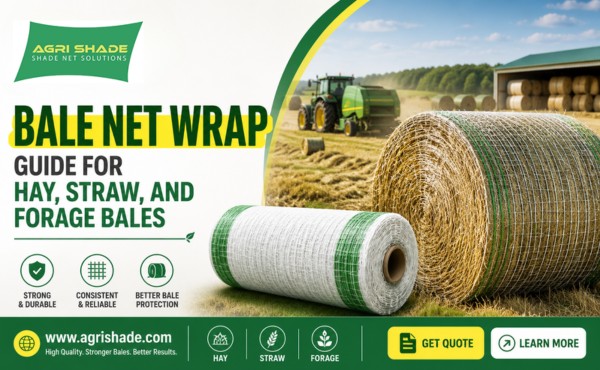
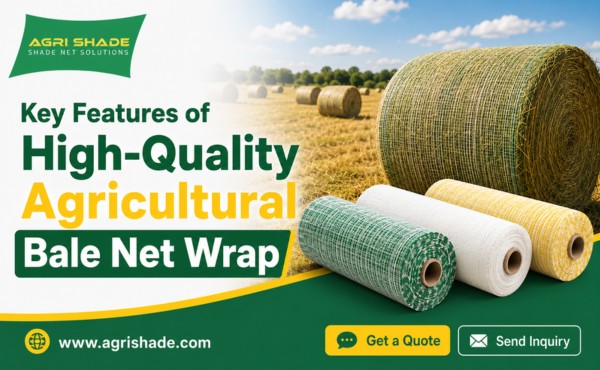
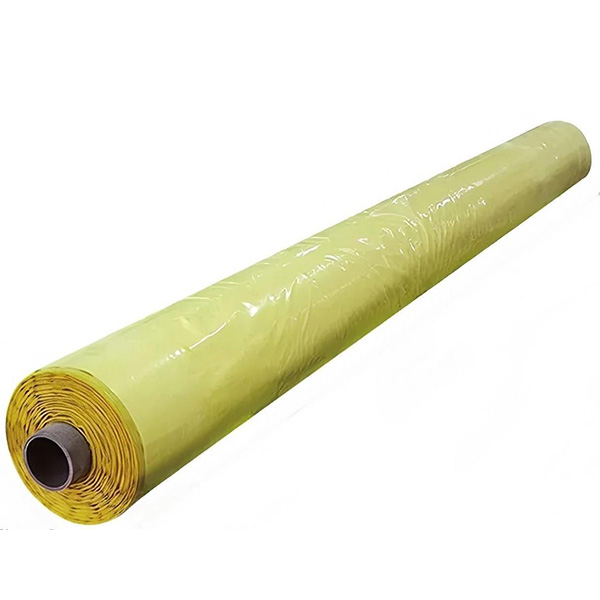
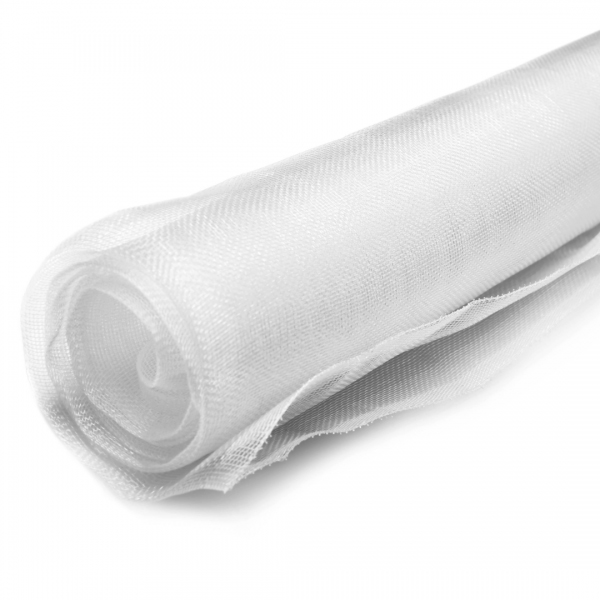
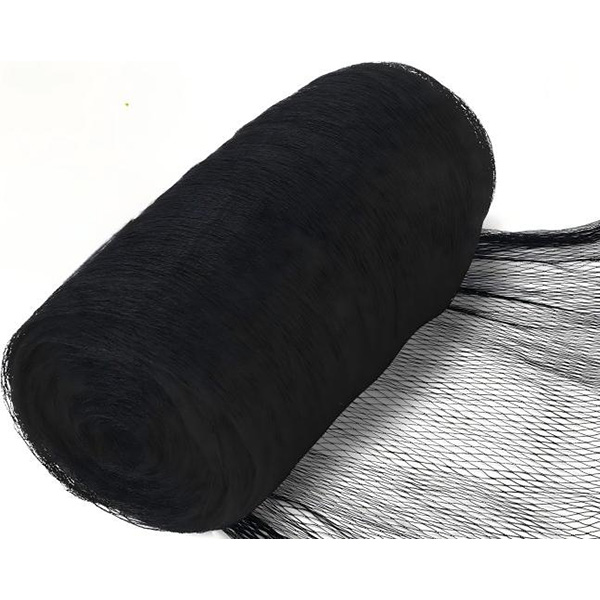
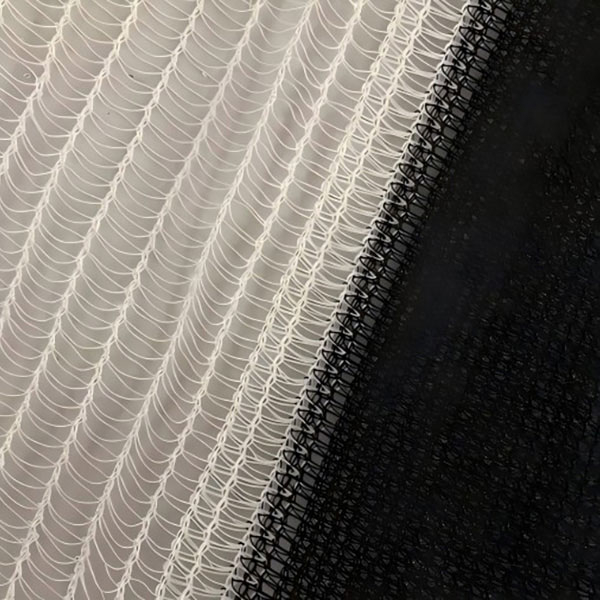
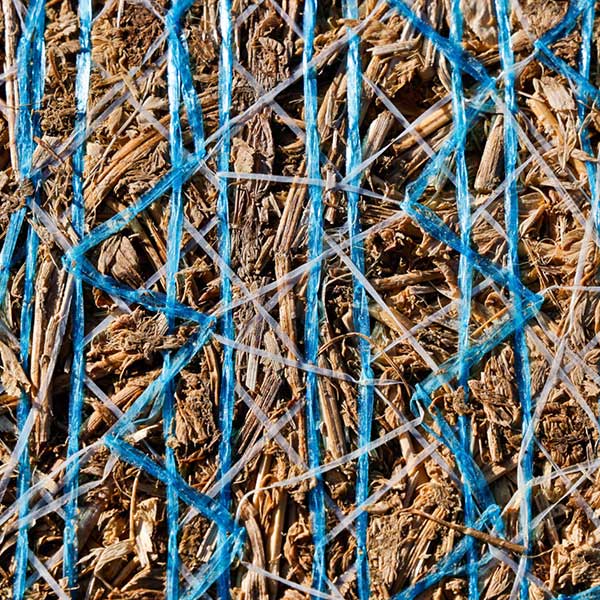
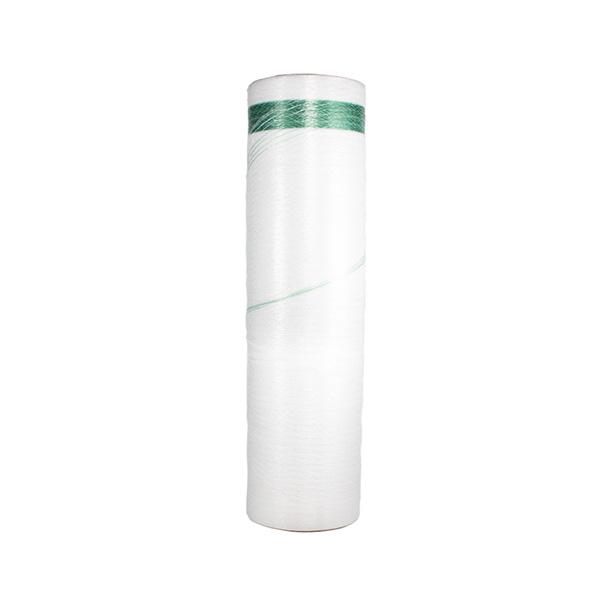
Bale net wrap is a knitted plastic netting material used to wrap round bales after the baling process. It is usually made from high-strength polyethylene material and supplied in rolls that can be loaded into round balers. During baling, the machine feeds the net wrap around the finished bale to hold the crop together tightly.
The main purpose of bale net wrap is to maintain bale shape, reduce loose material on the surface, and make the bale easier to handle, store, and transport. A good net wrap should run smoothly through the baler, spread evenly across the bale, and provide strong holding power without tearing.
Bale net wrap is commonly used for hay bales, straw bales, forage bales, grass bales, and silage preparation. It is especially useful when farmers need faster baling during a short harvest window. Because the wrap covers the bale surface more evenly than twine, it can help reduce leaf loss, improve bale appearance, and support more efficient field operation.
Bale Net Wrap vs Twine: What Is the Difference?
Both twine and net wrap are used to hold bales together, but they work in different ways. Twine wraps around the bale in lines, while bale net wrap covers a larger area of the bale surface. This wider coverage gives net wrap several advantages in many baling operations.
Bale net wrap is usually faster to apply than twine. This can save time when harvesting large fields or working under tight weather conditions. Net wrap can also help produce smoother, more uniform round bales, which are easier to stack, load, and transport.
Another advantage is crop protection. Because net wrap covers more of the bale, it helps reduce loose hay, straw, or forage from falling off during handling. This is especially important for valuable hay crops, where leaf loss can reduce feed quality.
Twine may still be used in some situations because of equipment preference, cost, or local baling habits. However, for many modern round baling operations, bale net wrap is preferred because it improves efficiency, bale appearance, and handling performance.
Why Bale Net Wrap Matters for Hay, Straw, and Forage Bales
Baling is not only about collecting crops from the field. It is also about preserving crop value after harvest. Poor wrapping can lead to loose bales, surface loss, unstable transport, and reduced storage quality. High-quality bale net wrap helps solve these problems.
For hay bales, net wrap helps keep leaves and stems together. This is important because the leafy part of hay often contains much of the feed value. When hay bales are loose or poorly wrapped, more material may be lost during movement.
For straw bales, bale net wrap helps improve stability. Straw is often used for bedding, animal housing, mulching, and farm supply. Stable straw bales are easier to stack, load, and deliver.
For forage bales, net wrap helps maintain bale shape before feeding, storage, or further wrapping with silage film. It can reduce crop loss and make the bale easier to manage throughout the supply chain.
In short, bale net wrap protects both the crop and the work already invested in planting, growing, cutting, drying, and baling.
Main Applications of Bale Net Wrap
Bale Net Wrap for Hay Bales
Hay is one of the most common crops wrapped with bale net wrap. Farmers use net wrap for grass hay, alfalfa hay, mixed hay, and other dried forage crops. Good hay bale net wrap helps reduce leaf shatter and surface loss during baling and handling.
Hay bales often need to be moved several times before feeding or sale. They may be lifted by bale spears, stacked in storage areas, transported on trailers, or delivered to livestock farms. A strong and even net wrap helps keep the bale tight during these movements.
For outdoor storage, bale net wrap can help reduce surface exposure by keeping the outer layer more compact. However, net wrap is not a complete waterproof cover. Good drainage, proper bale placement, and suitable storage methods are still important.
Bale Net Wrap for Straw Bales
Straw bales are used for animal bedding, mushroom growing, erosion control, construction support, and agricultural packaging. Straw can be lighter and more slippery than hay, so stable wrapping is important.
Straw bale net wrap helps hold loose stems together and keeps the bale round and firm. This makes loading, stacking, and transport easier. For suppliers and distributors, well-shaped straw bales also look more professional and are less likely to break apart during delivery.
When choosing net wrap for straw, buyers should consider bale density, bale size, transport distance, and storage conditions. A strong net with good edge-to-edge coverage can improve handling efficiency and reduce customer complaints.
Bale Net Wrap for Forage Bales
Forage bales may include grass, legumes, silage forage, and other feed crops. These bales can be heavy, dense, and valuable. Reliable forage bale net wrap helps keep the bale compact and reduces crop loss before storage or feeding.
In silage systems, net wrap may be used before plastic film wrapping. The net holds the bale shape, while the film creates the airtight environment required for fermentation. For this reason, smooth and stable net wrapping is important before the bale enters the wrapping stage.
Forage quality can be affected by moisture, handling, and storage conditions. While net wrap alone does not preserve silage, it plays an important role in forming a stable bale that can be handled properly.
How to Choose the Right Bale Net Wrap
Choosing the right bale net wrap depends on crop type, bale size, baler model, storage method, and purchasing purpose.
First, check the required net wrap width. The wrap should match the bale width and baler design. If the net is too narrow, the bale edges may not be covered properly. If it is not suitable for the machine, feeding problems may occur.
Second, consider roll length. Longer rolls are useful for large farms and contractors because they reduce the need for frequent roll replacement. This saves time during busy harvesting periods.
Third, match the strength to the crop and bale density. Heavy forage bales and dense hay bales need stronger net wrap than light bales. If the net is too weak, tearing and bale failure may happen.
Fourth, think about storage conditions. If bales are stored outdoors, choose net wrap with UV resistance. If bales will be transported over long distances, stable wrapping and strong holding power become even more important.
Finally, consider supplier reliability. For distributors, importers, and wholesale buyers, consistent quality matters as much as product price. A reliable bale net wrap supplier should offer stable roll size, strong packaging, quality inspection, and support for bulk orders.
Common Bale Net Wrap Problems and Solutions
Net Wrap Tearing During Baling
Net wrap tearing may be caused by low material strength, incorrect baler tension, damaged rolls, sharp machine parts, or poor storage conditions. To solve this problem, check the baler settings, inspect the roll before use, and choose stronger net wrap if the crop is dense or heavy.
Uneven Bale Coverage
Uneven coverage often happens when the net does not spread properly across the bale. Possible reasons include incorrect net width, poor mesh structure, baler feeding issues, or improper roll loading. Using a net wrap with good spreading performance can help improve edge-to-edge coverage.
Loose or Unstable Bales
Loose bales may result from insufficient wrap layers, low bale density, weak net material, or poor baler adjustment. Farmers should check the number of wraps applied to each bale and adjust settings according to crop type and bale weight.
Net Wrap Not Feeding Smoothly
If the net sticks, curls, or blocks inside the baler, the problem may come from poor roll quality, moisture damage, incorrect storage, or machine wear. Rolls should be stored in a dry place and protected from dirt, sunlight, and sharp objects before use.
Tips for Using Bale Net Wrap Correctly
Good bale net wrap performance depends not only on product quality but also on correct use.
Store net wrap rolls in a dry and clean area before baling. Keep the original packaging intact until use. Avoid placing rolls near sharp tools, oil, chemicals, or standing water.
Before starting field work, check the baler feeding system, rollers, knives, and tension settings. A small machine issue can cause repeated wrapping problems.
Use enough wrap layers for the crop type and bale weight. Heavy bales, dry straw, or long-distance transport may require stronger wrapping. Under-wrapping can save a little material at first but may cause bigger losses later.
After wrapping, inspect bale shape and edge coverage. If bales look loose, uneven, or poorly covered, adjust the baler or net wrap before continuing large-scale work.
Frequently Asked Questions About Bale Net Wrap
What is bale net wrap used for?
Bale net wrap is used to wrap round bales of hay, straw, forage, grass, and other crops. It helps keep bales tight, stable, and easier to handle during storage and transport.
Is bale net wrap better than twine?
In many round baling operations, bale net wrap is faster than twine and provides better surface coverage. It can reduce crop loss and improve bale appearance. However, the best choice depends on baler type, crop type, budget, and local farming habits.
Can bale net wrap protect hay from rain?
Bale net wrap can help keep the bale surface compact, but it is not fully waterproof. For better protection, hay bales should be stored on well-drained ground, covered when needed, or kept under proper storage conditions.
How many layers of net wrap should be used?
The number of layers depends on bale size, crop type, bale density, storage method, and transport distance. Heavy or dense bales usually need more wrap layers to stay stable.
Can bale net wrap be used for straw bales?
Yes. Bale net wrap is widely used for straw bales. It helps keep loose straw together and improves bale stability during stacking, loading, and delivery.
How do I choose the right bale net wrap size?
Choose the net wrap width and roll length according to your baler model and bale size. The net should provide good edge-to-edge coverage and feed smoothly through the baler.
Conclusion
Bale net wrap plays an important role in modern hay, straw, and forage baling. It helps improve baling speed, reduce crop loss, maintain bale shape, and make storage and transport easier. For farmers, contractors, distributors, and agricultural supply buyers, choosing strong, uniform, UV-resistant bale net wrap can improve both field efficiency and crop value.
When buying bale net wrap, consider roll width, roll length, tensile strength, mesh structure, UV resistance, baler compatibility, and supplier reliability. A dependable bale net wrap product helps protect every bale from the field to final use.
Looking for reliable bale net wrap for hay, straw, and forage bales? Contact us for product specifications, roll sizes, bulk pricing, and custom packaging options.