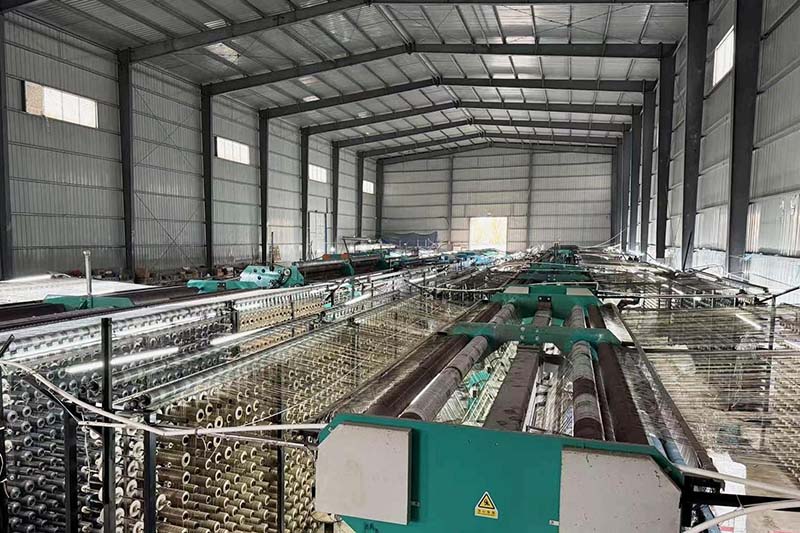
Insulated tarps help protect work areas from harsh weather at job sites. These tarps create a barrier that maintains temperature for both workers and construction materials. Many crews use insulated tarps for temporary enclosures or concrete curing, which helps keep projects on schedule. Proper placement of tarps reduces heat loss and improves safety. Following best practices ensures tarps perform well in different construction settings.
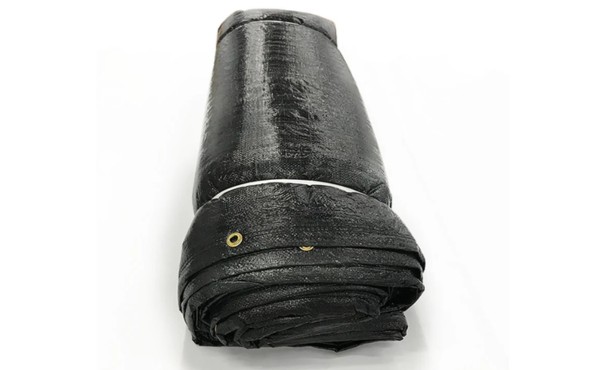
Benefits of Insulated Tarps on Jobsites
Weather and Wind Protection
Insulated tarps give strong protection against wind, snow, and rain at job sites. These tarps help with weatherproofing against rain and block cold air from entering work areas. Many crews use tarps for freeze protection and to keep winter conditions from slowing down projects.
Tarps also help with project schedule protection by reducing weather delays. Workers can keep moving forward even during harsh winter storms.
Worker and Material Temperature Control
Insulated tarps help control temperature inside temporary enclosures. This thermal insulation keeps workers warmer and safer during winter. Tarps also help maintain the right temperature for protecting building materials and concrete.
Crews use tarps to safeguard building materials from freezing or getting wet. Choosing the right insulated tarps with a good thermal rating helps keep materials in top condition. This is important for cold-weather applications where temperature changes can damage supplies.
Versatility and Flexibility
Tarps work in many ways on job sites. They can cover scaffolding, wrap around equipment, or create walls for temporary shelters. Insulated tarps are easy to move and adjust, which makes them useful for many tasks.
Crews rely on tarps for both protection and flexibility. This makes them a smart choice for winter and year-round construction needs.
Placement of Insulated Tarps for Enclosures
Site Preparation Steps
Site preparation is the first step in using insulated tarps for enclosures. Clear the area of debris and obstacles to create a safe workspace. Inspect the ground and surrounding surfaces for hazards that could affect tarp placement or protection.
Check weather conditions and plan for wind direction. This step helps crews anticipate challenges and improves performance of temporary structures with tarps.
Tarp Hanging and Arrangement
Hang tarps vertically to form walls around the work area. Use sturdy supports such as scaffolding or ropes to keep tarps upright. Arrange tarps so they overlap at the edges, which blocks drafts and adds protection.
- Start at one corner and work around the perimeter.
- Secure each tarp section before moving to the next.
- Adjust the height and width to fit the enclosure needs.
Choose insulated tarps with the right size and thickness for the job. Proper arrangement helps maintain temperature and supports construction activities.
Sealing and Securing Tarps
Sealing is important to prevent heat loss and maintain conditions under the tarps. Use fasteners, clips, or tape to seal seams and edges. Secure tarps tightly to supports to stop wind from lifting or shifting them.
Check all seams for leaks or openings. Reinforce weak spots with extra material or fasteners. This step-by-step guide helps crews create effective temporary enclosures.
Monitoring and Adjustments
Monitoring is key to keeping enclosures safe and effective. Inspect tarps regularly for damage or movement. Look for signs of wear, such as tears or loose fasteners.
- Schedule monitoring checks throughout the day.
- Record any changes in temperature or wind inside the enclosure.
- Make adjustments as needed to improve protection.
Monitoring helps crews respond quickly to problems. Adjust tarps to maintain coverage and support construction work. This process ensures the placement of insulated tarps delivers reliable results.
Insulated Tarps for Concrete Curing
Preparing the Area for Curing
Crews must prepare the site before placing tarps over fresh concrete. Remove debris and water from the surface to help the cure process. Check the weather forecast, especially in winter, to plan for temperature changes.
Mark the area that needs coverage. Make sure the ground around the concrete is stable. This step helps prevent movement of tarps during the cure.
Proper Tarp Placement Over Concrete
Lay tarps flat over the concrete to trap heat and moisture. Overlap the edges of each tarp to avoid gaps. This method helps maintain a steady surface temperature for the entire slab.
Start at one end and work across the concrete. Secure each tarp section before adding the next. This process helps keep the temperature even and supports a strong cure.
Crews should check the tarps daily. Look for tears or areas where heat might escape. Adjust the tarps as needed to keep the concrete protected.
Avoiding Direct Wet Concrete Contact
Insulated tarps should not touch wet concrete directly. Place a thin plastic sheet or curing blanket between the concrete and the tarps. This barrier prevents sticking and keeps the surface smooth.
Direct contact can cause marks or uneven curing. The barrier also helps control moisture loss, which is important for a proper cure. This method improves the performance of insulated tarps for concrete curing.
Maintaining the right surface temperature is key during winter. Insulated tarps provide protection from cold air and help the concrete cure at the correct rate. This process reduces the risk of cracks and improves the final strength.
Crews should monitor the temperature under the tarps. Use a thermometer to check the surface temperature at different spots. Adjust the tarps if the temperature drops or rises too much.
Insulated tarps are a reliable tool for concrete work in cold weather. They help crews finish jobs on time and protect the quality of the concrete.
Best Practices for Using Insulated Tarps
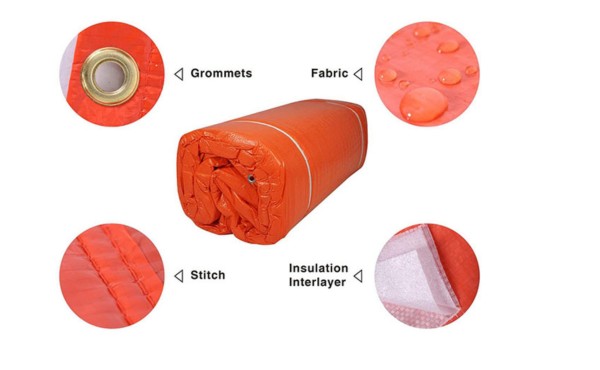
Common Mistakes to Avoid
Many crews make simple errors when using tarps on job sites. One common mistake is leaving gaps at seams or edges, which lets cold air in and reduces temperature control. Some workers use tarps that are too small or thin for the area, which lowers performance during winter.
Another mistake is failing to secure tarps tightly. Loose tarps can shift in strong wind and leave materials exposed. Crews sometimes forget to check tarps for damage, which can lead to leaks or tears during construction.
Tips for Effective Use and Maintenance
Follow these guidelines to get the most out of insulated tarps:
- Choose tarps with the right thickness for the season and job.
- Overlap edges and seal seams with tape or clips.
- Secure tarps to sturdy supports to prevent movement.
- Store tarps in a dry place when not in use.
Regular cleaning helps tarps last longer. Remove dirt and moisture after each use. Check for mold or mildew, especially after winter projects.
Troubleshooting Issues
Problems can happen even with the best practices for using tarps. If you notice temperature drops inside an enclosure, check for gaps or loose fasteners. Replace damaged tarps right away to keep job sites safe.
If tarps freeze or become stiff in cold weather, warm them indoors before use. For stubborn stains, use mild soap and water. Always follow manufacturer care instructions to maintain performance.
Insulated tarps work best when crews follow clear guidelines. Good habits help protect workers, materials, and the construction schedule.
Conclusion
Insulated tarps provide a practical solution for protecting jobsites from harsh weather while maintaining stable temperatures for workers, materials, and concrete curing. When properly installed, sealed, and monitored, they reduce heat loss, prevent weather delays, and improve safety and construction quality. Their versatility makes them suitable for enclosures and curing applications across different conditions. Overall, they are essential for ensuring efficiency, durability, and consistent results in cold-weather construction environments.