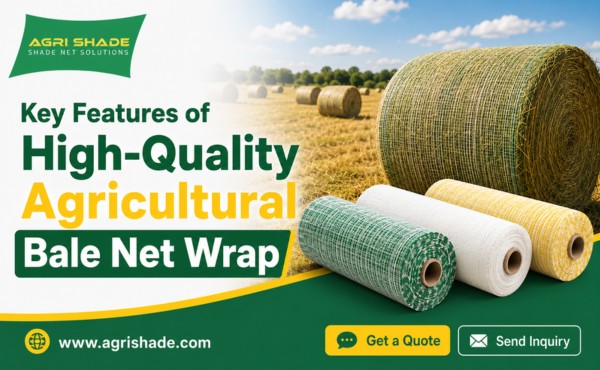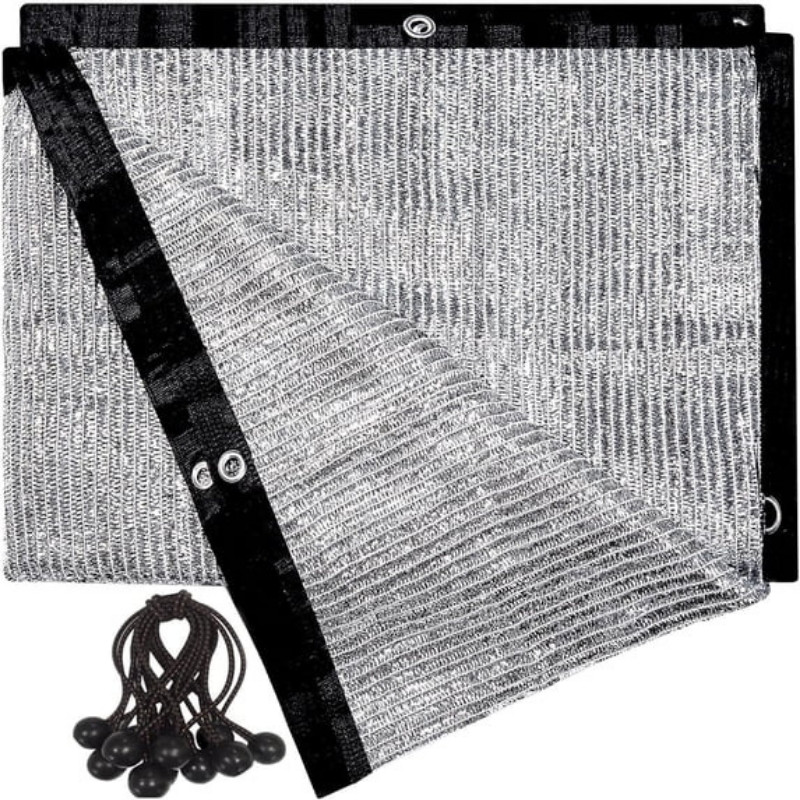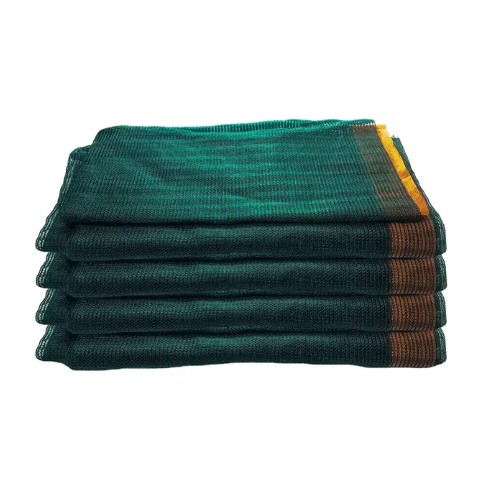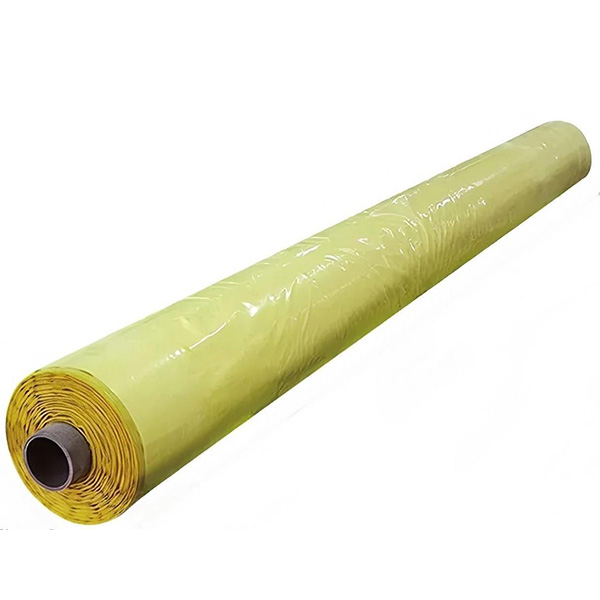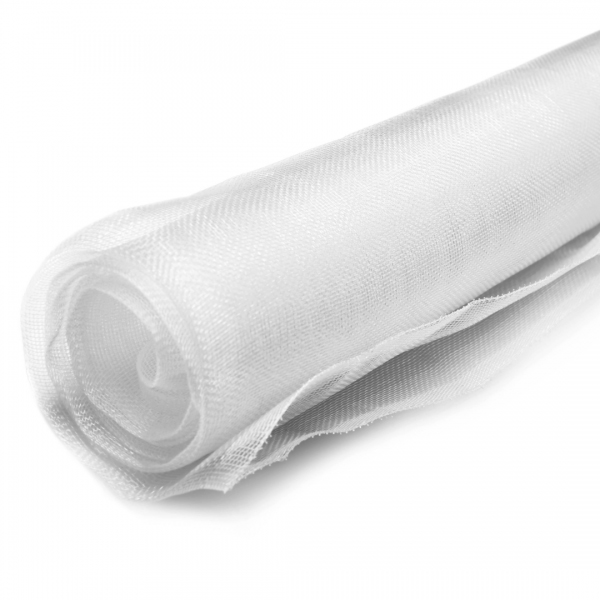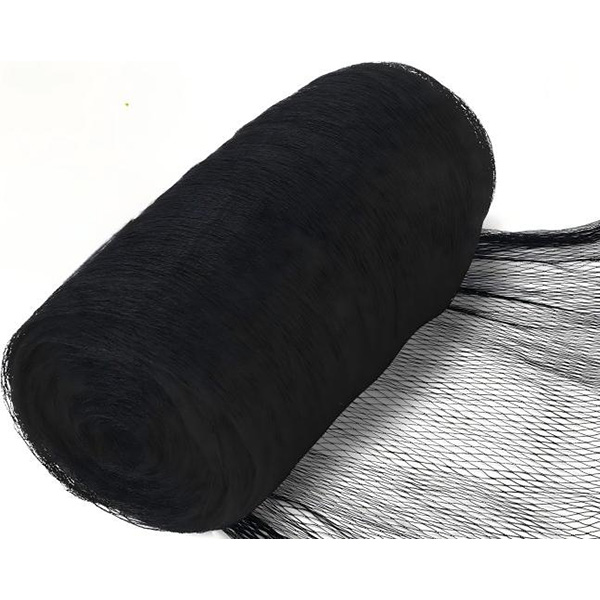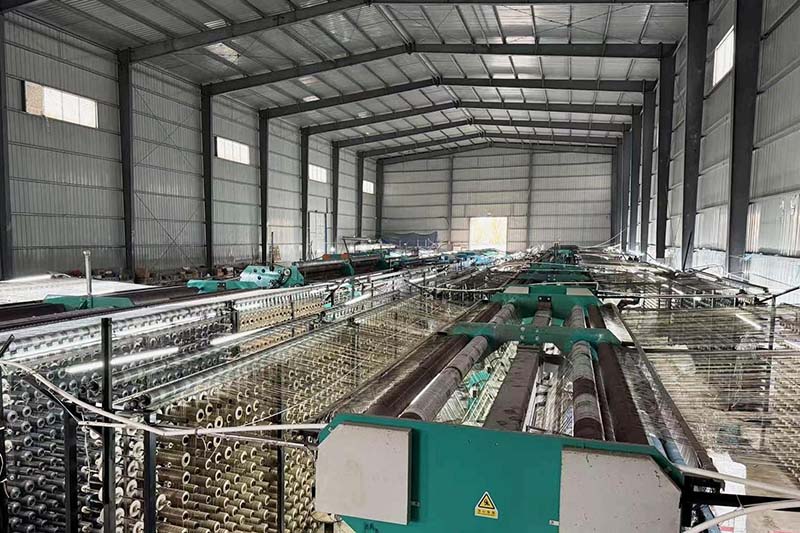
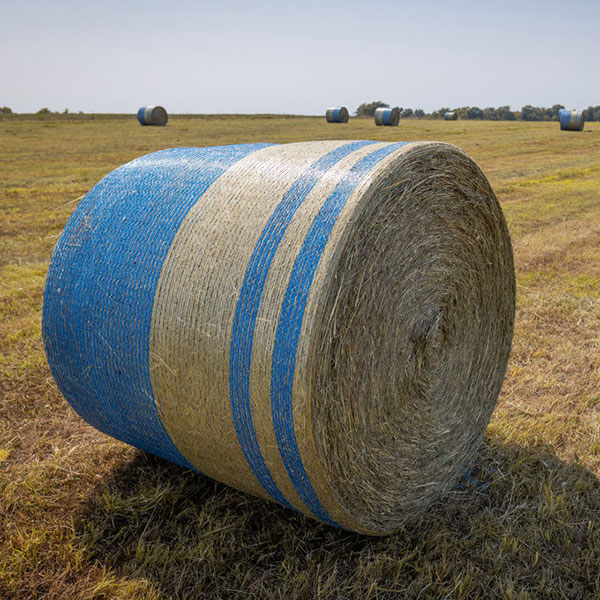
High-quality Bale Net Wrap helps create firm, clean, and well-shaped bales. It keeps the crop tightly covered, reduces loose material loss, and allows round balers to work smoothly in the field. Poor-quality net wrap may break during baling, feed unevenly into the machine, or fail to cover the bale from edge to edge. These problems can lead to wasted time, higher labor costs, damaged bales, and lower storage performance.
This article explains the key features of high-quality Agricultural Bale Net Wrap and how to choose the right product for hay, straw, forage, and silage-related baling needs.
Why Bale Net Wrap Quality Matters in Farming
Baling is usually done within a limited harvest window. When the crop is ready, farmers need to work fast before weather conditions change. If the Bale Net Wrap performs poorly, the whole baling process can slow down. Breakage, uneven feeding, loose wrapping, and machine stoppage may cause serious delays.
High-quality Bale Net Wrap helps improve baling efficiency by providing stable tension and smooth unrolling. It allows the baler to wrap each bale quickly and consistently. For large farms and baling contractors, this can save significant time during busy harvest periods.
Good net wrap also helps reduce crop loss. When hay or straw bales are wrapped tightly, less material falls off during field handling, loading, transport, and storage. A clean and compact bale is easier to move, stack, and sell. For commercial hay suppliers, better bale appearance can also improve customer confidence.
In addition, strong net wrap helps maintain bale shape. Round bales need firm surface coverage to stay stable. If the wrap is weak or uneven, the bale may become loose, misshaped, or damaged during transport. This is why bale net wrap quality directly affects both field performance and final bale value.
Strong Tensile Strength for Reliable Wrapping
Tensile strength is one of the most important features of high-quality Agricultural Bale Net Wrap. During baling, the net wrap must handle tension from the baler and pressure from the compressed crop. If the material is too weak, it may tear, stretch unevenly, or break before the bale is fully wrapped.
Strong Bale Net Wrap provides reliable wrapping for different crop types, including hay, straw, forage, and dry grass. It is especially important for large round bales, where the surface pressure is higher and the bale weight can be greater. A stronger net helps keep the bale compact from the moment it leaves the baler until it reaches storage or the customer.
For high-speed baling operations, tensile strength becomes even more important. Modern balers are designed for faster field work, so the net wrap must feed smoothly and withstand quick wrapping cycles. If the net breaks frequently, the operator must stop the machine, remove damaged material, and restart the process. This reduces daily output and increases frustration.
When choosing Bale Net Wrap, buyers should check whether the product is designed for stable strength across the full roll. Good-quality net wrap should not have weak sections, inconsistent thickness, or poorly formed mesh. Consistency is as important as strength because every bale needs the same wrapping performance.
Good UV Resistance for Outdoor Storage
Many hay and straw bales are stored outdoors, especially when barn space is limited. This means the Bale Net Wrap may be exposed to sunlight for weeks or months. Without good UV resistance, the net wrap can become weak, brittle, or damaged under long-term sun exposure.
High-quality Agricultural Bale Net Wrap should include UV protection to help maintain strength during outdoor storage. This is important for farms in hot, sunny, or dry regions where sunlight exposure is strong. UV-resistant net wrap helps keep bales secure until they are used, transported, or sold.
UV resistance is also important for seasonal storage. Farmers may produce bales during harvest and store them for later feeding or resale. If the net wrap loses strength too quickly, the bale surface may loosen, and the crop may become harder to handle. In some cases, damaged wrap can increase crop waste and make transport less stable.
For wholesale buyers and agricultural distributors, UV protection is a key selling point. Customers often ask whether the net wrap is suitable for outdoor storage. A reliable supplier should be able to provide product specifications, recommended storage conditions, and available UV protection levels.
Uniform Mesh Structure and Consistent Coverage
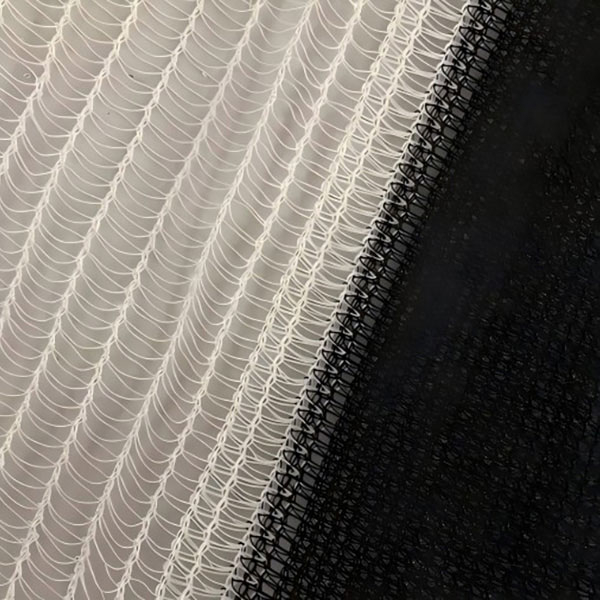
A high-quality Bale Net Wrap should have a uniform mesh structure. The mesh should be evenly produced across the full width and length of the roll. This helps the net wrap cover the bale surface smoothly and reduces the risk of loose edges, gaps, or uneven wrapping.
Uniform mesh is important because it affects how the net spreads over the bale. If the mesh is inconsistent, some areas may be too tight while others may be too loose. This can lead to poor bale appearance and reduced surface protection. A bale that is not evenly covered may also lose more crop material during handling.
Consistent coverage is especially valuable for commercial hay and straw suppliers. Buyers often prefer bales that look clean, compact, and professionally wrapped. A well-covered bale is easier to stack and transport. It also gives the impression of better product quality.
For baler operators, uniform mesh helps reduce feeding problems. The net wrap can move through the machine more smoothly when the material is stable and evenly formed. This supports faster baling and fewer interruptions in the field.
Proper Width and Roll Length Options
Bale Net Wrap must match the baler model and bale size. Common roll widths are designed for different round balers, and choosing the wrong width can lead to poor coverage or feeding issues. High-quality suppliers usually offer multiple width and roll length options to meet different farming requirements.
Proper width helps ensure that the bale is covered from side to side. If the net is too narrow, the bale edges may remain exposed. Exposed edges can loosen during transport and storage, causing crop loss and reducing bale stability. If the net is not compatible with the machine, it may also feed incorrectly.
Roll length is another important factor. Longer rolls can reduce the number of roll changes during field work. This is useful for large farms and contractors who need to bale many acres in one day. Fewer roll changes mean less downtime and better productivity.
When purchasing Agricultural Bale Net Wrap in bulk, buyers should confirm the roll size, roll length, core size, packaging, and baler compatibility. A professional supplier should provide clear specifications to help customers choose the right product.
Easy Unrolling and Smooth Feeding
Smooth feeding is a key feature of high-quality Bale Net Wrap. The roll should unwind evenly without sticking, twisting, or tearing. If the net does not unroll smoothly, it can cause machine stoppage and uneven wrapping.
Easy unrolling depends on material quality, roll tension, production control, and packaging. A good roll should maintain stable tension from the beginning to the end. It should not be too loose or too tight. If the roll is wound poorly, it may create feeding problems inside the baler.
Smooth feeding is especially important during busy harvest periods. Operators need a net wrap that works reliably without constant adjustment. Every machine stoppage costs time and may affect the quality of the baled crop. For contractors, downtime can also reduce daily service capacity and customer satisfaction.
High-quality Bale Net Wrap is designed to work with common round balers. However, buyers should still confirm compatibility before ordering. Different baler brands and models may have different feeding systems, so size and roll condition must be suitable.
Edge-to-Edge Wrapping Performance
Edge-to-edge wrapping is one of the most valuable features of premium Bale Net Wrap. It means the net spreads across the full width of the bale and covers both edges properly. This helps create a firm and stable bale with less loose crop at the sides.
Good edge coverage improves bale shape and reduces the risk of deformation. Round bales often move through several handling steps, including unloading, field collection, transport, stacking, and storage. If the edges are not wrapped well, the bale may lose material or become less stable.
Edge-to-edge performance is also useful for outdoor storage. Better side coverage helps hold the bale surface together and reduces exposure at weak points. While net wrap is not a complete weatherproof cover, proper coverage still supports better storage condition and easier handling.
For hay and straw sellers, edge-to-edge wrapping also improves bale appearance. Clean edges make bales look more uniform and easier to market. This is important when selling to farms, feed suppliers, livestock owners, and distributors.
Weather Resistance for Field and Storage Use
Agricultural Bale Net Wrap is often used in challenging outdoor conditions. It may face sunlight, wind, moisture, dust, and rough handling. A high-quality net wrap should be designed for reliable field and storage use.
Weather resistance helps the wrap maintain performance after baling. The net should not break easily when bales are moved, loaded, or stored. It should keep the bale surface secure under normal outdoor conditions. This is especially important when bales are stored in open fields before being transported.
Moisture resistance is also helpful. Although Bale Net Wrap does not replace proper storage protection, it should remain stable when exposed to normal field humidity or light moisture. Poor-quality wrap may weaken faster or become difficult to handle after exposure.
For buyers in different regions, weather resistance requirements may vary. Farms in sunny areas may focus more on UV protection, while farms in windy or wet areas may care more about strength and bale stability. A good supplier should help customers select the right specification based on local conditions.
Material Quality and Production Consistency
The performance of Bale Net Wrap depends heavily on raw material quality and production control. High-quality net wrap is usually made from durable plastic materials designed for strength, flexibility, and stable wrapping performance.
Production consistency is critical. Even if one part of the roll works well, weak sections can still cause breakage or feeding problems. A professional manufacturer should control mesh formation, roll winding, width accuracy, strength, and packaging quality.
For B2B buyers, consistent quality is often more important than the lowest price. A cheaper net wrap may save money at the beginning, but if it causes frequent breakage, machine downtime, or crop loss, the real cost becomes higher. Reliable performance helps farmers save labor, reduce waste, and protect their harvest.
When comparing suppliers, buyers should ask about quality control, product testing, specifications, packaging, and export experience. Stable supply is also important for distributors and wholesalers who need repeat orders during peak farming seasons.
How to Choose High-Quality Bale Net Wrap
Choosing the right Agricultural Bale Net Wrap requires more than checking the price. Buyers should consider strength, UV resistance, mesh quality, roll size, machine compatibility, and supplier reliability.
- Check the tensile strength. Strong net wrap helps prevent breakage and keeps bales secure during handling and storage. For large round bales or high-speed baling, strength should be a top priority.
- Confirm UV resistance. If bales will be stored outdoors, UV protection is very important. Ask the supplier about the recommended outdoor storage period and suitable climate conditions.
- Check width and roll length. The net wrap must match your baler model and bale size. Proper sizing ensures better coverage and smoother feeding. Longer rolls may be more efficient for large-scale baling.
- Evaluate the mesh structure. A uniform mesh provides more consistent wrapping and better bale appearance. Avoid net wrap with visible weak spots, uneven width, or poor roll winding.
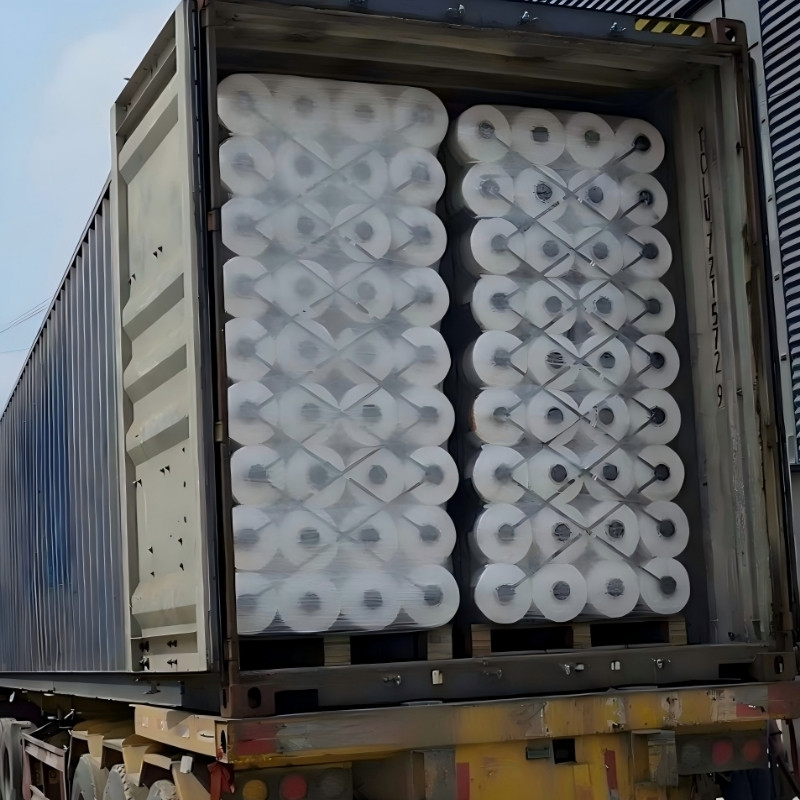
- Choose a reliable Bale Net Wrap supplier. A professional supplier should provide clear product specifications, stable quality, bulk order support, and responsive service. For importers and distributors, packaging, loading quantity, private label options, and delivery time may also be important.
Common Applications of Agricultural Bale Net Wrap
Bale Net Wrap is widely used for different types of agricultural baling. Its main purpose is to hold round bales tightly and improve handling efficiency.
For hay bales, net wrap helps maintain bale shape and reduce loose hay loss. This is useful for livestock farms, feed suppliers, and hay distributors.
For straw bales, Bale Net Wrap provides stable surface coverage and makes bales easier to move and stack. Straw is often used for animal bedding, feed support, mulching, and other farm applications.
For forage bales, net wrap helps keep the crop compact and easier to handle after baling. Strong wrapping is important because forage bales can be heavy and require stable transport.
For silage-related preparation, Bale Net Wrap may be used before further wrapping with film, depending on the baling system. In this case, smooth feeding and strong bale formation are important for the next wrapping step.
Bale Net Wrap vs Twine: Which Is Better?
Many farmers compare Bale Net Wrap with baler twine. Both products are used in agriculture, but they offer different benefits.
Bale Net Wrap is generally faster for round baling because it covers the bale surface with fewer rotations. This helps reduce baling time and improve field efficiency. It also provides better surface coverage, which can reduce crop loss and improve bale appearance.
Twine is still used in many farming operations and may be preferred for certain crops or equipment. However, for large-scale round baling, net wrap is often chosen because it supports faster wrapping, cleaner bale shape, and easier handling.
The best choice depends on the baler, crop type, storage method, and budget. For farmers who need higher efficiency and better bale coverage, Bale Net Wrap is often a practical solution.
FAQ About High-Quality Bale Net Wrap
What makes Bale Net Wrap high quality?
High-quality Bale Net Wrap should have strong tensile strength, good UV resistance, uniform mesh, smooth unrolling, and reliable edge-to-edge wrapping performance. It should also match common baler models and provide consistent quality from roll to roll.
Why is UV resistance important for Bale Net Wrap?
UV resistance helps the net wrap maintain strength when bales are stored outdoors under sunlight. Without UV protection, the wrap may become weak or brittle faster, which can affect bale stability during storage and transport.
How do I choose the right Bale Net Wrap size?
Choose the width and roll length according to your baler model, bale size, and daily baling needs. The right size helps improve coverage, reduce feeding problems, and increase field efficiency.
Is Bale Net Wrap better than twine?
For many round baling jobs, Bale Net Wrap is faster and provides better bale surface coverage than twine. It can help improve bale shape, reduce crop loss, and support more efficient field work.
Can Bale Net Wrap be used for hay and straw?
Yes. Agricultural Bale Net Wrap is commonly used for hay, straw, forage, and other round bale applications. The right specification depends on crop type, bale size, storage conditions, and baler model.
Conclusion
High-quality Agricultural Bale Net Wrap is essential for efficient baling, stable bale shape, and better crop protection. The best net wrap should combine strong tensile strength, UV resistance, uniform mesh, smooth feeding, proper roll size, and edge-to-edge wrapping performance. For farmers, contractors, wholesalers, and agricultural distributors, choosing a reliable Bale Net Wrap supplier can reduce downtime, improve bale quality, and support more efficient harvest operations.
If you are looking for Bale Net Wrap for hay, straw, forage, or bulk agricultural supply, contact AgriShade to request specifications, roll sizes, packaging details, and wholesale pricing.