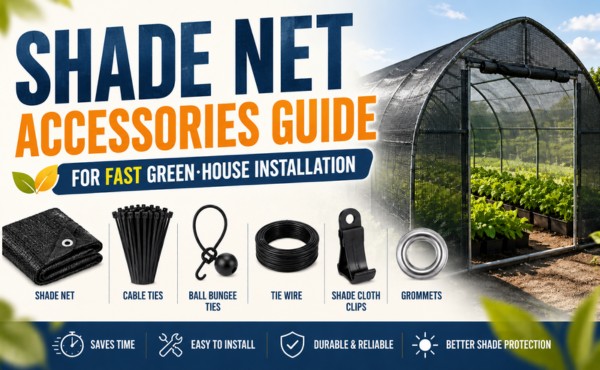
Shade net accessories play a critical role in building a greenhouse quickly and securely. These tools help users attach, secure, and tension shade cloth with less effort. Beginners find that proper accessories reduce mistakes and save time. Experienced growers notice improved stability and fewer repairs. Using the right equipment leads to better crop protection and longer-lasting structures.
Essential Shade Net Accessories
A successful greenhouse installation depends on using the right shade net accessories. These tools help secure, tension, and maintain the netting, making the process faster and more reliable. Below are the most important accessories for efficient setup.
Poly Clips
Poly clips are small, durable fasteners made from UV-stabilized plastic. They snap onto the edge of the shade cloth and grip it tightly. This design prevents the net from slipping or tearing under tension. Poly clips work well with most greenhouse frames, including metal and PVC. Their UV protection ensures they last through many seasons of sun exposure. Many growers prefer poly clips because they are easy to install and remove, which saves time during both setup and maintenance.
Tip: Space poly clips evenly along the edge of the net for the best hold and to avoid sagging.
Ball Bungees
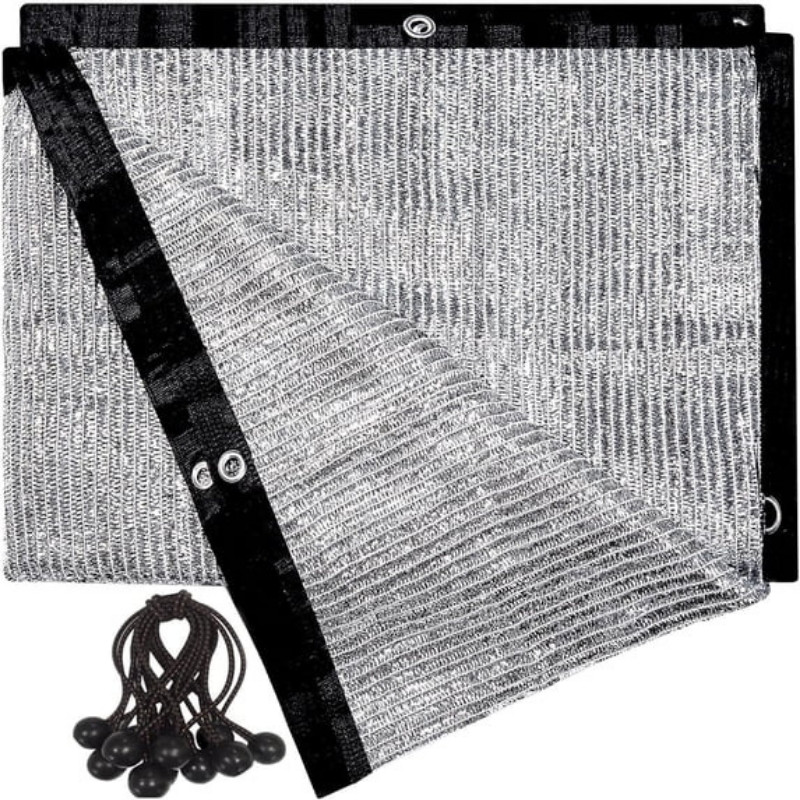
Ball bungees use a stretchy cord and a plastic ball to create a secure loop. These accessories attach shade cloth to pipes, poles, or hooks. The elastic material absorbs movement from wind, which reduces stress on the netting. Ball bungees are made from UV-resistant rubber or synthetic fibers, so they do not crack or weaken in sunlight. They are reusable and quick to install, making them a favorite for fast greenhouse projects.
| Accessory | Material | UV Protection | Main Benefit |
|---|---|---|---|
| Ball Bungees | Rubber/Synthetic | Yes | Absorbs wind movement |
Bungee Ties
Bungee ties are similar to ball bungees but use a knot or hook instead of a ball. These ties stretch to hold the netting tight against the greenhouse frame. The elastic cord helps keep the net in place even during strong winds. Most bungee ties are made with UV-treated materials, which means they last longer outdoors. They are simple to use and adjust, which helps speed up the installation process.
Hooks & Carabiners
Hooks and carabiners provide a strong connection point between the net and the greenhouse structure. Made from metal or heavy-duty plastic, these accessories resist rust and UV damage. They allow users to quickly attach or remove shade netting as needed. Carabiners are especially useful for larger greenhouses, where frequent adjustments may be necessary. Using hooks and carabiners can make the installation more flexible and secure.
Zip Ties
Zip ties, also known as cable ties, are thin plastic strips that lock in place when pulled tight. They are often used to fasten shade cloth to support wires or frames. Most zip ties for greenhouse use are UV-stabilized, which prevents them from becoming brittle in the sun. Zip ties are inexpensive and easy to use, making them a common choice for both temporary and permanent installations. However, they are usually single-use, so plan to have extras on hand for repairs or adjustments.
Note: Always choose UV-resistant zip ties for outdoor greenhouse applications to ensure a longer service life.
Benefits of Using Professional Installation Accessories
Fast Installation
Professional accessories help users complete a greenhouse project quickly. Poly clips, ball bungees, and zip ties allow for rapid attachment of shade cloth. These tools reduce the time needed for setup. Many growers find that using the right shade net accessories means fewer mistakes and less frustration. Quick connections save labor and help keep projects on schedule.
Improved net stability
A stable net protects plants from harsh sunlight and wind. Bungee ties and hooks hold the netting firmly in place. Carabiners add extra security for larger structures. When the net stays tight, it does not flap or shift. This stability keeps the greenhouse environment consistent for crops.
Tip: Even spacing of fasteners along the frame increases net stability and prevents sagging.
Reduced wear and tear
High-quality materials resist damage from weather and daily use. UV-stabilized plastics and metals do not crack or rust easily. Elastic cords absorb movement, which lowers stress on the netting. This protection means fewer repairs and less frequent replacement of parts. A well-maintained greenhouse saves money over time.
Longer service life
Professional accessories extend the life of both the net and the structure. UV protection keeps materials strong, even after many seasons. Durable fasteners hold up under repeated adjustments. When growers use the right tools, the greenhouse remains effective year after year. This efficiency supports healthy plant growth and better harvests.
| Benefit | How Accessories Help |
|---|---|
| Fast Installation | Quick attachment and fewer errors |
| Net Stability | Secure hold in all conditions |
| Reduced Wear & Tear | UV and weather resistance |
| Longer Service Life | Durable materials and strong design |
Choosing the Right Shade Cloth Accessories
Selecting the right accessories for your greenhouse can make installation easier and improve long-term performance. The process starts with understanding the structure type, environmental conditions, and material durability.
Consider Greenhouse Structure Type
Every greenhouse has a unique frame design. Some frames use metal pipes, while others rely on PVC or wood. The structure type affects which shade cloth accessories work best. For example, poly clips fit tightly on metal and PVC frames. Ball bungees and zip ties attach easily to round pipes. Hooks and carabiners suit larger greenhouses with heavy shade cloth. You should match the accessory to the frame for a secure fit.
Tip: Measure the frame diameter before buying accessories. This ensures the shade cloth stays tight and does not slip.
Evaluate Environmental Conditions
Weather plays a big role in accessory selection. Areas with strong winds need bungee ties or ball bungees that stretch and absorb movement. In regions with intense sunlight, UV-treated accessories protect the shade cloth and greenhouse frame. Rain and humidity can cause rust, so choose stainless steel or UV-stabilized plastic for hooks and clips. You should consider the local climate to keep the shade cloth secure and extend its life.
| Condition | Recommended Accessory |
|---|---|
| High Wind | Ball Bungees, Bungee Ties |
| Strong Sun | UV-Treated Poly Clips, Zip Ties |
| Heavy Rain | Stainless Steel Hooks |
Select Durable Materials
Durability matters for both the shade cloth and its accessories. UV treatment prevents fading and cracking. High-quality plastics and metals resist weather damage. Accessories made for outdoor use last longer and require fewer replacements. You should check product labels for UV protection and material strength. Matching durable accessories to the shade cloth and greenhouse structure helps crops stay protected.
Note: Investing in durable materials saves money and reduces maintenance over time.
Choosing the right shade cloth accessories improves installation speed, protects your greenhouse, and supports healthy plant growth. Careful selection based on structure, environment, and material quality leads to better results.
Step-by-Step Greenhouse Installation Guide
Prepare Materials and Tools
Start by gathering all necessary materials. You will need shade cloth, shade net accessories, and basic tools like scissors, a measuring tape, and a ladder. Check that you have enough poly clips, ball bungees, hooks, and zip ties for your greenhouse size. Lay out the shade cloth on a clean surface to inspect for any damage before installation.
Tip: Organize your accessories in small containers for easy access during the process.
Attach Shade Net Accessories
Begin attaching the chosen accessories to the edges of the shade cloth. Use poly clips or zip ties for straight edges. Ball bungees and hooks work well for corners and curves. Make sure each accessory is spaced evenly to support the weight of the shade cloth. This step helps prevent sagging and keeps the netting stable.
Secure and Tension Shade Cloth
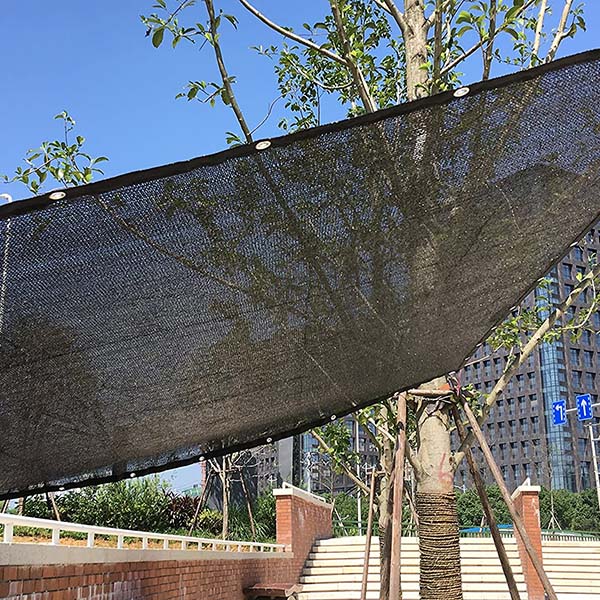
Drape the shade cloth over the greenhouse frame. Pull the material gently to remove wrinkles. Fasten the shade cloth to the frame using the attached accessories. Adjust the tension so the cloth sits flat but does not stretch too tightly. Proper tension protects the greenhouse shade netting from wind and weather.
| Step | Action |
|---|---|
| Attach Accessories | Secure to cloth edges |
| Drape Cloth | Place over greenhouse frame |
| Tension Cloth | Pull gently and fasten securely |
Final Adjustments and Maintenance
Walk around the greenhouse to check for loose spots or gaps. Tighten any accessories if needed. Make sure the shade cloth covers all intended areas. Inspect the installation after the first week to ensure everything remains secure. Regular checks help maintain the structure and extend the life of your greenhouse.
Note: Apply shade cloth in the early morning or late afternoon to avoid working in direct sun.
Common Installation Mistakes to Avoid
Mistakes during greenhouse installation can lead to wasted time and poor results. Understanding common errors helps growers avoid problems and protect their investment.
Using Low-Quality Fasteners
Low-quality fasteners often break or lose grip. This mistake can cause the shade cloth to sag or detach from the greenhouse frame. Always choose UV-resistant and weatherproof materials. High-quality fasteners keep the shade cloth secure and reduce the need for repairs. Growers should inspect all clips, ties, and hooks before installation.
Tip: Test a few fasteners before you apply shade cloth to the entire structure.
Improper Net Tension
Incorrect tension is a frequent issue. If the shade cloth is too loose, it will flap in the wind and may tear. If it is too tight, the material can stretch or rip. Proper tension keeps the greenhouse shade netting stable and extends its life. Adjust each section as you go, checking for evenness and firmness.
- Loose netting allows sunlight to enter at the edges.
- Over-tightened netting puts stress on the frame.
Inadequate Structural Support
A weak frame cannot hold the weight of the shade cloth. This problem often appears in older greenhouses or those built with light materials. Make sure the greenhouse structure is strong enough to support the netting and any accessories. Reinforce corners and joints if needed. A sturdy frame prevents sagging and damage during storms.
| Problem | Result |
|---|---|
| Weak frame | Netting collapse |
| Poor reinforcement | Shortened greenhouse life |
Ignoring Weather Conditions During Installation
Weather affects how well the shade cloth stays in place. Windy days make it hard to attach netting evenly. Rain can make surfaces slippery and unsafe. Plan to install or adjust the shade cloth when the weather is calm and dry. This approach helps ensure a smooth process and a secure fit for the greenhouse.
Note: Always check the forecast before starting work on your greenhouse.
Avoiding these mistakes leads to a longer-lasting greenhouse and better crop protection. Careful planning and attention to detail make every installation more successful.
Conclusion
Shade net accessories make it easy to install and maintain a greenhouse. When you select the right tools, you can apply shade cloth quickly and protect your crops. High-quality shade cloth keeps sunlight at the right level and helps your plants grow strong. Properly installed shade cloth also extends the life of your greenhouse.
Plan ahead and check your shade cloth and accessories before starting. This step ensures a smooth installation and lasting results.
- Use shade cloth that matches your needs.
- Choose durable accessories for every section.
- Inspect shade cloth often for best performance.
FAQ
What is the best way to secure shade netting to a greenhouse frame?
Poly clips and ball bungees work well for most frames. Use poly clips for straight edges and ball bungees for corners. Space them evenly for strong support. Always choose UV-resistant materials for outdoor use.
How often should I check shade net accessories for wear?
Inspect accessories every season. Look for cracks, rust, or loose fasteners. Replace damaged parts right away. Regular checks help keep the shade cloth secure and extend the life of your greenhouse.
Can I reuse shade net accessories after removing them?
Most poly clips, ball bungees, and carabiners are reusable if they remain undamaged. Zip ties are usually single-use. Always inspect each accessory before reusing it to ensure safety and stability.
Do I need special tools to install shade net accessories?
Basic tools like scissors and a measuring tape are usually enough. Most accessories snap or tie into place by hand. For larger greenhouses, a ladder may help reach higher areas safely.
What shade net accessories work best in windy areas?
Ball bungees and bungee ties absorb movement and reduce stress on the netting. Use UV-treated materials for extra durability. Secure all corners and edges tightly to prevent the net from coming loose during strong winds.