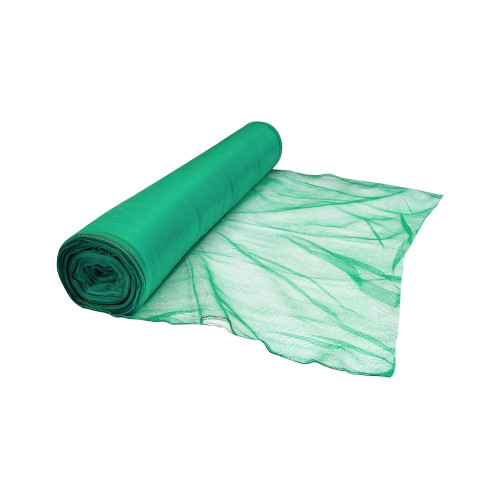
HDPE Scaffold Debris Netting for Construction Site Safety
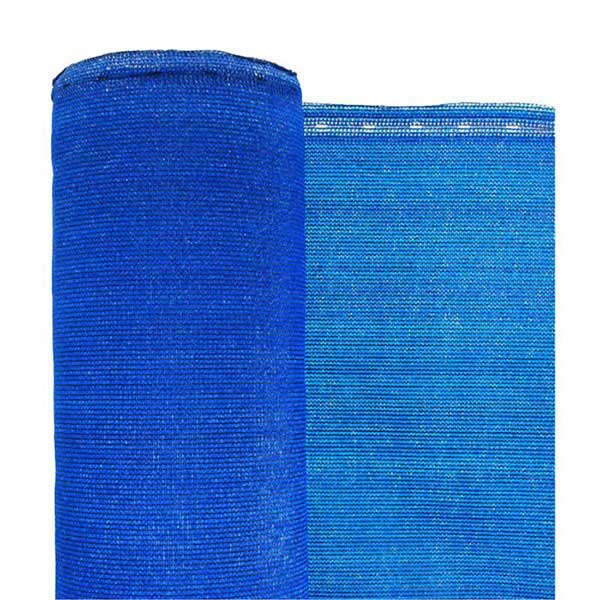
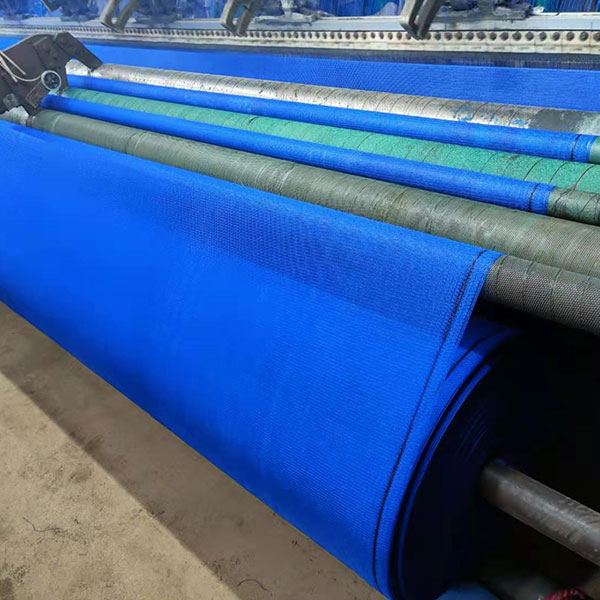
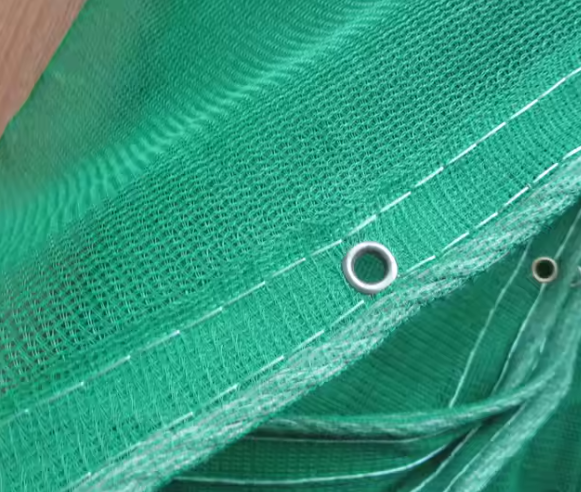
Scaffold Debris Netting is a durable HDPE knitted mesh designed to enclose scaffold structures and help contain construction debris, dust, and loose materials. It creates a protective barrier that improves jobsite safety while maintaining airflow and visibility. Lightweight, UV-stabilized, and weather-resistant, scaffold debris netting is widely used in building construction, renovation, maintenance, and demolition projects. Its easy installation and reliable performance make it an effective solution for protecting workers, pedestrians, and surrounding property.
Key Features Include:
- Effective Debris Containment: Prevents construction debris and dust from escaping the work area.
- Durable HDPE Material: Strong, lightweight, and resistant to wear and tear.
- UV Stabilized: Designed for extended outdoor use under sunlight exposure.
- Air Permeable Structure: Allows airflow while maintaining site protection.
- Weather Resistant: Performs reliably in various outdoor conditions.
- Easy Installation: Lightweight construction enables quick handling and installation.
Why Choose Debris Netting for Scaffolding?
Enhances Site Safety
Helps contain falling debris, dust, and loose materials, reducing potential hazards around scaffold structures.
Protects Workers and the Public
Creates a protective barrier that helps safeguard workers, pedestrians, vehicles, and nearby property.
Reduces Dust Dispersion
Minimizes the spread of construction dust and lightweight debris to surrounding areas.
Maintains Airflow
The breathable mesh design allows air circulation while providing effective containment.
Reduces Wind Load
Compared to solid sheeting, debris netting allows wind to pass through, helping reduce pressure on scaffolding systems.
Improves Site Appearance
Creates a cleaner and more professional-looking construction environment.
Cost-Effective Protection
Provides an economical solution for improving scaffold safety and debris control on construction and renovation projects.
Supports Regulatory Compliance
Helps contractors meet safety requirements and best practices for debris containment on construction sites.
Scaffold Debris Netting Specifications
| Product Name | Scaffold Debris Netting |
| Material | High-density polyethylene(HDPE) with UV stabilizer |
| Weaving | Knitted monofilament |
| GSM | 50-300GSM |
| Heights | 1m, 2m, 3m,4m,6m, 4′, 5’6″, 6’6″, 8′, 8’6″, 10′, 12′, and custom sizes. |
| Lengths | 50m, 100m, 150m, 200m, 100′,150′, 165′, and custom sizes. |
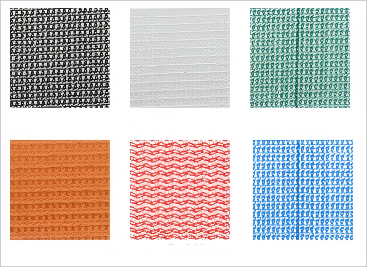
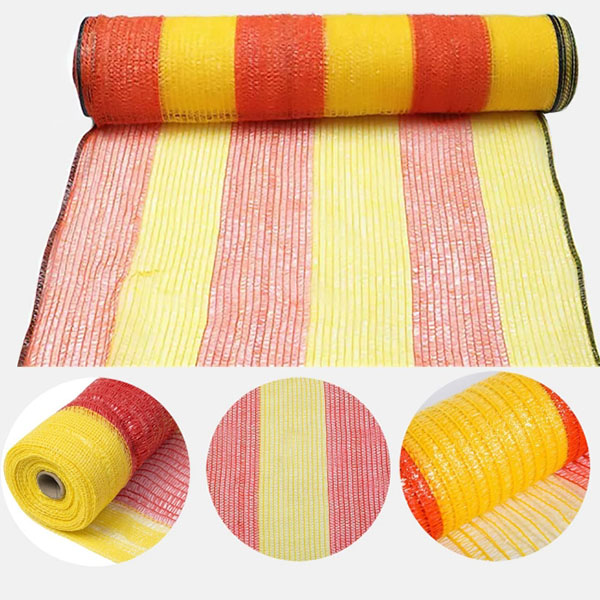
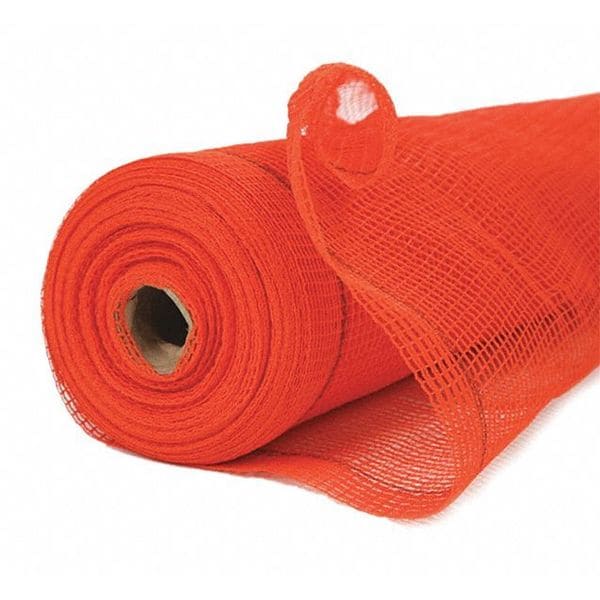
| Colors | Green, black, blue, red, white, gray, beige, and custom colors. |
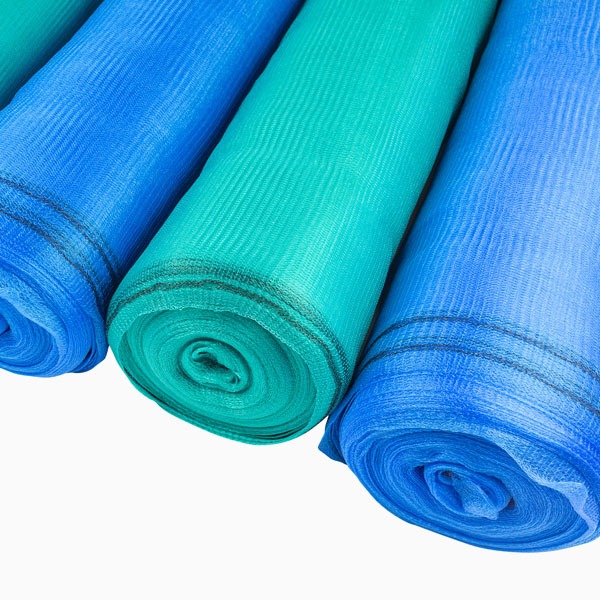
| Pack way | Packed in rolls or bundles with labels. |
| Type | Warp Knitted |
Scaffold Debris Netting Applications
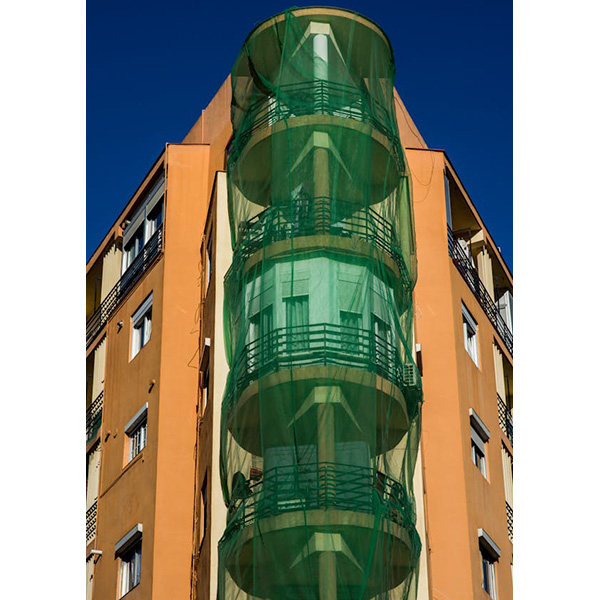
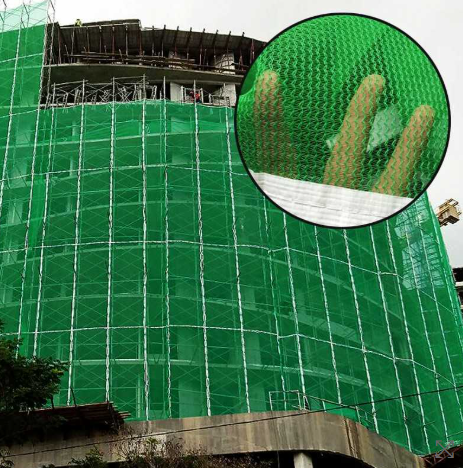
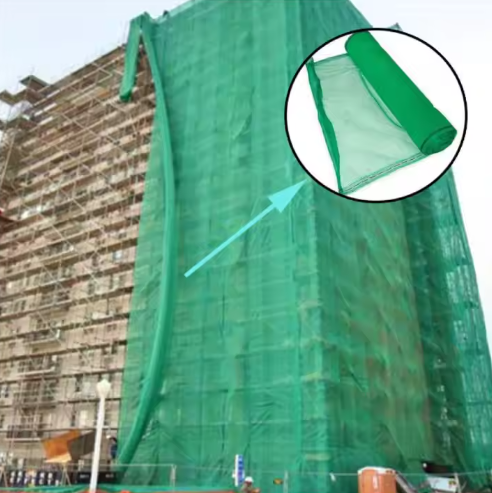
Scaffold debris netting is primarily used on perimeter scaffolding systems surrounding buildings under construction or renovation. It is commonly installed on high-rise scaffolds to help contain debris and create a safer working environment at elevated heights. The netting is also widely used on façade access scaffolds for painting, rendering, cladding installation, and exterior maintenance work.
In addition, scaffold debris netting is applied to mast climbing work platforms and temporary scaffold enclosure systems to improve site containment and safety. It is particularly suitable for scaffolding erected near pedestrian walkways, public roads, and occupied buildings where additional protection from falling debris is required.
FAQ
Scaffold debris netting is a protective mesh installed around scaffolding structures to prevent construction debris, dust, and loose materials from falling outside the work area. It helps improve site safety and protects workers, pedestrians, vehicles, and nearby properties.
Scaffold debris netting is commonly used on construction, renovation, demolition, painting, and maintenance projects. It helps contain debris, reduce dust spread, and create a safer working environment.
This depends on the project requirements. Lighter GSM netting provides better airflow and easier handling, while heavier GSM options offer improved durability, debris containment, and wind resistance. The appropriate GSM should be selected based on site conditions, safety requirements, and expected service life. If you are unsure which GSM is best for your application, contact AgriShade for professional product recommendations and customized solutions.
Most scaffold debris netting is made from high-density polyethylene (HDPE) with UV stabilizers. This material offers excellent durability, weather resistance, and long service life in outdoor environments.
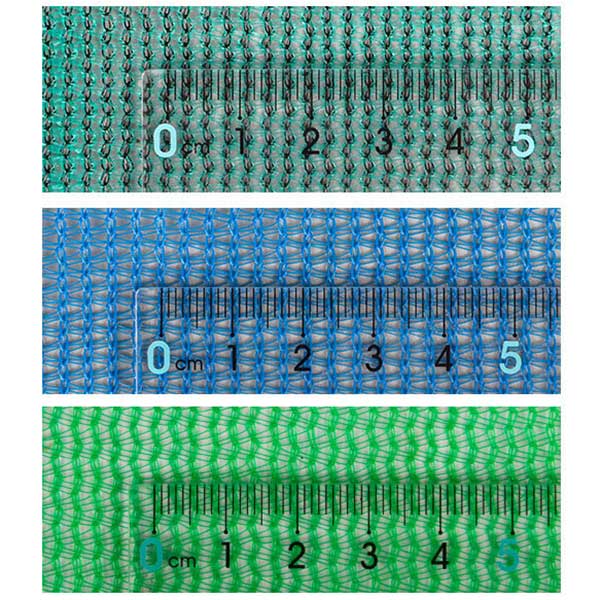
Choosing the right scaffold debris netting depends on the specific requirements of your construction project. Consider the required level of debris containment, wind permeability, and visibility when selecting mesh density and fabric weight. UV-stabilized HDPE netting is recommended for long-term outdoor use to ensure durability and resistance to sunlight exposure.
For projects with strict safety regulations, fire-retardant scaffold netting with certified flame resistance may be required. Buyers should also evaluate roll dimensions, reinforced edges, and eyelet spacing to ensure easy installation and secure attachment to scaffolding structures. In addition, selecting a reliable manufacturer with consistent product quality, testing documentation, and customization capabilities can help ensure long-term project performance and compliance.
The netting is typically attached to scaffolding using cable ties, clips, ropes, or fastening accessories. Proper installation ensures secure coverage and optimal performance throughout the project.
Yes. High-quality HDPE scaffold netting can often be reused on multiple projects when properly removed, stored, and maintained after use.
Proper maintenance helps maximize the lifespan and performance of HDPE scaffold debris netting. Regularly inspect the netting for tears, damaged edges, loose fasteners, or signs of wear caused by heavy use and weather exposure. Any damaged sections should be repaired or replaced promptly to maintain effective debris containment and site safety.
When not in use, store the netting in a clean, dry area away from sharp objects and excessive mechanical stress. Although UV-stabilized netting is designed for outdoor applications, prolonged exposure over several years may gradually reduce material strength. Periodic inspections and proper storage practices help ensure reliable performance and extend service life.
Common colors include green, blue, orange, black, white, and gray. Custom colors may also be available for branding, visibility, or project-specific requirements.
Proper installation is essential for achieving the best performance from scaffold debris netting. Secure fixing points and adequate tension help reduce movement in windy conditions, while reinforced edges improve durability during long-term use. For projects exposed to intense sunlight, UV-stabilized HDPE netting is recommended to maintain strength, flexibility, and service life over extended outdoor exposure.
Bulk Scaffolding Debris Netting Orders & Custom Solutions
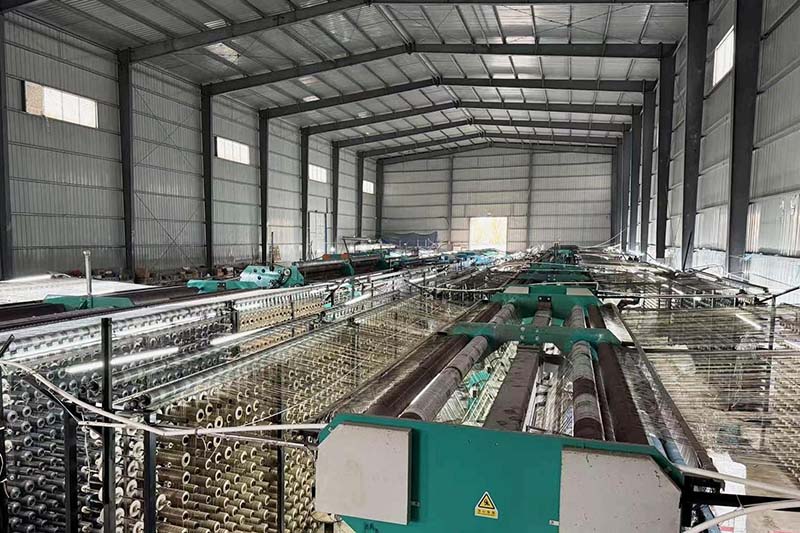
Need scaffolding debris netting for wholesale distribution, construction projects, or OEM supply? We offer bulk ordering, custom sizes, mesh weights, colors, logo printing, reinforced edges, and flame-retardant options to meet your specific requirements. Contact us today for a quote, samples, and tailored manufacturing solutions.
Related News
EN 13501-1 is the European standard for classifying the reaction-to-fire of construction products. For debris nets, the most important classes are […]
Colombia is urbanizing fast. Between 2015 and 2024, cities like Bogotá, Medellín, and Cali have seen construction permits increase by […]
Construction sites face two critical challenges: protecting workers from falling debris and shielding them from extreme heat and UV exposure. […]
Scaffold debris nets are a crucial part of any construction project, ensuring safety for workers, pedestrians, and property around construction […]
Distributors gain a powerful advantage with sgs-certified construction nets. This product stands out for its certification, which signals unmatched quality […]
The durability of debris netting comes from a mix of important factors. Mesh size, material type, weave pattern, and how […]
Safety nets and debris nets serve different roles on construction sites. The main difference comes from what each netting protects […]