Round Bale Net Wrap Product Descriptions
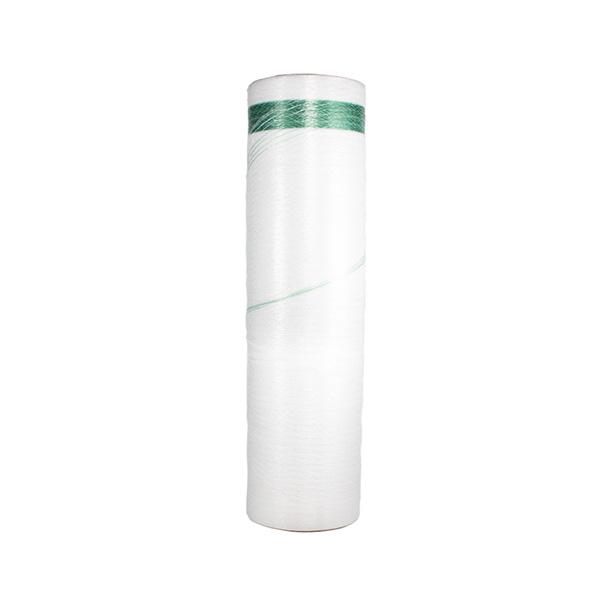
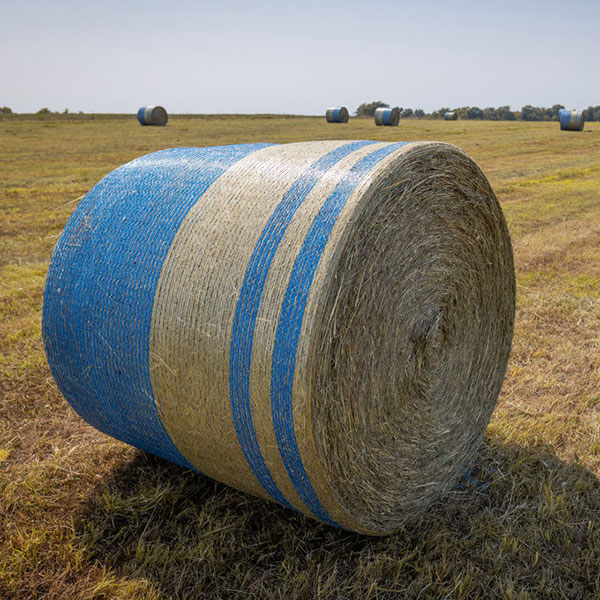
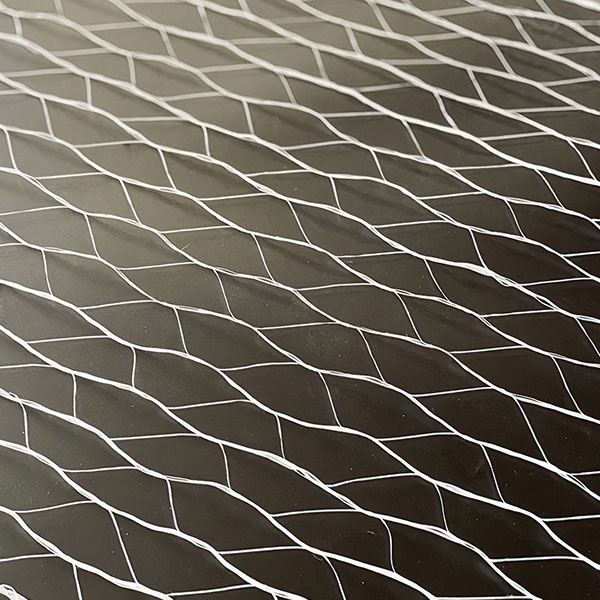
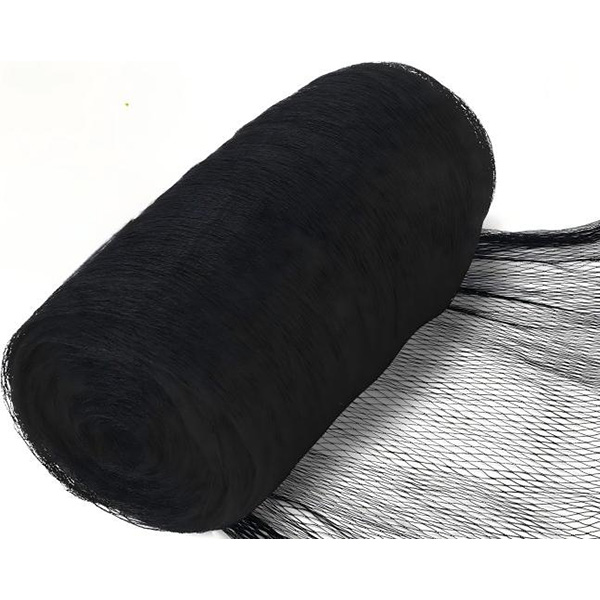
Net wrap is designed to secure round bales of hay, straw, forage, grass, and silage during baling. It provides wide bale coverage to help keep bales tight, flat, and stable during handling, transport, and storage. Compared with twine, net wrap supports faster wrapping, cleaner bale edges, and reduced crop loss. With smooth feeding, clean cutting, UV-stabilized options, and customizable roll sizes, it is a practical choice for farms, baling contractors, agricultural distributors, and wholesale supply buyers looking for efficient round bale packaging solutions.
Net Wrap Advantages Compared with Other Baling Methods
Net wrap offers several advantages over traditional baling methods such as twine. It covers a wider surface area of the bale, helping maintain a tighter and more stable bale shape. This reduces loose crop material, improves bale appearance, and makes bales easier to handle, transport, and store.
Net wrap can also improve baling efficiency because it usually requires fewer revolutions than twine. This helps reduce wrapping time, save labor, and increase productivity during busy harvesting seasons. For farms and baling contractors handling large bale volumes, faster wrapping can make daily work more efficient.
Bale Net Wrap Product Specifications
| Product Name |
Bale Net Wrap |
| Material |
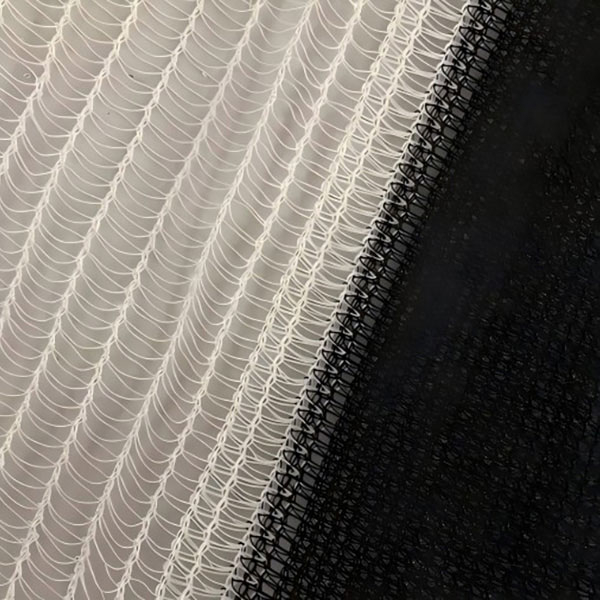
High-density polyethylene(HDPE) with UV stabilizer |
| Weaving |
Knitted tape weaving |
| Weight |
8GSM,10GSM, customized |
| Width |
1.05m, 1.23m, 48”, 51”, 64”, customized |
| Lengths |
1000m, 2000m, 3000m, 9840′, 7000′, 8000′, , customized |
| Colors |
White, green, blue,customized |
| Pack way |
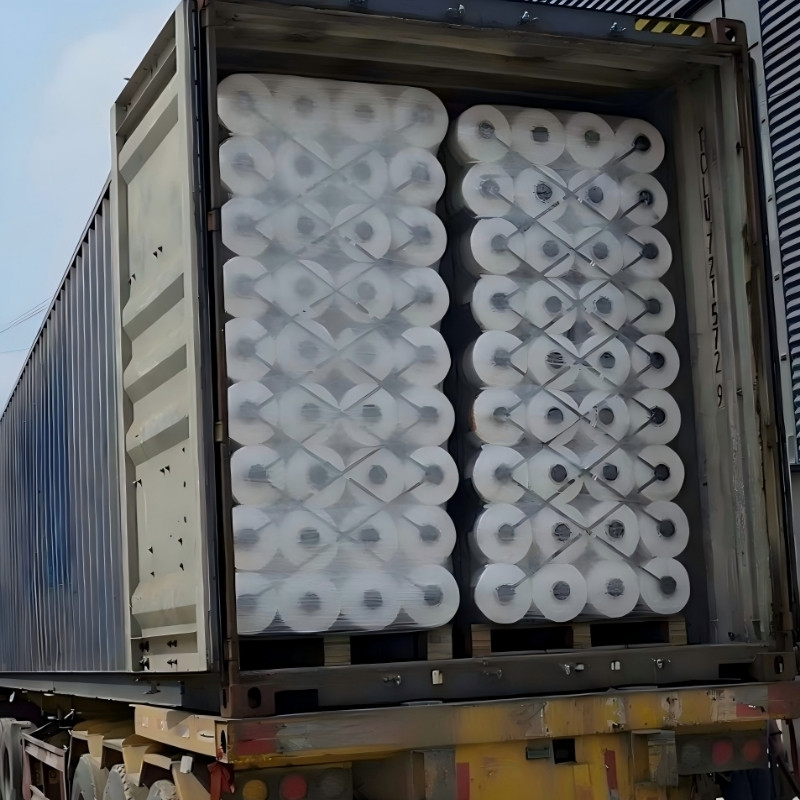
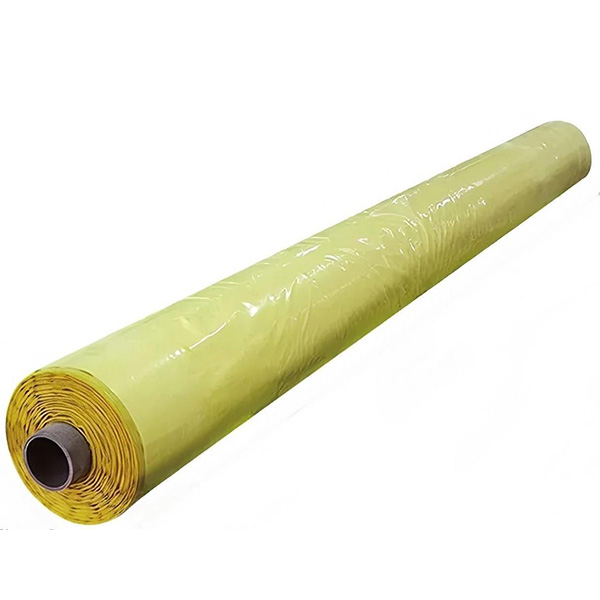
Packed in rolls or bundles with labels. |
| Type |
Warp Knitted |
| Material |
Roll Width (inch/cm) |
Guaranteed Length (m) |
Weight (kg) |
Tensile Strength (kg) |
Color |
UV Resistance |
Roll Outer Diameter (cm) |
Side Marking |
Packaging |
Rolls per Pallet |
Applications |
| HDPE |
48″ / 51″ |
3000 |
36.2kg / 38kg |
300 |
White, green, blue,customized |
12 months |
26.5cm (+/- 0.5cm) |
Right and left |
Tube packaging, Rolls on pallet |
32 |
Silage, hay, straw, corn |
| HDPE |
48″ / 51″ |
3600 |
42.8kg / 45.1kg |
300 |
White, green, blue,customized |
12 months |
28.5cm (+/- 0.5cm) |
Right and left |
Tube packaging, Rolls on pallet |
32 |
Silage, hay, straw, corn |
| HDPE |
48″ / 51″ |
3000 |
41.7kg / 44kg |
320 |
White, green, blue,customized |
12 months |
27.5cm (+/- 0.5cm) |
Right and left |
Tube packaging, Rolls on pallet |
32 |
Hay, straw, silage |
| HDPE |
48″ / 51″ |
3600 |
50kg / 52.2kg |
320 |
White, green, blue,customized |
12 months |
29.5cm (+/- 0.5cm) |
Right and left |
Tube packaging, Rolls on pallet |
24 |
Hay, straw, silage |
| HDPE |
48″ / 51″ |
3000 |
27kg / 28.4kg |
300 |
White, green, blue,customized |
12 months |
20.0cm (+/- 0.5cm) |
Left |
Tube packaging, Rolls on pallet |
45 |
Silage, hay, straw, strong straw, corn, sugar beet pulp, and sticks |
| HDPE |
48″ / 51″ |
3600 |
31.7kg / 33.4kg |
300 |
White, green, blue,customized |
12 months |
22.0cm (+/- 0.5cm) |
Left |
Tube packaging, Rolls on pallet |
40 |
Silage, hay, straw, strong straw, corn, sugar beet pulp, and sticks |
Applications of Bale Net Wrap
Hay Bale Wrapping
Net wrap helps keep round hay bales tight, stable, and easier to move after baling. It reduces loose hay loss during handling, loading, and storage.
Straw Bale Packaging
For straw bales, net wrap provides strong surface coverage and helps maintain bale shape during transport and stacking.
Forage Bale Wrapping
It is used for forage, grass, and alfalfa bales that need stable wrapping, clean edges, and easier field handling.
Silage and Wet Hay Bales
Net wrap helps keep wet hay or silage bales tight before film wrapping, supporting better bale stability during the next packaging step.
Outdoor Bale Storage
UV-stabilized net wrap helps bales maintain better wrapping performance when stored outdoors under sunlight.
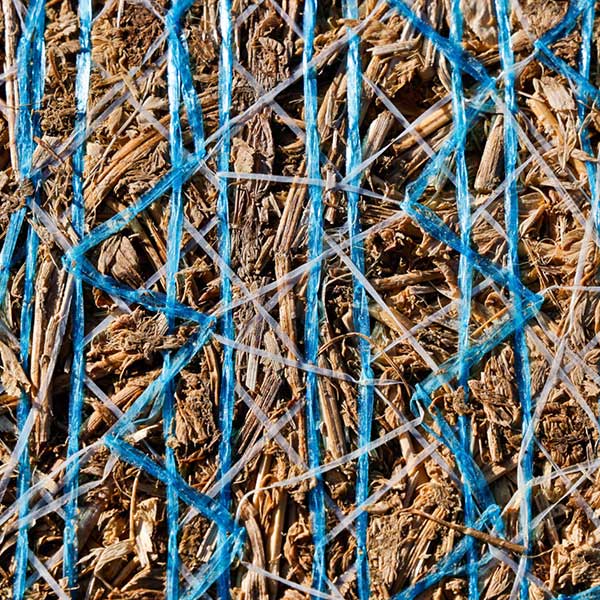
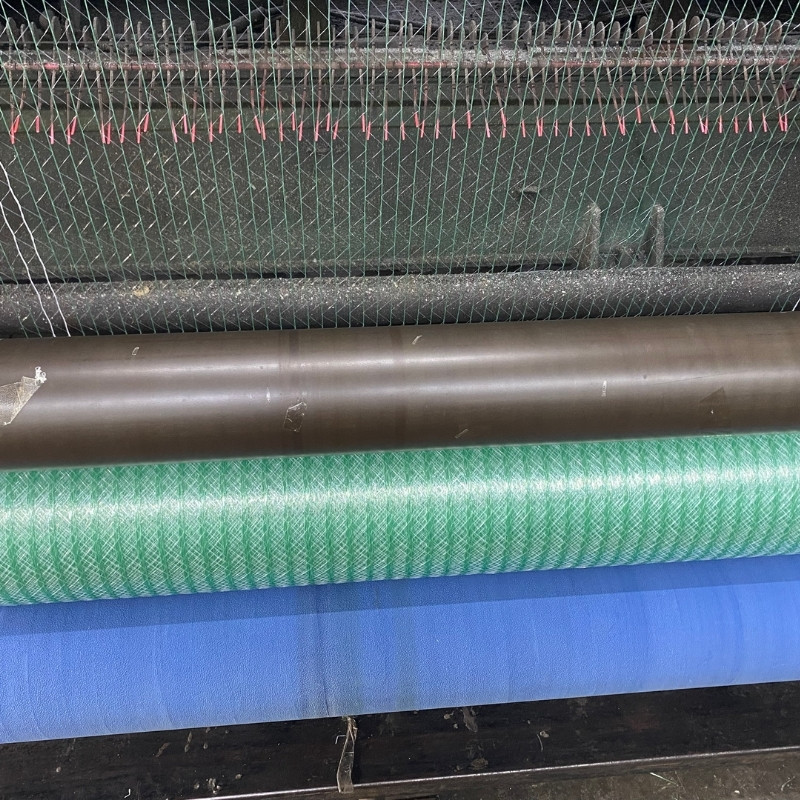
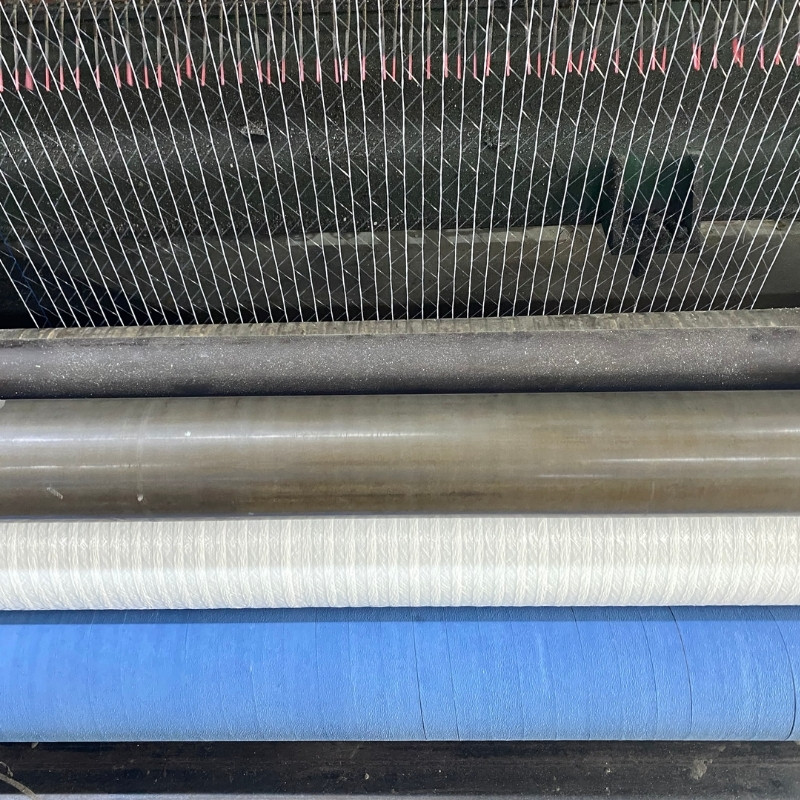
AgriShade Bale Net Wrap Detail Display
How to Choose the Right Bale Net Wrap
Match the Net Wrap to Your Bale Type
The right bale net wrap should match the crop you are baling. For hay and forage bales, smooth feeding, stable tension, and good edge coverage are important. These features help keep bales tight, clean, and easier to handle.
For straw bales, buyers should choose net wrap with stronger tensile strength and better tear resistance. Straw is often dry, loose, and stemmy, so it needs a more durable wrap to reduce tearing during baling, transport, and stacking.
Check Roll Width, Length, and Baler Compatibility
Roll width and roll length should match your baler model and bale size. Common bale net wrap widths include 1.05m, 1.23m, 48”, 51”, and 64”. Roll length can be selected based on your expected bale output, order quantity, and local market demand.
Before ordering, buyers should also confirm core size, roll weight, GSM, material quality, and feeding performance. A suitable specification helps reduce wrapping problems and improves baling efficiency in the field.
Consider Storage Conditions and UV Resistance
If bales are stored outdoors, UV resistance is an important factor. UV-stabilized bale net wrap helps maintain better performance when bales are exposed to sunlight. For long-term outdoor storage, buyers should also consider bale density, stacking method, local climate, and crop moisture level.
Confirm Custom and Wholesale Requirements
For wholesale orders, buyers should check whether the supplier supports custom roll size, color, label design, packaging, and pallet loading. These details are important for distributors, farm supply stores, and agricultural product resellers.
Before placing a bulk order, share your bale type, baler model, required roll width, roll length, packaging needs, and order quantity with the supplier. This helps confirm the right bale net wrap specification and avoid purchasing mistakes.
FAQ