Reliable Construction debris Netting China Manufacturer and Wholesale Supplier

Construction debris netting helps contain falling debris, reduce dust spread, and improve site safety. High-quality debris netting creates a protective barrier around work areas while maintaining airflow and visibility. AgriShade supplies HDPE construction debris netting in bulk for contractors, scaffolding companies, distributors, building material suppliers, and project developers. Custom sizes, colors, weights, and branding options are available to meet different project requirements.

Features of Construction Safety Nets

  • Manufactured from high-strength HDPE yarns that provide excellent tensile strength while remaining lightweight for easy installation
  • UV additives help extend service life and reduce damage caused by prolonged sun exposure
  • Mesh structure effectively prevents construction waste and loose materials from leaving the work area
  • The open-knit design allows good airflow and helps reduce wind load on scaffolding structures
  • Suitable for use in various climates and construction environments with reliable weather resistance
  • Available in 50-300 gsm options to meet different needs for debris control, dust reduction, & visibility
  • Reinforced edges with rust-resistant eyelets ensure secure and stable installation
Anti-Debris-Net-For-Construction-safety-1

AgriShade Construction Debris Netting Series

Construction debris netting is a knitted mesh fabric installed on scaffolding, temporary fencing, and building exteriors. It is designed to prevent construction waste, tools, and loose materials from falling outside the work zone. Manufactured from UV-stabilized high-density polyethylene (HDPE), the netting provides reliable performance in outdoor environments and can withstand long-term exposure to sunlight, wind, and weather conditions.

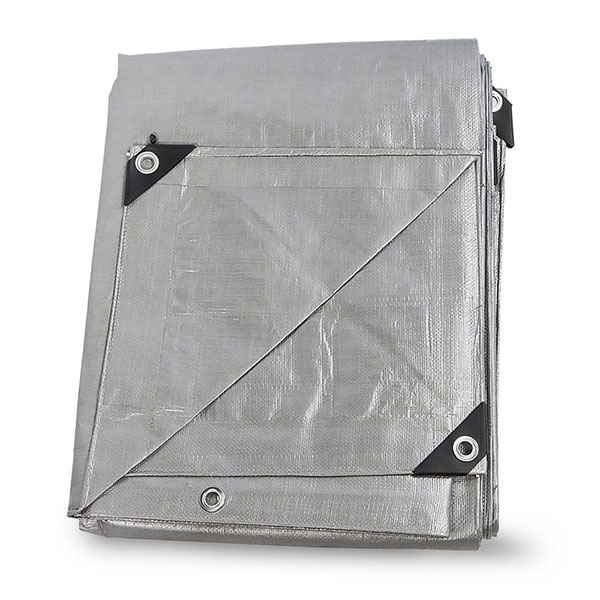
Protective-PE-Tarpaulin-Industrial-Truck-cover
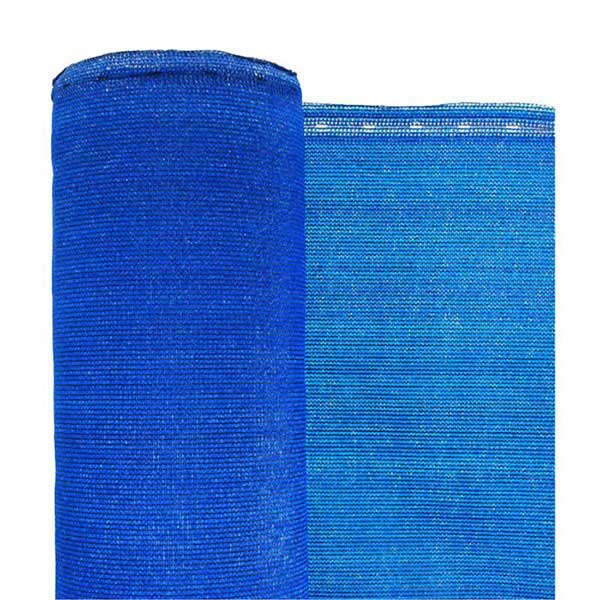
debirs-net-privacy-net-blue-roll-button-holes-1
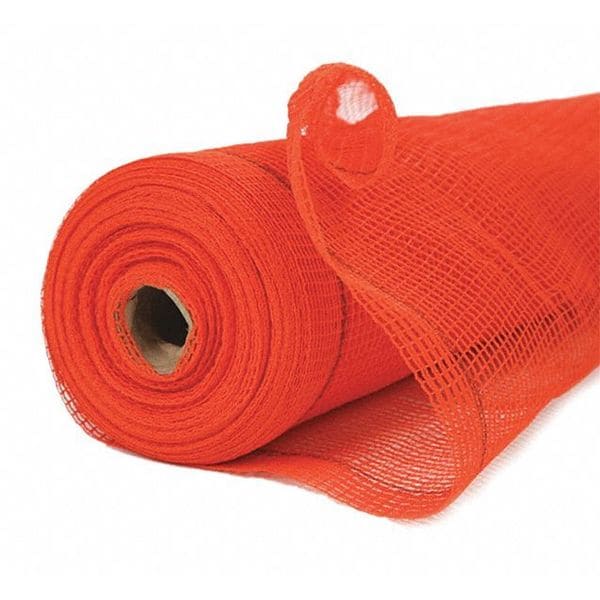
FR-Vertical-Debris-Net-Site-Protection
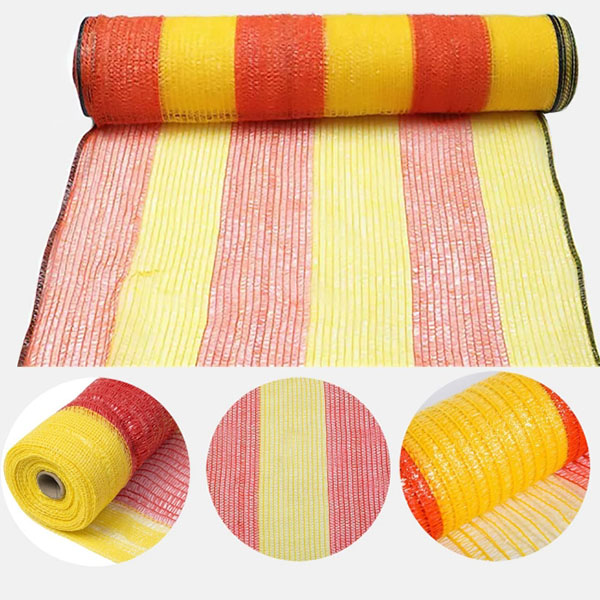
Orange-Yellow-Construction-Barrier-Mesh
Insulated-PE-Tarp-For-Outdoor-Winter-Protection

Enhanced Site Safety

Construction debris netting helps contain falling materials, tools, and waste generated during construction activities. This reduces the risk of injuries to workers, pedestrians, and nearby property.

Dust and Debris Control

The mesh structure helps limit the spread of dust and lightweight debris beyond the work area. This creates a cleaner construction environment and minimizes the impact on surrounding areas.

Weather-Resistant Durability

Manufactured from UV-stabilized HDPE, construction debris netting is designed to withstand prolonged outdoor exposure. It maintains strength and performance under sunlight, wind, and changing weather conditions.

Cost-Effective Site Protection

Construction debris netting provides an economical solution for perimeter protection and debris containment. It is lightweight, easy to install, and suitable for both short-term and long-term construction projects.

Why Choose Agrishade As Your Supplier?

AgriShade is a trusted manufacturer and wholesale supplier of construction safety debris netting solutions, serving buyers in over 30 countries. Our nets are designed to deliver reliable performance and comply with international quality standards, with every product tested for load capacity, UV resistance, and long-term durability. We also offer flexible OEM services, including custom specifications and private labeling, to meet different project and market needs. With stable production capacity and efficient bulk order support, AgriShade is committed to providing dependable supply and long-term cooperation for partners worldwide.

Products Categories
Get A Free Quote
Contact Form Demo (#3)

Construction Debris Netting Applications

Safety Debris Net For Scaffolding building
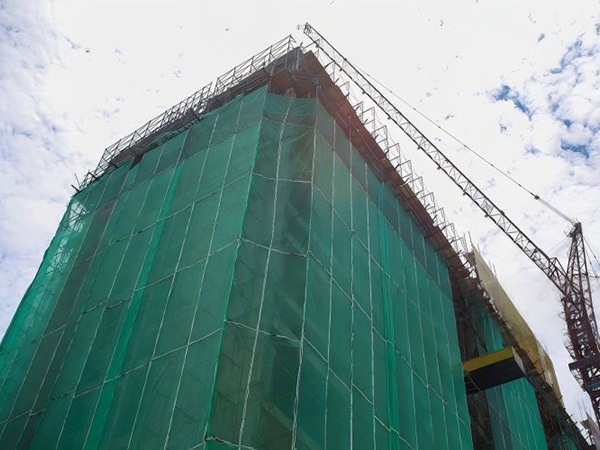
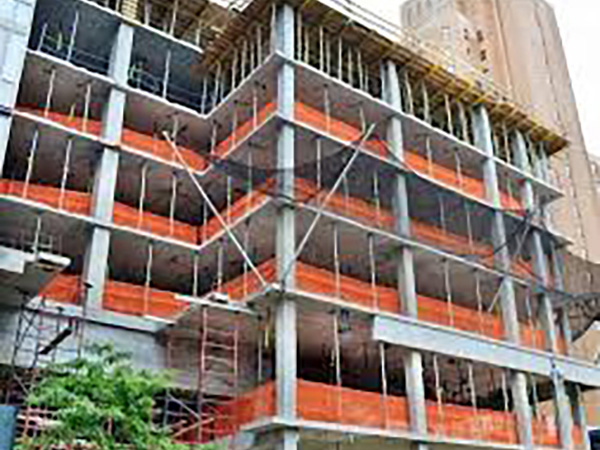
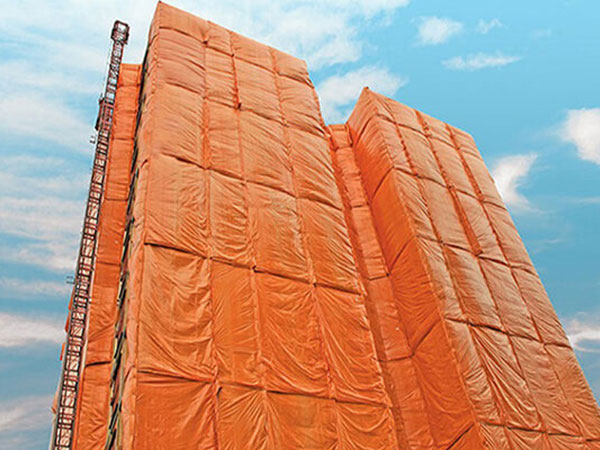
High-Rise Building Construction

Construction debris netting is used around multi-story buildings to prevent tools, debris, and construction waste from falling to lower levels or public areas during construction.

Fire-Retardant-orange-Vertical-Debris-Net
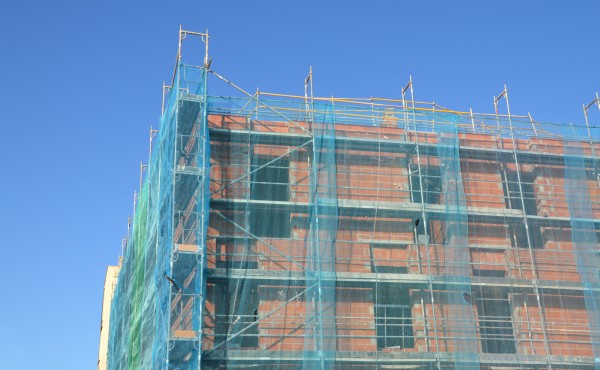
Scaffolding Protection

Construction debris netting is widely installed on scaffolding systems to contain falling materials and protect workers operating at height. It also helps improve site safety compliance.

Construction-warning-fence-Safety-Mesh
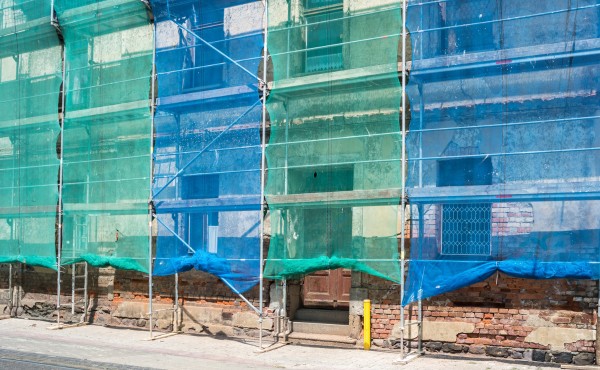
Renovation and Facade Work

Construction debris netting is used during building renovation or exterior facade upgrades to contain debris and reduce disruption to surrounding buildings and public spaces.

PE-Thermal-Concrete-Curing-Blanket-Construction-1
Bridge and Infrastructure Maintenance

Construction debris netting is commonly applied in bridge repair and infrastructure projects to prevent debris from entering roads, railways, or waterways below the work zone.

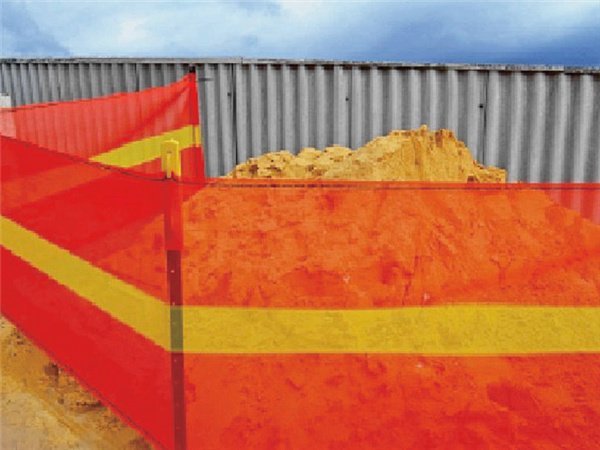
Temporary Site Enclosures

Temporary enclosures around active job sites. It helps define restricted work zones, improve security, and control the movement of dust and lightweight debris in open construction areas.

Demolition Projects
Demolition Projects

During demolition work, construction debris netting helps control falling fragments and reduce the spread of dust and hazardous particles around the site.

More Information

OEM and Custom Manufacturing Services

Available customization options include:

  • Custom roll dimensions
  • Custom mesh density
  • Private label production
  • Company logo printing
  • Custom packaging
  • UV protection levels
  • Flame-retardant treatment
  • Color customization

Industries We Serve

We supply wholesale construction debris netting for:

  • Construction companies
  • Scaffolding contractors
  • Building material distributors
  • Safety equipment suppliers
  • Government infrastructure projects
  • Engineering contractors
  • Industrial maintenance providers
  • Rental equipment companies

Debris Netting Installation Practices

Before installing construction debris netting, evaluate the project environment, including building height, wind exposure, pedestrian areas, and nearby traffic flow. Choose netting with suitable tensile strength, UV resistance, and flame-retardant performance based on actual site conditions. Accurate measurement also helps reduce material waste and ensure continuous coverage.

During installation, secure the netting firmly to scaffolding or support structures using reinforced ties, ropes, or locking clips at consistent intervals. Proper tensioning is important: loose netting may reduce debris containment, while excessive tension can cause tearing under wind pressure or site movement. Overlapping adjacent sections helps reduce gaps and improve overall protection.

Routine inspection should be included in daily or weekly site management. Check for damaged mesh, loose fasteners, worn edges, and weather-related deterioration. Timely repair or replacement helps extend service life, reduce safety risks, and avoid unexpected maintenance costs.

Key Benefits of HDPE Debris Netting

HDPE (high-density polyethylene) is one of the most popular materials for construction debris netting because of its strength, durability, and weather resistance. It performs reliably on construction sites where long-term safety protection is required.

Strong and Reliable Protection

HDPE debris netting offers high tensile strength and stable mesh spacing. This helps improve debris containment and provides safer protection for workers, pedestrians, and nearby property.

Excellent UV Resistance

Construction netting is often exposed to direct sunlight for long periods. HDPE remains flexible and durable even under strong UV exposure, helping reduce cracking, brittleness, and replacement costs.

Lightweight and Easy to Install

Despite its strength, HDPE is lightweight and easy to handle. Construction crews can install and move the netting more efficiently, helping reduce labor time on site.

Water and Chemical Resistance

HDPE does not absorb water and dries quickly after rain. It also resists dust, paint residue, cleaning chemicals, and temperature changes commonly found on active construction sites.

Construction Debris Netting Quality Testing

Test area What to check
Material Virgin HDPE/PE, UV-stabilized, correct GSM/weight
Mesh size Matches debris type; common small-debris mesh is about 1/4 inch
Tensile strength Breaking strength of yarn/net in warp and weft directions
Tear resistance Net should resist ripping and not unravel when cut
Edge strength Reinforced borders, eyelets, stitching, grommet pull-out strength
UV resistance Accelerated UV aging, then retest tensile strength
Flame retardancy NFPA 701 for U.S. specs, or EN 13501-1 fire class for EU specs
Dimensional accuracy Roll width, length, mesh opening, GSM tolerance
Visual inspection No holes, weak yarns, uneven weaving, broken edges, poor coating
Packaging/labeling Batch number, size, GSM, standard, manufacturer, test certificate

Construction Debris Netting Color Selection

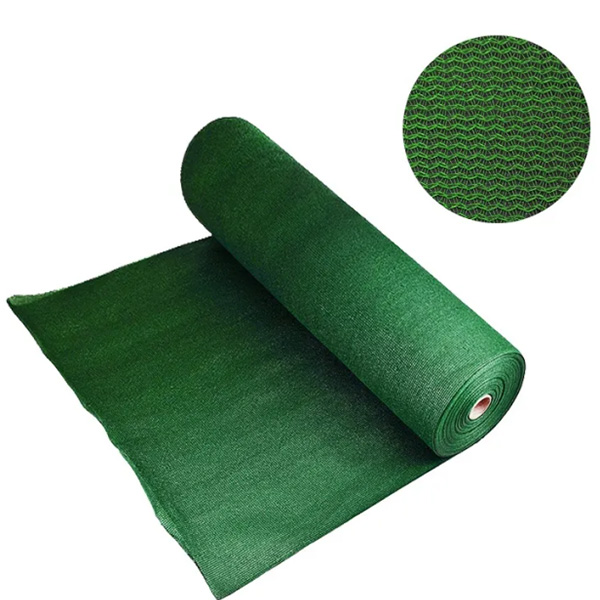
Green Debris Netting

Green debris netting is one of the most widely used options for residential buildings, renovation work, and city construction projects. It blends well with surrounding environments and reduces the visual impact of scaffolding and temporary structures. Green netting also provides good airflow and shade performance.

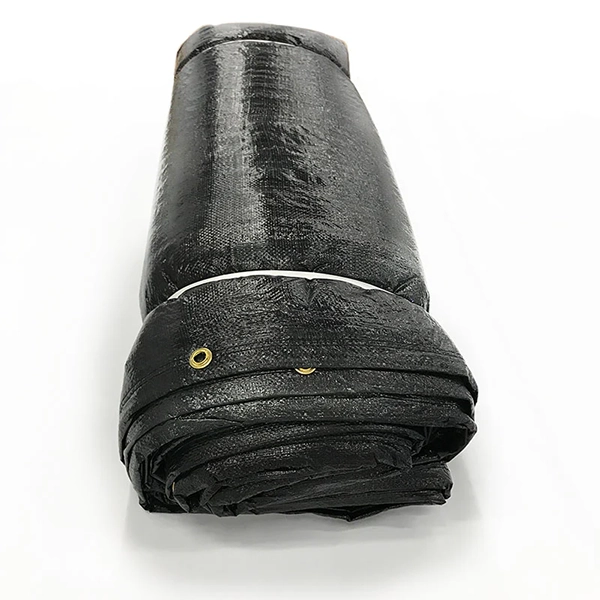
Black Debris Netting

Black construction netting is popular for high-rise buildings and modern construction projects. It creates a clean and professional appearance while helping hide dust, debris, and building materials from public view. Black netting usually offers strong UV resistance and long outdoor service life.

Orange Safety Netting

Orange debris netting is mainly used for roadwork, bridge construction, and hazardous work areas. Its bright color improves visibility for workers, pedestrians, and vehicles, making the construction site safer.

Blue Construction Netting

Blue scaffold netting is commonly used for industrial facilities, warehouses, and temporary weather protection. It provides clear visibility and a neat site appearance.

Important Selection Factors

Before choosing construction debris netting, consider:

  • Project location
  • Safety visibility requirements
  • Weather resistance
  • Dust control performance
  • Airflow and ventilation
  • Local construction standards

Flame-retardant vs. Standard Debris Netting

Use standard debris netting for routine debris containment where there is no meaningful ignition source. Use flame-retardant debris netting when the netting may be exposed to welding, cutting, grinding sparks, heaters, enclosed scaffold work, public-facing scaffolds, or project specs requiring FR certification.

What to check before buying

First, confirm the netting is appropriate for debris containment, not personnel fall arrest. OSHAโ€™s safety-net rule includes requirements such as maximum mesh size, impact resistance, proof-test labeling, and edge-rope strength for safety nets, but debris netting products are often specifically not intended as personnel fall-protection nets.

For flame-retardant netting, ask for a current certificate showing the exact test standard, such as NFPA 701 and EN 13501-1, and make sure the certificate applies to the exact product, color, roll size, and batch where possible.

For standard netting, focus on mesh opening, UV resistance, tear resistance, reinforced edges/buttonholes, airflow/wind load, and installation method. A tightly woven mesh catches finer debris and dust better, while a more open mesh reduces wind load on scaffolding.
FAQ

What is construction debris netting?

Construction debris netting is a heavy-duty mesh fabric installed around scaffolding, building perimeters, or open edges on job sites. It catches falling tools, materials, dust, and small debris to protect workers below, pedestrians, and nearby property. Made usually from high-density polyethylene (HDPE), it acts as both a safety barrier and windscreen while allowing some airflow.

Why is debris netting required on construction sites?

It prevents injuries and property damage from falling objects, which is one of the leading hazards on high-rise or renovation projects. Regulations like OSHA require it when work happens more than 25 feet above ground and other protections (like toeboards) aren’t enough. It also helps contain dust and reduces wind-related risks on scaffolds.

Whatโ€™s the difference between debris netting and fall arrest safety nets?

Debris netting primarily catches lightweight to medium debris, tools, and materials with smaller mesh sizes. Fall arrest nets are stronger and designed to safely catch a falling worker (higher impact load). Many sites use both together โ€” debris netting on the outside for containment and safety nets inside for personal fall protection.

What are OSHA requirements for construction debris netting?

OSHA (1926.105 and Subpart M) mandates safety nets when other fall protections are impractical. Key rules include:

  • Nets must extend at least 8 feet beyond the work surface.
  • Maximum mesh size is typically 6×6 inches.
  • They must withstand significant impact (tested to 17,500 lbs for new nets).
  • Proper clearance below to prevent hitting surfaces on impact. Always check local codes as they may be stricter.

How do you install debris netting on scaffolding?

Secure the netting vertically or horizontally to the scaffold frame using ties, clips, or hooks through reinforced borders. Overlap panels properly, ensure full enclosure of open sides, and tension it to avoid sagging. Install from the top down where possible, and have a competent person inspect it. Use UV-resistant, fire-retardant options for outdoor/long-term use.

What mesh size or strength is best for debris netting?

For general construction debris, 1/4″ to 1″ mesh is common. Smaller mesh (e.g., 1/4″) catches finer particles and dust better, while larger openings suit heavier debris. Choose based on project โ€” finer for urban sites near pedestrians, heavier-duty for high-impact areas.

Can debris netting withstand wind and weather?

Yes โ€” quality debris netting is designed with mesh that lets wind pass through to reduce load on scaffolding while still containing debris. Look for UV-stabilized and flame-retardant materials for long outdoor exposure. In very high-wind zones, combine with windscreen solutions or additional bracing.

Scroll to Top

Get A Free Quote Now !

Contact Form Demo (#3)
If you have any questions, please do not hesitate to contact us.
shade-net-manufacturing-knitting