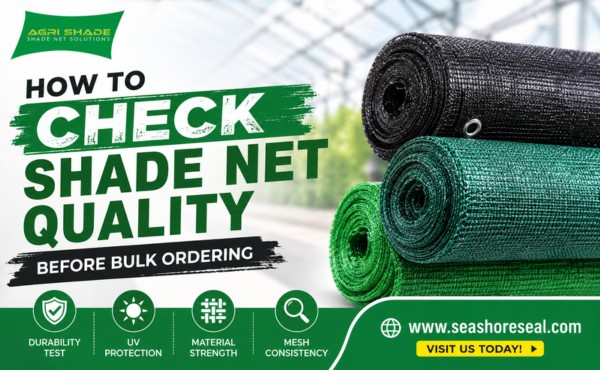
Requesting a sample from shade net manufacturers is the most important first step to check shade net quality. Ignoring this can lead to financial loss or weak crop protection, especially when dealing with bulk orders from shade net suppliers. A trusted shade netting supplier with strong supplier expertise helps ensure custom shade net solutions meet your needs. Shade nets must come from reliable manufacturers who understand shade net solutions and provide proper quality documents. Always choose a supplier who values quality and delivers the right shade net for your application.
Shade Net Material Quality
HDPE Quality
High-density polyethylene, or HDPE, is the main material used in most shade net products. When you check shade net quality, always ask the supplier about the grade of HDPE used. High-quality shade netting uses pure HDPE, which gives better strength and longer product durability.
Some suppliers may use recycled HDPE to lower costs. This can reduce the quality and lifespan of the shade net. Always ask for certifications that prove the use of pure HDPE in the product.
Virgin Material
Virgin material means the plastic has not been used or recycled before. Shade nets made from virgin material offer better UV resistance and higher durability. These nets are less likely to break down under sunlight or harsh weather.
Look for quality shade net options that clearly state the use of virgin material. Reliable suppliers will provide certifications to confirm this claim. These documents help you verify material quality before making a bulk purchase.
A table can help you compare the differences:
| Feature | Virgin Material | Recycled Material |
|---|---|---|
| UV Resistance | High | Low |
| Product Durability | Excellent | Poor |
| Certifications | Available | Rare |
Choosing shade net solutions made from virgin HDPE ensures better protection for crops and longer service life. Always review the certifications and test reports before placing a large order. This step helps you avoid low-quality shade nets and ensures your investment is safe.
UV Resistance for Outdoor Use
UV Treatment
UV treatment is a process that protects shade nets from sunlight damage. Manufacturers add special chemicals to the plastic during production. These chemicals help the net last longer when used outdoors.
A shade net with proper UV treatment will not become brittle or fade quickly. Ask your supplier if the net has been UV stabilized. Request documentation that proves the net meets outdoor use standards.
Aging Test
An aging test checks how well a shade net can resist sunlight over time. This test exposes the net to strong artificial light in a lab. The goal is to see if the net keeps its strength and color after many hours.
You can ask for aging test reports from your supplier. These reports show how the net performs under harsh conditions. A net that passes the aging test will offer better UV resistance for your crops.
Here is a simple checklist for buyers:
- Ask for UV treatment details.
- Request aging test reports.
- Check for product labels about outdoor use.
A shade net with high UV resistance will protect your crops and last longer. Always review test results before making a bulk order.
Shade Rate and Light Control
Shade Percentage
Shade percentage measures how much sunlight the shade net blocks. Most shade nets come in different shade percentages, such as 50%, 70%, or 90%. Farmers and growers select the right shade percentage based on the needs of their crops.
A higher shade percentage means less sunlight reaches the plants. This helps protect sensitive crops from heat and sunburn. Lower shade percentages allow more light, which suits plants that need more sunlight.
The table below shows common shade percentages and their uses:
| Shade Percentage | Typical Use |
|---|---|
| 50% | Vegetables, nurseries |
| 70% | Flowers, fruit trees |
| 90% | Greenhouses, orchids |
Choosing the correct shade net solutions ensures crops get the right amount of light and protection.
Light Uniformity
Light uniformity describes how evenly sunlight spreads under the shade net. Uniform light helps plants grow evenly and reduces stress. Poor light uniformity can cause uneven growth and weak plants.
Manufacturers design shade nets with consistent mesh patterns. This helps distribute light evenly across the growing area. Buyers should check samples for uniform mesh and consistent color.
A quality shade net provides balanced light for all plants. Uniform light supports healthy growth and improves crop yield. Always inspect samples before bulk ordering to ensure proper light control.
Mesh Structure and Weaving Quality
Mesh Uniformity
Mesh uniformity is important for consistent crop protection. A shade net with even mesh spacing allows light and air to pass through in a balanced way. Uneven mesh can cause weak spots and reduce effectiveness.
Buyers should inspect samples closely. Hold the net up to the light and look for gaps or irregular patterns. Uniform mesh helps prevent pests and ensures proper shading.
A table can help compare mesh uniformity:
| Feature | Uniform Mesh | Irregular Mesh |
|---|---|---|
| Light Control | Even | Uneven |
| Pest Protection | Strong | Weak |
| Durability | High | Low |
Weaving Strength
Weaving strength affects the durability of the shade net. Strong weaving prevents tearing and extends the net’s lifespan. Weak weaving can lead to holes and early damage.
Check the net by gently pulling at the edges and center. Quality nets resist stretching and do not unravel easily. Ask suppliers about the weaving method used.
- Warp and weft weaving gives extra strength.
- Knitted nets are flexible and less likely to fray.
- Tight weaving improves resistance to wind and weather.
Mesh structure and weaving quality are key factors when choosing a shade net. Inspect samples and ask for details before placing a bulk order.
Strength Testing Before Bulk Production
Tear Resistance
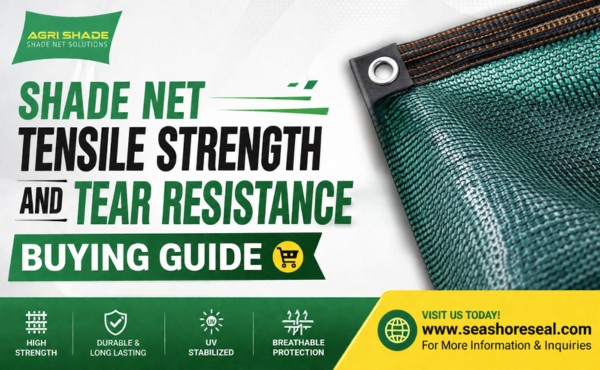
Tear resistance is a key factor in shade net quality. Manufacturers use tensile strength tests to measure how much force the net can handle before it tears. These tests help buyers understand the durability of the product.
A reliable supplier should provide certifications that show the results of these tests. Always ask manufacturers for official documents that confirm the net meets industry standards. These certifications help you compare products from different manufacturers.
Some manufacturers may use lower-quality materials to reduce costs. This can lead to weak tear resistance and shorter product life. Always check certifications before making a bulk order.
Edge Strength
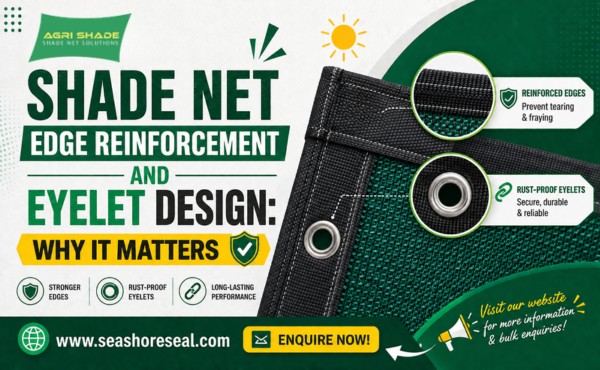
Edge strength is important for installation and long-term use. The edges of the shade net often face the most stress during setup and daily use. Manufacturers should reinforce the edges to prevent fraying and tearing.
Ask your supplier for details about edge reinforcement methods. Common methods include double stitching or adding a thicker border. Certifications from manufacturers can confirm that the edge strength meets required standards.
A table can help you compare edge reinforcement options:
| Edge Type | Reinforcement Method | Certification Available |
|---|---|---|
| Standard | Single Stitch | Sometimes |
| Reinforced | Double Stitch | Usually |
| Heavy Duty | Thick Border | Always |
Manufacturers who provide clear certifications show they value quality. This helps you make informed decisions before placing a bulk order.
Size, Weight, and Tolerance Details
Roll Size
Roll size is a key factor when ordering shade nets in bulk. Manufacturers usually offer standard roll sizes, such as 2 meters by 50 meters or 4 meters by 100 meters. Buyers should confirm the exact dimensions with the supplier before placing an order.
Some suppliers can provide custom roll sizes for special projects. Ask for a sample roll to verify the size and ensure it matches your requirements. Consistent roll size makes installation easier and reduces waste.
A table can help compare common roll sizes:
| Roll Width (meters) | Roll Length (meters) | Typical Use |
|---|---|---|
| 2 | 50 | Small gardens |
| 4 | 100 | Large farms |
| 3 | 100 | Greenhouses |
Net Weight
Net weight shows the mass of the shade net per square meter. This value affects durability and performance. Heavier nets usually last longer and provide better protection.
Manufacturers list net weight in grams per square meter (gsm). Buyers should ask for this information and compare it across different products. A higher gsm means a stronger net.
Tolerance details are also important. Suppliers should provide information about acceptable variations in weight and size. Small differences are normal, but large gaps may signal poor quality.
- Check the product label for net weight.
- Ask for tolerance details in writing.
- Compare net weight with industry standards.
Accurate size and weight details help buyers make informed decisions. These checks ensure the shade net meets project needs and quality expectations.
Packaging and Shipping Requirements
Roll Packing
Proper roll packing protects shade nets during transport and storage. Manufacturers usually wrap each roll in plastic film to keep out moisture and dust. Some suppliers use extra layers, such as woven bags or cardboard, for added protection.
A table can help you compare packing options:
| Packing Type | Protection Level | Common Use |
|---|---|---|
| Plastic Film | Basic | Short-distance |
| Woven Bag | Medium | Export shipments |
| Cardboard Wrap | High | Fragile products |
Good packing prevents damage and keeps the net clean. It also makes handling easier during installation.
Export Labels
Export labels provide important information for shipping and customs. Each roll should have a label with product details, such as size, weight, and shade percentage. Labels also include batch numbers and manufacturing dates.
Export labels must follow international standards. Suppliers should use clear and durable labels that stay attached during transport. Some labels include QR codes for easy tracking.
A checklist for buyers:
- Confirm product details on the label.
- Check for batch numbers and dates.
- Ask for sample labels before bulk ordering.
Clear export labels help avoid confusion and speed up delivery. They also make it easier to track and manage inventory.
Samples and Quality Documents
Sample Testing
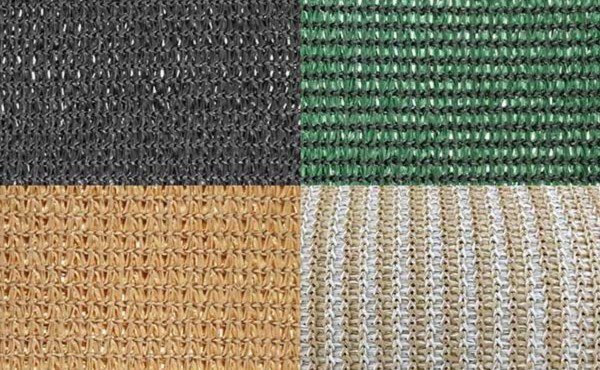
Requesting a sample is a smart way to check shade net quality before making a large purchase. Shade net manufacturers often provide samples so buyers can perform their own quality checks. Testing a sample helps you see if the shade net meets your needs for strength, color, and durability.
Buyers should look for even mesh, strong weaving, and proper shade percentage. Simple tests, like stretching or holding the net up to the light, reveal a lot about quality. These steps help you compare products from different shade net suppliers.
Test Reports
Test reports are important documents that show the results of professional quality control. Shade net manufacturers should provide certifications or test reports for their products. These reports include details about UV resistance, tear strength, and other key features.
A good test report makes verification easy. It shows that the shade net passed strict quality checks. Shade net suppliers who share these documents show they care about quality and customer trust.
Here is a checklist for reviewing test reports:
- Confirm the product matches your sample.
- Check for results on UV resistance and tear strength.
- Make sure the report comes from a trusted lab.
Test reports and sample testing work together to help you check shade net quality. Always ask for both before placing a bulk order. This process protects your investment and ensures you get the best quality.
Conclusion
Buyers should always request samples and review quality documents before ordering shade nets. Careful inspection of shade nets, including material, UV resistance, and strength, helps prevent costly mistakes. Use a checklist to compare shade net options and select the best shade net solutions for your needs. Following these steps ensures that shade nets provide reliable protection and long-lasting value.