Cotton farming has become increasingly mechanized, especially in major production regions such as Brazil, the United States, and Australia. Large-scale farms and cooperatives face the challenge of maintaining efficiency, ensuring bale integrity, and optimizing operational costs.
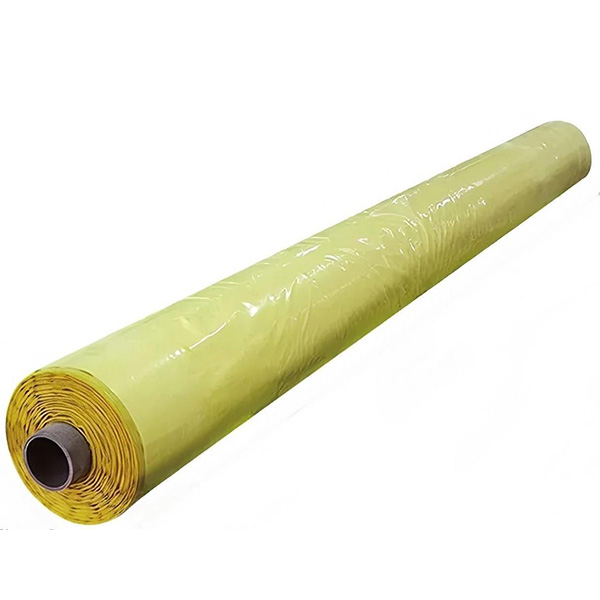
Among the most critical components of a successful harvest is the cotton wrap film, which protects the cotton during baling, storage, and transportation. While price is often a primary consideration, material performance, manufacturing quality, mechanical compatibility, and environmental durability determine the real value for bulk buyers.
This guide provides a detailed, expert-oriented overview of the key parameters that influence high-performance cotton wrap film selection.
Material Performance: Foundation for Reliable Wrapping
The starting point for evaluating cotton wrap film is its material composition. The polymer choice, molecular structure, and additives dictate tensile strength, elasticity, and resistance to tearing—critical properties for maintaining bale integrity in large-scale operations. Modern high-performance films often use Metallocene Linear Low-Density Polyethylene (mLLDPE) in their core layers. This polymer is renowned for its uniform molecular structure, which enhances puncture resistance, flexibility, and clarity.
The proportion of mLLDPE in the film is particularly significant. Higher percentages improve durability under stress, enabling the film to withstand the repeated tension applied by high-speed balers. This is vital for farms operating with thousands of bales per season, where a single roll failure can disrupt operations and increase labor costs. Moreover, mLLDPE contributes to uniform elongation, preventing unexpected tearing or stretching during deployment.
Beyond core composition, films must balance elasticity and surface smoothness. The right combination ensures smooth unrolling, consistent adhesion to the bale, and minimal material waste. Resistance to abrasion and environmental changes—such as temperature fluctuations and humidity—also plays a crucial role in operational reliability. Films that degrade under heat or moisture risk producing uneven bales and increased downtime for machine adjustments.
Manufacturing Techniques and Structural Design
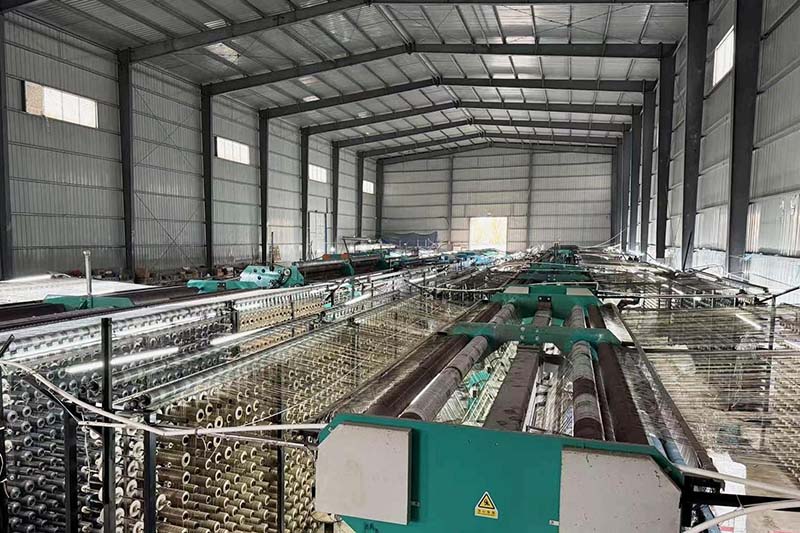
The manufacturing process directly influences the performance characteristics of cotton wrap film. Modern high-performance films are produced using extrusion technologies, often featuring multi-layer co-extrusion. Unlike single-layer films, multi-layer designs distribute mechanical stresses more effectively, providing a combination of strength, elasticity, and surface protection. Typically, films are constructed in three or five layers, each serving a specialized function:
- Outer layer: Provides abrasion resistance and environmental protection.
- Intermediate/core layers: Impart mechanical strength and elasticity.
- Inner layer: Ensures adhesion to the cotton surface while minimizing friction during wrapping.
Multi-layer co-extrusion allows manufacturers to fine-tune each layer’s composition, thickness, and molecular orientation. This results in a film that can resist tearing and puncture under high-speed machine operation while maintaining flexibility. Thickness uniformity and dimensional precision are also critical: variations can lead to inconsistent wrapping, machine jams, and wasted material.
By integrating mLLDPE strategically within the core layers, manufacturers achieve enhanced puncture resistance and elastic recovery. When applied to real-world harvesting conditions, these films perform reliably across a range of temperatures, humidity levels, and field conditions. The combination of sophisticated co-extrusion technology and high-grade polymers ensures that films meet the rigorous demands of large-scale, mechanized cotton operations.
Mechanical Compatibility and Operational Efficiency
Large-scale cotton operations rely on sophisticated harvesting and baling equipment, such as John Deere CP690 and CP770 series machines. Selecting a wrap film that integrates seamlessly with these systems is critical. Mechanical compatibility encompasses several dimensions:
- Roll dimensions: Core diameter, width, and weight must match machine specifications.
- Tension control: Proper calibration prevents slippage, tearing, or uneven wrapping.
- Machine speed performance: Films must withstand rapid deployment rates without failure.
High-quality contton wrap film enhances operational efficiency by reducing machine stoppages, minimizing labor intervention, and maintaining consistent bale density. Conversely, incompatible films increase downtime, accelerate wear on equipment, and can compromise bale integrity.
When evaluating bulk suppliers, large-scale buyers should request technical data confirming full compatibility with existing harvesting equipment. Field trials on representative machines can further ensure the film meets the farm’s operational demands before committing to season-long purchases.
| Feature / Parameter | Typical Range / Standard | Operational Benefit |
|---|---|---|
| Film Structure | 3-layer / 5-layer co-extrusion | Balanced strength, flexibility, adhesion |
| Core Polymer | mLLDPE 60–80% | High puncture resistance, elasticity |
| Thickness | 15–20 µm | Uniform wrapping, smooth unrolling |
| Roll Width | 12–24 in | Fits standard balers without modification |
| Machine Compatibility | John Deere CP690 / CP770 | High-speed deployment without tearing |
| UV Resistance | ≥12 months | Maintains strength in tropical/sunny regions |
Environmental Durability and UV Resistance
Cotton bales are often stored in open fields for extended periods, exposing films to sunlight, wind, rain, and temperature fluctuations. Films must therefore be formulated to resist environmental degradation. High-performance cotton wrap films feature UV stabilization and enhanced weather resistance, ensuring consistent performance throughout storage and transportation.
One key benchmark for durability is at least 12 months of UV resistance. Films achieving this standard maintain tensile strength, elasticity, and adhesion even in regions with intense sunlight, such as northern Brazil and parts of Australia. Prolonged exposure to UV radiation without adequate stabilization can lead to brittleness, cracking, and loss of mechanical integrity, which compromises bale protection and increases material waste.
Environmental durability also encompasses resistance to moisture, thermal expansion, and potential chemical exposures during transport. A film that maintains its structural and mechanical properties under these conditions ensures both cotton quality and operational efficiency.
Operational Performance and Handling
The ease of use and handling properties are often overlooked but are critical in large-scale operations. Films must unroll smoothly, adhere consistently to bales, and allow rapid wrapping without tearing. Mechanical properties such as elasticity, elongation recovery, and surface finish directly influence these operational characteristics.
Additionally, high-performance films contribute to labor and cost efficiency. Reduced material breakage, fewer machine stoppages, and minimal rework translate to lower operational costs, especially when handling thousands of bales per season. A film that performs reliably in continuous, high-load operations ensures consistent bale quality while maximizing throughput.
Quality Assurance and Procurement Considerations
Bulk buyers must also consider supplier reliability and quality assurance protocols. Key factors include:
- Consistency in large-volume production: Batch-to-batch uniformity is essential to prevent operational variability.
- Technical documentation: Certificates of analysis, test reports, and third-party verification provide confidence in performance claims.
- Supply chain stability: Reliable delivery schedules, warehouse logistics, and inventory management prevent downtime during peak harvest periods.
- Cost-performance balance: Price per roll is secondary to operational efficiency and long-term material reliability.
| Consideration | Recommended Approach | Notes |
|---|---|---|
| Sample Testing | Test rolls on representative balers | Verify mechanical compatibility |
| Batch Consistency | Supplier provides COA / batch report | Ensure uniform performance |
| Volume | Align roll quantity with season needs | Avoid mid-season shortage |
| Delivery & Logistics | Confirm lead times and transport conditions | Critical for remote farms |
| Cost Analysis | Evaluate cost per bale / operational efficiency | Cheaper film may increase downtime |
Optional Functional Enhancements
Depending on operational requirements, buyers may also consider films with additional functional enhancements:
- Moisture and dust resistance for challenging environmental conditions.
- Temperature or chemical resistance for storage or transport under variable conditions.
- Biodegradability or recyclability to meet sustainability goals.
- Custom printing, color coding, or branding for organizational efficiency and traceability.
These features, while secondary to core performance, can enhance operational workflow, compliance, and environmental responsibility.
Conclusion
Selecting the right cotton wrap film is a multifaceted decision for large-scale farms and cooperatives. Performance, durability, operational efficiency, and supplier reliability must all be considered. High-performance films integrate advanced manufacturing techniques, optimized material composition, mechanical compatibility, and environmental durability to provide reliable, consistent protection for cotton bales.
For bulk buyers in Brazil, the United States, and Australia, prioritizing these parameters ensures:
- Reduced machine downtime and labor costs
- Protection of cotton quality during storage and transportation
- Operational efficiency across high-speed, continuous harvests
- Long-term value and reliability across multiple seasons