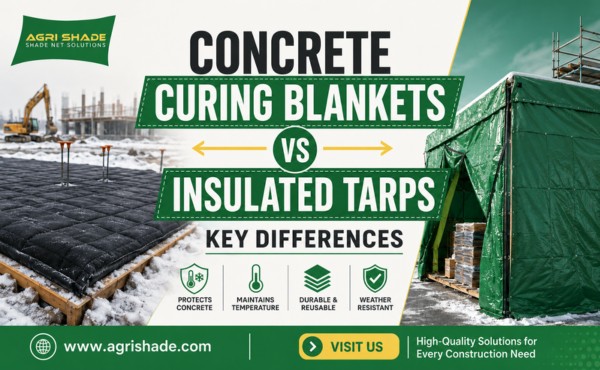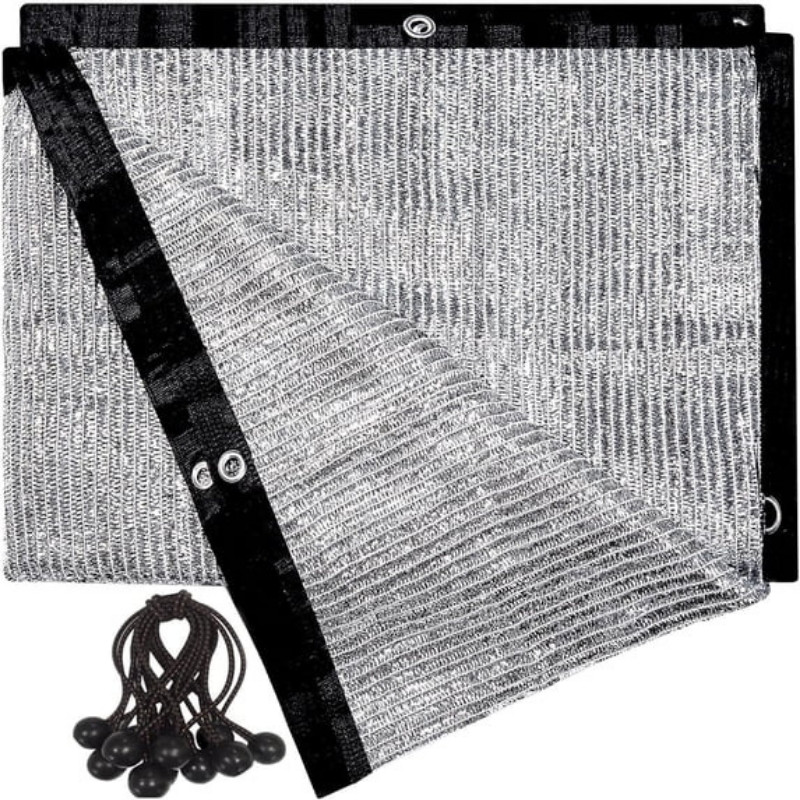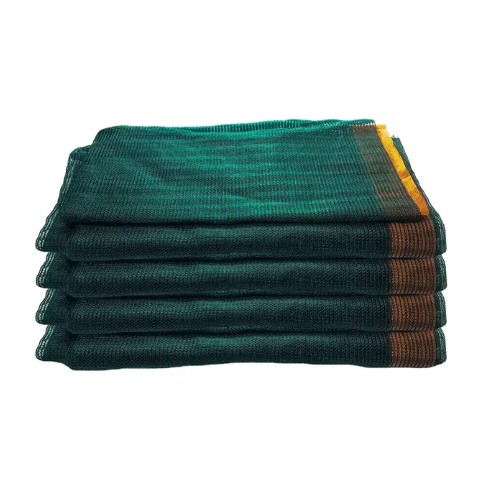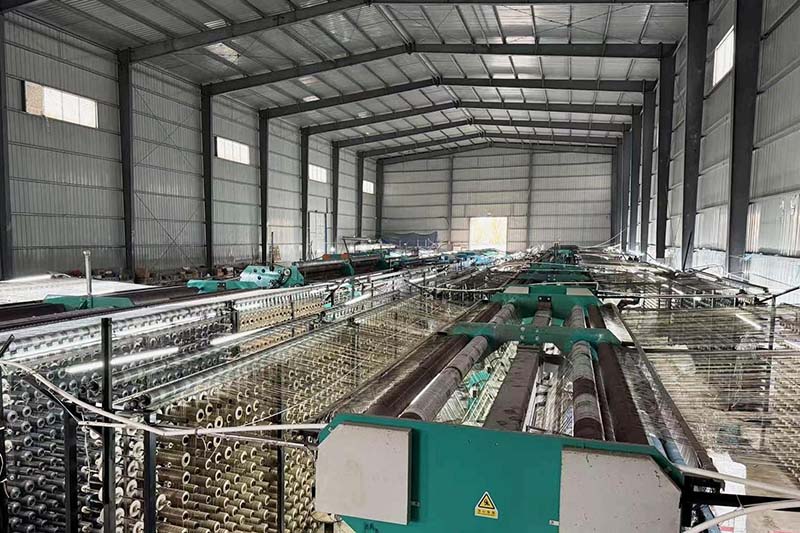
Concrete curing blankets and insulated tarps serve different roles in concrete curing. Curing blankets deliver direct heat to the surface, while insulated tarps only help prevent heat loss. Proper curing is essential in cold weather conditions to avoid weak concrete and cracks.
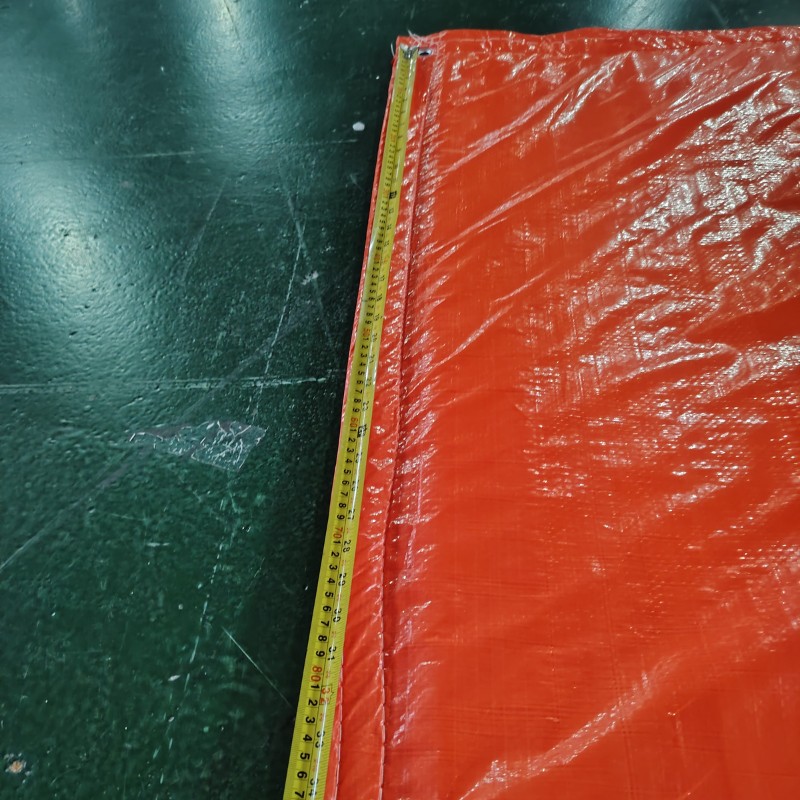
Concrete Curing Blankets Overview
What Are Concrete Curing Blankets?
Concrete curing blankets are specialized covers designed to help concrete set properly in cold weather. These blankets often contain insulation and heating elements. Heated concrete blankets are a type of curing blanket that can provide warmth directly to the concrete surface.
How Curing Blankets Work
Curing blankets work by trapping heat and sometimes adding extra warmth to the concrete. Heated concrete blankets use built-in electric heating wires to deliver steady heat. This process keeps the temperature above freezing, which is important for proper curing and strength development.
The insulation in curing blankets slows down heat loss. This helps maintain a stable environment for curing. The direct heat from heated concrete blankets speeds up the curing process, especially in very cold conditions.
Main Uses for Concrete Curing
Curing blankets are used when concrete curing must happen in low temperatures. Construction crews use them for sidewalks, driveways, foundations, and other outdoor projects. Heated concrete blankets are especially useful for projects that need fast results or where weather conditions are harsh.
Main uses include:
- Protecting fresh concrete from freezing
- Speeding up curing time in winter
- Ensuring strong, crack-free surfaces
Curing blankets are a reliable choice for jobs that require consistent curing. They help prevent weak spots and surface defects. Using curing blankets can make a big difference in the quality of finished concrete.
Insulated Tarps Overview
What Are Insulated Tarps?
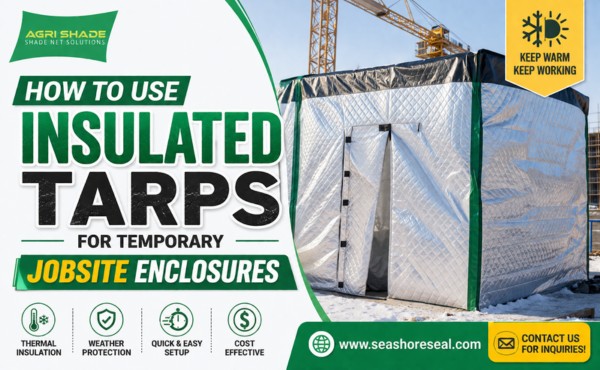
Insulated tarps are protective covers used in construction. These tarps have layers of insulation material sandwiched between tough outer fabrics. Their main purpose is to help maintain temperature during curing and other construction activities.
Insulated tarps do not generate heat. They act as a barrier to slow down heat loss from concrete or other surfaces. Many construction teams use them to cover fresh concrete during curing.
How Insulated Tarps Work
Insulated tarps trap heat that comes from the concrete or the environment. The insulation inside the tarps reduces the rate at which heat escapes. This helps keep the temperature steady during the curing process.
These tarps are lightweight and flexible. Workers can place them over large or oddly shaped areas. This makes them a practical choice for many construction projects that involve curing.
Uses in Construction and Concrete Projects
Insulated tarps have many uses in construction. They cover curing concrete slabs, walls, and columns. They also protect materials and equipment from cold weather.
Common uses for insulated tarps in concrete curing:
- Covering freshly poured concrete to slow heat loss
- Protecting curing surfaces from wind and snow
- Helping protect concrete surfaces from wind, snow, and rapid temperature changes.
Insulated tarps are valuable for concrete work in mild to moderate cold. They support curing by keeping temperatures stable. For extreme cold, other methods may be needed to ensure proper concrete curing.
Concrete Curing Blankets vs Insulated Tarps Comparison
Insulation and Heating Performance
Concrete curing blankets deliver direct heat to the surface. Heated concrete blankets use electric wires to warm the concrete. Insulated tarps only trap existing heat and slow down heat loss.
Curing blankets provide active temperature control. Insulated tarps offer passive insulation.
| Product | Insulation | Heating | Temperature Control |
|---|---|---|---|
| Concrete Curing Blankets | High | Yes | Active |
| Insulated Tarps | Moderate | No | Passive |
Concrete curing blankets perform better in cold weather conditions. Insulated tarps work well when the environment is not extremely cold.
Effectiveness for Concrete Curing
Curing blankets help maintain the temperature required for proper hydration, allowing concrete to achieve its designed strength. They protect against freezing and support the strength of concrete.
Insulated tarps slow heat loss but do not add warmth. They work best for curing in mild cold weather conditions.
Concrete curing blankets improve curing performance in harsh climates. Insulated tarps support curing but may not prevent freezing.
Ease of Use and Handling
Insulated tarps are lightweight and flexible. Workers can cover large or odd-shaped areas easily.
Curing blankets are heavier and require careful placement. Heated concrete blankets need access to power.
Both products are simple to use in construction. Insulated tarps are easier to move and store.
Cost and Durability
Curing blankets cost more than insulated tarps. The price reflects their heating ability and insulation.
Insulated tarps are affordable and reusable. They last through many construction projects.
Curing blankets are durable but may need repairs if damaged.
| Product | Cost | Durability | Maintenance |
|---|---|---|---|
| Concrete Curing Blankets | Higher | High | Moderate |
| Insulated Tarps | Lower | High | Low |
Best Use Cases
Concrete curing blankets are ideal for curing in cold weather conditions. They help with prevention of cracks and support the strength of concrete.
Insulated tarps suit projects in mild climates or where only insulation is needed. They protect curing surfaces from wind and snow.
Construction teams select products based on curing needs, climate, and budget. Both options play a role in temperature control and curing performance.
Pros and Cons of Curing Blankets and Insulated Tarps
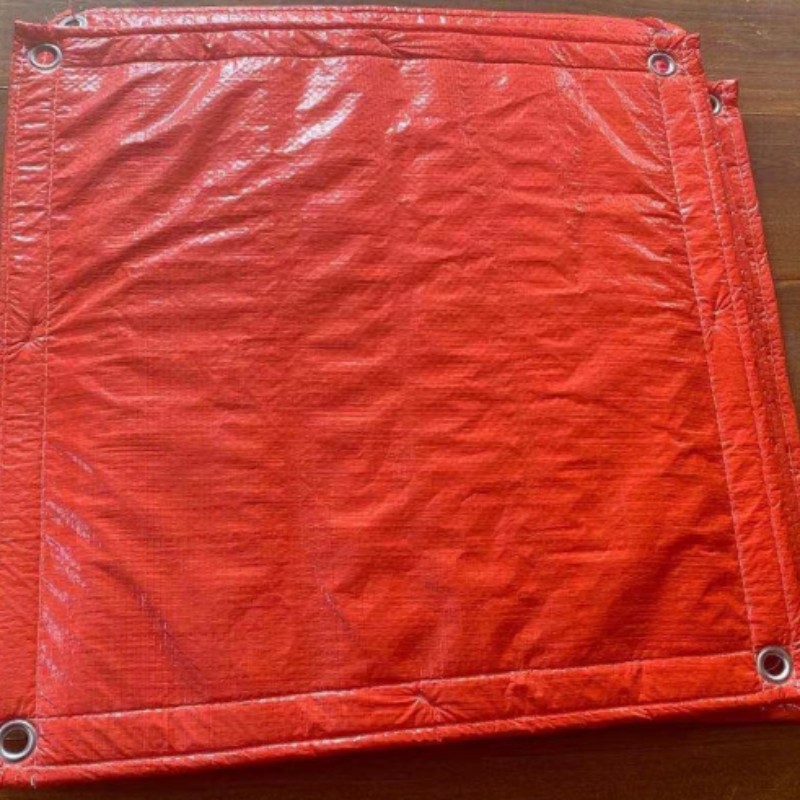
Curing Blankets: Pros and Cons
Curing blankets offer strong protection for concrete in cold weather. They provide direct heat, which helps the curing process continue even when temperatures drop. This makes them a top choice for winter projects.
Pros:
- Supply steady heat for faster curing.
- Prevent freezing and cracking in concrete.
- Support strong and durable surfaces.
Cons:
- Heavier and harder to move than insulated tarps.
- Need a power source if heated.
- Cost more than other options.
Insulated Tarps: Pros and Cons
Insulated tarps help keep heat in during the curing process. They do not add heat but slow down heat loss from concrete. These tarps work best for curing in mild or moderate cold.
Pros:
- Lightweight and easy to handle.
- Cover large or odd-shaped areas.
- Reusable for many curing projects.
- Lower cost than curing blankets.
Cons:
- Do not provide extra heat for curing.
- May not prevent freezing in very cold weather.
- Less effective for fast or critical curing needs.
Both products help with curing, but each has its strengths. Curing blankets work well for harsh climates and important projects. Insulated tarps suit general curing needs and offer flexibility for many construction jobs.
Choosing the Right Option for Concrete Curing
Concrete curing blankets and insulated tarps have different roles in curing. Curing blankets give direct heat, which helps curing in cold weather. Insulated tarps only slow heat loss during curing. For projects in harsh climates, curing blankets offer better results. Insulated tarps work for mild conditions or when only insulation is needed. Always check your project needs and climate before choosing a curing method.
Conclusion
Concrete curing blankets vs insulated tarps comes down to heat control, curing conditions and project risk. Curing blankets are better for cold weather, faster strength development and freeze protection, while insulated tarps offer flexible, cost-effective coverage for milder conditions.
Choosing the right option helps protect concrete quality, reduce cracking risks and improve jobsite efficiency, making proper curing protection essential for durable construction results.