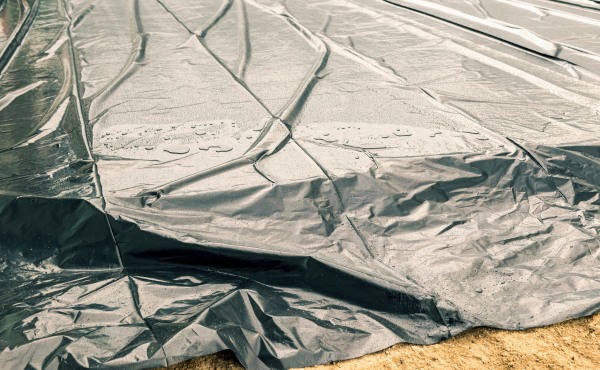
Wholesale buyers can identify high-quality PE tarpaulin by focusing on clear and measurable qualities. Material quality sets the foundation for high-quality tarpaulin. Durability, construction details, and performance features such as UV resistance or waterproofing also matter. Supplier credibility and practical evaluation help buyers select high-quality tarps. Use hands-on inspection and sample testing to confirm the real value of each tarp.
- Material quality
- Durability
- Performance features
- Construction
- Supplier credibility
- Practical evaluation
Material Quality of High-Quality PE Tarpaulin
A high-quality PE tarpaulin starts with the right material. Material quality affects every aspect of a tarp’s performance, from strength to lifespan. Wholesale buyers should focus on the type of polyethylene used, the purity of the material, and the presence of additives that boost durability. These factors help determine if a tarp can handle demanding environments or heavy loads.
PE Grades and Types
Polyethylene, or PE, comes in different grades. High-density polyethylene (HDPE) and low-density polyethylene (LDPE) are the most common. HDPE offers greater tensile strength and is often used for high-quality pe tarpaulin. LDPE provides more flexibility but less strength. Buyers should check the grade because it impacts the tarp’s ability to resist stretching and tearing. High-quality PE tarpaulin made from HDPE can support heavy-duty industrial-grade tarps, while LDPE is better for medium-duty tarps. The grade also affects the gsm, which stands for grams per square meter. A higher gsm means a thicker, stronger tarp. For high-quality tarps, a gsm of 150 to 300 is typical, but heavy-duty industrial-grade tarps may reach 300 gsm or more.
Tip: Always ask suppliers for the gsm rating and PE grade. This information helps compare different tarpaulin options quickly.
Virgin vs. Recycled Material
The source of the polyethylene matters. Virgin PE is made from new, unused resin. It gives high-quality PE tarpaulin a smooth finish, consistent thickness, and reliable strength. Recycled PE uses reprocessed plastic. This can lower costs but may reduce durability and lead to weak spots. High-quality pe tarpaulin usually uses virgin PE for the main layers, especially in applications where strength and longevity are critical.
Some tarps blend virgin and recycled material to balance cost and performance. Buyers can check for recycled content by looking for uneven color, rough texture, or inconsistent gsm across the tarp. Virgin PE tarps feel smoother and have uniform gsm throughout.
Additives for Durability
Additives play a key role in the performance of high-quality PE tarpaulin. UV stabilizers protect the tarp from sunlight, preventing brittleness and fading. Anti-aging agents extend the lifespan of the material. Some tarps include fire retardants or anti-fungal treatments for special uses. These additives help high-quality tarps maintain their strength and appearance over time.
The right mix of additives ensures the tarp can withstand harsh weather, chemicals, and repeated use. Buyers should ask suppliers about the types of additives used and request documentation if possible. A high-quality PE tarpaulin with proper additives will show less wear and tear, even after long periods outdoors.
| Feature | Virgin PE | Recycled PE |
|---|---|---|
| Surface | Smooth, uniform | Rough, uneven |
| gsm Consistency | High | Variable |
| Durability | Excellent | Lower |
| Typical Use | High-quality tarps | Budget or short-term tarps |
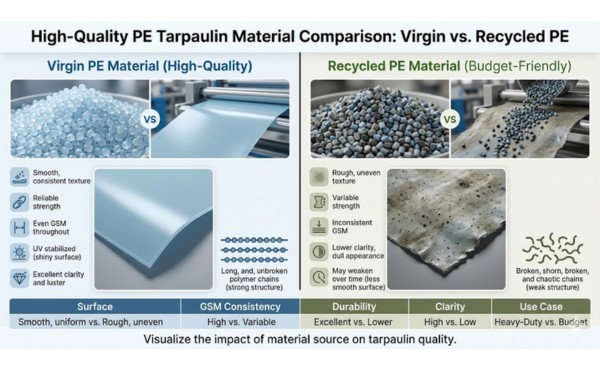
Material quality, gsm, and the right additives set high-quality PE tarpaulin apart from lower-grade options. Buyers who focus on these details can select tarpaulin that meets the demands of their business and delivers long-lasting value.
Weave Density, Thickness, and Construction
Weave Count and Strength
Weave count measures how many threads run in each direction per square inch. A higher weave count means the tarp has more threads packed closely together. This tight weave gives the material extra strength and helps prevent tearing. Wholesale buyers should look for tarps with a dense weave, especially for heavy-duty use. A tight weave also blocks more sunlight and water, making the tarp more reliable in harsh weather.
Tip: Hold the tarp up to the light. If you see many small holes, the weave is loose. A high-quality tarp will let very little light through.
GSM and Thickness Standards
GSM stands for grams per square meter. This number tells you how thick and heavy the tarp is. A higher GSM means a thicker and stronger tarp. For heavy-duty jobs, a GSM of 300 or more is best. Thicker tarps last longer and resist damage from wind, rain, and rough handling. Buyers should always ask for the GSM rating before making a purchase.
| GSM Range | Use Case | Durability Level |
|---|---|---|
| 100-150 | Light covers | Low |
| 150-300 | General purpose | Medium |
| 300+ | Heavy-duty, outdoor | High |
Reinforced Seams and Rust-Resistant Grommets
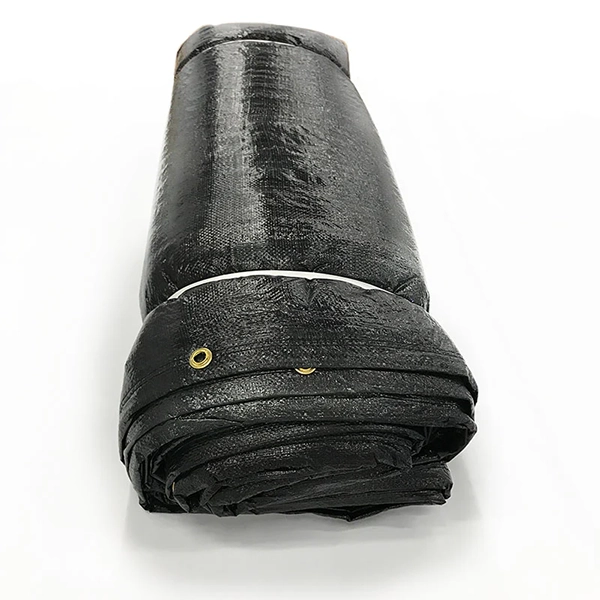
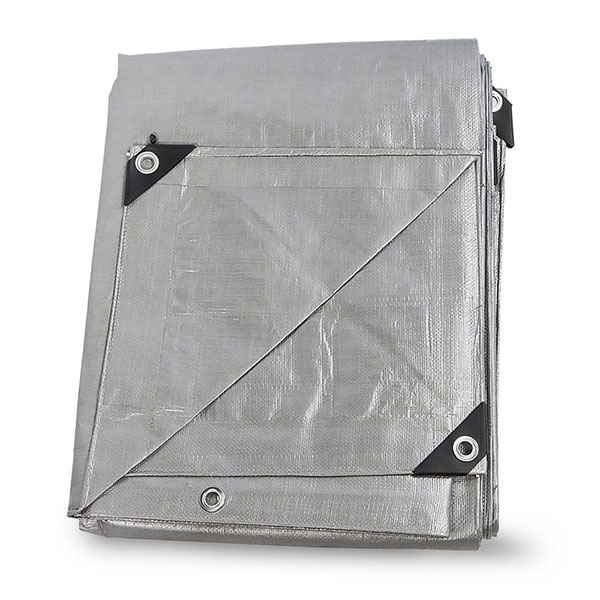
Construction details matter as much as material quality. Reinforced seams use extra stitching or heat sealing to stop the edges from fraying. Strong seams keep the tarp from splitting under stress. Grommets are metal rings placed along the edges. Rust-resistant grommets last longer and make it easy to tie down the tarp. Buyers should check that grommets are spaced evenly and feel sturdy. These small details help the tarp perform well in tough conditions.
Paying attention to weave, thickness, and construction details helps buyers choose tarps that last longer and work better.
Performance Features of High-Quality Tarpaulin
High quality PE tarpaulin must deliver more than just basic coverage. Buyers should focus on three main performance features: UV resistance, waterproofing, and tear and chemical resistance. These features help tarps last longer and perform better in tough conditions.
UV Resistance
Sunlight can damage tarps over time. UV resistance protects high quality PE tarpaulin from the harmful effects of ultraviolet rays. Without this feature, tarps may become brittle, fade, or crack after long exposure to the sun. UV resistance comes from special additives mixed into the polyethylene during manufacturing. These additives block or absorb UV rays, keeping the tarp strong and flexible.
A tarp with good UV resistance will last longer outdoors. It will keep its color and shape, even in hot and sunny climates. Buyers should ask suppliers if the tarpaulin has UV stabilizers. They can also look for documentation or test results that show how well the tarp resists sunlight.
Tip: Place a sample tarp in direct sunlight for a few days. Check for changes in color or texture. High quality PE tarpaulin with strong UV resistance will show little to no change.
Waterproofing
Waterproofing is a key feature for any tarp used outdoors. High quality PE tarpaulin must keep water out, even during heavy rain. Manufacturers achieve waterproofing by using dense weave patterns, thick coatings, and special treatments. These methods stop water from passing through the material.
A waterproof tarpaulin protects goods, equipment, and surfaces from moisture. It prevents leaks and keeps everything dry underneath. Buyers should check the tarp for a smooth, sealed surface. They can pour water on a sample to see if any moisture seeps through. High quality PE tarpaulin should not absorb water or allow drops to pass.
- Signs of strong waterproofing:
- Water beads up and rolls off the surface.
- No damp spots appear on the underside.
- Edges and seams are tightly sealed.
Waterproofing also helps with durability. A tarp that resists water will not rot or weaken as quickly. This means less frequent replacements and lower costs over time.
Tear and Chemical Resistance
Tough jobs require PE tarps that can handle stress and exposure to harsh substances. High quality PE tarpaulin offers excellent tear and chemical resistance. Tear resistance comes from strong materials, tight weaves, and reinforced seams. This feature prevents small cuts or holes from spreading across the tarp.
Chemical resistance is important in industrial settings. Tarps may come into contact with oils, acids, or cleaning agents. High quality PE tarpaulin resists damage from these chemicals. It keeps its strength and shape, even after spills or splashes.
| Feature | Benefit |
|---|---|
| Tear resistance | Prevents rips from spreading |
| Chemical resistance | Protects against oils, acids, and more |
| Abrasion resistance | Withstands rubbing and scraping |
Buyers should test a sample by pulling or stretching it. They can also check for certifications that prove tear and abrasion resistance. For chemical resistance, ask for details about the types of chemicals the tarp can withstand.
High quality PE tarpaulin with strong tear and chemical resistance will last longer in demanding environments. It will protect valuable items and reduce the risk of sudden failures.
Performance features like UV resistance, waterproofing, and tear and abrasion resistance set high-quality tarps apart from lower-grade options. Wholesale buyers who focus on these features can trust their tarpaulin to deliver reliable protection and long-term value.
Supplier Credibility and Evaluation Methods
Choosing the right PE Tarpaulin manufacturer is essential for wholesale buyers who want high quality PE tarpaulin. Buyers should use a combination of document checks, reputation research, and hands-on testing to make informed decisions.
Certifications and Standards
A reliable manufacturer provides proof that their high quality PE tarpaulin meets industry standards. Look for certifications such as ISO 9001 or other quality management systems. These certificates show that the manufacturer follows strict production processes. Some tarps may also have certifications for fire resistance or environmental safety. Buyers should request copies of these documents and verify their authenticity. A certified manufacturer is more likely to produce consistent and safe waterproof tarpaulin.
Tip: Ask for a sample certificate and check the issuing organization’s website to confirm its validity.
Reputation and Track Record
Manufacturer reputation plays a big role in product quality. Buyers can check reviews, testimonials, and case studies to learn about the manufacturer’s history. A manufacturer with a long track record of supplying high quality PE tarpaulin is usually more trustworthy. Look for feedback from other wholesale buyers who have purchased large quantities of tarp. Consistent positive feedback suggests that the manufacturer delivers on promises and handles issues quickly.
| Evaluation Method | What to Look For |
|---|---|
| Online Reviews | Positive comments, repeat buyers |
| References | Satisfied wholesale customers |
| Years in Business | Long-term experience |
Practical Inspection and Testing
Even with strong paperwork and a good reputation, buyers should always inspect the tarp before placing large orders. Request samples of high quality PE tarpaulin and perform simple tests. Check the weave, thickness, and grommet strength. Pour water on the tarp to confirm it is a true waterproof tarpaulin. Try pulling or stretching the material to test its tear resistance. These hands-on checks help buyers spot problems early and avoid costly mistakes.
A careful evaluation process protects your investment and ensures you receive high quality pe tarpaulin that meets your needs.
Application Suitability
Matching Tarpaulin to Use Cases
Selecting the right tarp for a specific application is important for wholesale buyers. Different environments and tasks require different features. For outdoor storage, a heavy-duty tarp with high UV resistance and waterproofing works best. Construction sites often need tarps that resist tearing and chemicals. Agricultural uses may require tarps that protect crops from rain and sun. Buyers should consider the climate, exposure to sunlight, and the type of load the tarp will cover.
A simple table can help match tarp features to common use cases:
| Use Case | Recommended Features |
|---|---|
| Outdoor Storage | UV resistance, waterproof, thick |
| Construction | Tear resistance, chemical resistance |
| Agriculture | UV protection, lightweight, flexible |
| Transport Covers | Reinforced seams, strong grommets |
Tip: Always review the environment and expected stress before choosing a tarp. This helps prevent damage and extends the tarp’s lifespan.
Customization for Bulk Orders
Wholesale buyers often need tarps in large quantities with specific features. Customization options can include size, color, thickness, and special treatments. Some suppliers offer custom printing or reinforced edges for added strength. Buyers should communicate their requirements clearly to the manufacturer. This ensures the tarp meets the exact needs of the project.
Bulk orders may also qualify for discounts or faster production times. Buyers should ask about minimum order quantities and available options. Custom tarps can improve efficiency and reduce waste by fitting the job perfectly.
- Common customization options:
- Size and shape
- Color and branding
- Extra UV or fire resistance
- Special grommet spacing
Choosing the right tarp and customizing it for bulk orders helps buyers get the best value and performance for their investment.
Conclusion
Wholesale buyers can identify a high-quality PE tarpaulin by checking material grade, weave density, and construction details. Evaluate performance features like UV resistance and waterproofing. Review supplier certifications and reputation. Always inspect samples before large orders. Match the tarp to its intended use for the best results. Careful selection leads to longer-lasting protection and better value.