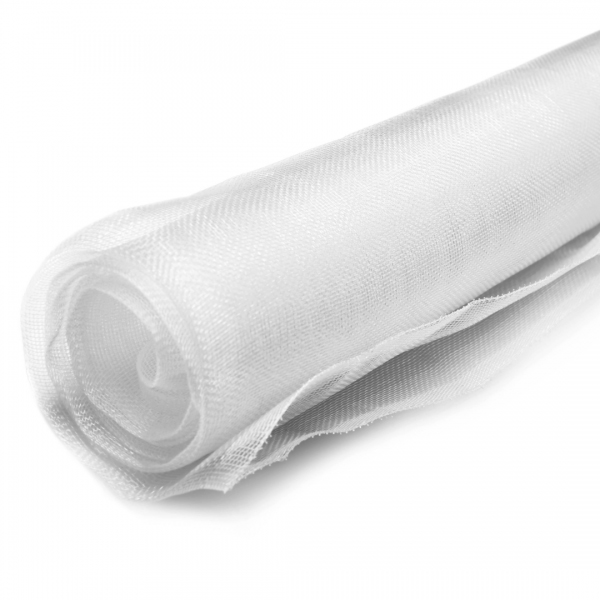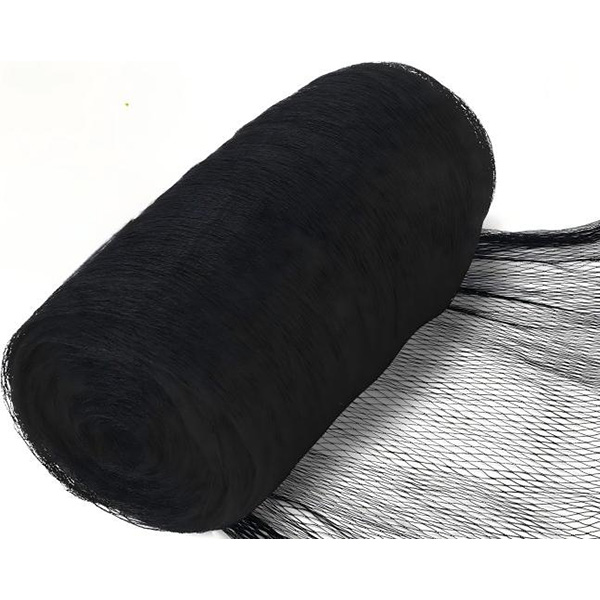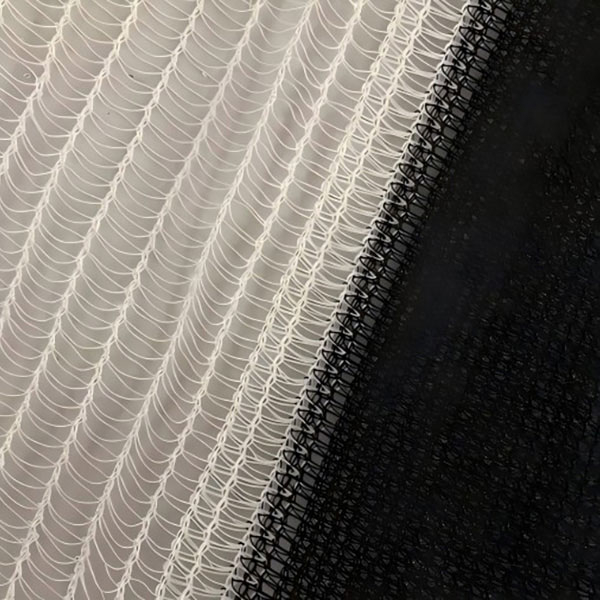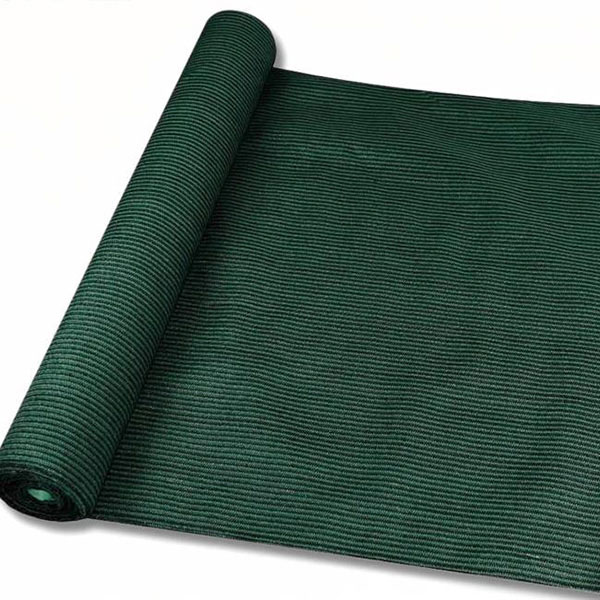
Shade nets are widely used in agriculture, greenhouses, nurseries, livestock areas, construction sites, parking structures, and many other outdoor applications. They help reduce solar radiation, manage temperature, provide privacy, and create more comfortable working or growing environments.
However, the performance of a shade net depends not only on the quality of the fabric itself but also on the strength of its edges. The perimeter is often exposed to continuous pulling, fastening, wind pressure, and repeated installation. Without sufficient reinforcement, these areas can wear out faster than the main body of the net.
This is why reinforced edges on shade nets are an important feature for many commercial and long-term applications. By strengthening the perimeter, manufacturers can improve tear resistance, installation stability, wind performance, and overall service life.
What Are Reinforced Edges on Shade Nets?
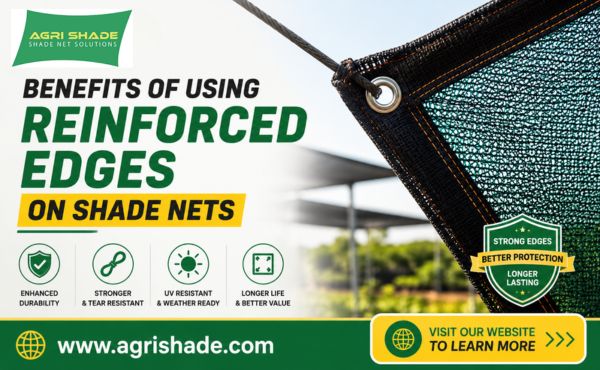
Reinforced edges are strengthened sections around the perimeter of a shade net. Instead of leaving the edge as a basic cut or lightly finished section, additional material or structural support is added to help the net withstand pulling and repeated stress.
Several reinforcement methods can be used depending on the application and required strength.
Common options include:
- Folded or hemmed edges
- Reinforcement tape sewn along the perimeter
- Rope-reinforced edges
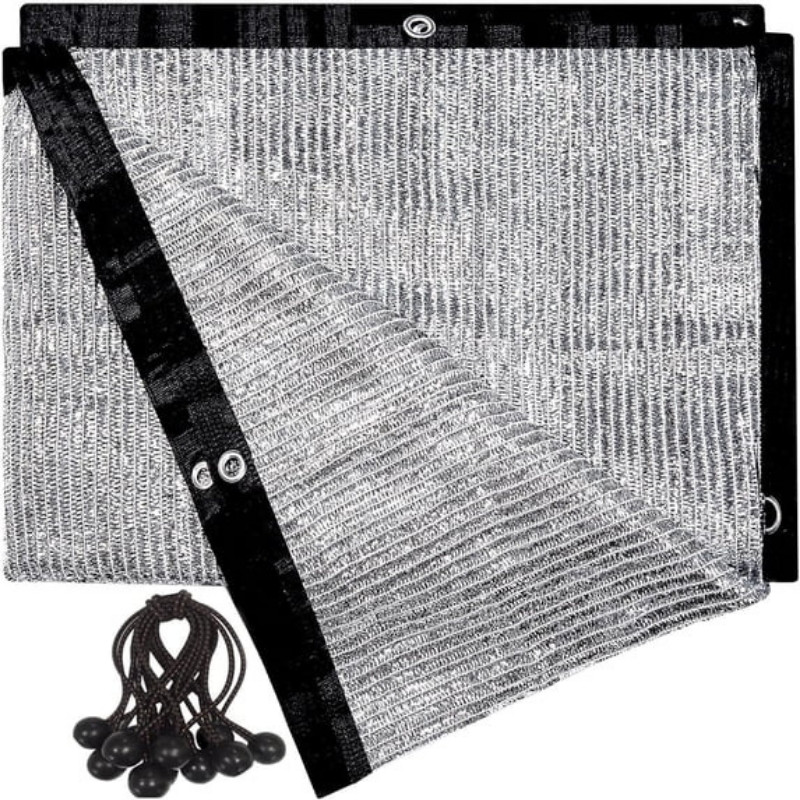
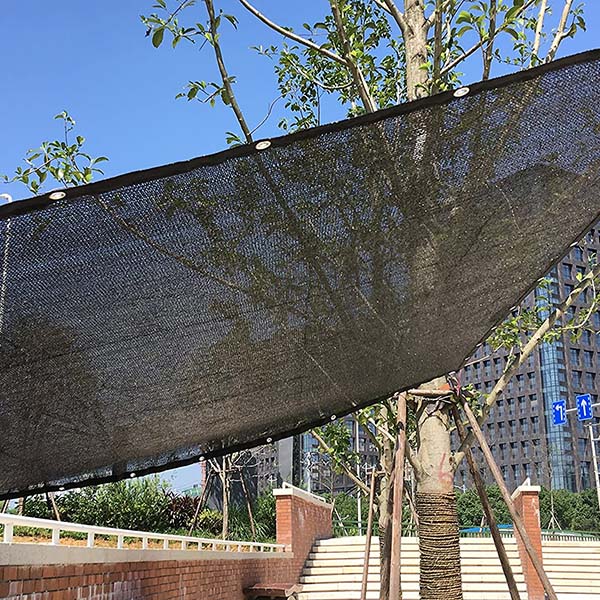
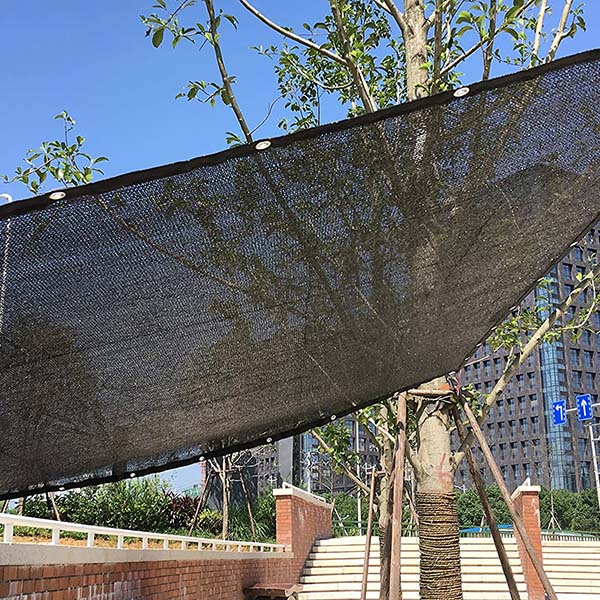
- Reinforced edges with grommets or eyelets
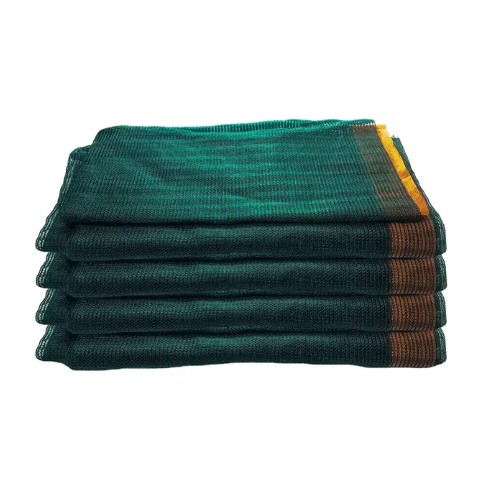
A reinforced hem, for example, may use several layers of the net material folded together to create a stronger boundary. Reinforcement tape can also be added to provide additional support around areas where ropes, hooks, or clips are attached.
For applications where higher tensile strength is required, a rope may be integrated into the edge. Grommets can then be installed through the reinforced section to create convenient and durable fixing points.
Compared with ordinary edges, reinforced edges provide better resistance to local stress and help reduce damage during installation and use.
Key Benefits of Reinforced Edges on Shade Nets
Improved Tear Resistance
One of the most important advantages of reinforced edges is improved tear resistance.
Shade nets are often installed under tension. When ropes, hooks, cable ties, or other fasteners pull against the perimeter, the force becomes concentrated around the fixing points. If the edge is not sufficiently strong, small tears can develop and gradually spread into the main fabric.
Reinforced edges help distribute this pulling force across a larger area. This reduces the amount of stress concentrated on one small section and lowers the risk of tearing.
This benefit is particularly important for large shade nets or installations that remain outdoors for long periods.
Longer Service Life
The edges of shade nets are frequently exposed to more wear than the center of the material. Repeated movement, friction against supporting structures, and tension from installation hardware can gradually weaken the perimeter.
Reinforcement helps protect these vulnerable areas.
A stronger edge can reduce fraying, stretching, and local damage, allowing the shade net to maintain its structure for a longer period. Preventing minor edge damage from becoming a larger tear can also extend the practical service life of the entire net.
For agricultural and commercial users, this can reduce the frequency of replacement and improve overall product value.
Stronger and More Secure Installation
Shade nets need reliable attachment points to remain stable after installation.
Reinforced edges provide a stronger area for securing the net with ropes, hooks, clips, cable ties, or other fastening systems. Because the perimeter can handle more tension, installers can secure the net more confidently without placing excessive stress on the fabric.
This helps maintain a more stable installation, particularly across larger spans.
Stronger edges can also help prevent sections of the net from becoming loose over time, which may otherwise reduce shading performance or cause unnecessary movement in windy conditions.
Better Wind Resistance
Wind is one of the main sources of mechanical stress for outdoor shade nets.
As wind passes through and around the net, it creates repeated pulling forces on both the fabric and its fixing points. The larger the installed area, the greater the potential stress on the perimeter.
Reinforced edges help the shade net handle these forces more effectively by strengthening the areas where tension is transferred to the supporting structure.
They do not make a shade net completely resistant to extreme wind conditions, but they can significantly improve installation reliability when the net is correctly tensioned and securely fixed.
This makes reinforced edges particularly useful in open fields, orchards, livestock areas, construction zones, and exposed outdoor structures.
Reduced Damage Around Grommets and Eyelets
Grommets and eyelets are commonly used to make shade nets easier to install. However, they can also create concentrated stress points.
When wind or tension pulls on a grommet, the force is transferred directly to the surrounding material. If the surrounding edge is too weak, the grommet may begin to stretch or tear through the net.
Installing grommets through reinforced sections provides better support.
The additional material around the edge helps distribute the pulling force and reduces the likelihood of the fixing point becoming damaged. This is especially useful when shade nets are installed, removed, and reinstalled multiple times.
Easier Installation and Tensioning
Reinforced edges can also make shade nets easier to handle during installation.
Installers often need to pull the net tight enough to prevent excessive sagging while avoiding too much tension that could damage the material. A stronger perimeter provides more reliable areas to grip and secure during this process.
This makes it easier to create even tension across the net.
A properly tensioned shade net generally looks cleaner, moves less in the wind, and performs more consistently across the covered area.
For large agricultural or commercial installations, easier handling can also make the installation process more efficient.
Lower Maintenance and Replacement Costs
Although reinforced-edge shade nets may cost more initially than basic versions, they can provide better long-term value.
Damage often begins around fixing points or weak edges. Once a tear develops, repairs may be required to prevent it from spreading. In severe cases, the entire net may need to be replaced.
Reinforced edges help reduce these problems.
By improving edge strength and protecting attachment areas, they can reduce the frequency of repairs and extend replacement intervals. For farms, nurseries, construction projects, and other large installations, this may reduce maintenance time and overall operating costs.
Where Are Reinforced-Edge Shade Nets Most Useful
Reinforced-edge shade nets can be useful across many applications.
Agriculture and Greenhouses
In agricultural environments, shade nets may cover crops, greenhouse structures, or open growing areas. These installations can be large and exposed to wind, making edge strength especially important.
Nurseries and Orchards
Nurseries and orchards often use shade nets to protect young plants, trees, and seedlings from excessive sunlight. Reinforced edges help support larger installations and improve reliability over repeated growing seasons.
Livestock and Poultry Areas
Shade nets are commonly installed above livestock pens, poultry areas, and animal shelters. Stronger edges help maintain secure coverage in outdoor environments.
Construction Sites
Construction sites may use shade nets for temporary shade, screening, or dust-control applications. Reinforced edges can make installation more secure where the net is frequently moved or exposed to changing site conditions.
Parking and Outdoor Shade Structure
Large shade nets are also used over parking areas, outdoor workspaces, and recreational areas. Because these applications often involve wide spans and continuous exposure to weather, reinforced edges can improve structural reliability.
Conclusion
Reinforced edges can significantly improve the durability and reliability of shade nets. They help increase tear resistance, strengthen attachment points, reduce damage around grommets, improve wind stability, and make installation and tensioning easier.
They can also contribute to a longer service life and lower maintenance costs, particularly in large-scale or long-term outdoor installations.
For buyers selecting shade nets for agriculture, greenhouses, nurseries, livestock areas, construction sites, or outdoor shade structures, edge construction should therefore be considered alongside shade percentage, material quality, UV stabilization, and net size.
Agrishade supplies HDPE shade nets with reinforced edges, rope reinforcement, grommets, and other customized specifications for different agricultural, commercial, and industrial applications.