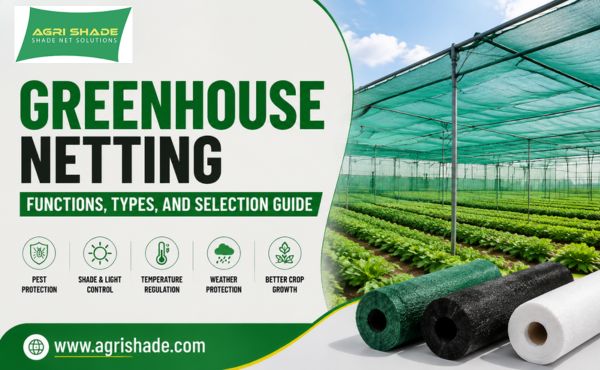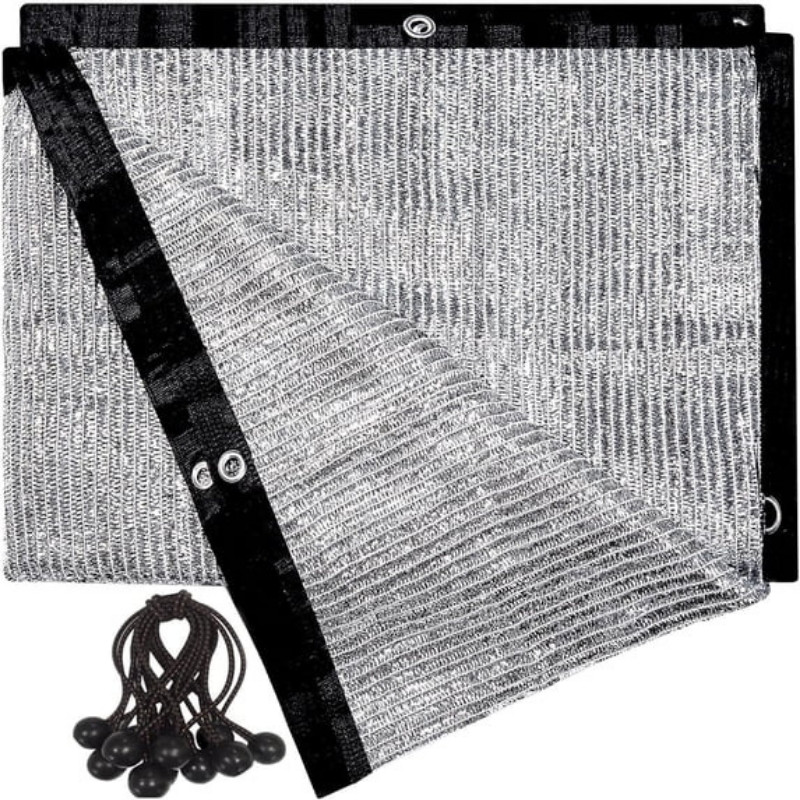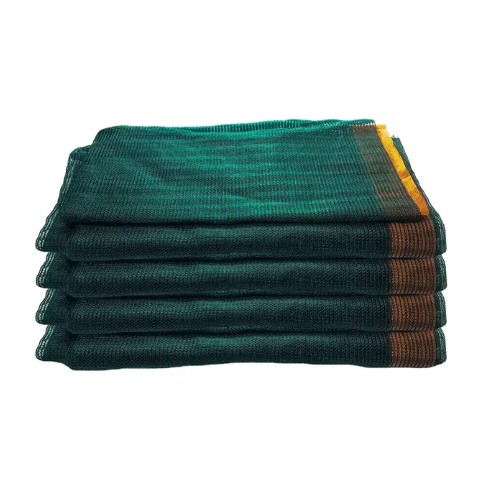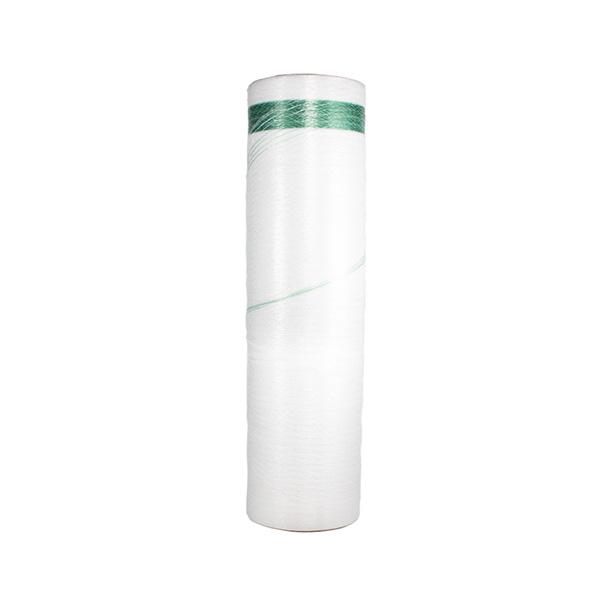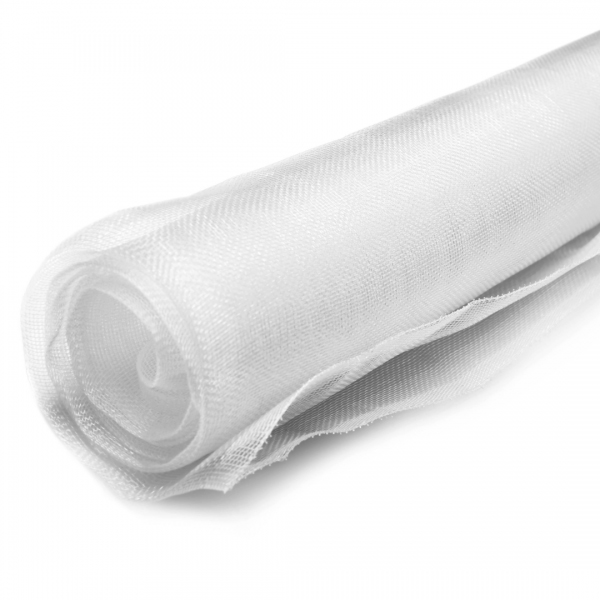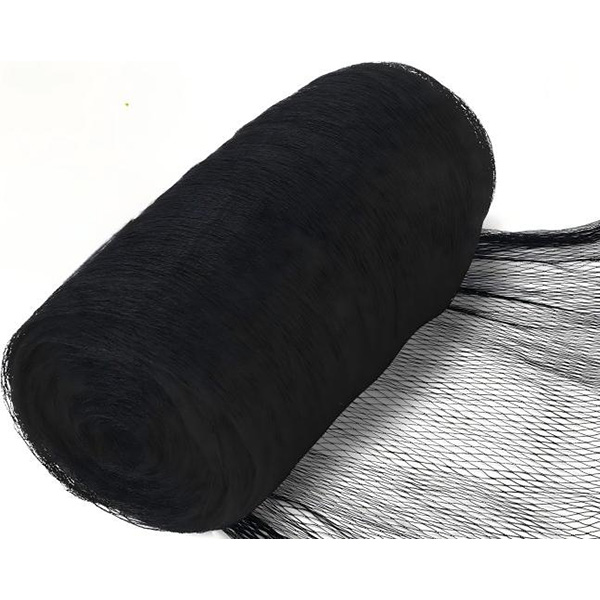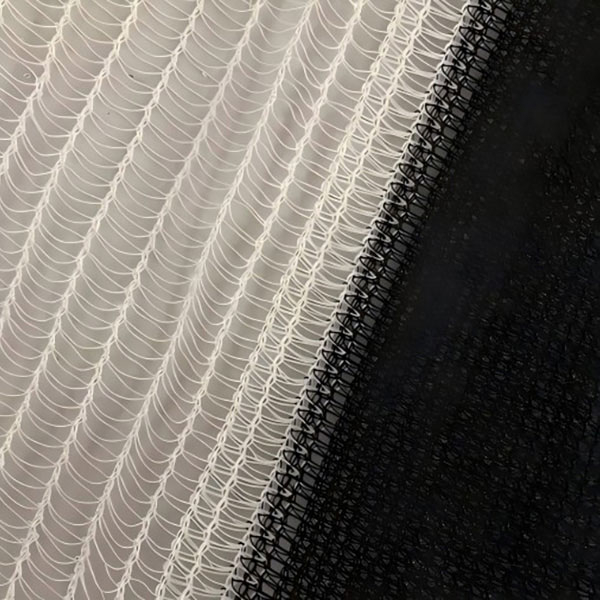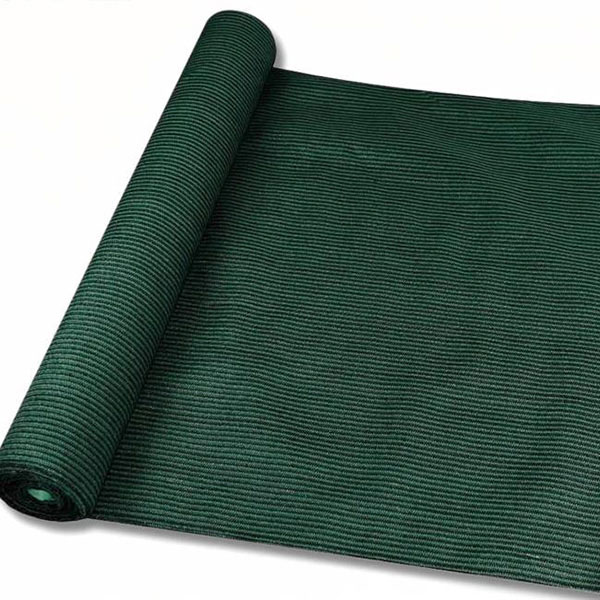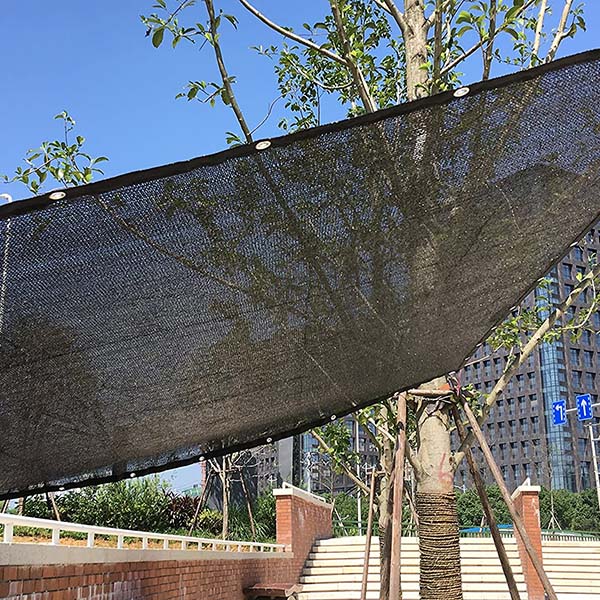
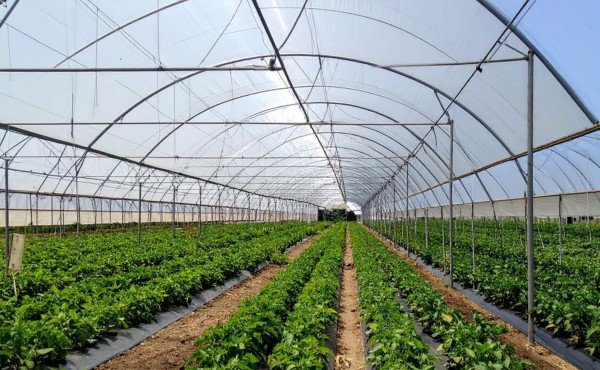
Greenhouse netting provides a practical protective barrier for crops in greenhouses, nurseries, orchards, and other growing areas. Depending on the product type, it can help reduce insect entry, manage solar radiation, reduce hail impact, or lower wind speed. Shade netting can also help limit heat buildup by reducing excessive solar radiation.
Different agricultural nets perform different functions. Shade nets manage solar radiation, insect screens help exclude pests, anti-hail nets reduce hail damage, and windbreak nets reduce wind speed. Product selection should be based on the specific hazard rather than treating all netting as interchangeable.
Functions of Greenhouse Netting
Pest Control and Insect Protection
Physical mesh barriers help reduce the entry of harmful insects into protected growing areas.
Insect netting can reduce pest entry and support lower pesticide use as part of an integrated pest management program.
It can be used in commercial greenhouses, nurseries, and other protected growing environments.
Fine insect netting can also help reduce the spread of some insect-transmitted plant diseases by limiting pest access to crops. However, effective pest control still depends on proper installation, regular inspection, and good greenhouse management.
Sunlight and Shade Control
Intense sunlight can cause leaf scorch and heat stress during hot periods. Installing greenhouse shade netting helps reduce direct solar radiation reaching the crop canopy.
Farmers use greenhouse shade cloth to manage light intensity and protect sensitive crops from excessive sunlight. Proper shade levels can help reduce heat stress, but the correct shade percentage should be selected according to crop type, season, and local climate.
Temperature and Microclimate Regulation
Shade netting can reduce solar radiation and help limit heat buildup around the crop canopy. Its actual cooling effect depends on shade percentage, net color, installation position, ventilation, and local climate.
Netting can influence airflow, temperature, and humidity, but the result depends on mesh size and greenhouse ventilation. Growers should monitor humidity carefully because restricted airflow may increase disease pressure.
When properly selected and installed, greenhouse netting can help create more suitable growing conditions during periods of high heat or strong sunlight.
Weather and Crop Protection
Different types of agricultural netting provide protection against different weather conditions.
Anti-hail netting helps reduce direct hail impact on crops, while properly installed windbreak netting can reduce wind speed around protected growing areas.
Shade netting mainly helps manage solar radiation and heat stress. It should not be treated as a waterproof rain cover, anti-hail net, or complete wind protection system.
Improving Crop Growth and Yield Quality
Appropriate shade levels can reduce excessive radiation and distribute light more evenly across the crop canopy. Excessive shading, however, may reduce photosynthesis and crop yield.
When properly selected for the crop and local climate, shade netting may reduce heat stress and help create more favorable growing conditions.
This may support crop quality and marketable yield in some growing conditions. However, excessive shading can reduce photosynthesis, delay crop development, and lower yield.
Main Types of Greenhouse Netting
Different types of greenhouse netting are designed for different crop protection needs. Selecting the right product depends on factors such as pest pressure, sunlight intensity, hail risk, wind conditions, and crop requirements.
Insect Netting (Anti-Insect Net)
Insect netting helps reduce the entry of small flying pests into greenhouse growing areas. Its fine mesh structure creates a physical barrier around crops.
It is commonly installed across greenhouse sidewalls, roof vents, doors, and other openings.
Insect netting allows air exchange, but fine mesh can significantly reduce ventilation. The screen area and greenhouse ventilation system should therefore be designed around the target pest and required airflow.
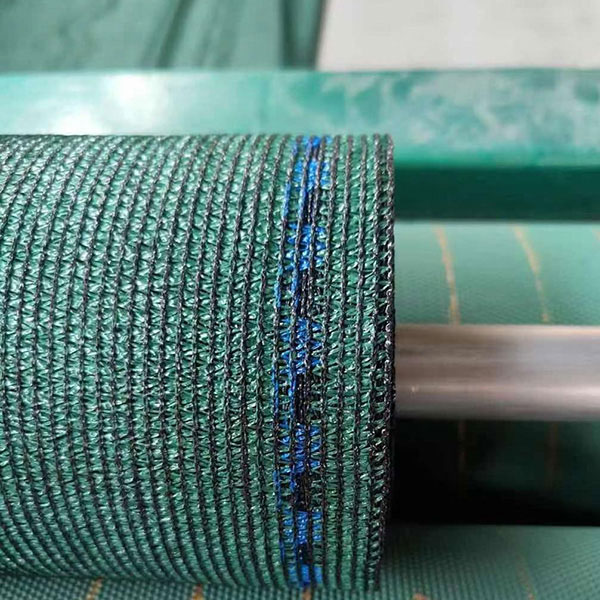
Shade Netting
Greenhouse shade netting helps reduce solar radiation and manage light intensity around crops.
Different types of greenhouse shade cloth are available in different shade percentages to suit various crops and growing conditions.
Shade netting may be installed above greenhouse film, inside the greenhouse, or over open growing structures. Properly selected shade levels can help reduce heat stress and protect crops from excessive sunlight.
However, excessive shading may reduce photosynthesis and slow crop development.
Anti-Hail Netting
Anti-hail netting is designed to reduce the direct impact of hail on crops.
It is commonly used over orchards, vineyards, nurseries, and other high-value growing areas.
The net helps reduce damage to leaves, fruit, and young plants during hail events. Proper support and installation are important for reliable performance.
Wind Protection Netting
Windbreak netting helps reduce wind speed around protected growing areas.
It is commonly installed around greenhouse perimeters, nurseries, orchards, and exposed crop areas.
Its effectiveness depends on factors such as net structure, height, installation position, and local wind conditions. Proper installation is important because the net and supporting system must also withstand wind exposure.
How to Choose the Right Greenhouse Netting
Identify Your Protection Requirements
Choosing the right greenhouse netting starts with identifying the main protection requirement. Different products are designed for different purposes, such as insect control, shade management, hail protection, and wind reduction.
Pest Control Needs
If pest exclusion is the main goal, choose insect netting according to the target pest and required mesh size.
Fine mesh can help reduce the entry of small insects, but it may also reduce ventilation. Insect netting can support lower pesticide use as part of an integrated pest management program, but it does not completely replace other pest-control measures.
Sunlight and Temperature Control
If excessive sunlight and heat are the main concerns, shade netting can help reduce solar radiation reaching the crop canopy.
The correct shade percentage should be selected according to crop type, season, local climate, and greenhouse ventilation.
Weather Protection Requirements
For areas with hail risk, purpose-designed anti-hail netting should be used.
Where strong winds are a concern, windbreak netting can help reduce wind speed around protected growing areas when properly installed.
Different weather risks require different types of netting, so the product should be selected according to the specific application.
Consider Crop Type and Growing Conditions
Different crops have different light, temperature, and airflow requirements.
Leafy vegetables, seedlings, flowers, and fruit crops may require different shade levels and netting specifications. Local climate, season, greenhouse design, and ventilation conditions should also be considered before making a final selection.
Select the Correct Mesh Size
Mesh size is especially important when choosing insect netting.
Finer mesh can help exclude smaller insects such as thrips, while larger openings generally allow better airflow.
The correct mesh size should balance pest protection with greenhouse ventilation.
Choose the Right Shade Percentage
Shade percentage affects how much sunlight reaches the crop canopy, so it is an important factor when selecting greenhouse shade cloth.
| Shade Level | Typical Application | Shading Effect |
|---|---|---|
| Low | Light-loving crops | Light shading |
| Medium | General vegetables and nursery crops | Moderate shading |
| High | Shade-sensitive plants or very hot conditions | Strong shading |
These are general guidelines only. The correct shade percentage depends on crop type, season, local climate, and growing conditions.
Properly selected shade netting can help reduce excessive sunlight and heat stress, while too much shade may reduce photosynthesis and slow crop development.
Evaluate Material Quality
Material quality affects the durability and service life of greenhouse netting.
When comparing products, consider factors such as raw material quality, UV stabilization, mesh consistency, tensile strength, tear resistance, edge reinforcement, and weather resistance.
UV-stabilized HDPE is commonly used for agricultural shade netting because it offers good flexibility, strength, and outdoor durability.
Higher-quality materials can generally provide better resistance to sunlight, repeated handling, and long-term outdoor exposure.
Consider Customization Options
Commercial greenhouse projects often require customized netting sizes and specifications.
Common customization options include width and length, shade percentage, mesh size, color, reinforced edges, grommets, rope reinforcement, cut-to-size panels, custom packaging, and OEM branding.
Customized netting can make installation easier and reduce unnecessary material waste, especially for large greenhouse and nursery projects.
Greenhouse Netting Maintenance Tips
Regular Inspection
Routine checks can help extend the service life of greenhouse netting. Growers should examine panel edges, tie-down ropes, support cables, and contact points with greenhouse frames. Wind movement may cause repeated friction between netting and rigid components, so regular inspection helps identify wear before larger damage develops.
Small tears often appear near fasteners or tension points. Repairing minor holes early can help prevent further tearing during windy conditions. For insect netting, regular inspection also helps maintain pest protection.
Cleaning and Repair
Dust, pollen, and organic debris can accumulate on mesh surfaces over time. Blocked insect netting may reduce airflow, while dirt on shade netting can affect light transmission.
Netting can be cleaned gently with water when needed. Small tears can be repaired with suitable thread, repair tape, or matching net material. Prompt repair helps prevent damage from spreading.
Proper Installation and Storage
Correct installation helps reduce unnecessary wear and sagging. Netting should be securely fixed with suitable tension to prevent excessive flapping or rubbing against greenhouse frames.
For seasonal use, clean and dry the netting before storage. Store it in a dry, shaded place away from direct sunlight, sharp objects, and excessive heat to help maintain its condition for the next growing season.
Why Choose Reliable Greenhouse Netting Suppliers
Customized Greenhouse Netting Solutions
Commercial greenhouse projects often have different size, crop, and installation requirements. Standard products may not fit every structure. Professional greenhouse netting suppliers can provide customized netting based on specific project needs.
Custom options may include panel size, reinforced edges, eyelet positions, and roll length. Properly sized netting can simplify installation, reduce unnecessary cutting, and help fit different greenhouse layouts more efficiently.
High-Quality UV Stabilized Materials
Long-term sunlight exposure can gradually weaken untreated synthetic mesh materials. UV stabilizers are added during production to help improve resistance to sunlight and slow material degradation.
High-quality UV-stabilized netting can provide better outdoor durability and reduce premature cracking or loss of strength. Actual service life still depends on climate, installation, maintenance, and product quality.
OEM Manufacturing Capability
OEM manufacturing allows suppliers to produce greenhouse netting according to customer specifications. Manufacturers can offer different sizes, mesh structures, shade percentages, colors, edge finishing, and packaging options.
OEM services are useful for distributors, agricultural suppliers, and large greenhouse projects that require consistent specifications or private-label products.
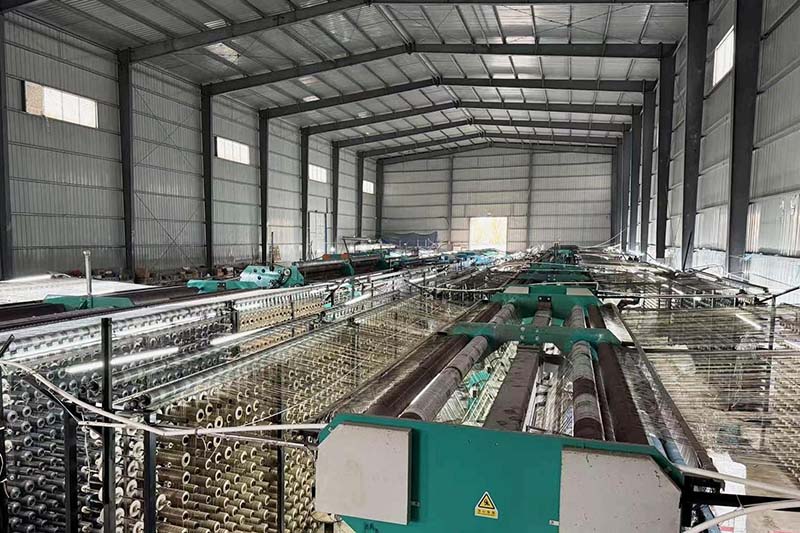
Reliable Quality Control
Professional manufacturers normally inspect key product specifications during production. Common checks may include tensile strength, tear resistance, mesh size, net weight, dimensions, and edge finishing.
Consistent quality control helps reduce variation between production batches and improves product consistency for commercial greenhouse applications.
Conclusion
Greenhouse netting plays an important role in crop protection and growing environment management. Different products serve different purposes: shade netting helps reduce excessive solar radiation, insect netting helps limit pest entry, anti-hail netting reduces hail impact, and windbreak netting helps lower wind speed around protected areas.
Choosing the right greenhouse netting depends on crop type, local climate, target risks, ventilation needs, and installation conditions. Proper product selection and maintenance can help improve protection, reduce unnecessary material damage, and support more stable growing conditions for commercial greenhouse operations.