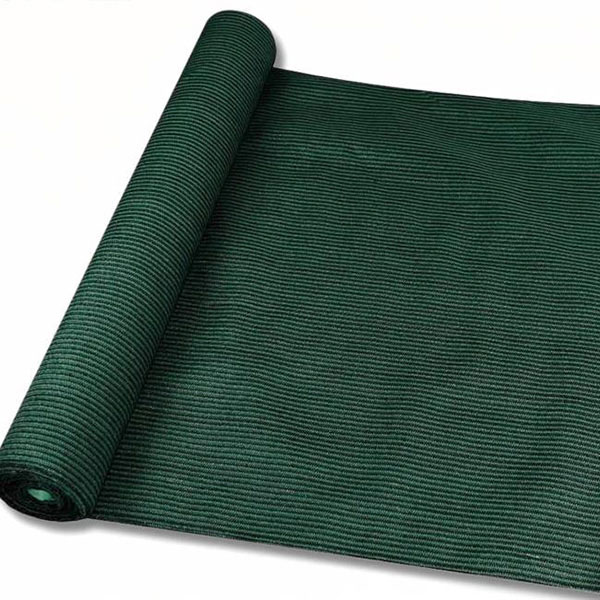
A 30% shade cloth percentage serves as the standard baseline for commercial crop production. Determining the best shade cloth percentage depends on ambient conditions, scaling up to 50% during extreme weather. Unprotected crops quickly experience heat stress under direct intense sunlight.
Critical Plant Stress Thresholds: Pollen damage and blossom drop occur above 95°F (35°C). Severe sunscald and tissue damage happen above 105°F (40.5°C).
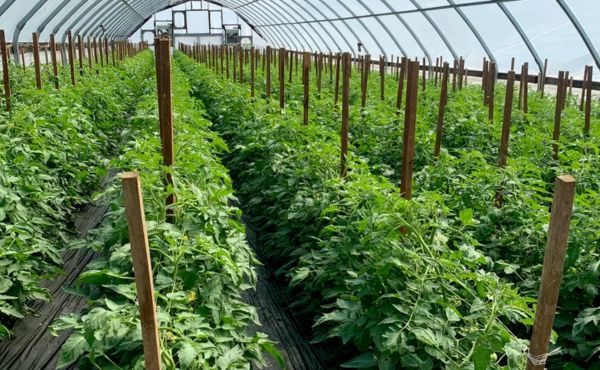
Deploying a 30% shade cloth allows roughly 70% light transmission, providing optimal PAR for growing tomatoes. Selecting the best shade percentages for tomatoes balances canopy protection with photosynthetic needs. Commercial growers rely on protective shade cloth to prevent heat damage. Applying proper shade cloth for tomatoes preserves crop quality. Managed shade cloth adjustments secure maximum marketable yield.
Optimal Shade Cloth Percentage by Stage
Managing solar irradiance throughout the growing cycle maximizes production efficiency. Commercial operations must adjust physical canopy protection based on crop maturity and atmospheric conditions.
30% Baseline for Flowering Stages
The ideal shade cloth percentage balances heat protection against photosynthetic demand. Flowering tomatoes require substantial radiation to fuel high metabolic activity and continuous fruit setting. Utilizing a 30% shade cloth transmits approximately 70% of photosynthetically active radiation (PAR). This specific exposure level maintains canopy cooler temperatures while preventing stem elongation.
Key Takeaway: Light deprivation under dense covers reduces total cluster development. Maintaining light levels near 70% prevents weak nodes, stem stretching, and reduced fruit weight.
| Growth Stage | Shade Density (%) | Primary Operational Objective |
|---|---|---|
| Flowering / Fruit | 30%–35% | Maximize PAR and protect blossom sets |
| Establishment | 40%–50% | Prevent transplant shock and wilting |
| Heat Wave (>100°F) | 40%–50% | Avoid tissue scorch and pollen death |
40% to 50% for Extreme Conditions
Certain growth phases and harsh environments demand increased protective density. Young seedlings lack established root systems. Applying 40% to 50% shade cloth for tomatoes reduces vapor pressure deficit during transplanting. This heavy shelter protects delicate foliage until root networks anchor into soil beds.
Desert climates and severe summers trigger acute heat stress inside production structures. Temperatures reaching above 95°F arrest reproductive development. Upgrading to higher common shade cloth levels for tomatoes shields vulnerable plants from solar burns. Operations in extreme solar regions rely on 40% to 50% covers to maintain ambient temperatures below lethal thresholds.
Temporary Over-Hedging Guidelines
Short-term thermal spikes require swift adjustments to protective structures. Extreme heat waves often push greenhouse temperatures above 100°F. Growers should deploy temporary external layers over high tunnels during these acute thermal emergencies.
- Pull secondary netting over primary high tunnel covers when temperatures exceed 100°F.
- Deploy supplementary material during peak afternoon sun between 11:00 AM and 4:00 PM.
- Remove extra covers immediately after ambient temperatures drop below critical heat levels.
Integrating flexible tomato plant shade cloth setups prevents solar scalding. Controlled temporary deployment shields mature fruit without reducing overall long-term photosynthetic production. Maintaining strict shade cloth monitoring protocols ensures healthy tomatoes and consistent seasonal yields.
Regional Climate Adjustments
Regional solar intensity determines the ideal protective covering strategy for commercial growers. Weather patterns dictate how much light reduction crops require across different geographic zones.
Moderate and Northern Regions
Northern latitudes feature lower solar angles and shorter peak heat durations. Commercial growers cultivating tomatoes in these regions rarely need heavy light barriers. A light shade cloth density between 20% and 30% provides sufficient thermal relief during summer months. This minimal protection prevents sudden fruit scorch while maximizing available light.
Regional Tip: Northern growers should remove protective covers early in autumn. Unrestricted light exposure extends production cycles and maintains soil temperatures as solar radiation wanes.
Southern and Desert Climates
Southern zones face intense solar exposure and extended periods of ambient warmth. Extreme daily temperatures cause heat stress in unshaded tomatoes, disrupting fruit set and damaging foliage. Operators in desert environments must deploy a 40% to 50% shade cloth to suppress canopy temperatures.
These high-density fabrics reflect surplus energy during intense mid-day heat. Applying a heavy shade cloth for tomatoes preserves blossom health in scorching southern climates.
High Tunnel Integration
Installing shade cloth onto high tunnel structures requires precise tensioning and positioning. Mounting covers directly over exterior frames creates an effective thermal buffer. This setup lowers internal air temperatures before solar energy enters plant leaves. Selecting the proper shade cloth supports high-yield harvesting across all seasons.
| Region / Setup | Ideal Density Range | Structural Application |
|---|---|---|
| Northern Climates | 20%–30% | Internal drop curtains |
| Southern Climates | 40%–50% | External roof coverings |
| High Tunnels | 30% baseline | Exterior over-the-rib straps |
Proper high tunnel integration helps farmers cultivate uniform tomatoes inside protected environments. Securing a durable tomato plant shade cloth over ridge lines prevents wind damage. High tunnel sidewalls must remain open during deployment. Open sidewalls maintain cross ventilation, keeping healthy tomatoes growing efficiently under cover.
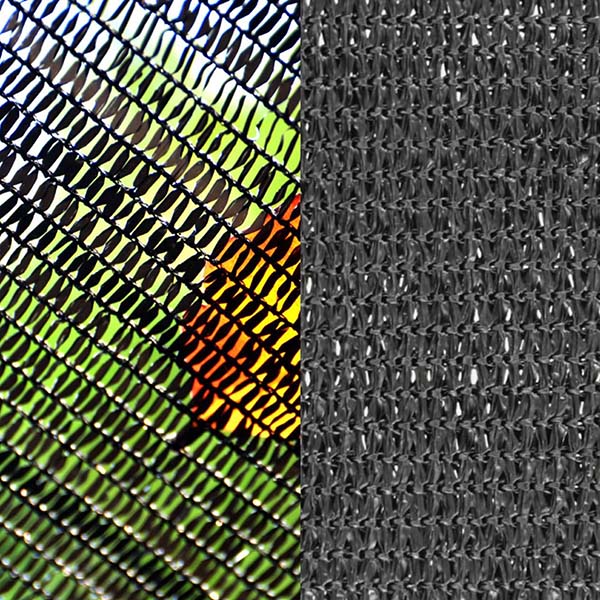
Shade Cloth Material and Color Guide
Choosing the right shade cloth impacts internal canopy temperatures and solar radiation management. Commercial growers evaluate material color and fabric construction to protect yields.
White and Aluminet Thermal Reflection
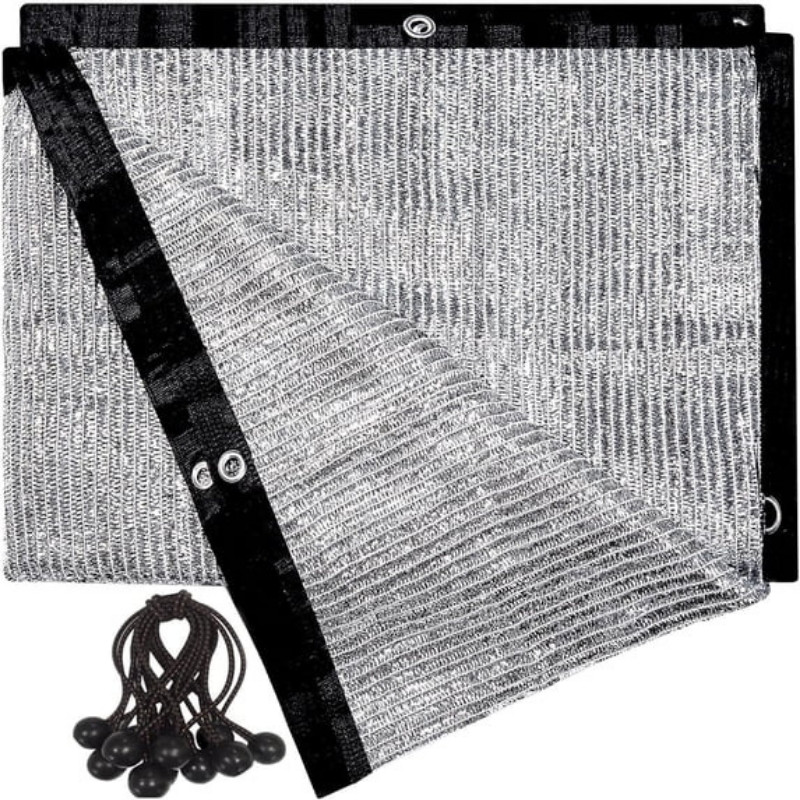
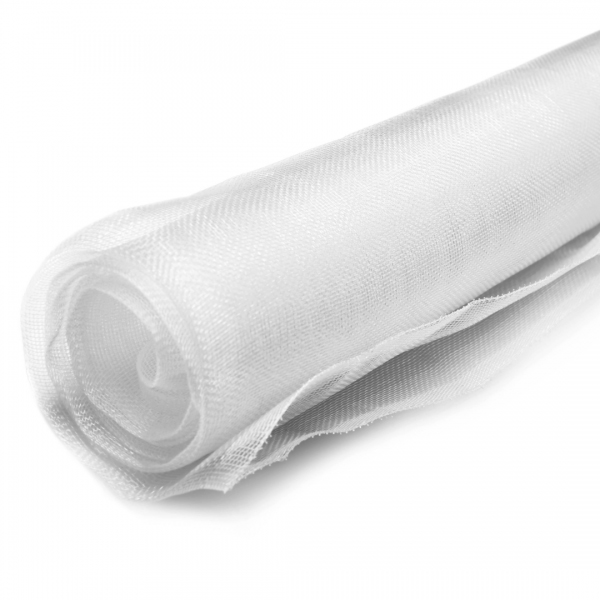
White fabrics and reflective Aluminet panels reject excess heat effectively. These light-colored covers bounce sunlight away before radiation converts into thermal energy inside production bays. Aluminet utilizes mirrored aluminum strands to reflect light while scattering diffuse rays onto lower leaves.
Thermal Efficiency: Reflective screens lower internal air temperatures by 5°F to 10°F compared to traditional dark covers. Lower ambient heat preserves root activity and supports plant vigor.
Black Shade Cloth Performance
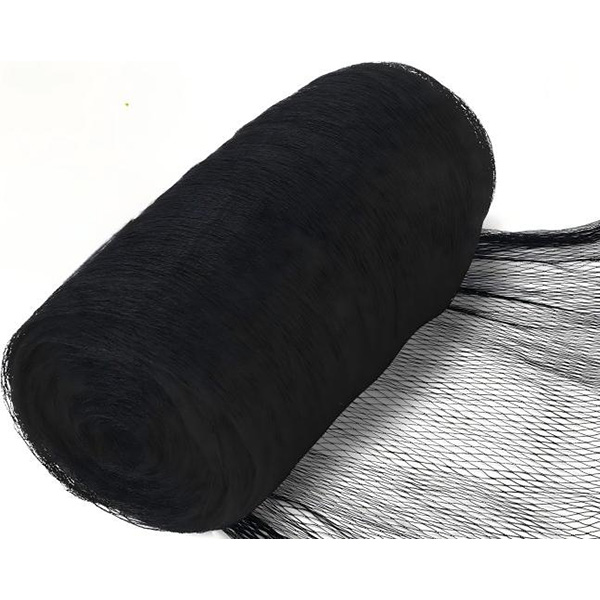
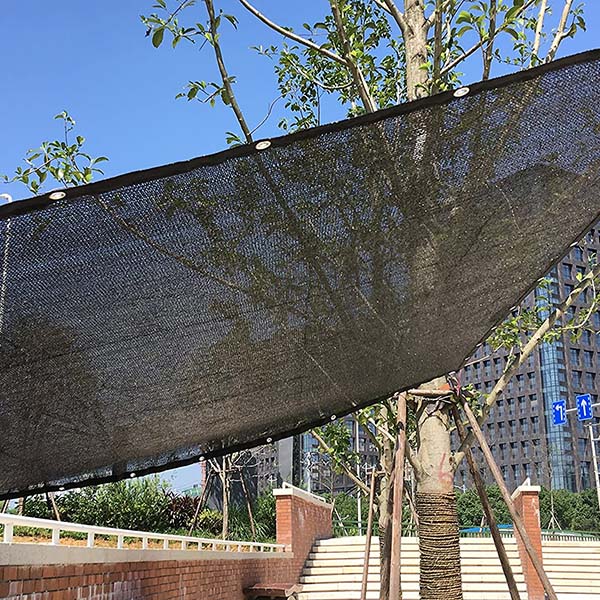
Standard black shade cloth absorbs thermal energy rather than reflecting solar rays. This material traps heat within its dark synthetic fibers. Installing black covers directly over structural roofs increases heat accumulation along the fabric surface. However, black shade cloth blocks intense light efficiently and offers a cost-effective option.
Heat-loving crops like tomatoes thrive under light barriers during moderate seasons. Operators must maintain active ventilation under dark covers to evacuate trapped heat.
| Material Type | Heat Management | Key Commercial Benefit |
|---|---|---|
| White | Reflects radiation | Uniform light diffusion |
| Aluminet | Rejects solar heat | Maximum canopy cooling |
| Black | Absorbs energy | Cost-effective sol |
Woven vs. Knitted Construction
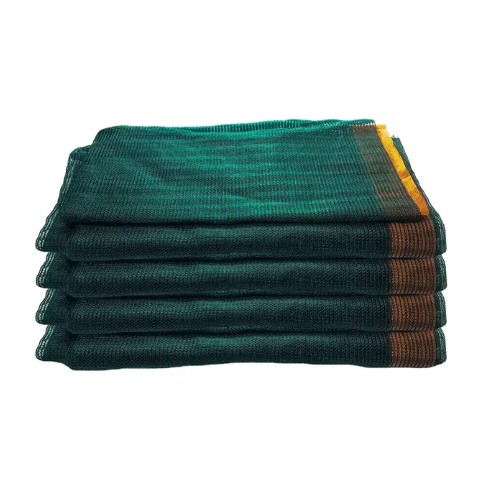
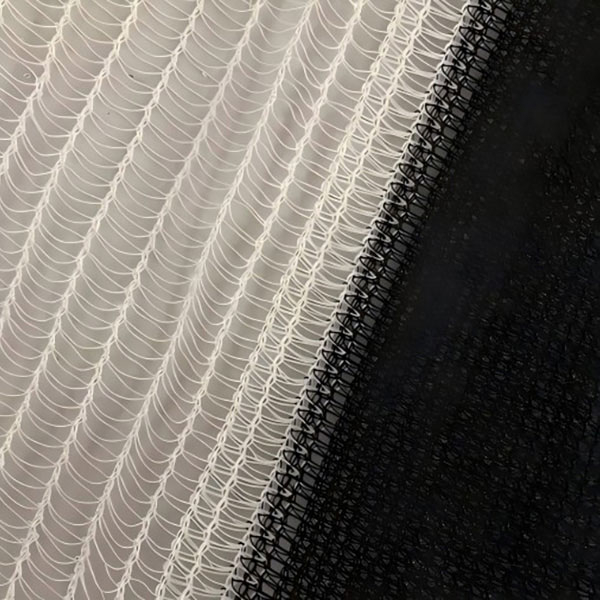
Fabric construction determines physical durability under strong winds and severe UV exposure. Woven strands unravel rapidly when cut or punctured by equipment. Commercial growers install shade cloth made from knitted polyethylene to prevent structural unraveling.
Knitted designs feature interlocking loops that resist tearing under heavy mechanical tension. Knitted shade cloth stretches smoothly over tunnel ribs without fraying along cut edges. Knitted synthetic covers shield tomatoes from direct solar damage across multiple seasons. Proper thermal protection helps tomatoes produce uniform yields year after year. Selecting durable shade cloth extends product lifespan and lowers replacement expenses.
Commercial Installation Standards
Clearance and Ventilation Gaps
Proper physical separation prevents trapped heat from damaging commercial crops. Installers must maintain an air gap of at least 12 inches between the greenhouse roof and the shade cloth. Hot air rises naturally through open top vents. Trapping thermal energy close to the upper canopy slows overall fruit development and stresses delicate tomatoes. Adequate clearance allows cross breezes to carry away excessive humidity. Strong airflow around leaf zones minimizes fungal pressure and keeps canopy temperatures stable.
Structure Orientation
Solar alignment dictates daily light distribution across growing beds. Orienting production tunnels along a North-South axis ensures balanced solar intensity throughout the entire day. East-West structures often create persistent shadow patterns on lower leaves. Uniform light exposure prevents uneven fruit ripening and optimizes PAR delivery during peak summer months. Proper structural alignment also reduces wind drag on external framework, protecting frame integrity during summer storms.
Retractable vs. Fixed Deployment
Commercial operators choose installation systems based on labor costs and local weather predictability. Fixed systems secure a shade cloth directly over structural frames for the entire warm season. These static setups require less capital investment, but they restrict beneficial light during early morning hours.
Automated retractable systems adjust crop protection dynamically using ambient temperature sensors. Motorized drive systems deploy the shade cloth during extreme afternoon heat spikes. Removing the shade cloth during cool or overcast conditions maximizes light interception. Flexible deployment methods preserve energy balance while supporting consistent production schedules for commercial tomatoes.
Critical Operational Errors to Avoid
Avoiding common management mistakes protects yield potential and improves operational efficiency. Commercial growers must manage light barriers carefully to prevent costly crop stress.
Over-Shading Above 50% Density
Selecting an excessively high shade cloth percentage reduces vital solar energy. Photosynthesis drops sharply when light blockage exceeds critical limits.
| Light Reduction | Photosynthetic Impact | Primary Crop Defect |
|---|---|---|
| 30%–35% | Optimal balance | Strong nodes and high yields |
| Exceeding 50% | Severe light deficit | Leggy stems and poor fruit set |
Over-shading causes vines to stretch toward the light. Stems become weak and fragile. Flower clusters drop before pollination completes. Lower light levels also delay fruit maturation, reducing overall seasonal production.
Premature Seasonal Installation
Deploying covers too early in the spring harms early vegetative development. Young tomatoes need full sunlight while ambient temperatures remain mild. Installing light barriers during cool spring weather lowers canopy temperatures below ideal growth thresholds.
💡 Operational Alert: Prematurely installing a shade cloth traps excess morning moisture and delays thermal accumulation in production soils.
Growers should monitor forecast temperatures continuously. Wait to deploy physical covers until ambient heat consistently exceeds 85°F (29°C) during peak daylight hours.
Poor Air Circulation Under Canopy
Installing protective barriers without adequate ventilation creates stagnant atmospheric conditions. High humidity builds up beneath dense materials quickly.
- Open side curtains fully during peak daylight hours.
- Keep structural exhaust fans running continuously.
- Maintain a clearance gap above greenhouse roofs.
Restricted airflow elevates disease pressure dramatically. Fungal pathogens like leaf mold thrive in humid, shaded microclimates. Circulating fresh air through the canopy keeps leaf surfaces dry. Healthy tomatoes require continuous ventilation alongside thermal protection to produce high-grade fruit.
Conclusion
Commercial growers achieve optimal yields by choosing the right shade cloth percentage. Maintaining a light baseline allows roughly 70% light clearance for growing tomatoes. Scaling protection up to 50% shields crops from extreme solar intensity.
💡 Final Operational Rule: Deploy durable knitted shade cloth to withstand severe weather. Mount the shade cloth with a 12-inch clearance gap above structural roofs to maximize ventilation for healthy tomatoes.
FAQ
What is the baseline shade cloth percentage for commercial tomatoes?
A 30% to 35% shade cloth serves as the standard commercial baseline. This density blocks excessive heat while allowing approximately 70% light transmission. Growers scale up to 40% or 50% density only during severe heatwaves or in desert climates.
Which shade cloth color provides the best heat reduction?
Reflective materials keep internal canopy temperatures significantly lower than dark fabrics.
White and Aluminet shade cloths offer superior cooling performance. These reflective materials bounce solar radiation away from production bays, lowering ambient canopy temperatures by 5°F to 10°F. Black shade cloth blocks light effectively, but dark fibers absorb thermal energy.
When should commercial growers deploy 50% shade cloth?
Deploy 50% shade cloth during acute heat spikes exceeding 100°F (38°C) or during transplant establishment. Young seedlings need shelter from heavy transpiration stress. Once extreme weather passes, return to a lighter 30% cover to maintain optimal growth.
Will a 30% shade cloth prevent blossom drop in tomatoes?
Yes. Temperatures above 95°F (35°C) trigger pollen damage and blossom drop. A 30% shade cloth suppresses peak canopy heat below critical stress thresholds. This protection preserves flower clusters and secures consistent fruit set throughout the summer season.