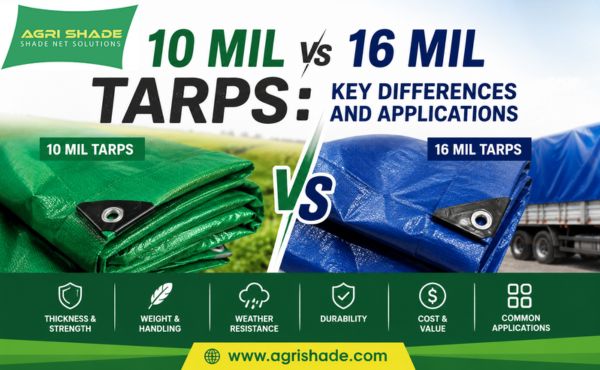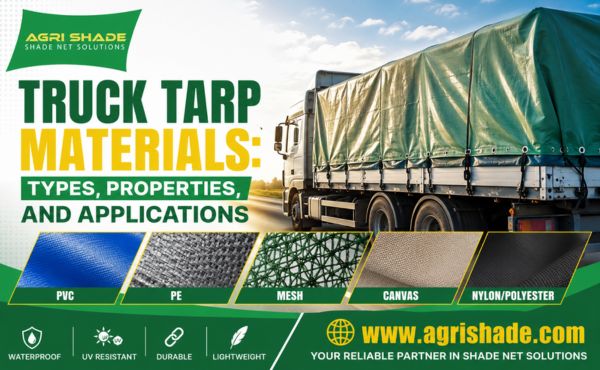
Choosing the right tarp thickness is important for protecting cargo, equipment, agricultural products, construction materials, and outdoor storage. Two common options are 10 mil and 16 mil tarps, but they are designed for different levels of use.
A 10 mil tarp is lighter, easier to handle, and usually more affordable, while a 16 mil tarp provides greater resistance to tearing, punctures, abrasion, and harsh weather. This guide compares 10 mil vs 16 mil tarps to help buyers select the right option based on durability, application, weather exposure, and budget.
What Does Mil Mean in Tarp Thickness?
“Mil” is a measurement used to describe material thickness. One mil equals 0.001 inch, so:
- A 10 mil tarp is approximately 0.010 inch thick.
- A 16 mil tarp is approximately 0.016 inch thick.
A higher mil number generally indicates a thicker and heavier tarp. However, thickness is not the only factor that determines tarp quality. The base fabric, weave density, coating, UV treatment, edge reinforcement, and eyelet spacing also affect performance.
For example, a well-manufactured 10 mil polyethylene tarp with strong reinforcement may perform better than a low-quality 16 mil tarp made from weak raw materials.
What Is a 10 Mil Tarp?
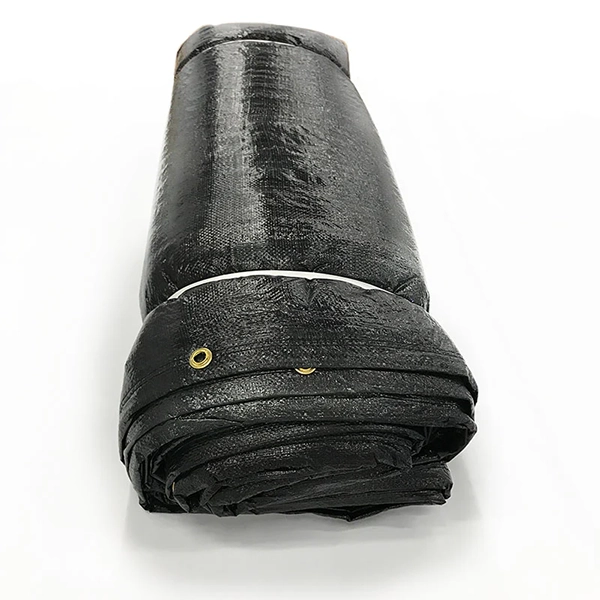
A 10 mil tarp is commonly used for general-purpose, temporary, and medium-duty covering. It is usually made from woven polyethylene fabric with a waterproof laminated surface.
Because it is relatively lightweight, a 10 mil tarp is easy to unfold, install, remove, transport, and store. It is often selected for applications where the cover needs to be moved frequently or used for a limited period.
Common characteristics of a 10 mil tarp include:
- Lightweight construction
- Waterproof surface
- Moderate tear resistance
- Easy folding and handling
- Lower shipping and storage costs
- Suitable for temporary or seasonal protection
A 10 mil tarp can be a practical choice when buyers need dependable coverage without the weight and higher cost of a heavy-duty tarp.
What Is a 16 Mil Tarp?
A 16 mil tarp is a thicker and heavier covering designed for more demanding environments. It normally uses a stronger woven base fabric, a thicker coating, and reinforced edges or corners.
Compared with a 10 mil tarp, a 16 mil tarp generally offers better tear resistance, puncture resistance, abrasion resistance, and weather protection. It is commonly used for repeated commercial applications, long-term outdoor storage, heavy cargo, construction materials, and industrial equipment.
Typical characteristics include:
- Heavier and stronger construction
- Greater resistance to tearing and punctures
- Improved performance in strong wind and heavy rain
- Longer potential service life
- Better suitability for rough or abrasive surfaces
- Higher initial and transportation costs
A 16 mil tarp is often selected when durability and repeated use are more important than low weight.
10 Mil vs 16 Mil Tarp: Quick Comparison
| Comparison Factor | 10 Mil Tarp | 16 Mil Tarp |
|---|---|---|
| Thickness | 0.010 inch | 0.016 inch |
| Weight | Lighter | Heavier |
| Handling | Easier to install | Requires more labor |
| Tear Resistance | Moderate | Higher |
| Puncture Resistance | Moderate | Stronger |
| Outdoor Use | Temporary to medium-term | Medium- to long-term |
| Wind Resistance | Suitable for moderate conditions | Better for exposed areas |
| Storage Space | Less | More |
| Initial Cost | Lower | Higher |
| Best Use | General-purpose covering | Heavy-duty protection |
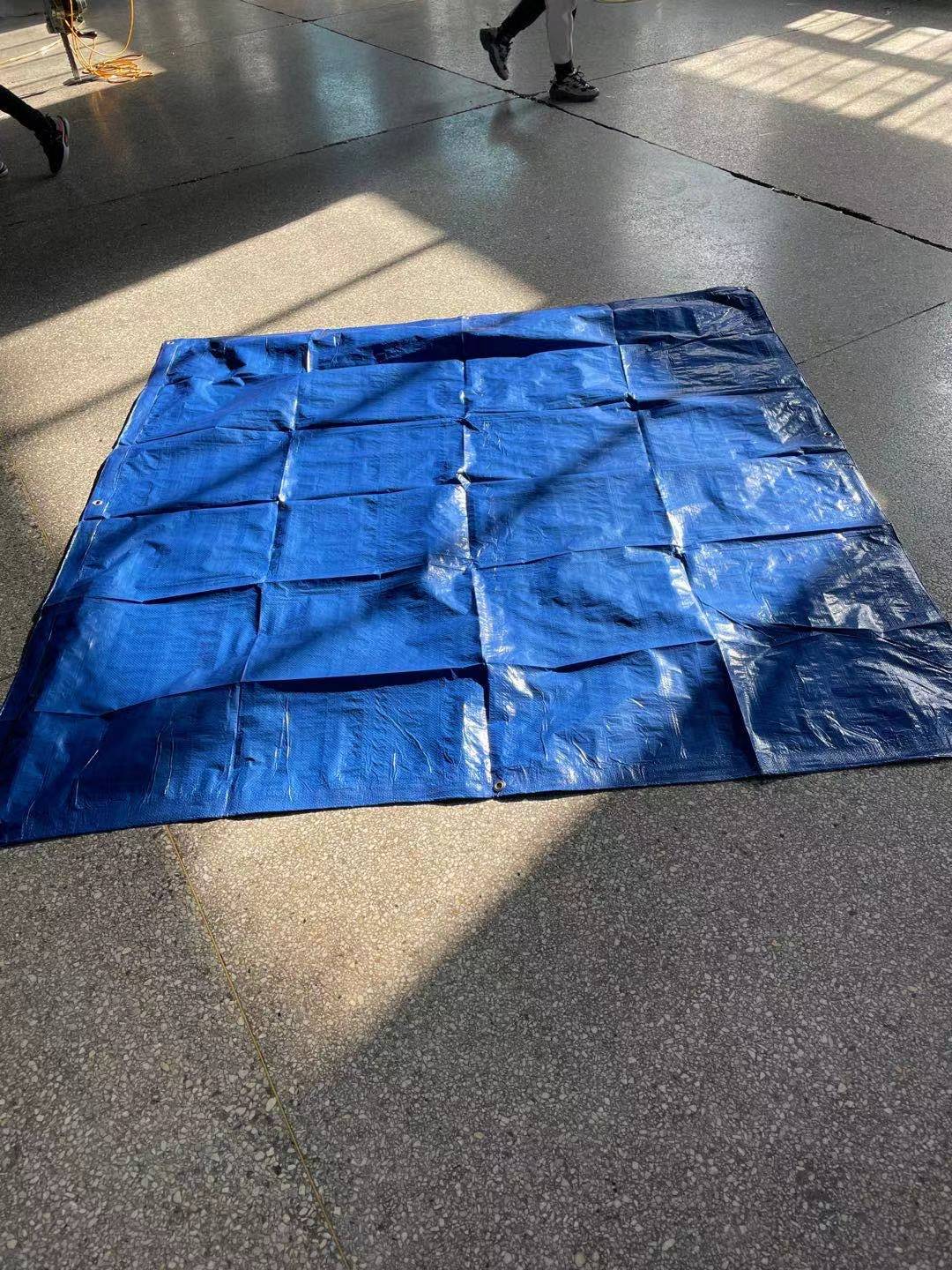
Key Differences Between 10 Mil and 16 Mil Tarps
Strength and Durability
The most noticeable difference is material strength. A 16 mil tarp contains more material and can usually withstand greater pulling force, surface friction, and repeated handling.
This makes it better suited for sharp-edged cargo, timber, steel products, machinery, construction materials, and long-term outdoor storage.
A 10 mil tarp still provides reliable protection for lighter-duty applications, especially when it is installed properly and kept away from sharp objects.
Weight and Handling
A 10 mil tarp is easier for workers to lift, position, fold, and remove. This can reduce installation time and labor requirements, especially when covering large areas.
A 16 mil tarp is heavier and may require additional workers or lifting equipment. However, the added weight can help the tarp remain more stable when correctly secured in exposed outdoor environments.
For applications requiring frequent installation and removal, handling efficiency should be considered alongside durability.
Tear and Puncture Resistance
A 16 mil tarp normally performs better when exposed to abrasive materials, sharp corners, rough ground, or repeated movement.
A 10 mil tarp may tear more easily if it is stretched across protruding surfaces or allowed to flap continuously in strong wind. Padding sharp corners and using proper fastening methods can significantly improve service life.
Weather and UV Resistance
Both tarp thicknesses can provide waterproof protection, but a 16 mil tarp is generally more suitable for heavy rain, snow, wind, and prolonged outdoor exposure.
UV treatment is also important. Sunlight can gradually make polyethylene tarps brittle, causing cracking, fading, and reduced strength. Buyers planning long-term outdoor use should confirm that the tarp contains suitable UV stabilizers.
A thicker tarp without UV protection may deteriorate faster than a properly treated tarp with a lower mil rating.
Cost and Long-Term Value
A 10 mil tarp usually has a lower purchase price, lower shipping cost, and easier storage requirements. It is often more economical for temporary projects, seasonal use, and applications with moderate exposure.
A 16 mil tarp costs more initially but may offer better long-term value when it can be reused across multiple projects or seasons.
Professional buyers should compare total cost per use rather than focusing only on unit price.
How to Choose Between a 10 Mil and 16 Mil Tarp
A 10 mil tarp may be suitable for:
- Occasional transportation
- Short-distance routes
- Lightweight cargo
- Smooth materials
- Moderate weather
- Buyers prioritizing easy handling
A 16 mil tarp is usually better for:
- Frequent commercial transportation
- Long-distance delivery
- Heavy or irregular cargo
- Abrasive materials
- Strong wind and heavy rain
- Repeated installation and removal
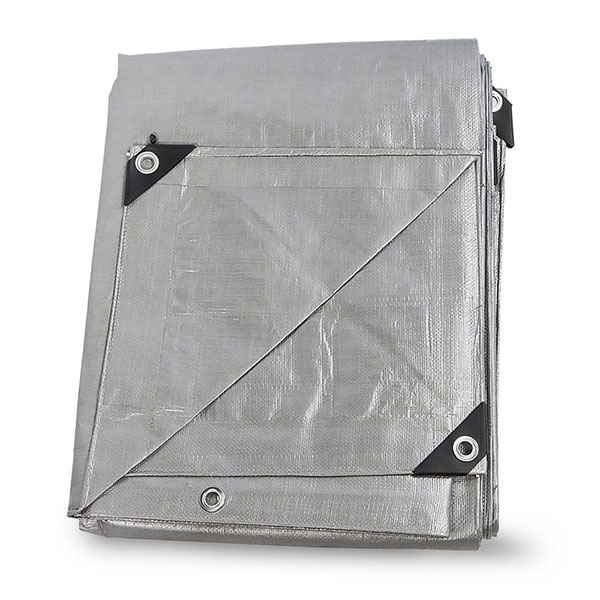
Tarpaulin buyers should also consider reinforced hems, strong eyelets, rope-reinforced edges, UV treatment, waterproof coating, and suitable attachment spacing.
Conclusion
A 10 mil tarp is a practical option for lightweight, temporary, seasonal, and general-purpose covering. It is easier to handle, transport, fold, and store while keeping project costs under control.
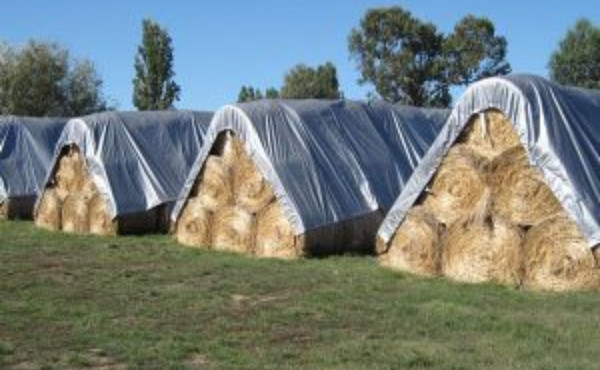
A 16 mil tarp provides stronger protection for truck cargo, industrial equipment, agricultural storage, construction materials, and repeated outdoor use. Its greater thickness improves resistance to tearing, punctures, abrasion, and harsh weather.
The best choice depends on the covered material, service period, environment, installation requirements, and total cost. Buyers should also evaluate fabric quality, UV treatment, reinforcement, and fastening design before placing a bulk or customized tarp order.