Truck tarps protect cargo from rain, sunlight, dust, wind, road debris, and other risks during transportation. However, not all truck tarp materials offer the same level of waterproofing, durability, flexibility, or load protection. Choosing the correct material can reduce cargo damage, improve handling efficiency, and extend the working life of the tarp.
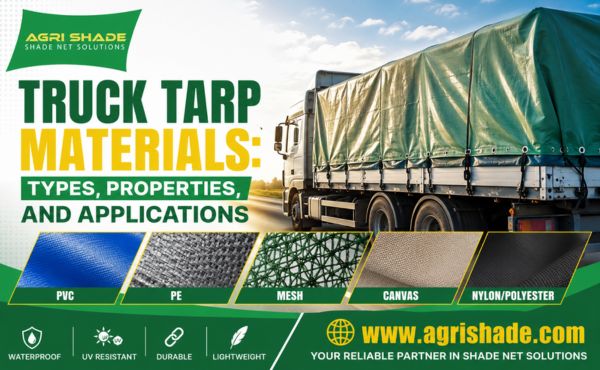
The most common truck tarp materials include PVC-coated polyester, polyethylene, mesh, canvas, nylon, and lightweight polyester. Each material is suitable for different vehicles, cargo types, climates, and operating conditions.
What Are Truck Tarps Made Of?
Truck tarps are usually made from woven fabrics that are coated, laminated, or treated to improve their outdoor performance. The base fabric provides strength, while the surface coating helps improve waterproofing, abrasion resistance, UV resistance, and flexibility.
Common truck tarp constructions include:
- Polyester fabric coated with PVC
- Woven HDPE fabric laminated with polyethylene
- Open-weave polyester or polyethylene mesh
- Treated cotton or polyester-cotton canvas
- Coated nylon or lightweight polyester fabric
The best truck tarp material depends on how often the tarp will be used, what type of cargo it will cover, and the weather conditions it will face.
Main Types of Truck Tarp Materials
PVC-Coated Polyester Truck Tarps
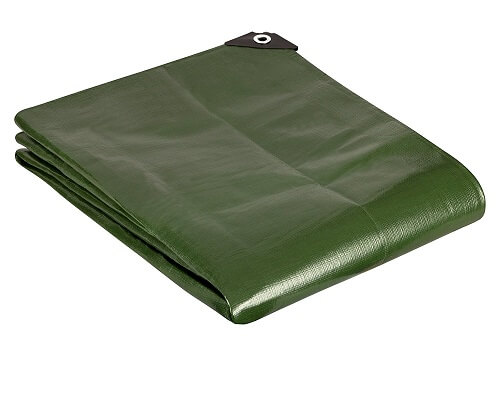
PVC-coated polyester is one of the most widely used materials for heavy-duty truck tarps. It consists of a strong woven polyester base fabric covered with a PVC coating. This construction provides high tensile strength, excellent waterproofing, and good resistance to abrasion.
PVC truck tarps are heavier than PE tarps, but they normally offer better long-term durability. They can withstand frequent folding, pulling, tensioning, and exposure to outdoor weather.
Key properties include:
- Excellent waterproof performance
- High tear and tensile strength
- Good abrasion resistance
- Strong UV and weather resistance
- Flexible and easy-to-clean surface
- Suitable for frequent commercial use
- Available in custom colors and weights
PVC-coated polyester is commonly used for flatbed truck covers, side-curtain trucks, machinery transport, steel loads, lumber, construction materials, and long-distance freight. It is also commonly described as vinyl tarp material in some markets.
PE Truck Tarps
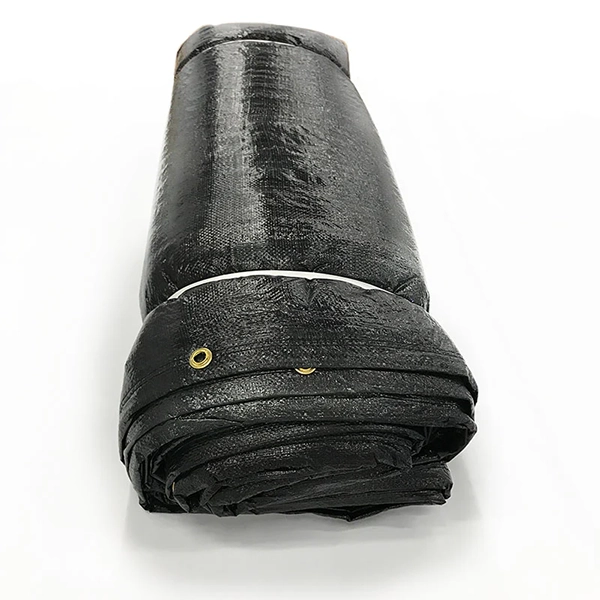
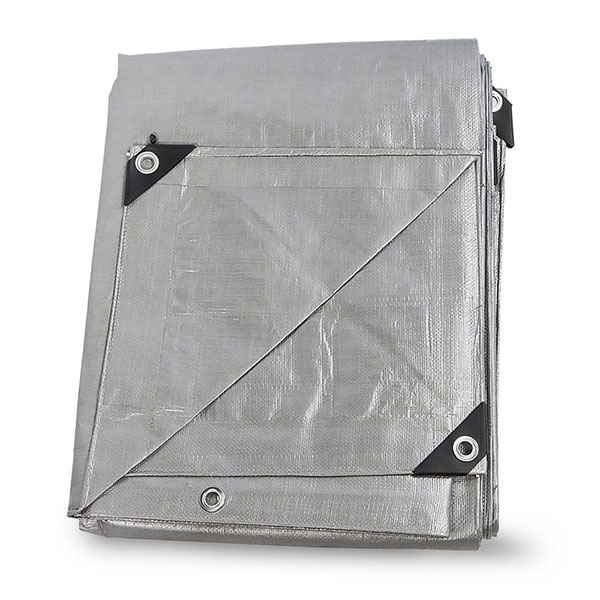
PE truck tarps are generally made from woven high-density polyethylene fabric with a polyethylene laminate on both sides. They are lightweight, waterproof, easy to fold, and more economical than heavy-duty PVC tarps.
PE tarps are suitable for applications where users need large-area coverage without adding excessive weight. They are easy for drivers and workers to install, remove, fold, and store.
Main properties include:
- Lightweight construction
- Waterproof surface
- Cost-effective price
- Easy handling and storage
- Resistance to mold and many chemicals
- Suitable for temporary and medium-duty use
Compared with PVC-coated polyester, PE tarp material usually has lower abrasion resistance and may not last as long under daily heavy-duty use. However, it remains a practical choice for agricultural cargo, hay, grain, equipment, temporary truck covers, and short- to medium-distance transportation.
Mesh Truck Tarps
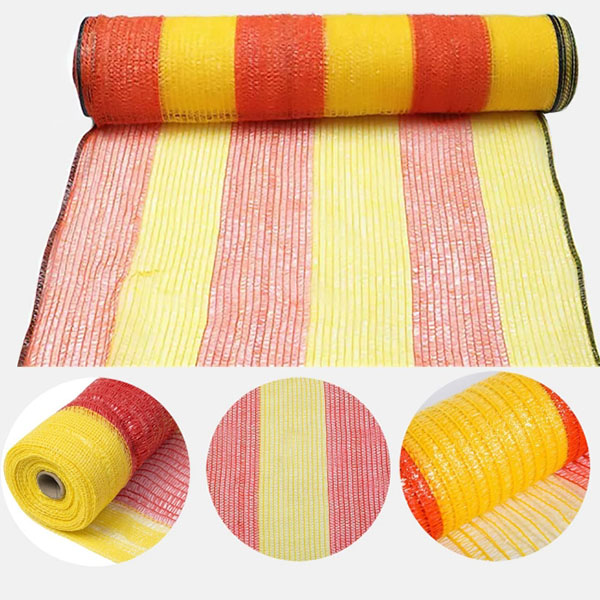
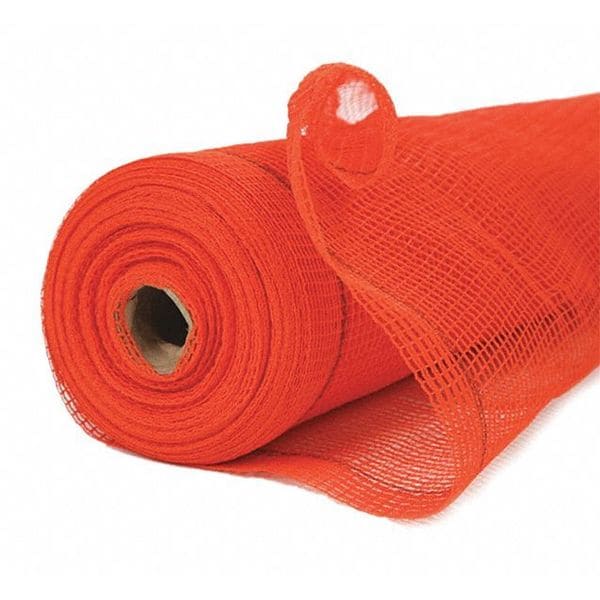
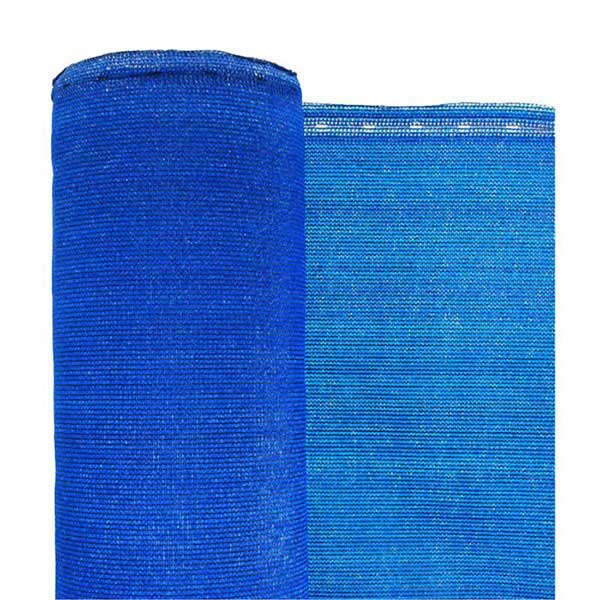
Mesh truck tarps have an open-weave structure that allows air and water to pass through. Their main purpose is not to provide complete waterproof protection. Instead, they help contain loose materials while reducing wind resistance.
This makes mesh tarps especially suitable for dump trucks, landscaping trucks, waste vehicles, and agricultural transportation.
Key advantages include:
- Good airflow
- Reduced wind drag
- Lightweight handling
- Water drainage
- Debris containment
- Good visibility through the fabric
Mesh truck tarps are commonly used for sand, gravel, soil, leaves, waste, mulch, produce, and other loose loads. Different mesh densities are available depending on the size of the cargo and the required level of containment.
Canvas Truck Tarps
Canvas tarps are traditionally made from cotton or polyester-cotton fabric. The material may be treated to improve water resistance, mildew resistance, and outdoor durability.
Unlike PVC and PE tarps, canvas is breathable. This can help reduce condensation when covering machinery, equipment, or cargo that should not be completely sealed.
Canvas tarp properties include:
- Good breathability
- Strong abrasion resistance
- Less slippery surface
- Good grip around cargo
- Suitable for moderate weather conditions
- Can absorb water if not fully treated
Canvas truck tarps are often used for machinery, tools, equipment, and loads that require ventilation. However, most standard canvas tarps are water-resistant rather than completely waterproof. They can also become heavier when wet and require proper drying before storage.
Nylon and Lightweight Polyester Tarps
Nylon and lightweight polyester tarps are used when portability and compact storage are important. These fabrics offer good strength relative to their weight and can be coated with PU, PVC, or silicone to improve water resistance.
They are commonly used for pickup trucks, trailers, recreational transport, emergency covers, and lightweight cargo. However, they may not provide the same abrasion resistance as heavy-duty PVC tarpaulin unless additional reinforcement is added.
Truck Tarp Material Comparison
| Material | Waterproofing | Durability | Weight | Breathability | Best Application |
|---|---|---|---|---|---|
| PVC-coated polyester | Excellent | High | Heavy | Low | Heavy-duty and frequent transport |
| PE tarp | Good | Medium | Light | Low | General and temporary covering |
| Mesh tarp | Low | Medium to high | Light | Excellent | Loose loads and debris containment |
| Canvas tarp | Moderate | High | Heavy | Good | Machinery and breathable cargo |
| Nylon or polyester | Depends on coating | Medium | Very light | Varies | Lightweight and portable covers |
No single material is suitable for every truck-covering application. Buyers should compare waterproofing, weight, durability, handling requirements, and service life before making a decision.
Important Properties of Truck Tarp Materials
Waterproof Performance
A waterproof truck tarp should prevent water from penetrating the main fabric. However, overall performance also depends on the seams, eyelets, joining areas, and installation method.
Heat-welded seams generally provide better water resistance than stitched seams. Cargo that is highly sensitive to moisture may also require reinforced edges and secure tensioning to prevent rain from entering underneath the tarp.
Tear and Tensile Strength
Tensile strength refers to the material’s ability to withstand pulling force. Tear strength measures how well the tarp resists the spread of an existing cut or puncture.
Heavy, sharp, or irregular cargo requires stronger fabric, reinforced corners, and additional webbing. Steel, lumber, machinery, and construction materials can quickly damage a lightweight tarp if the edges are not protected.
Abrasion Resistance
Truck tarps may rub against cargo, vehicle frames, straps, corners, and road surfaces. Repeated friction can weaken the coating and eventually expose the base fabric.
PVC-coated polyester usually provides good abrasion resistance for daily transport. For demanding applications, buyers should also specify reinforced wear zones, corner patches, and stronger edge construction.
UV and Weather Resistance
Outdoor tarps are continuously exposed to sunlight, rain, wind, heat, and temperature changes. UV-stabilized materials can help slow fading, cracking, and loss of strength.
Truck operators working in sunny or high-temperature regions should select tarps with suitable UV treatment. For cold regions, low-temperature flexibility is also important because some materials can become stiff or brittle.
Fabric Weight and Thickness
Truck tarp weight is often measured in grams per square meter, commonly written as GSM, or in ounces per square yard.
A higher GSM often indicates a heavier fabric, but it does not automatically guarantee better quality. Buyers should also consider:
- Yarn strength
- Weaving density
- Coating thickness
- Base-fabric construction
- Seam quality
- UV treatment
- Edge reinforcement
- Hardware quality
For example, a well-manufactured tarp with strong yarn and even coating may perform better than a heavier tarp made from lower-quality materials.
Applications of Different Truck Tarp Materials
Flatbed trucks often use PVC-coated polyester because it provides strong waterproofing and durability for machinery, lumber, steel, and construction materials.
Dump trucks commonly use mesh tarps because airflow reduces wind resistance while helping contain gravel, soil, waste, and landscaping materials.
Agricultural trucks may use PE tarps for hay, grain, feed, and general waterproof covering. Mesh is useful for produce that requires airflow, while canvas may be selected for cargo that needs ventilation.
Side-curtain trucks usually require reinforced PVC-coated polyester because the material must remain flexible, stable, printable, and resistant to frequent opening and closing.
Pickup trucks and small trailers may use lightweight PE, polyester, or nylon covers because they are easy to handle and store.
How to Choose the Right Truck Tarp Material
Start by identifying the cargo. Sharp-edged and heavy loads require stronger material than soft, lightweight cargo. Loose materials may need mesh containment, while moisture-sensitive goods require waterproof fabric.
Next, consider operating conditions. Frequent rain, strong sunlight, low temperatures, and high wind can affect tarp performance. Buyers should also decide whether the tarp is needed for occasional, seasonal, or daily commercial use.
Important specifications to confirm include:
- Finished tarp dimensions
- Material type
- Fabric weight or GSM
- Waterproof or breathable construction
- UV resistance
- Operating temperature
- Reinforced edges and corners
- Eyelet type and spacing
- D-rings, straps, and buckles
- Logo printing
- Custom colors
- Packaging requirements
- Order quantity
Providing complete specifications helps manufacturers recommend the most suitable construction and prepare a more accurate quotation.
PVC, PE, Mesh, or Canvas: Which Is Best?
PVC-coated polyester is generally best for frequent heavy-duty transport where durability, waterproofing, and abrasion resistance are priorities.
PE is suitable for buyers who need a lightweight, waterproof, and cost-effective truck cover.
Mesh is the preferred option for dump trucks and loose cargo that requires airflow and reduced wind drag.
Canvas is useful when breathability, surface grip, and condensation control are more important than complete waterproofing.
The best material should always be selected according to the cargo, vehicle, weather exposure, service life, and budget.
Truck Tarp Care and Maintenance
Proper maintenance can extend tarp service life. Clean dirt, oil, chemicals, and debris after use. Allow the tarp to dry completely before folding and storing it.
Avoid dragging the tarp over sharp surfaces or repeatedly folding it along the same line. Small cuts and worn seams should be repaired before they become larger. Eyelets, webbing, straps, and reinforced corners should also be inspected regularly.
Frequently Asked Questions
What is the best material for a truck tarp?
PVC-coated polyester is often selected for heavy-duty use, while PE is suitable for lightweight and economical covering. Mesh and canvas are better for specialized applications.
Are PE truck tarps waterproof?
Most laminated PE truck tarps are waterproof, but the seams, attachment points, and installation also affect overall protection.
Are mesh truck tarps waterproof?
No. Standard mesh tarps allow air and water to pass through. They are mainly used for debris containment and reduced wind resistance.
What material is used for dump truck tarps?
Mesh polyester or polyethylene is commonly used for dump trucks carrying gravel, soil, waste, and landscaping materials.
Can truck tarps be customized?
Yes. Truck tarps can be customized by size, material, GSM, color, reinforcement, eyelet spacing, hardware, logo printing, and packaging.
Conclusion
Truck tarp materials differ significantly in waterproofing, weight, breathability, strength, and durability. PVC-coated polyester is suitable for demanding commercial transport, PE provides economical waterproof protection, mesh controls loose loads, and canvas offers breathability. By matching the tarp material to the cargo, vehicle, climate, and usage frequency, buyers can achieve more reliable protection and better long-term value.