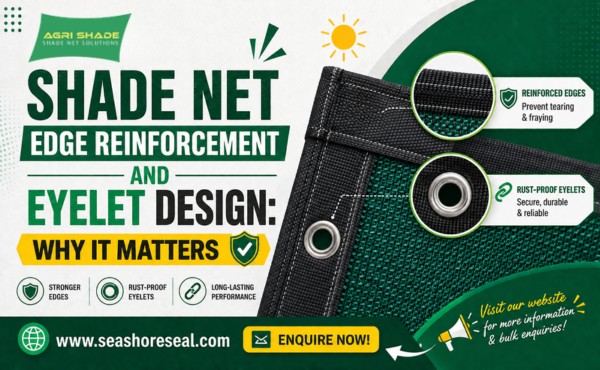
Shade net edge reinforcement plays a vital role in the safety and durability of netting. Reinforced edging along the edges helps prevent tearing and increases protection for the material. Quality metal eyelets and reinforced edging keep netting secure under tension, which supports safety and prevents damage. Reinforced eyelet placement and strong edge reinforcement distribute stress across the netting, which boosts the protection and lifespan of shade nets. Reinforced edging uses high-quality material to create tear-resistant shade nets that withstand wind and installation stress. Proper edging and metal eyelets offer safety, durability, and protection for netting in all conditions.
Key Factors Affecting Eyelet Performance
Eyelet spacing and load distribution
Eyelet spacing affects how netting handles load and stress. Closely spaced eyelets help distribute tension across the netting, which improves safety and reduces tearing. Proper spacing also supports load distribution, making shade nets more durable in windy conditions.
Tip: Always check the spacing between eyelets before installing netting. This helps prevent stress concentration and increases safety.
Edge thickness and reinforcement match
Edge thickness must match the reinforcement used in shade nets. Thicker edges with reinforced stitching provide extra protection against structural stress. This combination keeps the material strong and prevents damage from tension during installation.
- Reinforced edges support safety by reducing the risk of tearing.
- Matching edge thickness with quality reinforcement increases durability.
UV and corrosion resistance
Shade nets face constant exposure to sunlight and moisture. UV resistance protects the material from breaking down under stress. Corrosion-resistant eyelets keep netting secure and maintain safety in harsh environments.
| Feature | Benefit |
|---|---|
| UV resistance | Prevents material decay |
| Corrosion resistance | Maintains safety |
Quality materials ensure shade nets last longer and withstand environmental stress.
Wind load and tension stress
Wind load puts extra tension on netting. Reinforced edges and strong eyelets help shade nets resist structural stress caused by wind. This design keeps the material stable and supports safety during storms.
- Netting must handle repeated load and tension without failing.
- Reinforced features protect against stress and extend durability.
Shade nets with proper edge reinforcement and eyelet design offer better safety and durability. These features help netting withstand load, tension, and environmental stress.
Failure Caused by Poor Edge Reinforcement
Common issues
Weak edges often lead to tearing in netting. Sagging occurs when the netting loses tension and cannot stay tight. Eyelet pull-out is another problem that affects safety and makes shade nets less reliable.
Note: Poor edge reinforcement increases the risk of damage and reduces safety for people and property.
Real-world scenarios
Greenhouses depend on netting to protect plants from harsh sunlight. Construction sites use shade nets to shield workers and equipment. In agriculture, netting covers crops and livestock. Weak edges in these settings cause frequent failures and threaten safety.
- Greenhouse netting with weak edges may tear during storms.
- Construction netting can sag or pull out, risking worker safety.
- Agricultural shade nets may fail, exposing crops to sun and wind.
Cost impact of premature replacement
Replacing damaged netting costs money and time. Shade nets with poor edge reinforcement need frequent repairs. This reduces durability and increases expenses for users.
| Problem | Cost Impact |
|---|---|
| Tearing | Higher replacement |
| Sagging | Increased labor |
| Eyelet pull-out | Lost productivity |
Investing in quality netting improves safety and durability. It lowers the risk of weak edges and saves money over time.
Best Practices for Edge Reinforcement Design
Reinforcement width and stitching methods
Reinforced edges help shade nets resist tearing and damage. Wider reinforcement adds strength to netting and supports the material during tensioning techniques. Double stitching increases durability and keeps the netting secure in harsh conditions. Quality solutions use strong thread and proper width to protect the material from stress.
Tip: Choose netting with reinforced edges and double stitching for better performance.
Eyelet placement for even tension
Eyelet placement affects how netting handles tension. Even spacing allows the material to distribute force across the reinforced edge. Quality shade nets use eyelets that match the reinforced area, preventing weak spots. Proper placement helps netting stay tight and reduces the risk of tearing.
- Install with wind load consideration to keep netting stable.
- Reinforced eyelets improve durability and safety.
Matching GSM and net density
Shade nets come in different GSM and net density levels. Matching these features to the reinforced edge ensures the material stays strong. Quality netting uses the right GSM for the application and pairs it with reinforced solutions. This combination protects the material and extends durability.
| GSM Level | Net Density | Reinforced Edge | Application |
|---|---|---|---|
| Low | Loose | Light | Temporary shading |
| Medium | Standard | Medium | Greenhouse use |
| High | Tight | Heavy | Construction sites |
Reinforced netting with proper GSM and density offers reliable protection. Quality material and solutions help shade nets last longer and perform well.
Choosing the Right Eyelet Design
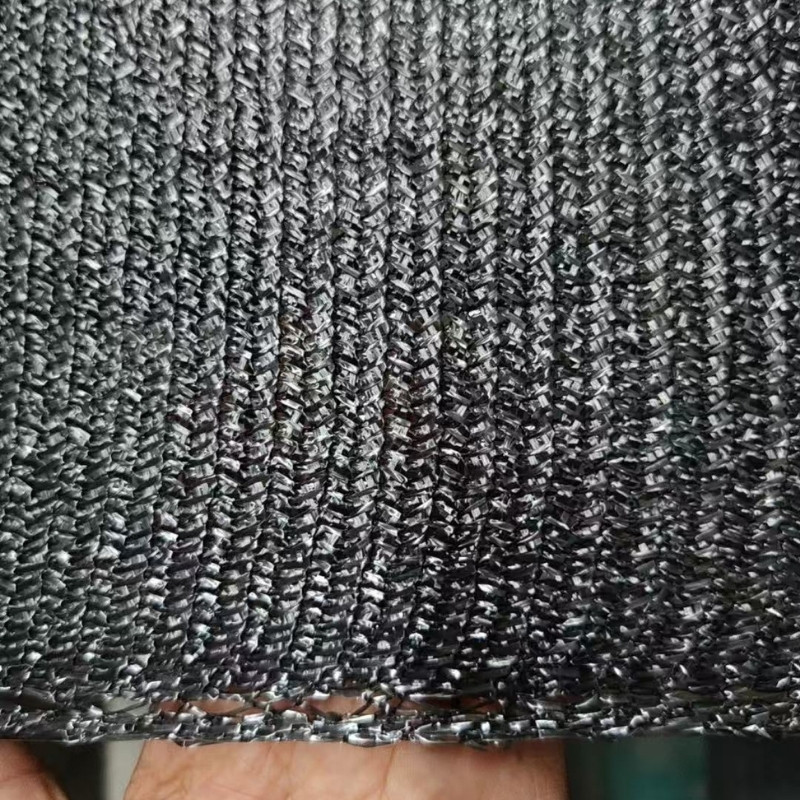
Agriculture vs construction use
Agriculture and construction have different needs for netting. In agriculture, netting often covers crops or greenhouses. These applications require eyelets that resist rust and allow for easy adjustments. Construction sites use netting to protect workers and equipment. Here, eyelets must handle heavy loads and frequent movement. The right eyelet design improves durability and keeps shade nets secure in both settings.
| Application | Eyelet Feature Needed | Reason |
|---|---|---|
| Agriculture | Corrosion resistance | Outdoor exposure |
| Construction | Heavy-duty reinforcement | High tension & safety |
Temporary vs long-term installation
Temporary netting needs eyelets that allow for quick setup and removal. Lightweight eyelets work well for short-term use. Long-term installations require stronger eyelets that resist wear and weather. Reinforced edges and sturdy eyelets help maintain netting shape and function over time. Choosing the right design increases durability and reduces maintenance.
Tip: For long-term use, inspect netting regularly to check for eyelet wear or edge damage.
High-wind and coastal conditions
Areas with high wind load or coastal weather need special netting features. Eyelets must be spaced closely to prevent tearing. Reinforced edges help netting stay tight and resist strong gusts. Materials should resist salt and moisture to prevent corrosion. Shade nets with these features last longer and protect property in harsh environments.
- Use netting with extra stitching and strong eyelets for windy or coastal areas.
- Proper design prevents failure and extends the life of shade nets.
Conclusion
Shade net edge reinforcement and eyelet design help prevent tearing in netting. These features improve durability and keep netting strong in many conditions. Netting with proper reinforcement lasts longer and protects better. Users should check netting for strong edges and quality eyelets. Good netting reduces damage and saves money over time. For best results, ask suppliers about netting durability and design. Regular inspection of netting helps maintain safety and performance.