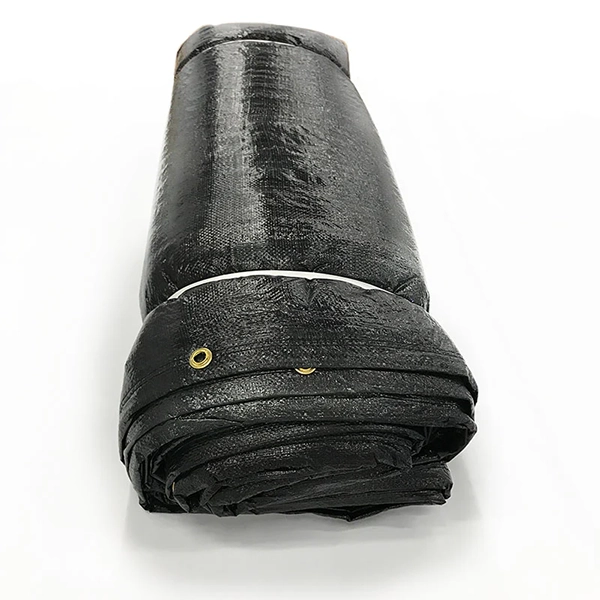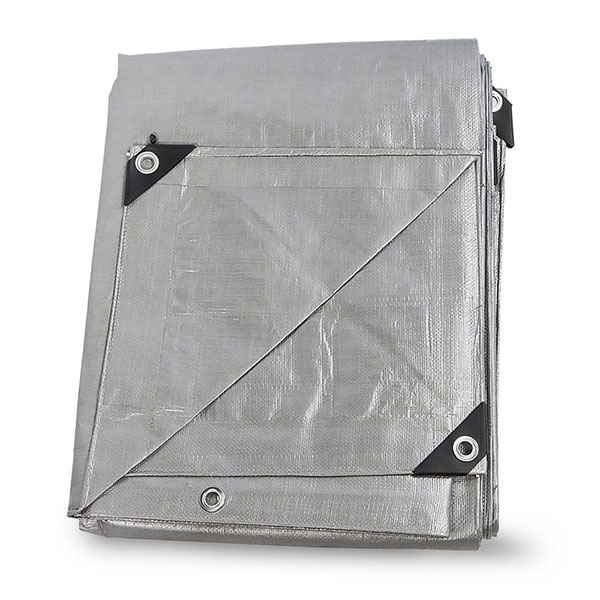
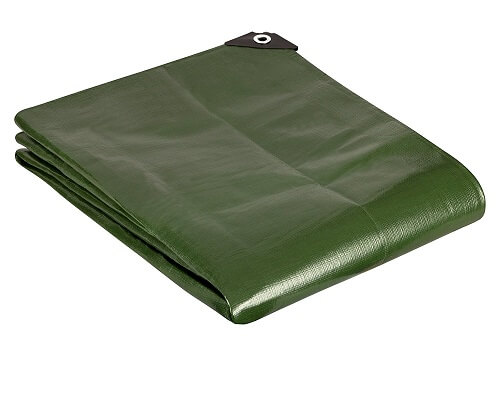
PE tarpaulin is a strong, flexible plastic sheet made from polyethylene. Farmers and builders use PE tarpaulin to shield goods, machinery, and surfaces from rain, sun, and dust. This material resists tearing and keeps water out. PE tarpaulin helps protect crops during harvest and prevents equipment from rusting. Many workers rely on PE tarpaulin for weather protection and daily tasks. The range of PE Tarpaulin Applications shows its value for both construction and agriculture. People choose PE tarpaulin because it lasts long and works in many situations.
PE Tarpaulin Properties and Benefits
Material Features
PE tarpaulin stands out because of its strong material. The PE fibers make the tarpaulin tough and flexible. Many PE tarpaulin covers have a woven core and a laminated surface. This design gives the covers extra strength. The PE tarpaulin does not tear easily. It can handle rough handling on farms and construction sites. The smooth surface of PE tarpaulin makes cleaning simple. These covers also resist chemicals and stains. Many people choose PE tarpaulin for its lightweight feel. Workers can move and install these covers without much effort.
Weather Resistance
PE tarpaulin offers excellent weather protection. The waterproof layer keeps rain and moisture away from goods and equipment. PE tarpaulin covers shield items from wind, dust, and debris. The uv treatment on many PE tarpaulin covers helps block sunlight. This feature prevents fading and damage from the sun. PEe tarpaulin uses include covering crops, building materials, and machinery. Construction tarps made from PE tarpaulin keep worksites dry and safe. Farmers use PE tarpaulin covers to protect harvests from sudden storms. The durability of PE tarpaulin ensures long-lasting performance in harsh weather.
Tip: Always secure PE tarpaulin covers tightly to prevent wind from lifting them during storms.
Cost and Versatility
PE tarpaulin is affordable compared to other types of tarpaulin. The low cost makes it easy for farmers and builders to buy large covers. PE tarpaulin covers come in many sizes and thicknesses. This versatility allows users to pick the right cover for each job. The same PE tarpaulin can serve as a groundsheet, a roof, or a storage cover. Many people use PE tarpaulin for both short-term and long-term projects. The durability of PE tarpaulin means fewer replacements and lower costs over time. PE tarpaulin covers help save money while offering strong protection.
| Feature | Benefit |
|---|---|
| Waterproof | Keeps items dry |
| UV Resistant | Blocks sunlight |
| Durable | Lasts through tough use |
| Lightweight | Easy to handle and install |
| Versatile | Fits many PE tarpaulin uses |
PE Tarpaulin Applications in Construction
Weather Protection
PE tarpaulin plays a key role in weather protection on construction projects. These covers shield unfinished buildings, tools, and materials from rain, wind, and sunlight. The waterproof layer keeps water out, which helps prevent damage to wood, cement, and steel. Many construction tarps have uv treatment, so they block harmful rays and reduce fading. Workers use PE tarpaulin to create temporary roofs and walls. These covers help keep work areas dry and safe during storms. PE tarpaulin applications in weather protection allow construction to continue even when the weather changes quickly. The durability of PE tarpaulin means these covers last through many uses.
Note: Secure PE tarpaulin covers with ropes or weights to stop wind from lifting them during bad weather.
Dust and Safety Barriers
Dust and debris containment is important on construction sites. PE tarpaulin covers act as strong barriers that keep dust and dirt from spreading. Workers hang these covers around work zones to protect nearby areas and people. The smooth surface of PE tarpaulin makes it easy to clean off dust and mud. These covers also help control noise and limit access to dangerous spots. Temporary barriers made from PE tarpaulin improve safety and keep the site organized. The construction industry values PE tarpaulin for its ability to create quick and effective dust and safety barriers.
Material and Equipment Covering
Construction projects need to protect tools, machines, and building materials. PE tarpaulin covers provide a simple way to shield these items from weather and theft. Workers use PE tarpaulin to cover piles of sand, bricks, and lumber. These covers also protect cement mixers, scaffolding, and other equipment. The lightweight design of PE tarpaulin makes it easy to move and adjust the covers as needed. Temporary storage areas often use PE tarpaulin covers to keep everything dry and clean. The versatility of PE tarpaulin uses means one cover can protect many types of materials. This reduces waste and saves money for construction companies.
| Item Protected | Type of Cover Used | Benefit Provided |
|---|---|---|
| Building Materials | Temporary PE tarpaulin | Weather and dust shield |
| Equipment | Temporary PE tarpaulin | Rust and theft prevention |
| Tools | Temporary PE tarpaulin | Easy access and safety |
Concrete Curing
PE tarpaulin covers help with concrete curing on construction sites. Fresh concrete needs time to set and gain strength. If the surface dries too fast, cracks can form. Workers use PE tarpaulin to cover new concrete and hold in moisture. These covers create a weather-resistant barrier that protects against sun, wind, and rain. The PE material keeps the curing process steady, which improves the final strength of the concrete. Temporary covers can be removed and reused for other jobs. PE tarpaulin applications in concrete curing support project quality and reduce delays from changing weather.
Tip: Always check that PE tarpaulin covers fit tightly over concrete to keep moisture in and air out.
PE tarpaulin uses in construction are wide and varied. These covers help shield sites, control dust, protect materials, and aid in concrete curing. The durability and weather resistance of PE tarpaulin ensure that construction projects can continue without major delays. PE tarpaulin applications support both safety and efficiency, making them a smart choice for the construction industry.
PE Tarpaulin Applications in Agriculture
Crop Protection and Rice Drying
Farmers face many challenges during the harvest season. Rain, wind, and strong sunlight can damage crops and reduce yields. PE tarpaulin covers offer a simple solution for crop protection. These covers shield grains, fruits, and vegetables from harsh weather. The waterproof fabric keeps moisture away from rice and other grains during drying. This helps prevent mold and spoilage. Many farmers spread PE tarpaulin on the ground to dry rice after harvest. The smooth surface makes it easy to collect every grain. PE tarpaulin applications in rice drying help reduce post-harvest losses and improve the quality of agricultural harvests.
Tip: Always clean PE tarpaulin before spreading crops to avoid contamination.
The uv treatment on PE tarpaulin covers blocks sunlight and protects crops from fading. The tear and puncture resistance of PE tarpaulin ensures long-lasting use, even with heavy loads. These covers are lightweight, so workers can move them quickly when the weather changes. PE tarpaulin uses in crop protection support both small and large farms. The temporary nature of these covers allows farmers to use them only when needed and store them easily.
Greenhouse and Shelter Covers
Greenhouses and shelters play a key role in agriculture and farming. PE tarpaulin covers serve as strong walls and roofs for these structures. The PE material provides weather-resistant and uv protection for plants inside. Farmers use PE tarpaulin to build temporary greenhouses that shield crops from wind, rain, and pests. These covers help control temperature and humidity, creating a better environment for plant growth.
Many shelters for livestock and equipment also use PE tarpaulin. The waterproof layer keeps animals dry and comfortable. Temporary shelters made from PE tarpaulin can be set up quickly during emergencies or seasonal changes. The durability of pe tarpaulin means these covers last through many uses. Farmers can reuse the same cover for different crops or animals each season.
| Structure Type | PE Tarpaulin Use | Benefit Provided |
|---|---|---|
| Greenhouse | Roof and wall covers | Weather and uv protection |
| Livestock Shelter | Temporary roof covers | Dry and safe environment |
| Crop Tunnel | Temporary tunnel covers | Pest and sun protection |
Equipment and Produce Storage
Proper storage is important in agriculture. PE tarpaulin covers protect tools, machines, and harvested produce from rain, dust, and sunlight. Farmers use PE tarpaulin to cover tractors, plows, and irrigation equipment. The PE material resists rust and keeps equipment in good condition. Temporary storage areas for grains, hay, and vegetables often use PE tarpaulin as a barrier against moisture and pests.
PE tarpaulin applications in storage help prevent losses after harvest. The protective qualities of PE tarpaulin keep produce fresh until it reaches the market. These covers are easy to fold and move, so farmers can adjust storage spaces as needed. The durability of PE tarpaulin means fewer replacements and lower costs over time. PE tarpaulin uses in agriculture support both daily operations and long-term planning.
Note: Always secure PE tarpaulin covers with ropes or weights to prevent wind damage.
PE tarpaulin plays a vital role in agriculture. Its temporary and reusable covers offer strong protection for crops, equipment, and shelters. The combination of waterproof, uv, and weather-resistant features makes PE tarpaulin a top choice for many farming needs.
Choosing and Using PE Tarpaulin
Selection Tips
Choosing the right PE tarpaulin depends on your needs in construction or agriculture. Start by checking the thickness and size of the tarpaulin. Thicker covers offer better durability and last longer on construction sites. For agriculture, lighter covers work well for temporary use, such as crop drying or equipment storage. Look for waterproof and uv-treated tarpaulin for strong weather protection. Temporary roof covers and construction tarps should have reinforced edges for extra strength. Always compare the cost and quality to find a cost-effective solution. Remember, PE tarpaulin uses vary, so match the cover to the job for the best protection.
Tip: Measure the area you want to cover before buying to avoid gaps or wasted material.
Installation Guide
Proper installation helps PE tarpaulin last longer and work better. Lay the tarpaulin flat and smooth out any wrinkles. Use ropes, bungee cords, or weights to secure the covers tightly. On construction sites, fasten construction tarps to scaffolding or frames for safety. For agriculture, anchor the tarpaulin with stakes or heavy objects to keep it in place during strong weather. Avoid sharp edges that can tear the PE material. Temporary covers should be easy to remove and reuse. Always check that the tarpaulin is tight to prevent water from pooling.
| Installation Step | Why It Matters |
|---|---|
| Secure all corners | Prevents wind damage |
| Use proper fasteners | Increases durability |
| Avoid sharp objects | Stops tears and holes |
Maintenance Advice
Regular care keeps PE tarpaulin in good shape. Clean the covers with mild soap and water after each use. Let the tarpaulin dry before folding to prevent mold. Store PE covers in a cool, dry place away from sunlight. Inspect for holes or weak spots and repair them with PE patches. Temporary covers should be checked often, especially after storms. Good maintenance extends the durability of your tarpaulin and saves money over time. PE tarpaulin is a cost-effective choice for temporary weather protection in both construction and agriculture.
Note: Replace damaged tarpaulin quickly to keep your equipment and crops safe.
Conclusion
PE tarpaulin offers strong protection for many construction and agriculture tasks. The material keeps equipment, crops, and surfaces safe from weather and dust. PE tarpaulin applications include covering buildings, drying rice, and storing tools. Users should check their needs before choosing a PE cover. Good installation and care help PE tarpaulin last longer.
- PE tarpaulin works well for both short-term and long-term use.
- PE covers are easy to move and store.
Tip: Review your project and select the right PE tarpaulin for the best results.