Colombia is urbanizing fast. Between 2015 and 2024, cities like Bogotá, Medellín, and Cali have seen construction permits increase by over 30%, driven by a growing middle class and ambitious infrastructure programs. But with that growth comes a familiar set of problems—dust clouds drifting into residential neighborhoods, debris falling near busy sidewalks, and projects grinding to a halt under regulatory pressure.
For construction companies operating in these dense urban environments, the question isn’t whether to invest in site protection—it’s how to do it effectively without blowing the budget. That’s where specialized netting solutions, including shade nets and construction debris nets, have become indispensable.
The Urban Construction Challenge in Colombia
Building in a Colombian city is not the same as building in an open field. Urban construction sites face a unique combination of pressures:
- Space constraints: In neighborhoods like Bogotá’s Chapinero or Medellín’s El Poblado, construction sites often sit meters away from occupied buildings, restaurants, and schools.
- Strict environmental regulations: Colombia’s Ministry of Environment enforces air quality standards (Resolución 2254 de 2017), and municipal authorities in major cities require dust and debris containment measures as part of construction permits.
- Safety liability: According to Colombia’s Consejo Colombiano de Seguridad, construction-related accidents remain one of the leading causes of workplace injuries. Falling debris in urban zones adds a public safety dimension that can result in project shutdowns.
- Climate factors: With average temperatures of 28–35°C in cities like Barranquilla and Cali, heat exposure affects both workers and materials.
These aren’t abstract concerns. A single dust complaint from a neighboring business can trigger an inspection. A falling bolt can lead to a lawsuit. Construction companies need practical, affordable tools to manage these risks—and netting products have proven to be one of the most effective options.
How Shade Nets and Debris Nets Address These Challenges
1. Dust Containment
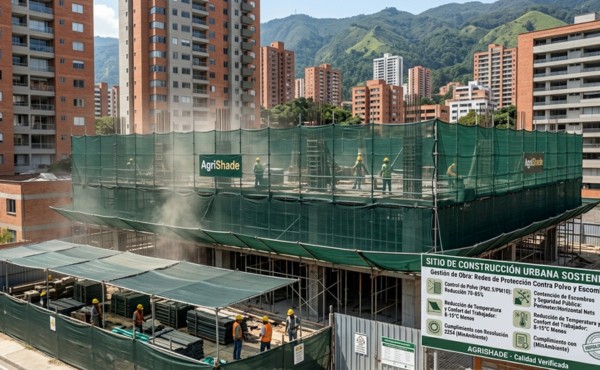
Fine particulate matter (PM2.5 and PM10) generated during demolition, excavation, and concrete work is a major environmental and health concern. High-density polyethylene (HDPE) debris nets with a mesh density of 80–90% can reduce airborne dust dispersion by up to 70–85%, depending on wind conditions and installation quality.
For construction companies, this isn’t just about being responsible—it’s about staying compliant. Colombian urban municipalities increasingly require visible dust mitigation measures before issuing or renewing construction permits.
Practical tip: For maximum dust control, nets should be installed on the windward side of the structure first, with overlapping seams of at least 15 cm to prevent gaps.
2. Debris Containment and Public Safety
Debris nets are specifically engineered to catch falling objects—loose bricks, tools, concrete fragments—before they reach ground level. In urban zones with heavy pedestrian and vehicle traffic, this is non-negotiable.
A well-installed debris net system typically includes:
- Perimeter netting around scaffolding (minimum height of 1.5 m above the working platform)
- Horizontal catch nets at intervals of every 2–3 floors on high-rise projects
- Reinforced attachment points using galvanized steel clips rated for the expected load
When properly deployed, these systems significantly reduce the risk of injury to pedestrians and damage to adjacent property—two scenarios that can result in costly legal action and project delays.
3. Noise Attenuation
Standard shade nets and debris nets are not acoustic barriers in the traditional sense. However, when layered or combined with denser woven materials, they can contribute to a modest reduction in noise transmission—typically in the range of 5–10 dB for high-frequency construction noise.
For projects in noise-sensitive areas (near hospitals, schools, or residential zones), netting can be part of a broader noise management strategy that includes scheduling restrictions and equipment selection. It won’t replace a dedicated acoustic barrier, but it adds a layer of mitigation at a fraction of the cost.
4. Temperature and Material Protection
Colombia’s tropical climate poses a real challenge for material storage on-site. Cement, for instance, begins to hydrate when exposed to excessive heat and humidity, potentially compromising its performance. Fresh concrete can cure too rapidly under direct sun, leading to surface cracking.
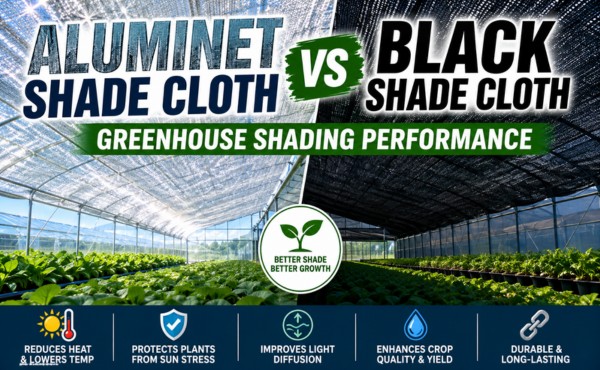
Shade nets with 50–80% UV blocking capacity create cooler microclimates over material storage areas and active pour zones. Field observations suggest temperature reductions of 8–15°C under quality shade netting, which can make a measurable difference in material performance and worker comfort.
5. Worker Welfare
This benefit is often overlooked. Construction workers in Colombian cities frequently operate under intense sun exposure. Heat stress reduces productivity, increases error rates, and contributes to health problems. Shade nets over work areas, break zones, and walkways improve conditions for workers—a factor that matters not only ethically but also in terms of project efficiency.
What to Look for in Construction Netting Products
Not all nets are created equal. When selecting shade nets or debris nets for urban construction in Colombia, consider the following specifications:
| Feature | Recommended Specification |
|---|---|
| Material | Virgin HDPE with UV stabilizers (not recycled, which degrades faster) |
| UV resistance | Minimum 3-year UV warranty for tropical climates |
| Mesh density | 70–90% for debris/dust nets; 50–80% for shade nets |
| Tensile strength | Minimum 25 kN/m for debris nets used on high-rise projects |
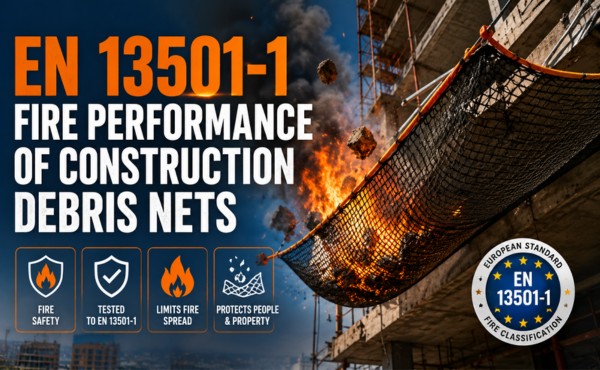
| Fire rating | Self-extinguishing or flame-retardant per local fire codes |
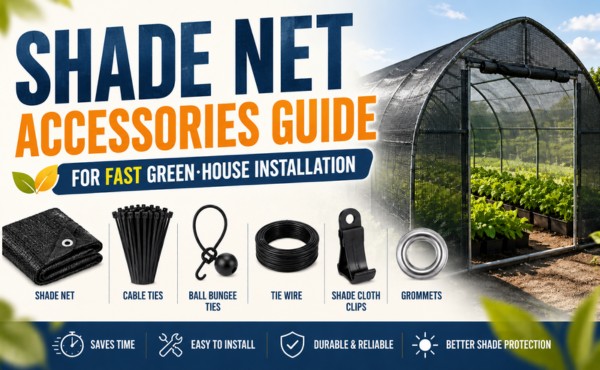
| Edge reinforcement | Reinforced borders with grommets every 50 cm for secure attachment |
Cheaper products may save money upfront but often degrade within months under Colombia’s intense UV exposure, requiring frequent replacement and creating additional waste.
AgriShade: A Manufacturer Worth Considering
Among the manufacturers serving the Colombian market, AgriShade has built a reputation for producing netting products that meet the specifications outlined above. Their product line includes:
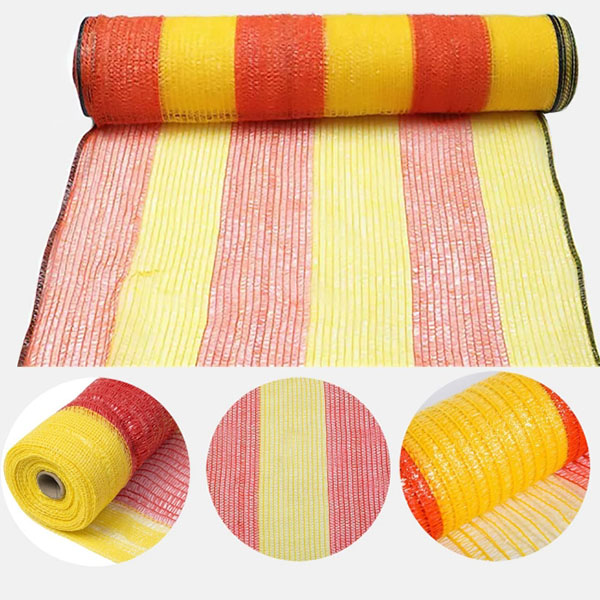
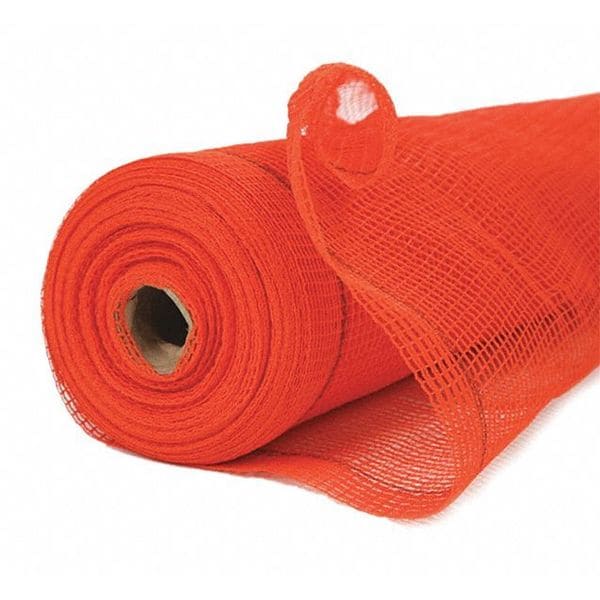
- Construction debris nets in various mesh densities, designed for scaffolding and perimeter containment
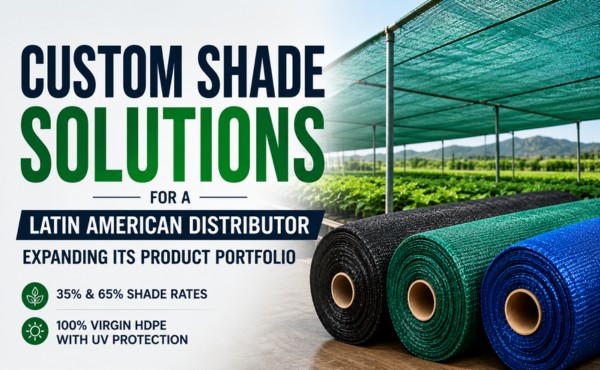
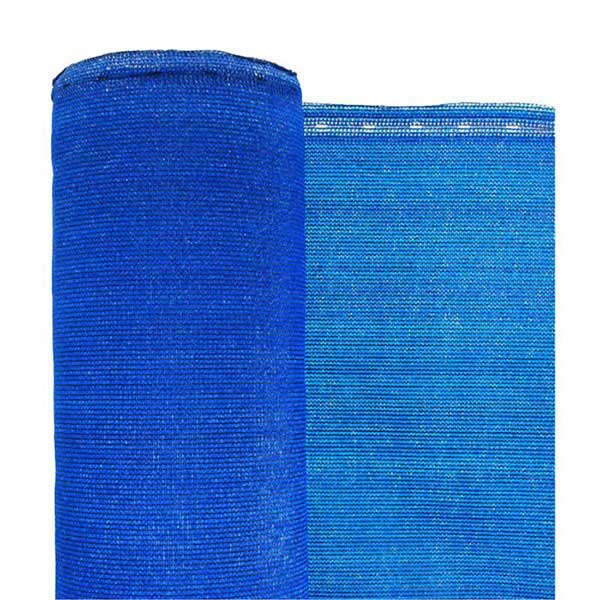
- Shade nets with UV stabilization rated for tropical conditions
- Custom sizing options to fit non-standard scaffolding configurations
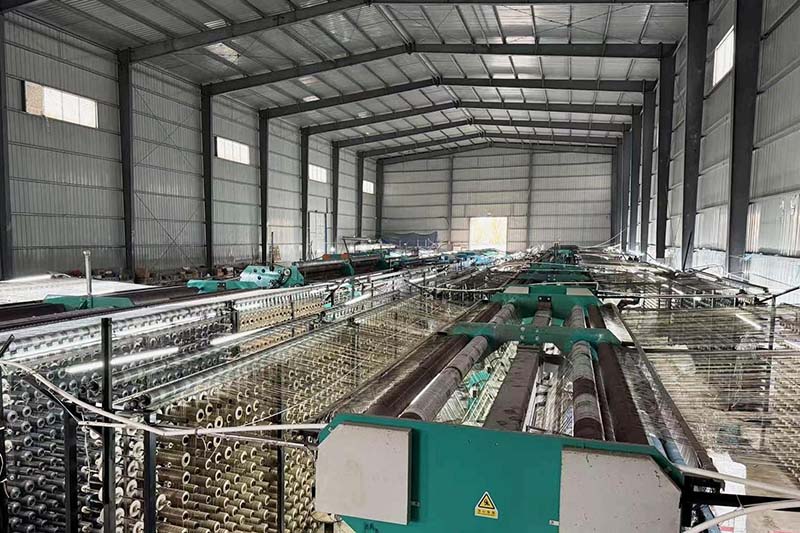
What sets AgriShade apart from many competitors is the combination of material quality (virgin HDPE with UV treatment), competitive pricing for the Latin American market, and availability through established distribution channels in Colombia.
That said, the best product is only as good as its installation. Companies using AgriShade or any other netting product should ensure that installation follows manufacturer guidelines and local safety codes.
Looking Ahead: Netting as Part of Sustainable Construction
Colombia’s construction industry is increasingly moving toward sustainable practices, driven by both regulation and market demand. Green building certifications like LEED and EDGE are gaining traction, and site management practices—including dust control and waste containment—factor into these assessments.
High-quality, durable netting products contribute to sustainability in several ways:
- Reduced environmental impact through effective dust and debris containment
- Lower material waste when construction materials are properly protected from weather
- Extended product lifespan means less frequent replacement and less plastic waste
- Improved community relations, which facilitates smoother project approvals for future developments
Conclusion
Urban construction in Colombia is complex, regulated, and demanding. The companies that succeed are those that treat site management not as an afterthought but as an integral part of project planning. Shade nets and debris nets—simple as they may seem—are proven tools for managing dust, debris, heat, and safety risks on congested urban sites.
For construction managers evaluating their options, the key is to invest in quality products with verified specifications, install them correctly, and integrate them into a comprehensive site management plan. AgriShade offers a solid product line for this purpose, but whatever brand you choose, don’t cut corners—the cost of a site accident or regulatory violation will always exceed the cost of proper netting.