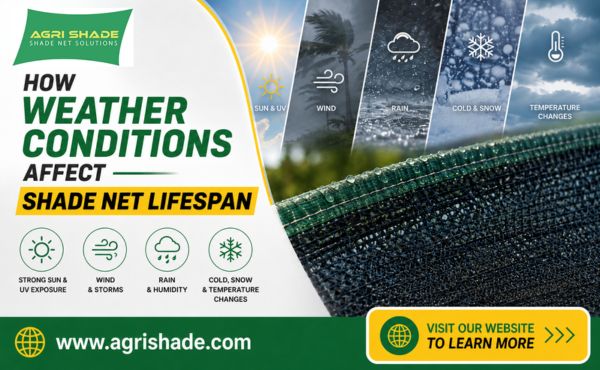
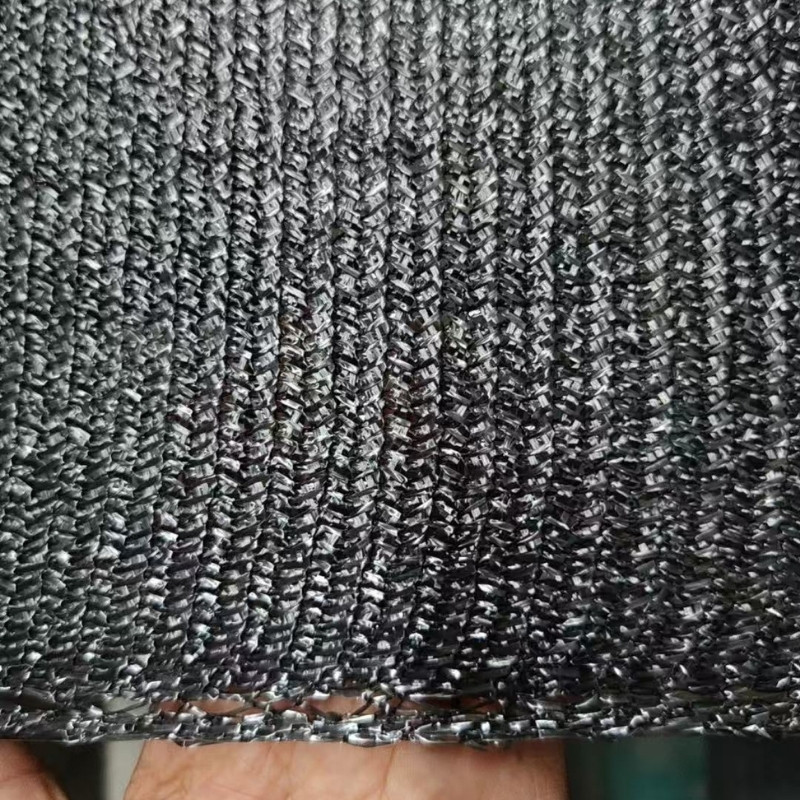
Shade nets are designed for long-term outdoor use, but weather exposure gradually affects their performance. Strong sunlight, high temperatures, wind, rain, snow, dust, and coastal air can all influence material strength, flexibility, color stability, and installation condition.
The actual shade net lifespan depends on both product quality and the environment in which the net is installed. Understanding how different weather conditions cause damage can help users choose the right material, improve installation, and reduce premature replacement.
How Long Do Shade Nets Usually Last?
There is no single service life that applies to every shade net. High quality shade nets can remain in service for several years, but actual lifespan varies significantly depending on UV exposure, wind load, installation quality, and maintenance.
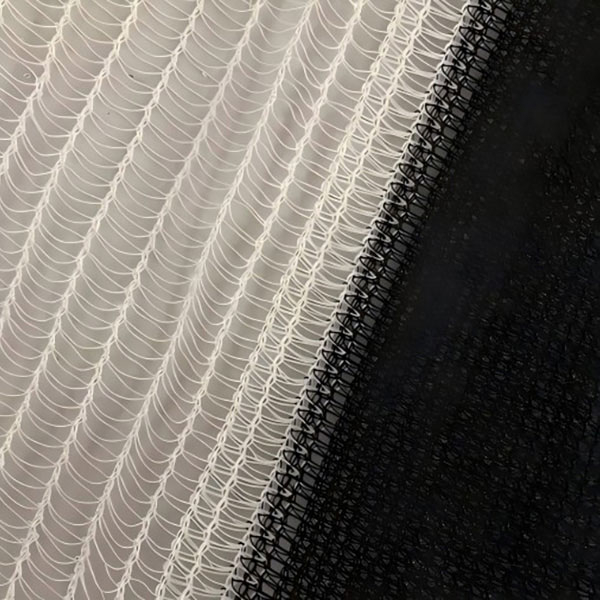
Raw material quality, UV stabilization, knitting structure, shade percentage, reinforced edges, and fixing methods all affect long-term durability. Even high-quality netting can fail early if it is overstretched, poorly secured, repeatedly exposed to severe storms, or allowed to rub against sharp structural components.
For this reason, shade net durability should be evaluated as part of the complete installation rather than by fabric quality alone.
UV Radiation and Sun Exposure
UV radiation is one of the main causes of long-term shade net aging. Continuous sunlight gradually weakens plastic fibers, reducing flexibility and tensile strength. Over time, the material may fade, become brittle, or tear more easily.
UV-stabilized HDPE helps slow this degradation and maintain performance for longer. For shade nets used in tropical, desert, or other high-sunlight regions, UV resistance should be considered an important purchasing specification.
High Temperatures and Heat
High temperatures can accelerate material aging, particularly when combined with strong sunlight. Repeated heating during the day and cooling at night causes HDPE fibers to expand and contract, which may gradually affect flexibility and installation tension.
Quality UV-stabilized HDPE and correct installation can help reduce premature deterioration in hot climates.
Wind and Storm Conditions
Strong wind creates mechanical stress on shade nets, especially around edges, grommets, ropes, and fixing points. Loose netting may flap repeatedly and develop tears, while excessive tension can place too much force on attachment areas.
Shade percentage also affects wind load. Denser nets generally allow less airflow, so they may place greater pressure on supporting structures during storms. In windy locations, reinforced edges, strong grommets, suitable tension, and secure fixing systems are particularly important.
Rain and High Humidity
HDPE shade nets resist water well, so normal rainfall usually causes little direct material damage. Problems are more likely to come from poor drainage, accumulated leaves or debris, and corrosion of metal fittings.
In humid environments, dirt and organic matter may also encourage algae or mold buildup. Regular cleaning and good ventilation help maintain both the net and its supporting structure.
Snow, Ice, and Cold Weather
Snow and ice can place significant additional weight on shade net systems. Heavy accumulation may cause sagging, stretching, damaged edges, or failure around support points.
Cold weather may also reduce material flexibility. In snowy regions, stronger support structures, suitable installation angles, snow removal, or seasonal removal of temporary shade nets can help prevent damage.
Sand, Dust, and Coastal Weather
Wind-driven dust and sand can gradually abrade shade net fibers, especially where the net rubs against frames or support wires. Heavy dust buildup may also reduce airflow, so periodic cleaning is recommended in dry climates.
Coastal salt air mainly affects metal fittings rather than HDPE itself. Eyelets, hooks, cables, and frames may corrode faster, eventually weakening the installation. Corrosion-resistant accessories are a better choice for long-term coastal use.
Which Weather Conditions Cause the Most Damage?
UV radiation and strong wind usually have the greatest impact on shade net lifespan. UV exposure gradually weakens HDPE fibers, while strong wind can cause tearing, stretching, and damage around fixing points. Snow and ice may also create serious stress because of their additional weight.
| Weather Condition | Main Effect on Shade Net | Risk Level |
|---|---|---|
| Strong UV | Fiber aging, brittleness, strength loss | High |
| Strong Wind | Tearing, stretching, edge damage | High |
| Snow & Ice | Excessive load and sagging | High |
| Extreme Heat | Accelerated material aging | Medium–High |
| Dust & Sand | Surface abrasion and buildup | Medium |
| Salt Air | Corrosion of fittings and hardware | Medium |
| Heavy Rain | Added load and debris buildup | Low–Medium |
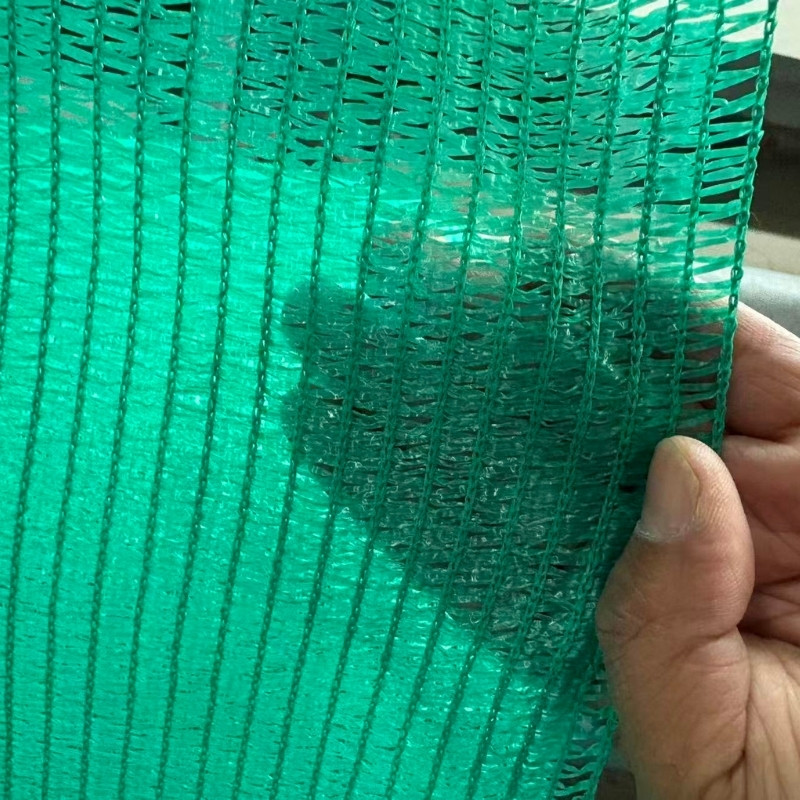
Signs That Weather Is Damaging Your Shade Nets
Weather damage often develops gradually, so regular inspection can prevent small problems from becoming larger failures. Pay particular attention to the net surface, reinforced edges, grommets, and fixing points.
Common warning signs include:
- Fading or noticeable discoloration
- Brittle, stiff, or weakened fibers
- Small holes, cracks, or tears
- Frayed or damaged reinforced edges
- Loose or broken grommets
- Sagging or uneven stretching
- Loss of proper installation tension
If these problems appear repeatedly after strong sunlight, wind, or storms, the shade net may be losing its original strength and should be repaired or replaced before further damage occurs.
How to Extend Shade Net Lifespan in Harsh Weather
Choose UV-Stabilized Virgin HDPE
For long-term outdoor use, choose shade netting made from quality HDPE with UV stabilizers. This helps slow sunlight-related degradation and improves long-term material stability.
Select the Correct Shade Percentage
Choose the shade rate according to the application rather than simply selecting the highest percentage available. Shading requirements should be balanced with airflow and expected wind load.
Use Reinforced Edges and Quality Grommets
Edges and fixing points experience high mechanical stress. Reinforced borders and strong grommets help distribute tension more evenly and reduce the risk of tearing.
Maintain Proper Installation Tension
Shade netting should not be excessively loose or overstretched. Correct tension reduces flapping while avoiding unnecessary strain on ropes, grommets, and reinforced edges.
Inspect the Net After Storms
Check support cables, fixing points, grommets, and edges after strong wind or severe weather. Repairing small problems early can prevent larger sections from failing.
Clean Dust and Debris Regularly
Leaves, branches, dirt, and sand can add unnecessary weight or cause abrasion. Routine cleaning also helps maintain airflow through the knitted structure.
Remove Heavy Snow or Ice
In cold regions, excessive snow and ice should not remain on the net for long periods. Removing additional weight helps protect both the fabric and its supporting structure.
Choosing Shade Nets for Different Climates
The best shade net should match both the application and local weather conditions.
- Hot & Sunny Regions: Choose UV-stabilized HDPE to reduce long-term sunlight degradation.
- Windy Areas: Prioritize strong knitted construction, reinforced edges, and secure fixing systems.
- Rainy & Humid Regions: Ensure good drainage, ventilation, and regular cleaning.
- Desert Areas: Look for strong UV resistance and good resistance to dust and abrasion.
- Coastal Areas: Use corrosion-resistant fittings and durable installation hardware.
- Cold & Snowy Regions: Use stronger support systems and plan for snow-load management.
Matching the shade net specification to the local climate is one of the most effective ways to improve durability and reduce premature replacement.
Frequent Asked Questions
How long does shade netting last outdoors?
A quality UV-stabilized HDPE shade net can remain in service for several years. Actual lifespan depends on sunlight exposure, wind conditions, installation quality, material specifications, and maintenance.
Does sunlight weaken shade cloth?
Yes. Continuous UV exposure gradually reduces the flexibility and strength of plastic fibers. UV stabilizers help slow this degradation and improve long-term outdoor performance.
Can strong wind shorten shade net lifespan?
Yes. Strong or repeated wind can cause flapping, tearing, stretched edges, and damage around grommets and fixing points. Proper tension and reinforced construction help reduce these risks.
Can shade nets stay outside all year?
Many outdoor-grade shade nets can remain installed year-round. However, severe storms, heavy snow, strong wind, or other extreme conditions may require additional maintenance or seasonal removal.
Conclusion
Weather has a major influence on shade net lifespan, especially through UV exposure, wind, heat, and extreme loading. Choosing the right material, suitable shade percentage, reinforced construction, and proper installation can significantly reduce premature damage.
Agrishade offers customizable shade net solutions with different shade rates, roll sizes, colors, reinforced edges, grommets, ropes, and OEM options for a wide range of outdoor climates and applications.