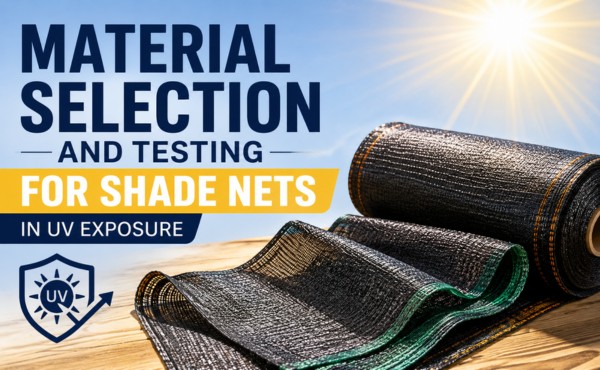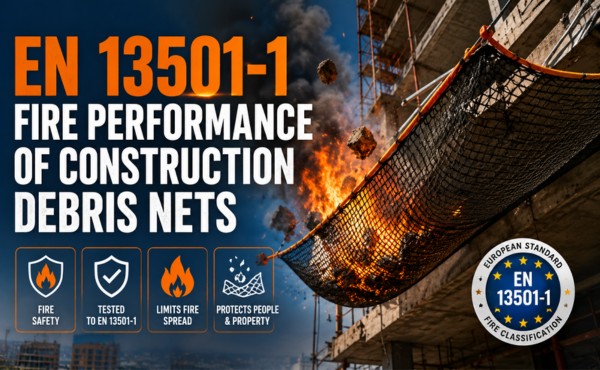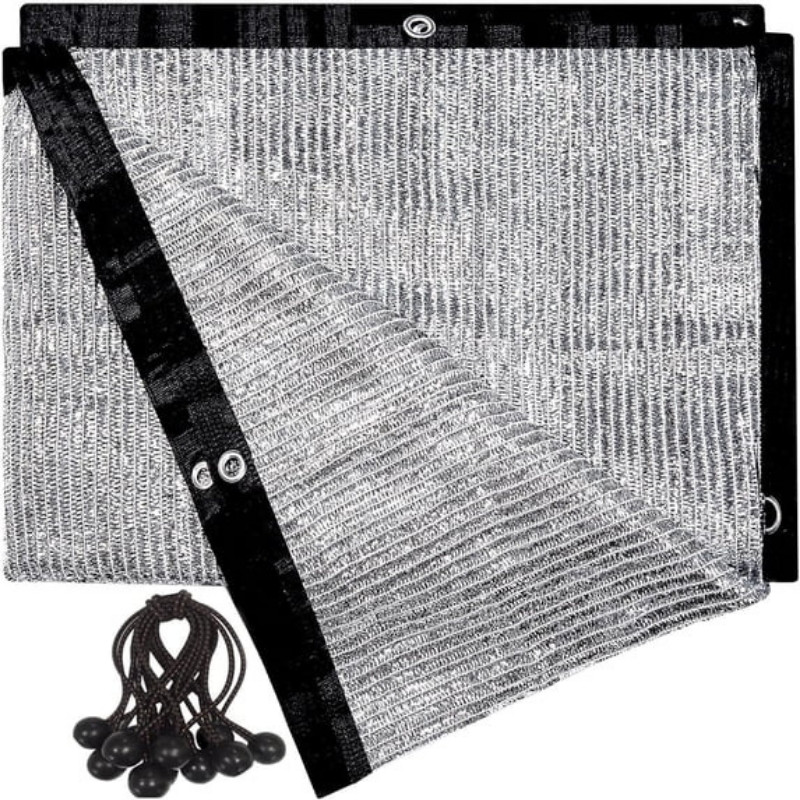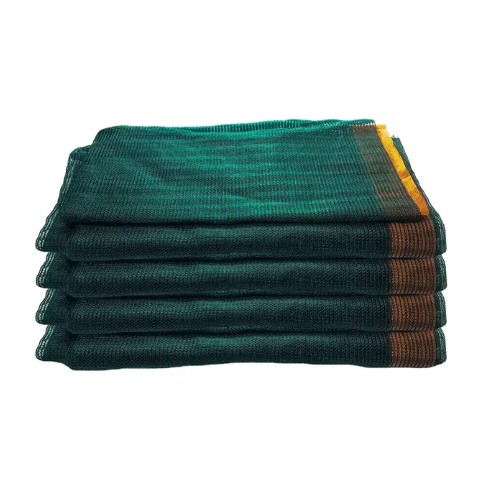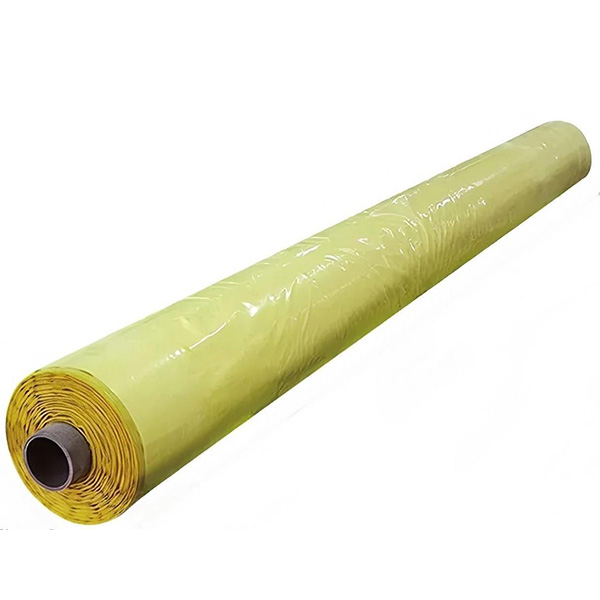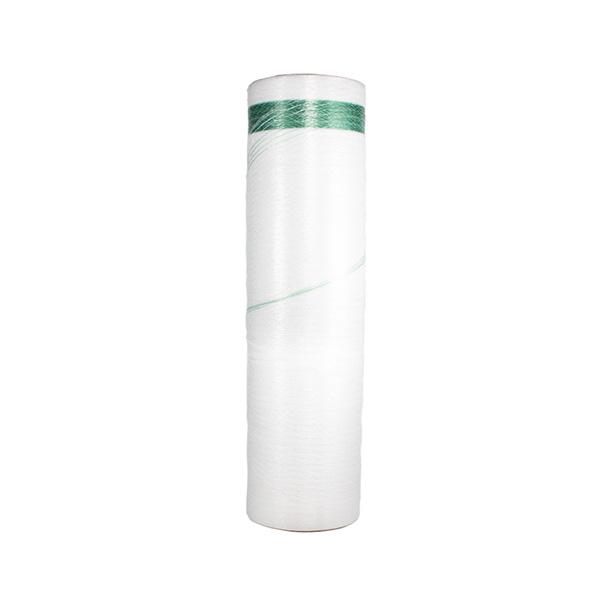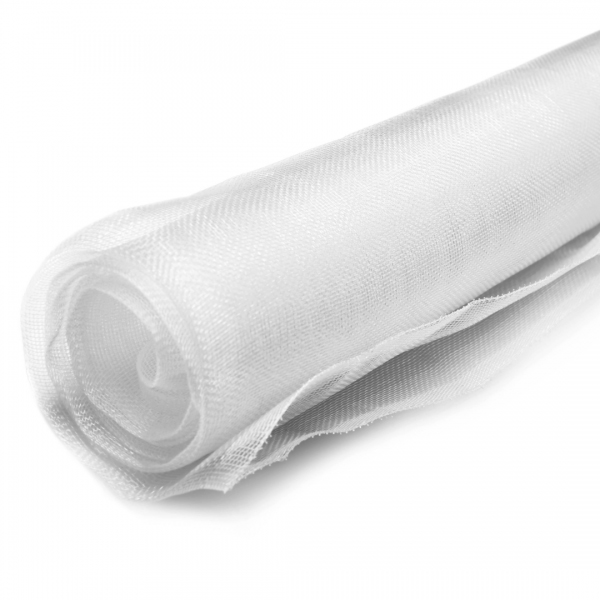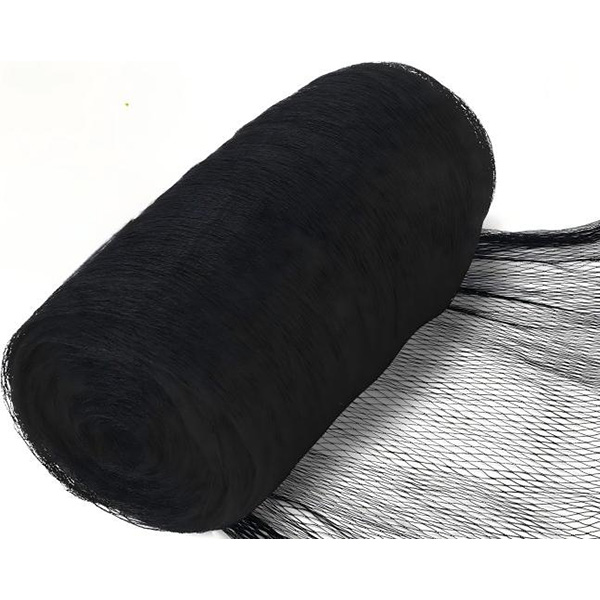
Ultraviolet rays can weaken shade nets, causing them to break down and lose strength. Choosing UV-resistant materials helps protect crops, extends net life, and saves money in the long run. Material Selection plays a vital role in preventing damage and maintaining durability, especially in harsh sunlight.
Shade Nets and UV Resistance
What Are Shade Nets
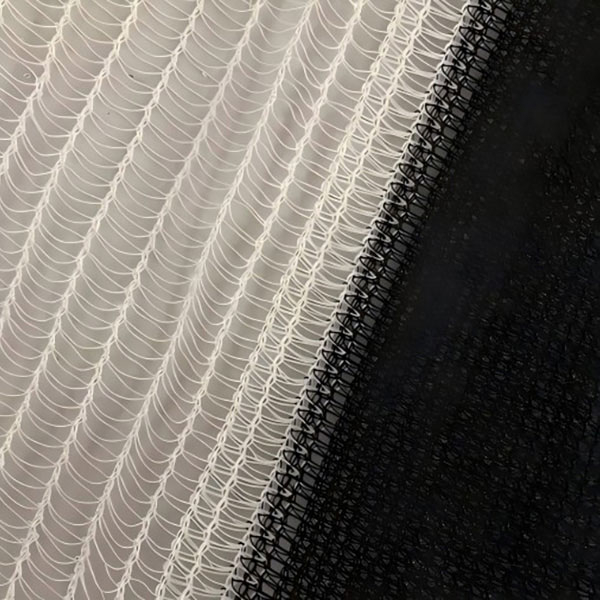
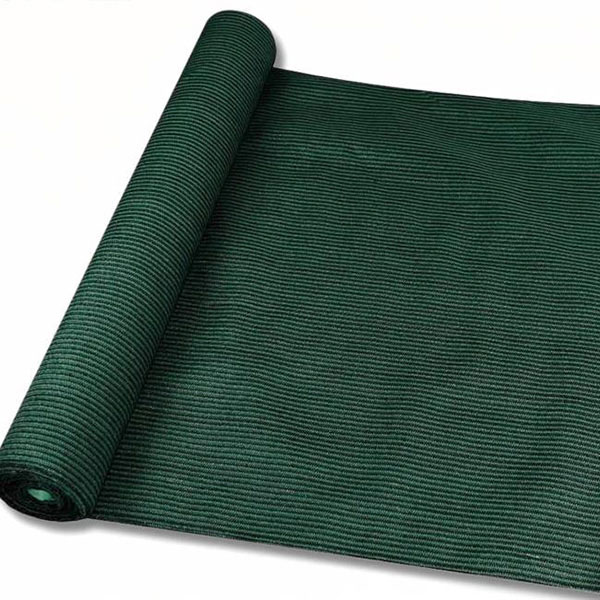
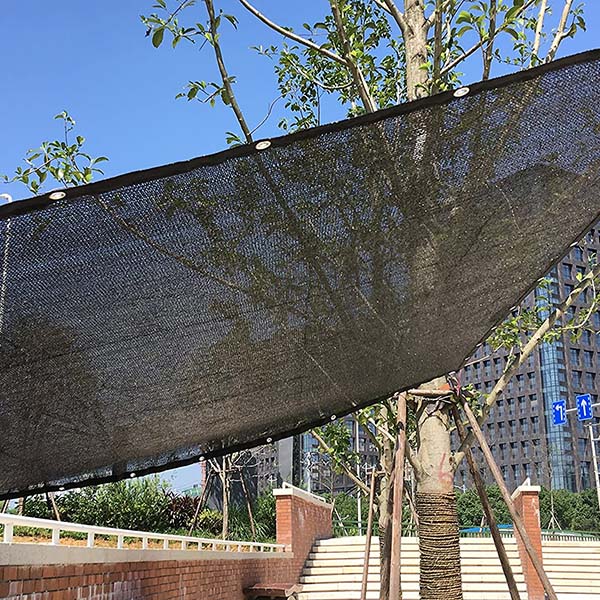
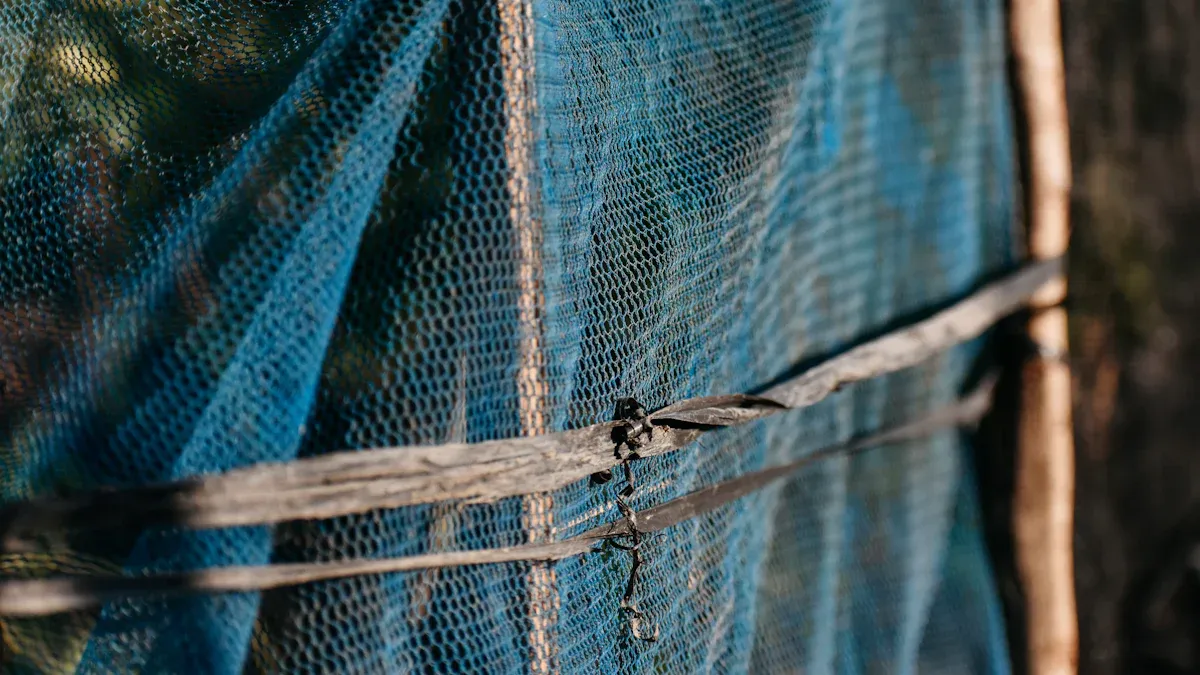
Shade nets are woven or knitted fabrics designed to provide protection from sunlight. People use these nets in agriculture, construction, gardening, and even sports facilities. In farming, shade nets help control the amount of sunlight that reaches crops. This control can prevent overheating and reduce water loss. Construction sites use these nets to protect workers and materials from harsh sunlight. Gardeners often install shade nets to shield delicate plants from strong rays. The main goal is to create a cooler and safer environment under the nets.
Shade nets come in different colors, densities, and materials. Some nets offer more shade, while others allow more light to pass through. The choice depends on the needs of the plants or the area being covered. Most shade nets are made from synthetic fibers, which makes them strong and flexible. These nets can last for several years if chosen and maintained properly.
Why UV Resistance Matters
UV rays from the sun can damage many materials, including shade nets. Over time, UV exposure causes nets to become brittle and weak. When this happens, the nets may tear or break, losing their ability to provide shade. Farmers and builders rely on shade nets to protect crops and people, so durability is important.
UV resistance means that the nets can withstand sunlight without breaking down quickly. UV-resistant shade nets keep their strength and shape for a longer time. This reduces the need for frequent replacements and saves money. Choosing nets with UV protection ensures that crops, workers, and plants stay safe. It also means that the shade provided remains effective throughout the season.
Material Selection for Shade Nets
HDPE and Other Materials
Material selection is a key step when choosing shade nets for outdoor use. Most shade nets are made from synthetic materials that can withstand sunlight and weather. High-density polyethylene is the most common material used for shade net production. This material offers strong protection against UV rays and is known for its durability. Polypropylene and nylon are also used in some types of shade nets. Each material has unique features that affect performance.
- High-density polyethylene provides excellent UV resistance and is lightweight.
- Polypropylene is flexible and resists chemicals but may not last as long under strong sunlight.
- Nylon is strong and stretches well, but it can absorb water and lose strength over time.
Shade net materials must be chosen based on the environment and the purpose. For example, high-density nets are ideal for areas with intense sunlight. Polypropylene nets work well where flexibility is needed. Nylon nets are suitable for temporary installations. Material selection helps ensure that the shade net will last and protect crops or structures.
Comparing Material Properties
Different materials offer different benefits for shade nets. It is important to compare properties like durability, UV resistance, flexibility, and tear strength. The table below shows how common materials used in shade nets stack up:
| Material | Durability | UV Resistance | Flexibility | Tear Strength |
|---|---|---|---|---|
| High-density polyethylene | High | High | Medium | High |
| Polypropylene | Medium | Medium | High | Medium |
| Nylon | Medium | Low | High | High |
Durable nets made from high-density polyethylene last longer and provide better shade. Polypropylene nets are easier to handle and install. Nylon nets offer good tear strength but may not resist UV rays as well. Material selection should focus on the needs of the crops, the climate, and the expected lifespan of the shade net.
Choosing the right material for shade nets is essential for long-term performance. Material selection ensures that the nets will stand up to sunlight, wind, and rain. The types of shade nets available make it possible to match the net to the specific requirements of agricultural use or other applications.
UV Stabilization and Additives
Types of UV Stabilizers
UV stabilization is a process that helps shade nets resist damage from sunlight. Manufacturers add special chemicals called UV stabilizers during production. These additives absorb or block harmful rays, which prevents the net from breaking down. There are several types of UV stabilizers used in shade nets:
- Hindered amine light stabilizers (HALS): These additives protect the net by stopping the breakdown caused by UV exposure.
- UV absorbers: These chemicals absorb UV rays and keep them from reaching the fibers.
- Antioxidants: These additives work with UV stabilization to prevent the net from becoming brittle.
Each stabilizer plays a role in improving UV protection. The right mix of additives ensures that the net stays strong and flexible. Some shade nets use more than one type of stabilizer for better performance.
Note: Always check product labels for information about UV stabilization. This helps you choose nets with the best UV protection.
Impact on Shade Net Longevity
UV stabilization directly affects how long a shade net lasts. Without proper stabilization, nets can lose strength quickly. UV rays cause fibers to fade, crack, and tear. When a net has strong UV protection, it keeps its color and shape for a longer time.
Shade nets with UV stabilization offer several benefits:
- Longer lifespan in outdoor conditions
- Better resistance to tearing and fading
- Improved UV protection for crops and structures
A net with good stabilization can last several seasons. This reduces replacement costs and keeps crops safe. Farmers and gardeners should look for shade nets with clear UV stabilization details. Choosing the right additives ensures the net will provide reliable UV protection and durability.
Testing Shade Nets for UV and Durability
Lab Testing Methods
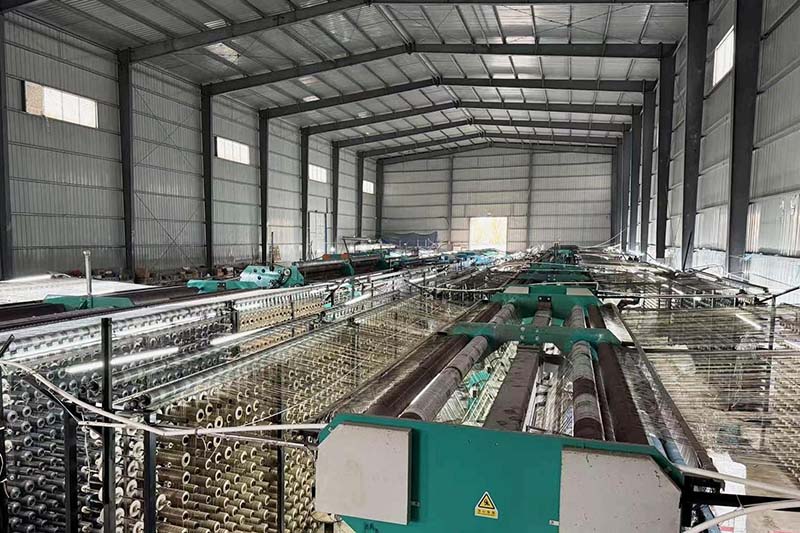
Lab testing helps measure how well shade nets stand up to exposure and protect crops. Scientists use machines to simulate sunlight and check how nets react. They test for UV resistance, tear strength, and light diffusion. The tests show how much shade the nets provide and how long they last. Some labs use accelerated aging chambers to speed up exposure. These chambers help predict the lifespan of nets before installation. Results from lab tests guide farmers in choosing nets with the right shade percentage and protection.
Real-World Testing Tips
Real-world testing gives practical information about nets after installation. Farmers can check nets for fading, brittleness, and tears. They should observe how well nets maintain shade and light diffusion over time. It is important to monitor temperature under the nets and compare it to outside conditions.
Regular inspection helps spot problems early and supports good maintenance. Maintenance tips include cleaning nets, checking for damage, and replacing weak sections. Keeping records of maintenance helps track performance and protection. Farmers should test nets in different seasons to see how exposure affects durability.
Reading Product Specifications
Reading product specifications helps buyers understand the features of shade nets. Specifications list shade percentage, UV protection, material type, and light diffusion. Buyers should look for details about installation and maintenance. Tables in product guides show how nets compare in protection and diffusion. It is important to check if nets have been tested for exposure and temperature changes. Clear specifications help buyers select nets that match their needs and provide reliable protection.
| Feature | What to Look For |
|---|---|
| Shade Percentage | Matches crop requirements |
| UV Protection | Tested for exposure |
| Light Diffusion | Supports healthy growth |
| Installation | Easy and secure |
| Maintenance Tips | Clear and practical |
Understanding specifications and testing methods helps buyers choose shade nets that offer strong protection, good light diffusion, and easy maintenance.
Common Mistakes in Material Selection
Selecting the right materials for shade nets can be challenging. Many users make mistakes that reduce the effectiveness and lifespan of their shade solutions. Understanding these common errors helps buyers avoid problems and get the best results from their nets.
Overlooking UV Stabilization
One frequent mistake is ignoring the need for UV stabilization. Without proper UV protection, shade nets can break down quickly under sunlight. The fibers may become brittle, leading to tears and holes. This reduces the amount of shade provided and can leave crops or equipment exposed. Always check if the nets have UV stabilizers listed in the product details.
Ignoring Application Needs
Another common error is not matching the net to the specific application. Different crops and environments require different levels of shade. For example, leafy greens need more shade than fruit trees. Using the wrong type of net can harm plant growth or fail to protect workers. Consider the local climate, the amount of sunlight, and the purpose before choosing shade nets.
- List your needs before buying.
- Compare the shade percentage to your crop or project.
- Choose nets designed for your environment.
Not Verifying Quality
Some buyers do not check the quality of the shade nets before purchase. Low-quality nets may look similar to high-quality ones but often lack durability and proper shade coverage. Reading product specifications and looking for test results can help. Reliable nets should have clear information about material, UV resistance, and shade percentage.
| Checkpoint | Why It Matters |
|---|---|
| Material Type | Affects durability and shade |
| UV Stabilization | Extends net lifespan |
| Shade Percentage | Matches crop requirements |
FAQ
How do I know if a shade net is UV resistant?
Check the product label or specifications for UV resistance. A quality net will mention UV stabilizers or UV protection. Ask the supplier for test results if you cannot find this information. UV resistance helps the net last longer outdoors.
What is the best material for a shade net in hot climates?
High-density polyethylene works well for most hot climates. This material gives the net strong UV resistance and durability. It also keeps the net lightweight and easy to handle. Always choose a net designed for your local weather.
How often should I replace my shade net?
Inspect your net every season for damage. Replace the net if you see tears, fading, or brittleness. A good net with UV protection can last several years. Regular checks help you keep the net effective for crop or plant protection.
Does the color of the net affect plant growth?
Yes, net color changes how much light and heat reach your plants. Dark nets absorb more heat and give cooler shade. Light nets reflect sunlight and keep the area brighter. Choose a net color based on your crop’s needs and climate.
Can I use the same net for different crops?
You can use one net for different crops, but check the shade percentage first. Some crops need more shade than others. If you switch crops, make sure the net matches the new plant’s sunlight needs. Using the right net helps crops grow better.