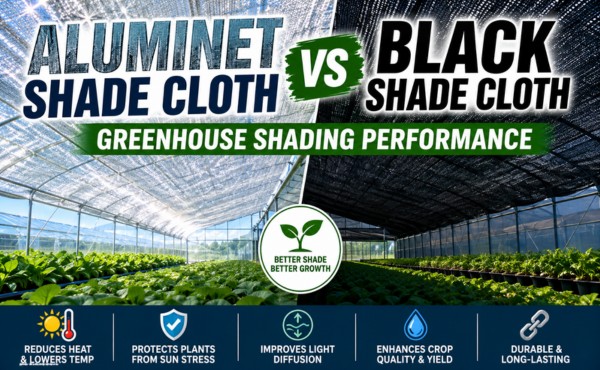
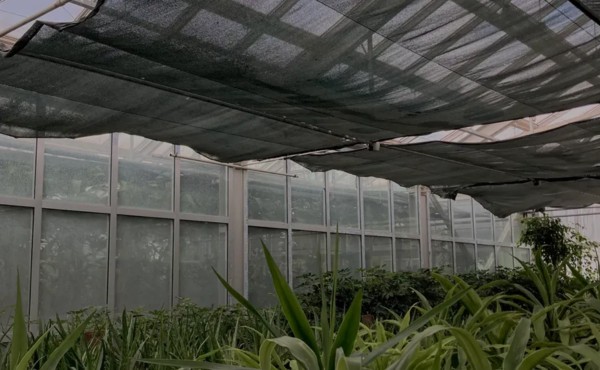
Aluminet shade cloth and black shade cloth are a key debate in greenhouses. Aluminet shade cloth often gives better performance for high-value crop production and temperature-sensitive agriculture. Aluminet reflects solar energy, improves uv stability, and manages light more evenly than traditional shade cloth. Black shade cloth suits general agricultural needs and offers durability. Greenhouse growers should consider shading solutions, ventilation needs, and their crop value before choosing a shade cloth for their greenhouse.
Temperature Performance Comparison
Aluminet Shade Cloth Cooling
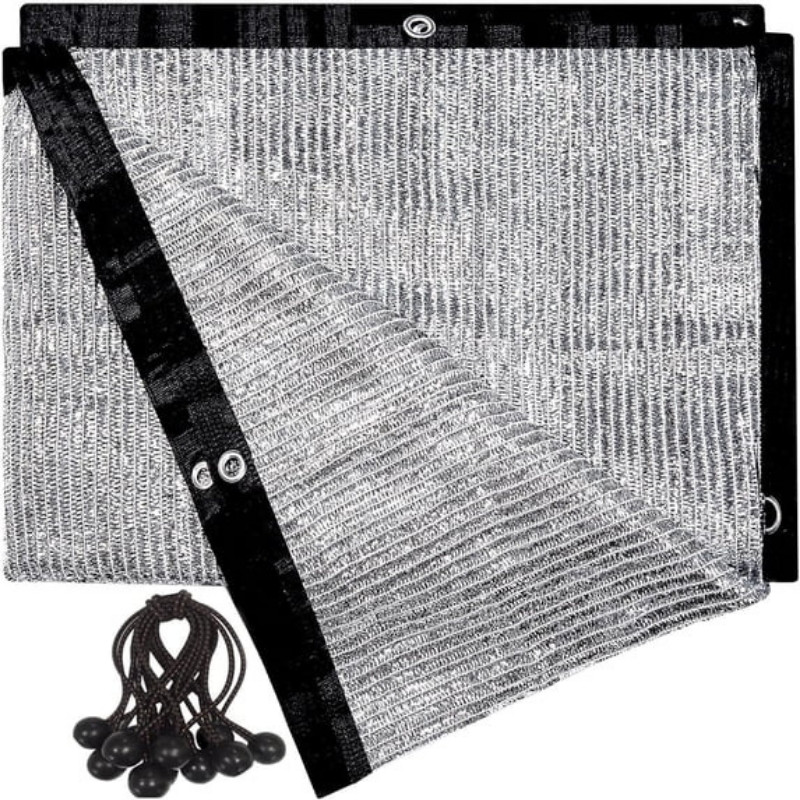
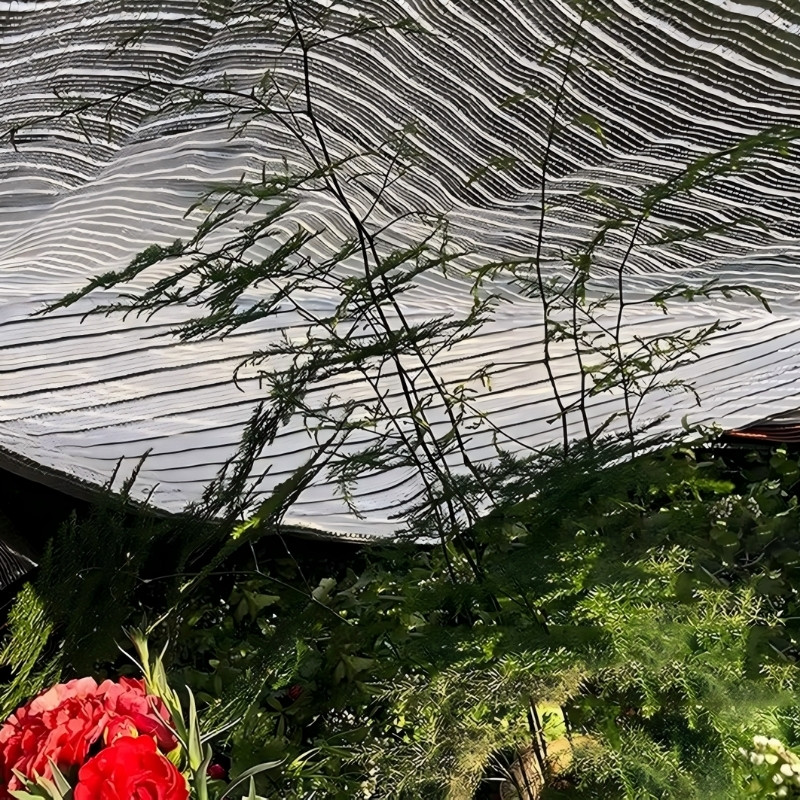
Aluminet shade cloth changes the way greenhouses manage heat. This material uses high reflectivity to bounce solar rays away from the structure. The result is lower greenhouse temperatures, especially during the hottest hours of the day. Aluminet also provides strong uv reflection, which helps protect crops from harmful radiation. Its insulation capabilities keep the interior cooler by reducing heat transfer. Many growers notice a significant heat reduction when they install aluminet shade cloth.
Aluminet works well in regions with intense sunlight. For example, in southern climates, growers often choose aluminet shade cloth to protect tomatoes and peppers. These crops need stable temperatures for healthy growth. Aluminet also supports light diffusion, which spreads sunlight evenly across the plants. This prevents hot spots and reduces stress on sensitive crops. In high-value agriculture, such as orchid or lettuce production, aluminet shade cloth improves performance by maintaining optimal conditions.
Tip: Aluminet shade cloth is ideal for greenhouses that require precise temperature control and uv reflection. It helps reduce cooling costs and supports consistent plant development.
Black Shade Cloth Heat Retention
Black shade cloth absorbs solar energy instead of reflecting it. This material blocks sunlight, but it also traps heat inside the greenhouse. Black shade cloth offers basic uv reflection, but it cannot match the heat reduction provided by aluminet. In cooler climates, black shade cloth may help maintain warmth for crops like cucumbers or beans. However, in hot regions, it can lead to higher greenhouse temperatures and increased cooling needs.
Black shade cloth is popular in general agriculture because it is durable and affordable. Growers use it for shade and protection, but it does not provide the same insulation capabilities as aluminet. The lack of strong light diffusion means that some areas may receive less sunlight, while others get more. This can cause uneven growth and stress in sensitive plants.
| Material | Cooling Effect | Heat Reduction | UV Reflection | Light Diffusion | Best Use Cases |
|---|---|---|---|---|---|
| Aluminet Shade Cloth | High | Strong | Excellent | Superior | High-value crops, hot climates |
| Black Shade Cloth | Moderate | Limited | Basic | Low | General use, cooler climates |
Aluminet vs black shade cloth shows clear differences in temperature performance. Aluminet shade cloth delivers better heat reduction and uv reflection, while black shade cloth retains more heat. Growers should consider their climate and crop needs before choosing a shade cloth for their greenhouse.
Light Diffusion and Shade Cloth Effectiveness
Light diffusion plays a critical role in plant health and even growth in greenhouses. When sunlight enters a greenhouse, the way it spreads across the plants can affect photosynthesis, leaf temperature, and overall crop quality. Good light diffusion helps every plant receive similar amounts of light, which leads to uniform growth and reduces the risk of sunburn or shaded areas. The choice between aluminet shade cloth and black shade cloth can make a big difference in how light moves through the greenhouse and how plants respond.
Aluminet Shade Cloth Light Diffusion
Aluminet shade cloth stands out for its ability to diffuse light evenly. This material uses a reflective surface made from aluminum threads. When solar rays hit aluminet, the cloth scatters the light in many directions. This process creates a soft, even glow inside the greenhouse. Plants under aluminet receive balanced light from all angles, which helps prevent harsh shadows and hot spots.
Aluminet also reduces the intensity of direct sunlight without blocking too much light. This means crops get enough energy for photosynthesis while staying protected from excessive heat. Many growers notice that plants under aluminet shade cloth have more uniform color and size. The even light distribution supports healthy leaf development and can boost yields in high-value agriculture. In addition, aluminet helps lower leaf temperature, which reduces plant stress during hot days.
Some crops, like lettuce, orchids, and tomatoes, benefit greatly from this type of shade cloth. These plants need steady light and temperature conditions for top performance. Aluminet’s unique design makes it a top choice for growers who want to maximize greenhouse efficiency and crop quality.
Note: Aluminet shade cloth is especially effective in greenhouses located in regions with intense solar radiation. It helps maintain a stable environment for sensitive crops.
Black Shade Cloth Light Blocking
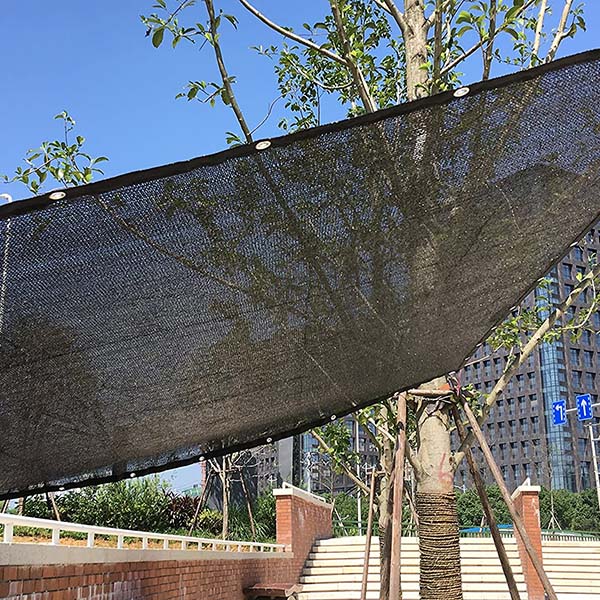
Black shade cloth works differently from aluminet. This material absorbs solar energy and blocks a portion of the sunlight. While it does provide shade, black shade cloth does not scatter light as effectively. Instead, it creates areas of deep shadow and bright spots, depending on the sun’s angle and the greenhouse layout.
Plants under black shade cloth may experience uneven growth. Some leaves receive too much light, while others stay in the shade. This can lead to irregular plant size and lower overall performance. Black shade cloth is often used in general agriculture because it is strong and affordable. However, it does not offer the same level of light diffusion as aluminet shade cloth.
In some cases, black shade cloth can help protect crops from intense sunlight, but it may not be the best option for crops that require even light. Growers who use black shade cloth should monitor their plants closely for signs of stress or uneven development.
Here is a quick comparison of the two materials:
| Feature | Aluminet Shade Cloth | Black Shade Cloth |
|---|---|---|
| Light Diffusion | Excellent | Poor |
| Shadow Reduction | High | Low |
| Plant Growth Uniformity | Strong | Moderate |
| Best For | Sensitive crops, high-value agriculture | General use, hardy crops |
Aluminet vs black shade cloth highlights the importance of choosing the right shade cloth for your greenhouse. Aluminet provides superior light diffusion, which leads to healthier plants and better yields. Black shade cloth offers basic protection but may not deliver the same results in terms of plant health and growth.
Plant Health and Growth Performance
Impact of Aluminet Shade Cloth
Aluminet shade cloth can make a big difference in plant health inside greenhouses. This material reflects solar energy, which helps keep leaf temperatures lower. Plants under aluminet often show less stress during hot days. The even light diffusion from aluminet supports strong photosynthesis. Crops like lettuce, tomatoes, and orchids can grow more evenly because aluminet spreads sunlight across all leaves.
Many growers see better yields when they use aluminet shade cloth. The plants develop stronger stems and healthier leaves. Aluminet also helps reduce the risk of sunburn on sensitive crops. In high-value agriculture, this can mean higher profits and better crop quality. The reflective properties of aluminet protect plants from harmful UV rays, which can damage cells and slow growth.
Tip: Aluminet shade cloth is a smart choice for growers who want to improve plant performance and protect crops from extreme heat.
Impact of Black Shade Cloth
Black shade cloth works differently in the greenhouse. This material absorbs solar energy, which can raise the temperature around plants. Some crops may benefit from the extra warmth, especially in cooler climates. However, black shade cloth does not spread light as well as aluminet. This can lead to uneven growth, with some plants getting too much shade and others too much sun.
Plants under black shade cloth may show signs of stress, such as yellowing leaves or weak stems. The lack of strong light diffusion can cause some areas to develop faster than others. For general agriculture, black shade cloth offers basic protection and durability. It is a good option for hardy crops that do not need precise temperature or light control.
Growers should compare aluminet vs black shade cloth when choosing the best material for their greenhouse. The right shade cloth can improve plant health, boost yields, and support better overall performance.
Durability and Maintenance of Shade Cloth
Aluminet Shade Cloth Durability
Aluminet offers a unique structure made from woven aluminum threads. This design gives aluminet shade cloth a lightweight feel, but it also means the material needs careful handling. In greenhouses, aluminet resists corrosion and does not degrade quickly under solar exposure. The reflective surface helps maintain its performance over time. However, aluminet can tear if pulled too hard or caught on sharp objects. Regular inspection helps prevent damage. Cleaning aluminet shade cloth is simple. Most growers use a gentle spray of water to remove dust and debris. Aluminet does not absorb water, so it dries quickly after rain or washing.
Tip: Store aluminet in a dry place when not in use. Fold it neatly to avoid creases that could weaken the threads.
Aluminet can last several seasons if maintained well. Its resistance to UV rays and moisture makes it a reliable choice for greenhouse environments. Some growers report that aluminet shade cloth keeps its reflective quality even after years of use.
Black Shade Cloth Longevity
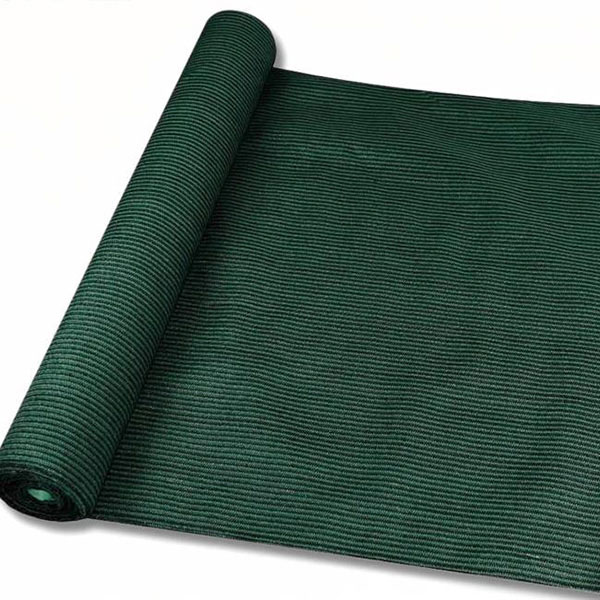
Black shade cloth is known for its toughness. The material uses strong synthetic fibers that resist tearing and stretching. In a greenhouse, black shade cloth stands up to wind, rain, and daily handling. It does not fade quickly, even with constant solar exposure. Many growers choose black shade cloth because it can last five years or more with minimal care.
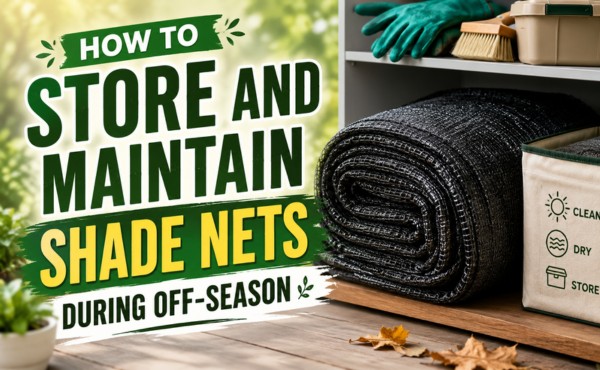
Maintenance for black shade cloth is straightforward. A quick rinse with water removes most dirt. The dark color hides stains and marks, so it looks clean longer. Black shade cloth does not require special storage. Roll it up or fold it when not in use.
| Shade Cloth Type | Durability | Maintenance Needs | Typical Lifespan |
|---|---|---|---|
| Aluminet | Moderate | Low | 3-5 years |
| Black Shade Cloth | High | Very Low | 5+ years |
Both aluminet and black shade cloth offer good durability for greenhouses. Aluminet provides excellent performance and UV resistance, while black shade cloth delivers long-lasting protection with less maintenance.
Cost and Value Comparison
Aluminet Shade Cloth Investment
Aluminet offers advanced features for greenhouses that need precise climate control. The initial cost of aluminet shade cloth is higher than most other options. This material uses woven aluminum threads, which reflect solar energy and provide excellent light diffusion. Growers who invest in aluminet often see benefits in crop quality and yield. The improved temperature management can reduce the need for extra cooling systems in a greenhouse. Over time, these savings may offset the higher purchase price.
Aluminet also helps protect sensitive crops from UV damage. This protection can lead to fewer losses and better profits for high-value crops. Many growers consider aluminet shade cloth a smart investment for crops that require stable conditions. The durability of aluminet means it can last several seasons with proper care. When comparing aluminet vs black shade cloth, the value of aluminet becomes clear for growers who prioritize plant health and energy efficiency.
Note: Aluminet is best for growers who want to maximize returns from specialty crops or operate in regions with intense solar exposure.
Black Shade Cloth Affordability
Black shade cloth stands out for its low cost and wide availability. This material is a popular choice for general use in greenhouses. The upfront price is much lower than aluminet shade cloth. Black shade cloth provides basic shading and protection for many types of crops. It is strong, easy to install, and requires little maintenance.
For growers with limited budgets, black shade cloth offers a practical solution. It works well for hardy crops that do not need precise temperature or light control. The long lifespan of black shade cloth adds to its value, as it can last five years or more with minimal care. While it does not offer the advanced features of aluminet, it remains a reliable option for many greenhouse operations.
Here is a quick comparison:
| Feature | Aluminet Shade Cloth | Black Shade Cloth |
|---|---|---|
| Initial Cost | High | Low |
| Energy Savings | Yes | No |
| Crop Protection | Excellent | Basic |
| Lifespan | 3-5 years | 5+ years |
| Best For | Sensitive, high-value crops | General, hardy crops |
Growers should weigh the benefits and costs of each shade cloth. The right choice depends on crop type, climate, and budget.
Choosing the Right Shade Cloth for Your Greenhouse
Matching Shade Cloth to Crops and Climate
Selecting the best shade cloth for greenhouse depends on several factors. Crop type, local climate, and budget all play important roles. Aluminet works well for growers who need precise control over temperature and light. This material helps protect sensitive crops like lettuce, tomatoes, and orchids. Aluminet also supports healthy growth in regions with strong sunlight. If your greenhouse is in a hot climate, aluminet can reduce heat and improve light diffusion.
Black shade cloth is a practical choice for hardy crops. It suits areas with mild temperatures or cooler climates. Growers often use black shade cloth for beans, cucumbers, or other plants that tolerate heat. This material offers durability and basic protection. It is also more affordable for large greenhouses.
When comparing aluminet vs black shade cloth, consider your crop’s needs. Aluminet provides advanced features for high-value agriculture. Black shade cloth delivers reliable performance for general use.
Tip: Evaluate your greenhouse location and crop requirements before making a decision. Aluminet is ideal for sensitive plants and hot regions. Black shade cloth works best for hardy crops and cooler climates.
Quick Comparison Table
The table below summarizes the key differences between aluminet and black shade cloth. Use this guide to match the right material to your greenhouse needs.
| Feature | Aluminet | Black Shade Cloth |
|---|---|---|
| Temperature Control | Excellent | Moderate |
| Light Diffusion | Superior | Basic |
| Plant Health | High | Moderate |
| Durability | Moderate | High |
| Cost | Higher | Lower |
| Best For | Sensitive crops, hot climates | Hardy crops, cooler climates |
Choosing the right shade cloth helps optimize plant growth and greenhouse performance. Aluminet offers advanced protection and light management. Black shade cloth provides affordable, durable coverage for general crops.
Conclusion
Aluminet shade cloth gives superior temperature control and light diffusion. Black shade cloth offers durability and affordability for general use. Growers should match their choice to crop value, climate, and greenhouse needs. Sensitive crops thrive under Aluminet, while hardy plants do well with black shade cloth. Use the comparison table and decision guide to select the best material for your greenhouse.
FAQ
What is the main difference between Aluminet and black shade cloth?
Aluminet reflects sunlight and diffuses light evenly. Black shade cloth absorbs heat and blocks light. Aluminet works best for sensitive crops and hot climates. Black shade cloth suits hardy plants and cooler regions.
Can I use Aluminet and black shade cloth together?
Yes, some growers layer both materials for custom shading. This method can improve temperature control and light management. Always check your crop’s needs before combining shade cloths.
How do I clean and maintain shade cloth?
Use a gentle spray of water to remove dust and debris. Avoid harsh chemicals. Store shade cloth dry and folded when not in use. Regular inspection helps prevent damage.
Does Aluminet last as long as black shade cloth?
Black shade cloth usually lasts longer due to its strong fibers. Aluminet can last several seasons with proper care. Both types need regular maintenance for best results.
Which shade cloth is better for energy savings?
Aluminet reduces cooling costs by reflecting heat away from the greenhouse. Black shade cloth does not offer the same energy savings. Choose Aluminet for better temperature control and lower energy use.