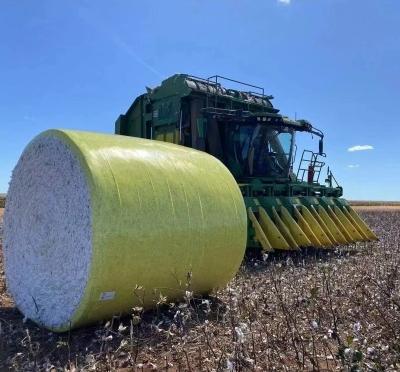
Wrap film plays a far more important role in cotton logistics than simple packaging. In Brazil’s large-scale cotton industry, it directly affects fiber protection, export quality, and supply chain efficiency.
By selecting the right film, applying controlled wrapping techniques, and aligning packaging strategies with storage and transport conditions, cotton producers can significantly reduce risk and improve export consistency.
For companies operating in high-volume cotton logistics, investing in proper wrapping systems is not just a packaging decision—it is a quality control strategy that protects the value of every bale from field to port.
Why Wrap Film Matters for Brazilian Cotton Producers
Brazil’s tropical and semi-arid growing regions present unique challenges for post-harvest cotton storage. High temperatures, intense UV radiation, sudden rainfall events, and long distances to export ports mean that bales are often stored in the open field or at gins for extended periods before shipment.
Poor bale wrapping leads to:
- Moisture infiltration, which raises the risk of mold and fiber degradation
- UV degradation of the outer fiber layers, reducing grade and market value
- Contamination from dust, insects, and foreign matter—a top concern for international buyers
- Mechanical damage during transport and loading at export terminals
With Brazil’s Responsible Cotton Program (ABR) setting rigorous standards for each certified bale, proper wrapping is no longer optional—it is a compliance and quality assurance requirement that directly affects your access to premium global markets.
Choosing the Right Wrap Film for Brazilian Conditions
Not all cotton wrap film is created equal, and Brazil’s climate demands film specifically engineered for harsh environments.
1. UV Resistance Is Non-Negotiable
Cotton bales stored in Mato Grosso or Piauí can be exposed to intense solar radiation for weeks or even months. Standard polyethylene films degrade rapidly under UV exposure, becoming brittle and losing their protective seal. Always select UV-stabilized PE (polyethylene) wrap film rated for prolonged outdoor use in tropical climates.
High-quality cotton wrap films tested across multiple climate zones—including Brazil’s varied regions—are rated for stable performance between -15°C and 40°C, maintaining excellent sealing even in environments with high UV radiation and humidity fluctuations.
2. Thickness and Tensile Strength
For Brazilian conditions, a film thickness of 25 to 30 microns (µm) is generally recommended for field-stored bales. Thicker films offer better puncture resistance against machinery edges, field stubble, and the rough surfaces of storage yards. Look for multi-layer co-extruded films that combine high tensile strength with superior cling properties.
3. Compatibility with Your Cotton Picker
Brazil’s large-scale producers predominantly use John Deere CP690 and Case IH cotton pickers, which have specific film dimension requirements. Ensure the wrap film you select is compatible with your equipment’s dispensing mechanism, tension rollers, and cutter system. Incompatible film is one of the leading causes of wrapping failures and downtime during harvest.
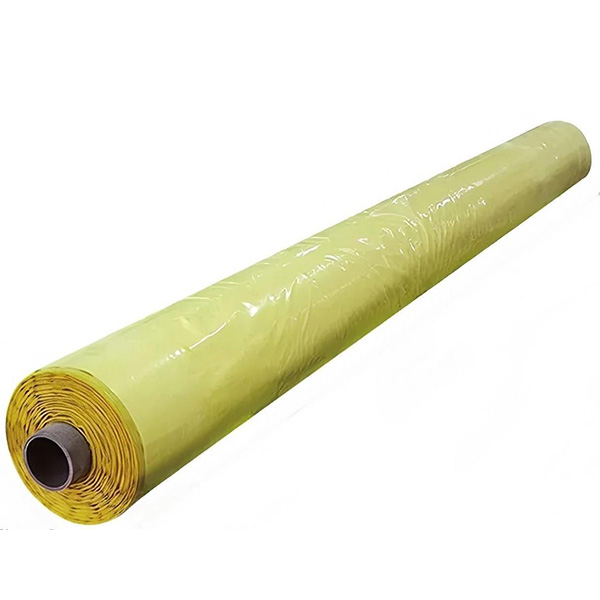
Standard cotton wrap film rolls designed for major cotton picker brands typically feature a single roll length of 2,780 mm, with dual-film systems (Film A and Film B) totaling approximately 21 meters per unit to ensure complete bale enclosure.
4. Adhesive Seal Integrity
Modern cotton wrap films use a contact adhesive system that forms an immediate, airtight seal when the two film sections meet around the bale. For Brazilian producers, this seal must hold under thermal stress as bales heat up during the day and cool at night. Test your supplier’s film for seal retention at sustained high temperatures before committing to large-volume purchases.
Best Practices: Step-by-Step Guide for Brazilian Producers
Step 1 — Pre-Harvest Equipment Inspection
Before the harvest season begins, conduct a thorough inspection of all wrapping mechanisms on your cotton pickers and module builders:
- Check dispensers, tension rollers, and film cutters for wear or misalignment
- Lubricate all moving parts according to the manufacturer’s schedule
- Run test wraps with scrap film to calibrate tension settings and verify consistent film application
- Ensure bale ejection systems are functioning correctly to prevent film tearing on exit
A poorly calibrated machine wastes film, creates uneven coverage, and increases the risk of bale contamination—all costly problems during peak harvest when downtime is unaffordable.
Step 2 — Monitor and Control Cotton Moisture Before Wrapping
Moisture content is the single most important factor in bale quality preservation. The USDA and Brazilian industry guidelines recommend a target lint moisture content of 12–14% at the time of wrapping. Cotton wrapped above this threshold traps moisture inside the bale, accelerating mold growth and degrading fiber strength.
Practical tips for Brazilian producers:
- Use calibrated handheld moisture meters at the module builder exit
- If cotton is harvested during or after rain events—common in the transitional cerrado zones—allow bales to air-dry in shaded, ventilated areas before wrapping
- In Mato Grosso’s dual-season growing areas, late-season cotton may have higher ambient humidity; schedule wrapping for the cooler, drier parts of the day when possible
Step 3 — Proper Bale Formation Before Wrapping
The quality of the wrap begins with the quality of the bale itself. Ensure your module builder is producing uniform, dense bales consistent with standard dimensions (approximately 48 x 36 x 72 inches). Irregular or loosely formed bales create wrinkles and air pockets in the film that compromise the seal and make stacking unstable.
Remove large debris—stalks, rocks, or trash—from the cotton stream before it reaches the module builder. Foreign matter causes film punctures and is a major contamination risk flagged by international textile buyers.
Step 4 — Applying the Film Correctly in the Field
During the actual wrapping process, adherence to consistent technique is essential:
- Maintain consistent film tension throughout the wrap cycle. Too loose creates air pockets; too tight risks tearing, especially in high-heat conditions when the film is more elastic
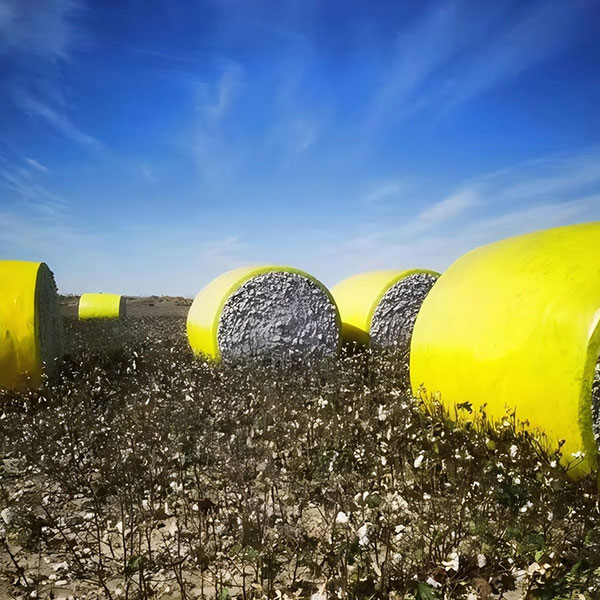
- Apply a minimum of two full overlapping layers on all bale surfaces, paying special attention to the top and bottom edges where film overlap is most critical
- For open-air field storage, ensure the top surface receives an additional layer of UV-protective film, as this is the surface with the highest solar exposure
- Confirm that film ends are properly adhered and sealed before the bale is ejected
Step 5 — Storage and Stacking Best Practices
Once wrapped, the bale’s protective integrity depends heavily on how it is stored and handled.
Site selection:
- Whenever possible, store wrapped bales on elevated, well-drained ground to prevent groundwater contact and moisture wicking through the base of the bale
- Avoid storage under trees where branch impact, bird activity, and organic debris can puncture film
- For long-term field storage common in remote areas of Mato Grosso, orient bale rows perpendicular to prevailing winds to reduce aerodynamic stress on wrapped surfaces
Stacking:
- Stack bales no more than three rows high for open-field storage to minimize compression damage and reduce the risk of toppling
- Use flat, even surfaces to prevent bale deformation that can break the wrap seal
- Inspect stacked bales for film damage after any severe weather event—intense tropical storms can tear exposed film on top rows
Step 6 — Handling and Transport to the Gin or Port
The journey from field to gin—or from gin to the ports of Santos, Paranaguá, or Itaquí—subjects bales to significant mechanical stress. Forklift tines, module truck tie-downs, and loading clamps are common sources of film puncture.
Best practices for transport:
- Use padded or rubberized forklift attachments where possible when handling wrapped bales
- Inspect film integrity at each handling point and apply repair tape (compatible with the film’s PE material) to any punctures or tears immediately
- During truck transport, use bale covers or tarps over the load for journeys exceeding 4–6 hours, particularly during rain season
- At gin yards and export storage facilities, re-inspect bales and prioritize damaged bales for immediate processing to prevent quality deterioration
Sustainability and Regulatory Compliance in Brazil
Brazil’s cotton sector is increasingly judged by its environmental credentials. The ABR (Algodão Brasileiro Responsável) certification program—recognized internationally as equivalent to Better Cotton and acknowledged by the FAO—requires detailed traceability for each bale, including documentation of packaging materials used.
When selecting wrap film, consider suppliers who offer:
- Recyclable PE films compatible with agricultural plastic recycling programs
- Clear documentation of film composition for ABR audit purposes
- Compliance with Brazil’s CONAMA regulations on agricultural plastic waste management
Some regions in Brazil have begun establishing agricultural film collection programs. Partnering with film suppliers who participate in take-back or recycling schemes not only supports compliance but strengthens your operation’s sustainability narrative for ESG-conscious international buyers.
Common Wrap Film Mistakes to Avoid in Brazil
Even experienced producers make preventable errors. Here are the most common ones observed across Brazilian cotton growing regions:
| Mistake | Consequence | Solution |
|---|---|---|
| Using non-UV-rated film | Rapid film degradation, bale exposure | Specify UV-stabilized film from certified suppliers |
| Wrapping wet cotton | Mold, fiber loss, grade downgrade | Monitor moisture; delay wrapping if needed |
| Skipping tension calibration | Loose wraps, air pockets, seal failure | Test tension before each harvest season |
| Ignoring film punctures during transport | Moisture and contamination entry | Carry repair tape on all transport vehicles |
| Stacking too high in open air | Structural failure, bale damage | Limit to three rows for unshielded storage |
| Purchasing non-compatible film | Machine downtime, wasted film | Confirm equipment compatibility before ordering |
Key Takeaways for Brazilian Cotton Farmers and Gin Operators
- Moisture control before wrapping is the single highest-impact best practice
- UV-stabilized, equipment-compatible film is essential for Brazil’s climate
- Consistent tension, double-layer coverage, and sealed edges determine wrap effectiveness
- Storage site selection and stacking discipline protect the investment made in wrapping
- ABR and sustainability compliance increasingly require documented film quality and recyclability
- Repair punctures immediately at every handling and transport stage
Improve Your Cotton Packaging Efficiency
If your operation handles large-scale cotton processing or export logistics, optimizing your wrap film system can reduce loss and improve shipment consistency.
Contact AgriShade today to evaluate film grade, wrapping equipment compatibility, and cost-performance balance tailored to your production environment.