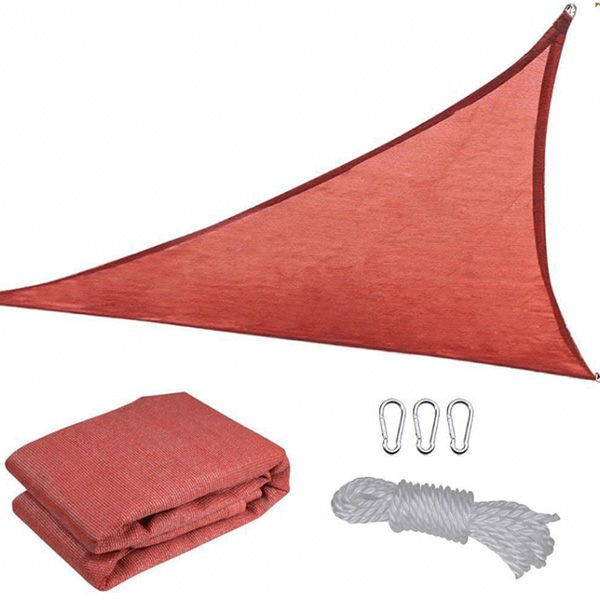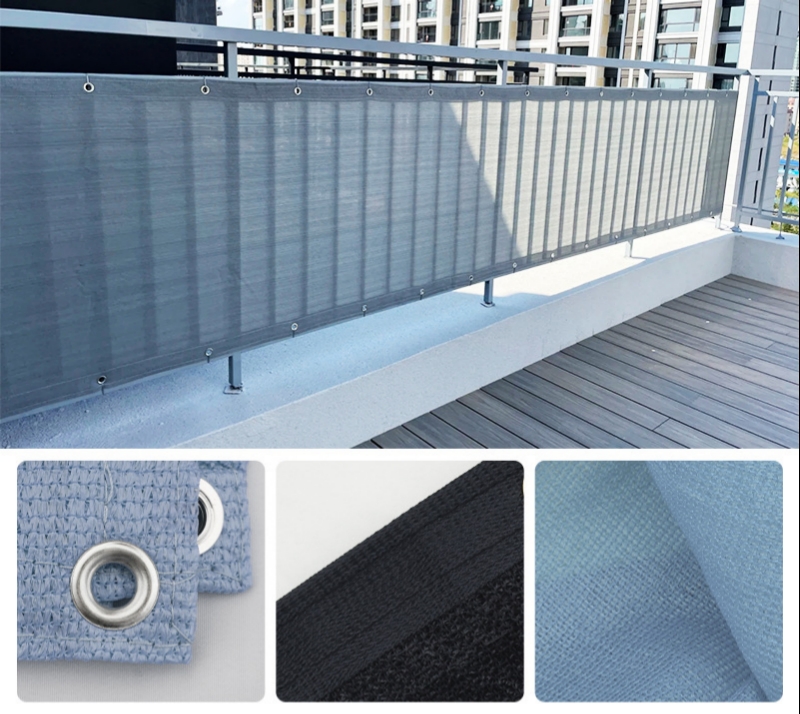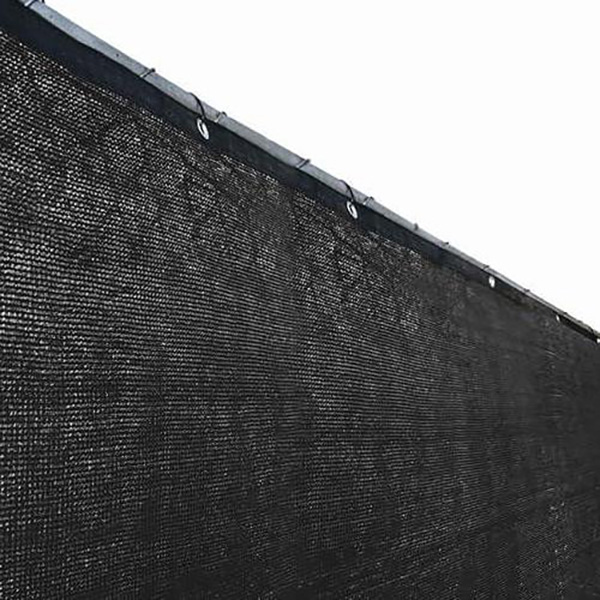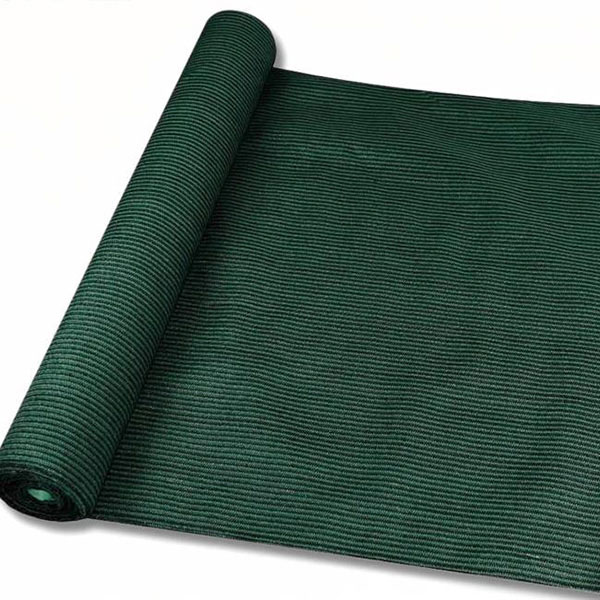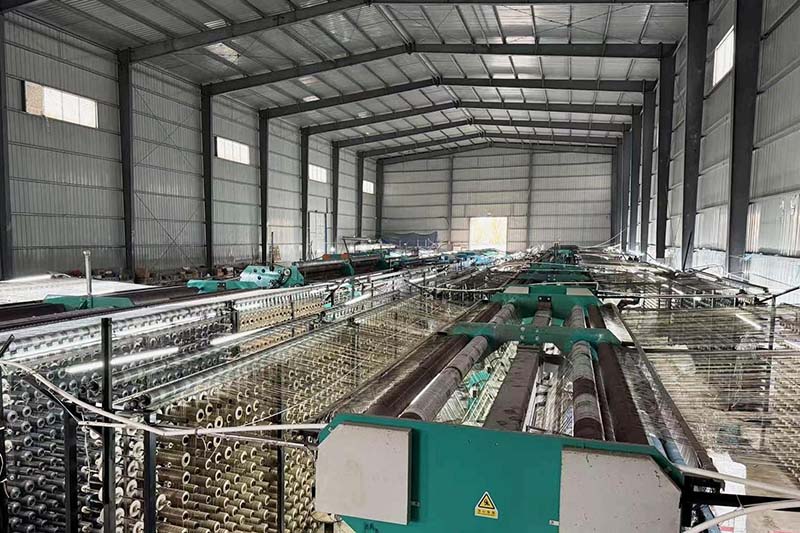

Outdoor privacy screens use mesh materials to create a barrier that helps people enjoy their spaces without unwanted attention. These screens give fences and balconies a new level of privacy by blocking views from neighbors or passersby.
Privacy has become essential in outdoor design because people want comfort and security in their homes. Mesh privacy screens protect personal space while allowing air and light to pass through. Privacy Screen Application in modern settings also brings style to outdoor areas.
People often notice that privacy screens can blend with different designs and improve both privacy and appearance. A well-chosen privacy screen can make an outdoor area feel safe, private, and attractive.
Why Privacy Screen Has Become a Common Element in Modern Design
Modern outdoor spaces often face challenges with privacy. As cities grow and homes get closer together, people want to enjoy their yards, patios, and balconies without feeling watched.
Privacy screens help solve this problem. They create a barrier that keeps outdoor areas shielded from neighbors or busy streets.
Designers and homeowners choose privacy screens for several reasons:
- Increased Comfort: People feel more relaxed when they know their outdoor activities stay private.
- Flexible Solutions: Privacy screens work in many places, such as fences, balconies, and gardens.
- Easy Installation: Many privacy screens use lightweight mesh, so they are simple to set up and move if needed.
- Modern Appearance: Privacy screens come in different colors and patterns. They can match the style of any home.
Note: Privacy screens do not only block views. They also reduce wind and noise, making outdoor spaces more enjoyable.
Privacy has become a top concern in modern design. People want to protect their personal space, but they also want their homes to look good. Privacy screens offer both. They let air and light pass through, so outdoor areas stay bright and fresh. At the same time, they keep unwanted eyes away.
Privacy Screen Application in Outdoor Design
What Is a Privacy Screen?
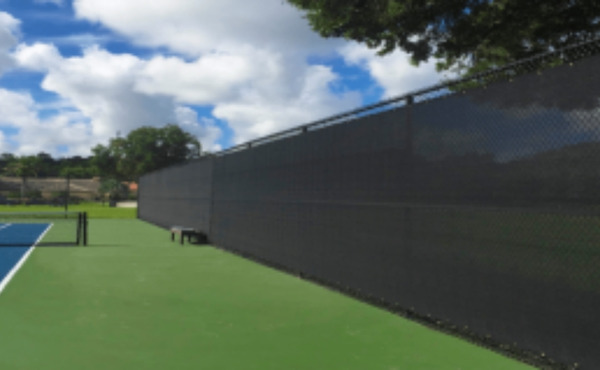
A privacy screen acts as a barrier that shields outdoor spaces from unwanted views. Most privacy screens use mesh materials, which offer both protection and airflow. The mesh design allows light to pass through while blocking direct sightlines. This feature creates a comfortable and private environment for people who use patios, gardens, or balconies.
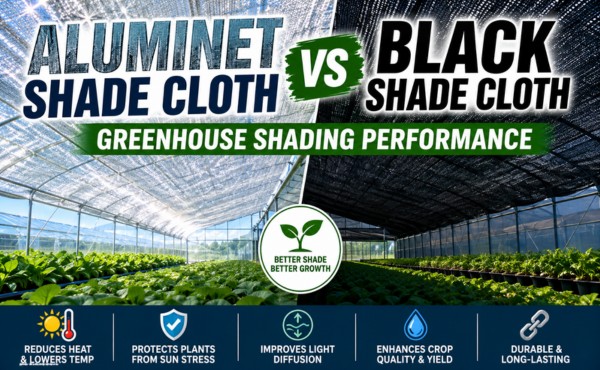
Privacy screens come in different densities and colors. Higher density mesh provides more privacy, while lighter mesh allows more light and air. Many screens resist UV rays and moisture, which helps them last longer outdoors. The lightweight nature of mesh makes it easy to handle during installation steps. People often choose mesh screens because they combine function and style
Common Uses for Fences and Balconies
Privacy screen application appears most often on fences and balconies. These locations often need extra privacy due to close neighbors or busy streets. Mesh screens attach easily to existing structures, which makes them a flexible solution.
Common uses include:
- Fences: People install privacy screens on backyard or side yard fences. The screens block views from neighboring houses or public walkways. This setup creates a peaceful space for relaxing or entertaining.
- Balconies: Apartment and condo residents use privacy screens to shield their balconies. The screens prevent people from looking in while still allowing fresh air and sunlight.
- Patios and Decks: Homeowners add privacy screens to open patios or decks. The screens define the space and offer protection from wind and dust.
- Pool Areas: Privacy screens around pools keep the area hidden from view. This setup increases comfort and security for swimmers.
A table below shows the main features and benefits of privacy screen application in these outdoor settings:
| Location | Main Benefit | Added Value |
|---|---|---|
| Fence | Blocks neighbor views | Reduces wind and noise |
| Balcony | Shields from passersby | Allows airflow and light |
| Patio/Deck | Defines space | Enhances comfort |
| Pool Area | Increases privacy | Improves safety |
Privacy screen application offers a simple way to improve outdoor living. People can install screens quickly and remove them if needed. The screens adapt to many environments, which makes them a smart choice for modern homes.
Privacy screens have become essential in outdoor design. They provide privacy, comfort, and style for fences, balconies, and other spaces. Homeowners and designers value their flexibility and effectiveness.
Privacy Screen Materials and Technology
High-Density Polyethylene Mesh
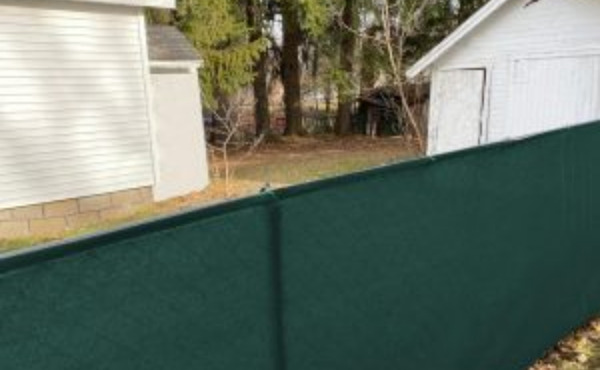
High-density polyethylene mesh stands out as a popular choice for privacy screens in modern outdoor design. This material offers strong protection against outside views while allowing air and light to pass through.
The mesh features tightly woven fibers that create a sturdy barrier. People often select this mesh because it resists stretching and tearing. The structure of the mesh provides reliable protection for fences, balconies, and patios.
Manufacturers design high-density polyethylene mesh to block unwanted attention. The material does not absorb water, so it dries quickly after rain. This feature helps prevent mold and mildew. The mesh also resists fading from sunlight, which keeps outdoor spaces looking fresh. Many homeowners value the balance between privacy and airflow that this mesh delivers.
Durability and Weather Protection
Privacy screens must handle many outdoor challenges. High-density polyethylene mesh offers excellent protection against harsh weather. The material stands up to strong winds, heavy rain, and intense sunlight. It does not crack or become brittle in cold temperatures. This durability ensures long-lasting protection for outdoor spaces.
The mesh also provides protection from dust and debris. It acts as a shield, keeping outdoor areas cleaner and more comfortable. People find that privacy screens made from this material require little maintenance. A simple rinse with water removes dirt and keeps the screen looking new.
Privacy Screen In Morden Design
Integrating Privacy Screens into Modern Architecture
Modern architects often design with privacy in mind. They use privacy screens to create outdoor spaces that feel secure and comfortable. A privacy screen can fit into many types of architecture, from sleek city apartments to suburban homes. Designers select materials and colors that match the building’s style. They may use a privacy screen protector on balconies or patios to shield residents from outside views.
Some strategies for integrating privacy screens include:
- Placing privacy screens along property lines to define boundaries.
- Using privacy screen protector panels on balconies for visual privacy.
- Adding privacy screens to rooftop gardens for extra seclusion.
- Combining privacy screens with planters or seating for a multi-use feature.
A privacy filter can also help reduce glare and block unwanted views. This approach supports privacy by design and keeps outdoor spaces inviting.
Balancing Privacy and Aesthetics
Designers must balance privacy and visual appeal. A privacy screen should not make a space feel closed or dark. Instead, it should add style while protecting privacy. Mesh materials allow light and air to pass through, so spaces stay bright and fresh.
Designers often use privacy screen protector products that match the building’s color scheme. They may choose a privacy filter that provides visual privacy without blocking sunlight.
When they design with privacy in mind, they create outdoor spaces that feel both private and beautiful. A well-placed privacy screen can turn a simple balcony or fence into a standout feature.
Choosing and Installing a Privacy Screen
Selection Tips for Outdoor Spaces
Selecting the right privacy screen improves user experience and protects personal data in outdoor areas. People should first measure the space where they want to add a screen. Accurate measurements help avoid gaps and ensure full coverage.
Next, they should consider the level of privacy needed. High-density mesh works well for areas that need more protection for personal data, while lighter mesh allows more light and airflow.
Installation Steps for Fences and Balconies
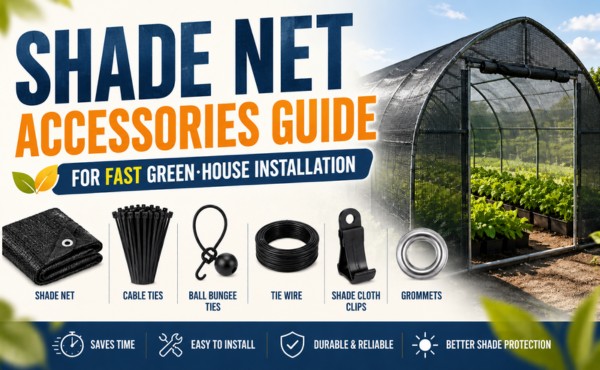
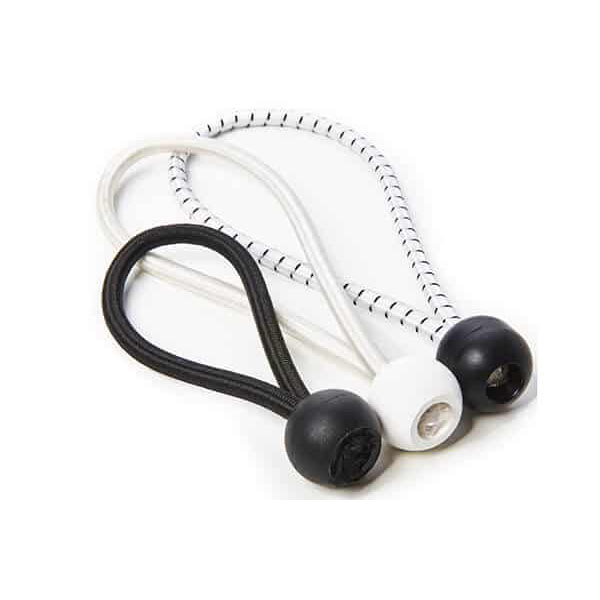
Proper installation ensures the privacy screen works well and improves user experience. People should gather all tools before starting. Most screens need zip ties, screws, or clips for secure attachment.
Step-by-step installation guide:
- Clean the fence or balcony surface.
- Unroll the privacy screen and hold it against the structure.
- Attach the top edge using zip ties or clips, spacing them every 12-18 inches.
- Secure the sides and bottom, making sure the screen stays tight.
- Trim any excess material for a neat finish.
Comparison with Other Privacy Defence Design
Natural Barriers and Landscaping
Natural barriers such as hedges, trees, and landscaping offer a traditional way to create privacy outdoors. Many homeowners plant tall shrubs or trees along property lines to block views.
These living barriers can blend well with the environment and add beauty to a yard. However, natural barriers take time to grow and may not provide immediate privacy. They also need regular care, such as watering, trimming, and pest control.
Privacy screens, on the other hand, deliver instant results. People can install them quickly and adjust them as needed. Screens do not require much maintenance, and they work well in spaces where plants cannot grow.
In terms of design flexibility, privacy screens come in many colors and styles, while natural barriers depend on plant types and climate.
Combining Privacy Screens with Other Features
Some designers combine privacy screens with other solutions to create stronger protection. For example, a living wall with climbing plants can grow on a mesh privacy screen.
This approach adds greenery and increases privacy at the same time. People also use privacy screens with pergolas, trellises, or architectural panels for a layered effect.
Combining different features can address more than one threat. A privacy screen blocks views, while plants add beauty and soften the look.
Conclusion
Privacy screen application in modern outdoor design supports privacy, security, and style. These solutions help shield sensitive information and provide physical protection.
Design choices must follow GDPR rules for transparency and data protection. Homeowners should review their privacy needs and select privacy screens for fences and balconies.