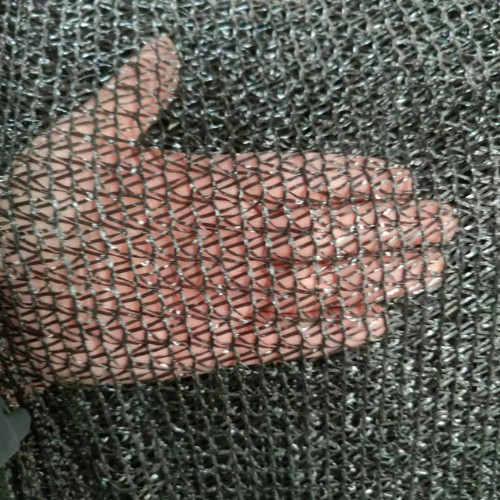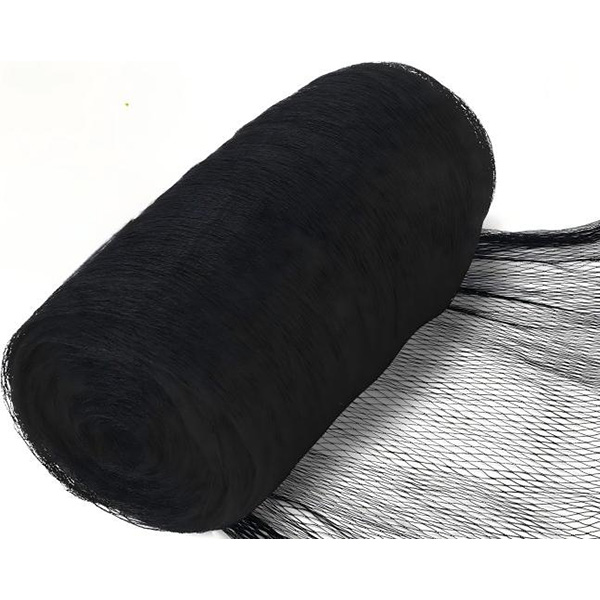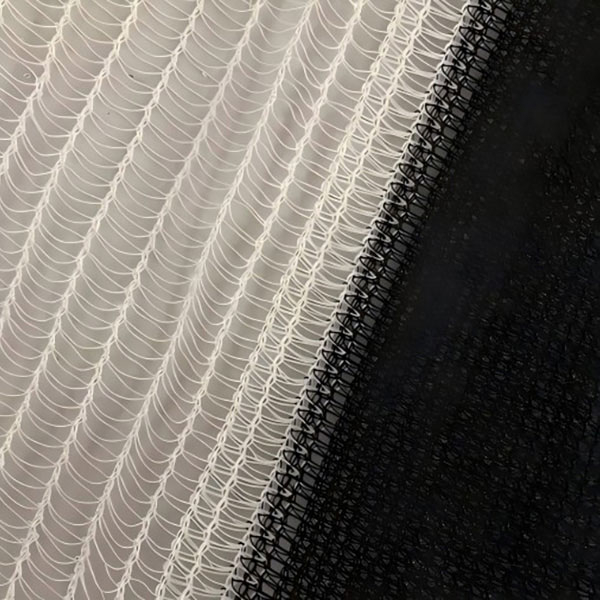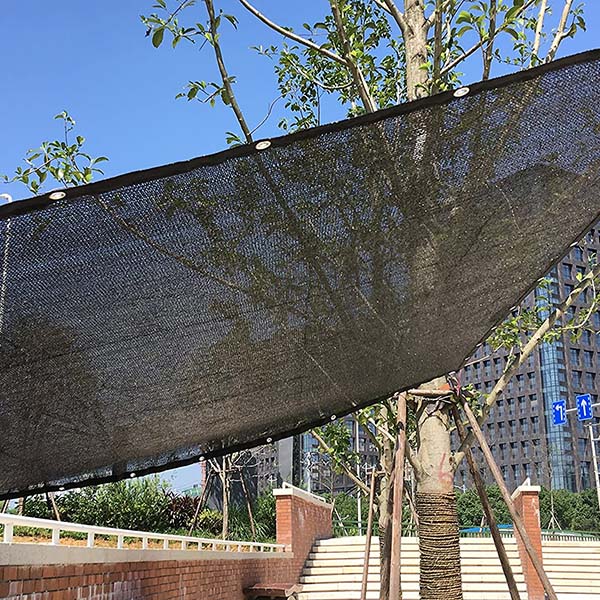
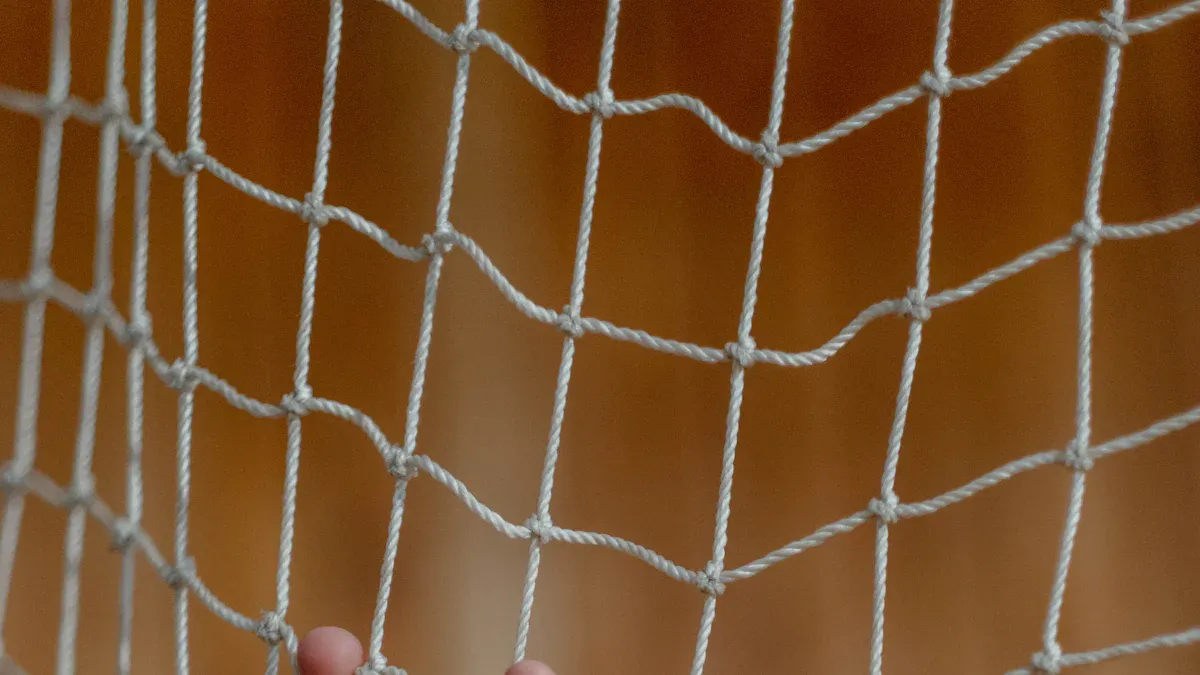
Many growers prefer hdpe for agriculture net due to its strong build and excellent UV resistance. This material stands up to harsh weather and lasts for several seasons.
In contrast, ldpe works well for short-term use or when lightness is important. Farmers should match their choice to the demands of their agriculture project.
Choosing the right net can improve crop protection and reduce costs over time.
Agriculture Net Materials Overview
HDPE (High-Density Polyethylene) Features
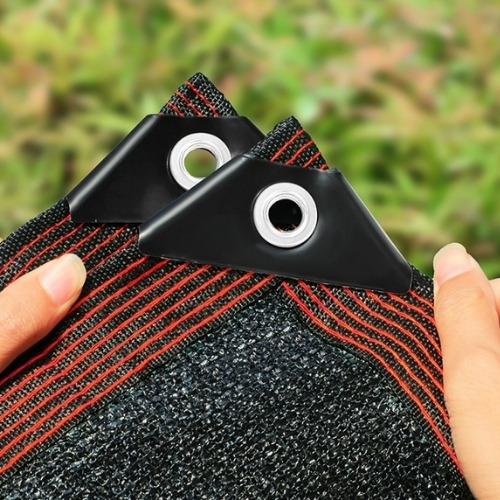
HDPE, or high-density polyethylene, stands out as a popular material for agriculture net. This type of polyethylene has a tightly packed molecular structure. The result is a strong, rigid, and durable netting that performs well outdoors.
Farmers often choose hdpe netting for its excellent UV resistance and long service life. The material resists water, so it does not absorb moisture even after long exposure. HDPE netting also offers superior tensile strength, ranging from 20 to 37 MPa. This makes it ideal for protecting crops in harsh weather.
LDPE (Low-Density Polyethylene) Net Characteristics
LDPE, or low density polyethylene, provides a different set of benefits for agriculture net. This form of polyethylene has a more branched structure, which gives it a soft and flexible feel.
LDPE nets allow for high flexibility and transparency, making them suitable for applications where light penetration is important. The tensile strength of ldpe nets ranges from 8 to 20 MPa, which is lower than hdpe netting.
Farmers use ldpe when they need lightweight, easy-to-handle netting for short-term or temporary crop protection.
Material Differences
The main differences between hdpe and ldpe agriculture net come from their physical and chemical properties. The table below highlights these differences.
Both hdpe and ldpe belong to the pe family. Their manufacturing processes differ. LDPE uses high pressure and temperatures, while hdpe relies on lower pressure and different polymerization methods.
These differences affect the final properties of the agriculture net. HDPE netting lasts longer and withstands outdoor conditions better. LDPE nets offer more flexibility and transparency.
Polyethylene, whether in hdpe or ldpe form, is known for its recyclability. Recycling pe products helps reduce environmental impact and supports sustainability. Both types of agriculture net can be recycled, which lowers their environmental impact and makes them more friendly to the environment.
HDPE and LDPE Performance Comparison
Strength and Durability
Strength and durability play a major role in the performance of agriculture net. HDPE nets show higher durability because of their dense molecular structure. This structure gives HDPE a high tensile strength, which means the net can withstand heavy loads and resist tearing.
LDPE nets, while flexible, do not match the strength of HDPE. Farmers often choose HDPE when they need nets that last through multiple seasons and protect crops from strong winds or heavy rain.
Laboratory tests highlight the difference in performance between HDPE and LDPE nets. The table below shows key results for polyethylene samples used in agriculture net:
| Sample | E (MPa) | TS (MPa) | EB (%) |
|---|---|---|---|
| HDPE/mPE | 285 ± 5 | 17.2 ± 0.3 | 743 ± 10 |
| Ecovio | 98 ± 1.5 | 9.2 ± 0.5 | 633 ± 14 |
| MaterBi | 110 ± 7 | 21.5 ± 0.6 | 617 ± 19 |
UV Resistance
UV resistance is critical for agriculture net used outdoors. HDPE nets excel in UV resistance because their structure blocks harmful rays and slows down degradation.
Farmers rely on HDPE nets for long-term use since they maintain their performance even after months of exposure to sunlight. LDPE nets offer moderate UV resistance, but they degrade faster under direct sunlight.
HDPE nets resist UV damage better than LDPE nets. This higher durability means HDPE nets keep their protective qualities longer, making them a better choice for outdoor agriculture net applications.
Polyethylene nets with UV stabilizers last even longer and provide better performance and price balance.
Weather Resistance
Weather resistance determines how well agriculture net protects crops in harsh conditions. HDPE nets offer superior performance in heavy rain, wind, and hail.
The table below summarizes key properties for weather resistance:
| Property | Description |
|---|---|
| Tensile Strength | Critical for withstanding heavy rain and wind. |
| Impact Resistance | Essential for protection against hail and other impacts. |
| Microclimate Modification | Enhances crop resilience by creating a stable environment. |
HDPE nets create a stable microclimate for crops. They shield fruits, vegetables, and flowers from extreme weather, frost, and mechanical damage. LDPE nets, with their flexibility, work well for temporary protection but lack the higher durability of HDPE.
Polyethylene nets, especially those made from HDPE, deliver reliable performance and help maintain crop health.
Tip: Farmers seeking long-lasting protection and high performance should consider HDPE nets for their agriculture net needs.
HDPE nets stand out for their strength, UV resistance, and weather durability. LDPE nets offer flexibility and transparency but do not match the performance of HDPE in demanding outdoor conditions. Polyethylene remains the material of choice for agriculture net, with HDPE providing the best balance of satisfactory product performance and longevity.
Lifespan and Maintenance of Agriculture Net
Service Life of HDPE Nets
Farmers often choose hdpe agriculture net for its impressive lifespan. In commercial farming, hdpe nets usually last between 5 and 10 years. This long service life comes from the material’s strong resistance to sunlight and harsh weather. Many growers value hdpe for its durability, which helps reduce replacement costs and labor over time. Compared to other materials, such as nylon or standard PE, hdpe nets provide a longer-lasting solution for crop protection.
- Average lifespan of common agriculture nets:
- HDPE: 5 to 10 years
- Nylon: 3 to 4 years
- Standard PE: 1 to 2 years
Tip: Longer service life means fewer replacements and less waste in the field.
Service Life of LDPE Nets
LDPE agriculture net offers flexibility and light weight, but it does not match the longevity of hdpe. In outdoor environments, LDPE nets break down faster under sunlight.
Farmers often use LDPE nets for short-term or seasonal needs. These nets work well for temporary shading or quick crop protection, but they require more frequent replacement than hdpe nets.
Maintenance Needs
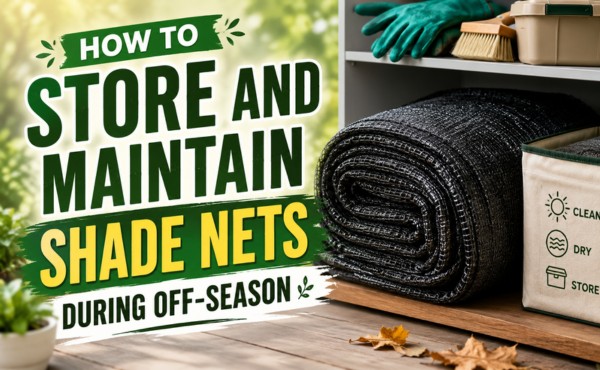
Proper care extends the life of any agriculture net. HDPE nets need regular cleaning with mild detergent and water to remove dirt and debris. Farmers should inspect nets often for rips, tears, or signs of UV damage. Storing nets in a cool, dry, and well-ventilated place, away from direct sunlight, helps maintain their durability. Careful handling prevents unnecessary folding or bending, which can weaken the net over time.
- Key maintenance steps for hdpe agriculture net:
- Clean with mild detergent and water
- Inspect for wear or UV damage
- Store in a cool, dry area
- Handle gently to avoid damage
Application Suitability
Best Uses for HDPE Nets
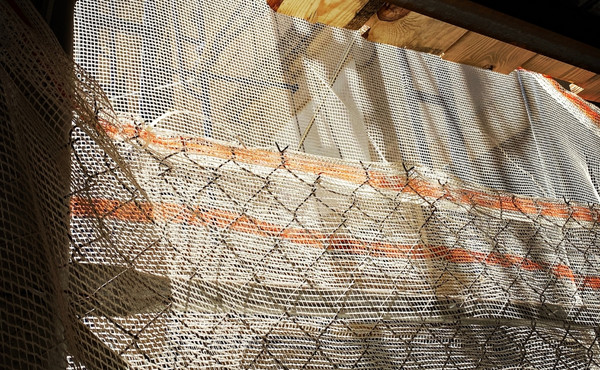
HDPE nets serve as the top choice for many demanding agricultural applications. Farmers use these nets when they need strong, long-lasting protection for crops. HDPE works well in areas with harsh sunlight, heavy rain, or strong winds. It provides reliable coverage for vegetables, berries, and certain flowers.
HDPE nets also help prevent leaf scorching and lower water loss by reducing evaporation. They protect crops from bird droppings and hail impact.
Many growers choose HDPE for long-term agricultural protection because it stands up to outdoor conditions for years.
Best Uses for LDPE Nets
LDPE nets fit best in lightweight or temporary applications. Farmers select LDPE when they need flexible, easy-to-handle netting for short-term crop protection. These nets work well for nursery shade, quick shading, or covering plants during a single season.
LDPE nets allow more light to pass through, which helps in applications where transparency is important. They suit situations where frequent net changes happen, or where cost is a major concern.
LDPE nets do not last as long as HDPE, but they offer a practical solution for short-term needs in agriculture. Their flexibility makes them easy to install and remove.
Choosing the Right Net
Selecting the right agriculture net depends on the specific application. Farmers should consider factors such as GSM (grams per square meter), shade percentage, mesh size, and color.
The table below outlines common applications and their requirements:
| Application | GSM | Shade % / Mesh | Color |
|---|---|---|---|
| Vegetable Shade Net | 100–150 | 50% shade | Green / White |
| Insect-Proof Net | 80–120 | 40–60 mesh | White |
| Bird Control Net | 100–120 | 20–25 mm | Black / Green |
| Hail Netting | 120–150 | 10–15 mm | White / Transparent |
| Nursery Shade Net | 90–120 | 50–75% shade | Green |
When choosing between HDPE and LDPE, farmers should match the net to their crop and the level of protection needed. HDPE suits heavy-duty, long-term applications.
LDPE fits lightweight, temporary uses. Both types play a role in modern agricultural applications, helping growers protect crops and improve yields.
Conclusion
HDPE agriculture nets deliver higher strength, longer service life, and better UV resistance than LDPE nets. LDPE nets offer flexibility and suit temporary or lightweight uses.