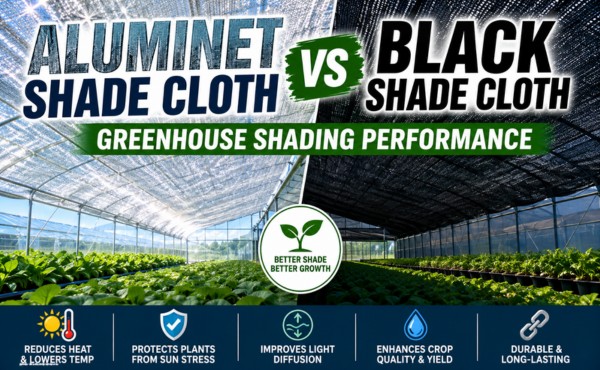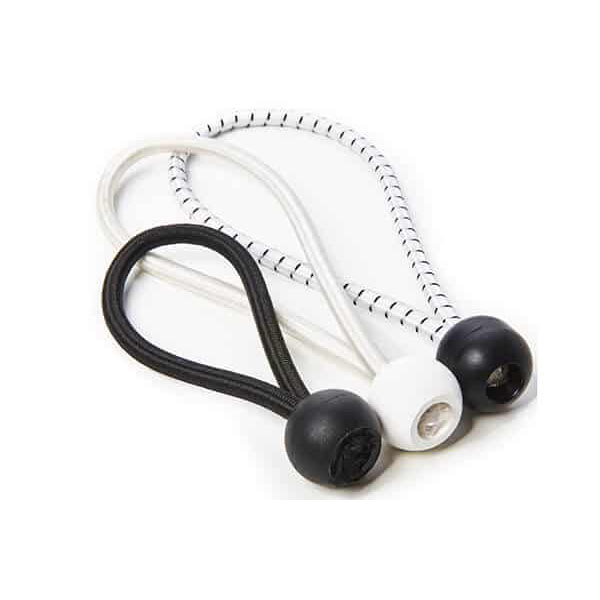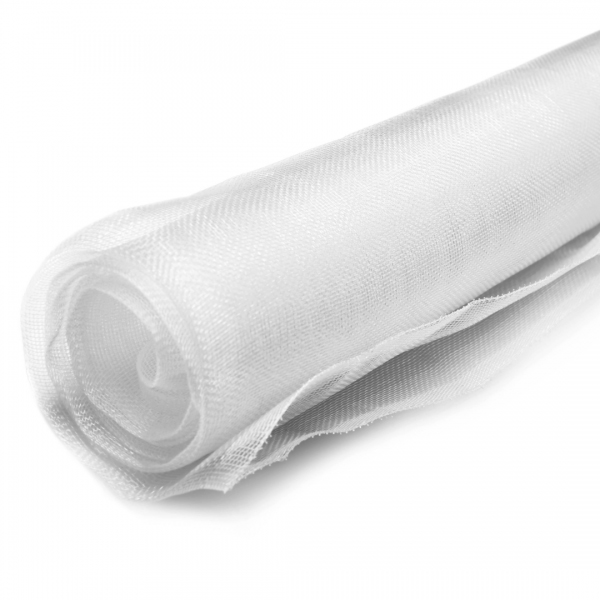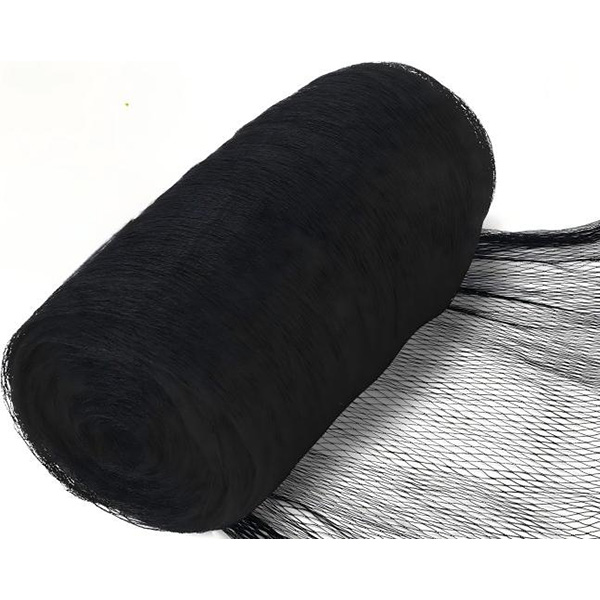
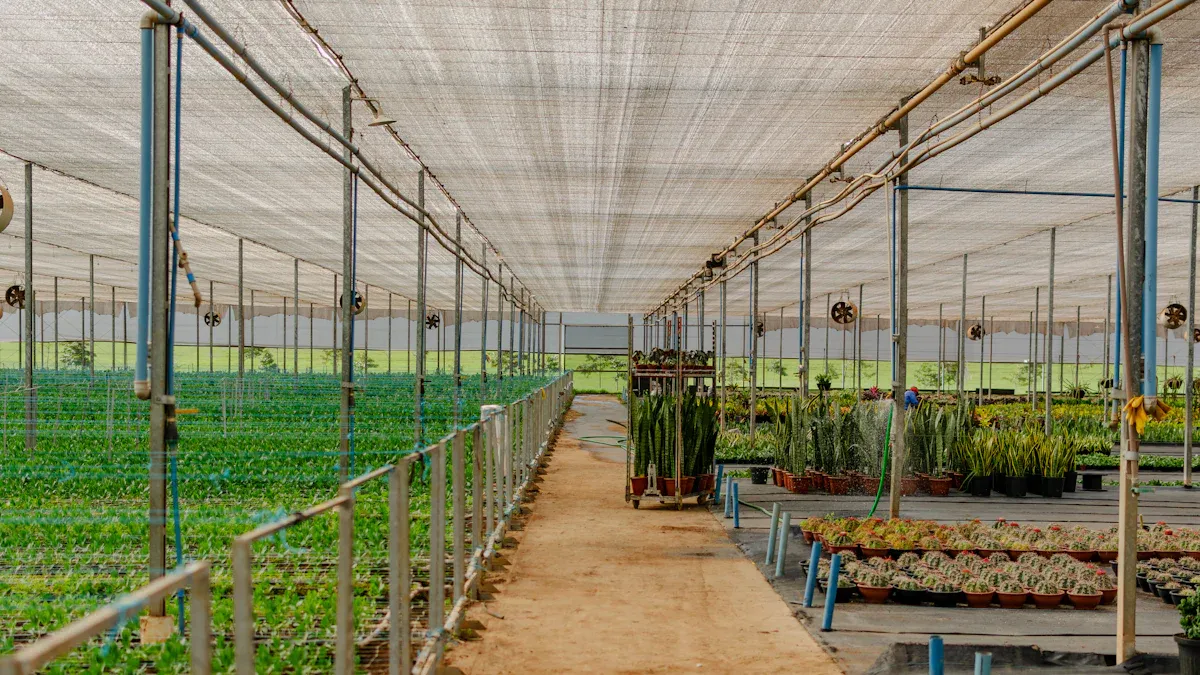
Modern agriculture uses uv-stabilized materials for agricultural shade netting in many applications. Farmers choose HDPE, PE, PP, and biodegradable options for nets because these uv-stabilized materials provide strong protection from sunlight and harsh conditions. Agricultural shade netting supports technology in agriculture by improving crop quality and yield.
Nets help maintain crop protection, enhance sustainability, and boost water conservation strategies. Shade nets play a key role in sustainable farming and conservation efforts. Agro shade net machines produce nets tailored for customized shade netting, ensuring conditions fit each crop. These nets offer benefits for agriculture protection netting, yield increase, and overall quality, making them essential for modern agriculture and sustainable options.
UV Stabilization in Agriculture
What Is UV Stabilization?
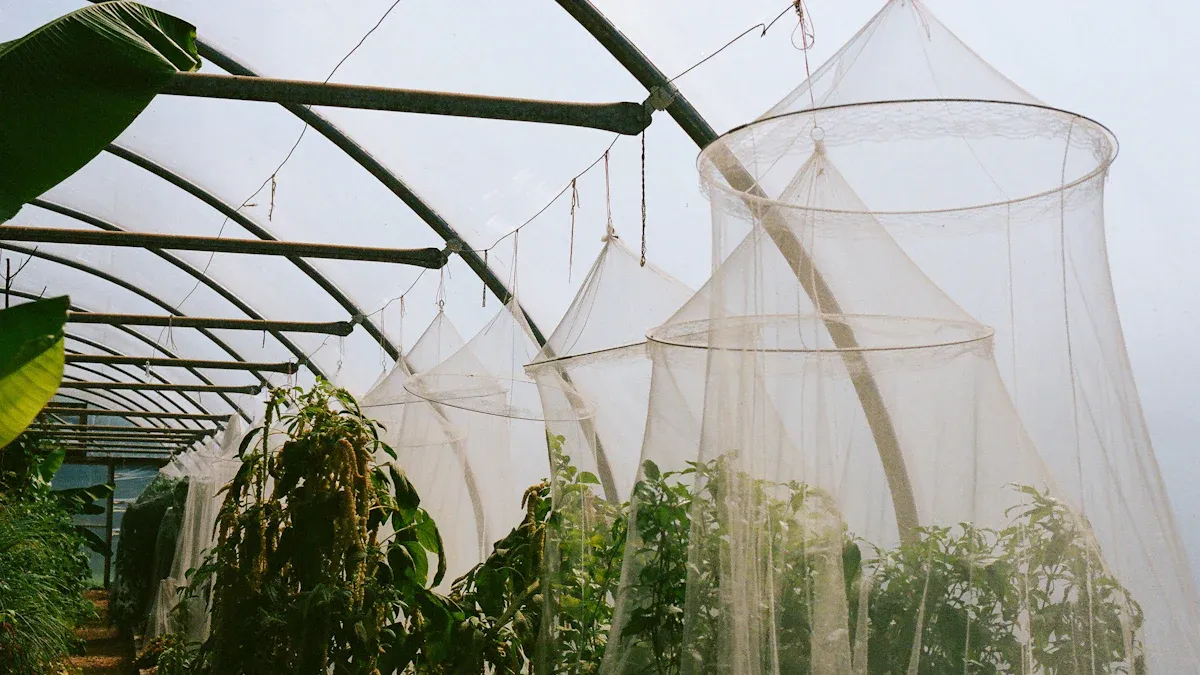
UV stabilization is a process that helps materials resist damage from ultraviolet rays. In agriculture, this process protects nets from breaking down under strong sunlight. UV rays can cause nets to become weak and brittle.
UV stabilization adds special chemicals to the net material. These chemicals absorb or block UV rays. This keeps the nets strong and flexible for a longer time.
Farmers use UV stabilization in many applications. They need nets that last through different weather conditions. UV stabilization helps nets keep their shape and strength. This technology supports crop protection by making sure nets do not fail during the growing season. Agricultural nets with UV stabilization offer many benefits, such as longer life and better performance.
Why UV Protection Matters for Nets
UV protection is key for nets used in agriculture. Without UV protection, nets can break down quickly. This can lead to poor crop protection and lower yields. UV rays are strong in many farming regions. Nets without UV protection may not survive harsh conditions.
The benefits of UV protection include:
- Longer-lasting nets for crop protection
- Better performance in different weather conditions
- Improved technology for sustainable agriculture
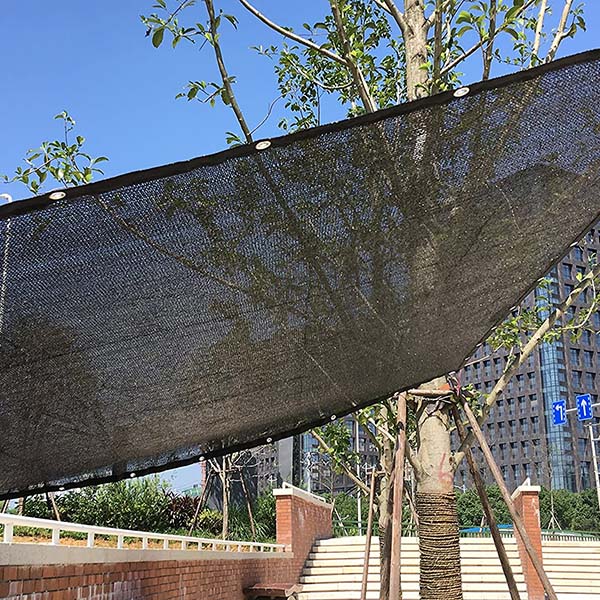
Nets with UV protection help farmers use technology to protect crops from too much sun, wind, or pests. These nets support many applications, such as shade, insect control, and water conservation. Agricultural nets with UV protection give farmers reliable tools for crop protection and better results.
A table below shows how UV protection improves net performance in agriculture:
| Feature | With UV Protection | Without UV Protection |
|---|---|---|
| Net Durability | High | Low |
| Crop Protection | Strong | Weak |
| Benefits for Farmers | Many | Few |
| Use in Applications | Wide | Limited |
Nets with UV stabilization and UV protection play a big role in modern agriculture. They help farmers face tough conditions and get the most benefits from their technology and efforts.
Types of UV-Stabilized Materials
HDPE and Polyethylene
High-density polyethylene, or HDPE, stands out as one of the most popular materials for shade nets in agriculture. Farmers choose HDPE because it offers strong UV resistance and long-lasting durability.
Polyethylene, often called PE, also appears in many agricultural nets. Both HDPE and PE provide lightweight structure and flexibility, which makes them easy to install over crops.
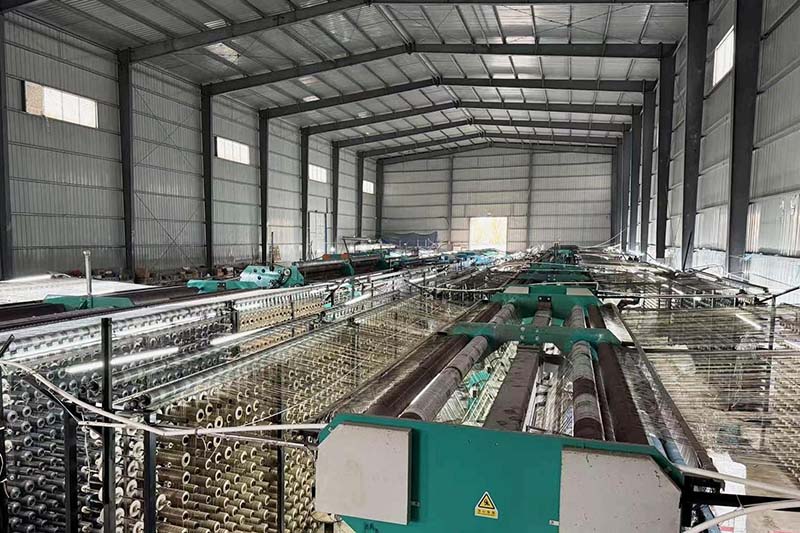
HDPE and PE nets resist chemicals and moisture. These nets do not break down easily under sunlight. Agro shade net machines use HDPE and PE to create nets with different shade percentages. This allows farmers to select the right net for each crop and climate. The nets help control sunlight, reduce heat, and protect crops from wind and pests.
Polypropylene and Biodegradable Options
Polypropylene, or PP, is another material used in agricultural shade nets. PP nets offer good strength and resist stretching. These nets work well in areas with high temperatures. Agro shade net machines can produce PP nets with different mesh sizes for various shade needs.
Biodegradable options have become more popular in agriculture. These nets use plant-based fibers or special polymers that break down over time. Farmers who want to support sustainability often choose biodegradable nets. These nets protect crops during the growing season and then decompose, leaving no waste behind.
Sustainability and Eco-Friendly Choices
Sustainability plays a big role in modern agriculture. Farmers look for nets that protect crops and also support the environment. HDPE, PE, and PP nets can be recycled after use. This reduces waste and helps keep agricultural land clean.
Biodegradable nets offer another path to sustainability. These nets break down naturally and do not add to landfill problems. Agro shade net machines now produce more eco-friendly nets than ever before. Farmers can choose nets that fit their shade needs and also meet their sustainability goals.
Material Comparison for Agricultural Nets
Durability and UV Resistance
Durability plays a major role in the success of agricultural shade netting. HDPE nets show high resistance to UV rays, which helps them last longer in tough conditions. Polypropylene nets also provide strong protection against sunlight. Biodegradable nets offer good performance for short-term use, but they break down faster.
Farmers rely on agricultural shade netting to maintain crop protection and improve yield. Agro shade net machines create nets with different levels of UV resistance, allowing users to match the net to the local climate. Nets that resist UV damage keep their shape and strength, even after months of exposure. This durability supports agriculture protection netting and ensures consistent quality for crops.
Cost and Longevity
Cost and longevity affect the choice of agricultural shade netting. HDPE nets often cost more at first, but their long lifespan gives better value over time. Polypropylene nets provide a balance between price and durability.
Biodegradable nets usually cost less, but they last only for one season. Farmers use agro shade net machines to produce nets that fit their budget and needs. Longer-lasting nets reduce the need for frequent replacement, saving money and labor.
The right net helps increase yield and supports crop protection throughout the growing season. Agricultural nets that last longer also improve the overall quality of agriculture protection netting.
| Material | Initial Cost | Longevity | Best Use Case |
|---|---|---|---|
| HDPE | High | 5+ years | Long-term protection |
| Polypropylene | Medium | 2-4 years | Moderate conditions |
| Biodegradable | Low | 1 season | Short-term, eco use |
Environmental Impact
Environmental impact matters in modern agriculture. HDPE, PE, and polypropylene nets can be recycled, which reduces waste. Biodegradable nets break down naturally, leaving no plastic behind. Agro shade net machines now support the production of eco-friendly nets for agriculture protection netting.
Farmers choose nets that protect crops and also support the environment. Sustainable agricultural shade netting helps maintain soil health and reduces pollution. The use of recyclable and biodegradable nets brings benefits for both yield and the planet.
Agricultural Netting Construction
Knitted vs. Woven Nets
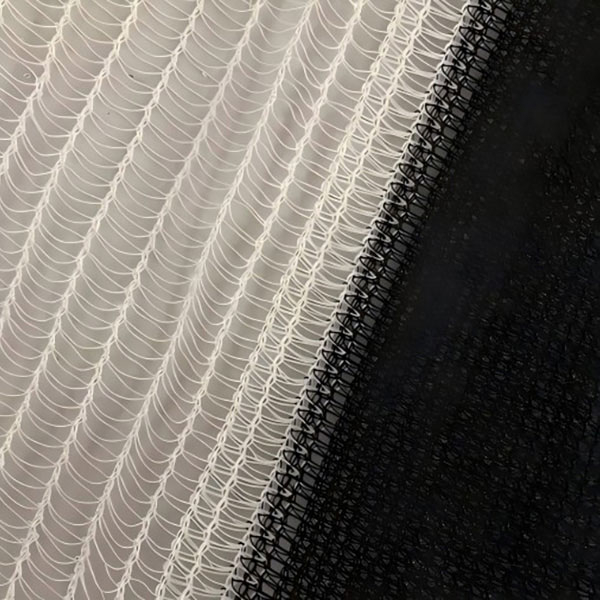
Farmers use two main types of nets for shade in agriculture: knitted and woven. Knitted nets have loops that interlock, which gives them flexibility and strength. Woven nets have threads that cross over and under each other, creating a tight pattern. Each type offers unique benefits for crop protection.
Knitted shade nets stretch easily and resist tearing. Workers can install these nets quickly over crops. The open structure allows air to move through, which helps control temperature and humidity.
Woven shade nets provide a firm barrier. These nets block more sunlight and offer strong protection against wind. Farmers often choose woven nets for areas with harsh weather.
How Material Choice Affects Performance
Material choice plays a big role in how shade nets perform in agriculture. HDPE, PE, and polypropylene work well with both knitted and woven nets.
Biodegradable materials suit short-term use. Agro shade net machines help create nets with the right material and construction for each farm.
Knitted nets made from HDPE or PE last longer and resist UV damage. These nets protect crops from strong sunlight and pests. Woven nets using polypropylene offer strong shade and hold up in windy areas. Biodegradable nets provide eco-friendly options for temporary crop protection.
Choosing the Right Net for Sustainability
Factors for Selection
Farmers consider several factors when selecting nets for sustainability. They look at the type of net, the material, and the level of shade needed for crop protection.
They want nets that help with water conservation and soil health. Agro shade net machines play a role by making nets with different features for agriculture protection netting.
A table below shows important factors for choosing nets:
| Factor | Why It Matters |
|---|---|
| Material | Affects durability and sustainability |
| Shade Level | Controls sunlight for crops |
| Recyclability | Supports conservation |
| Biodegradability | Reduces waste |
| Cost | Impacts long-term sustainability |
| Compatibility with agro shade net machines | Ensures proper net design |
Conclusion
Agricultural shade netting uses UV-stabilized materials to improve crop protection and support sustainability. Nets made from HDPE, PE, PP, and biodegradable options offer strong protection against sunlight.
Farmers select nets based on durability, shade level, and environmental impact. Agricultural shade netting helps protect crops and maintain quality. Nets with proper UV protection last longer and provide better results. Choosing the right net and construction type supports long-term agricultural success. Readers can explore more about agricultural shade netting to optimize crop protection and sustainability.