Construction sites are constantly changing environments. Workers move between different zones, machinery travels across active work areas, materials are delivered and removed, and temporary hazards can appear as a project progresses. In these conditions, clearly identifying restricted areas, work zones, and potential hazards is an important part of effective site management.
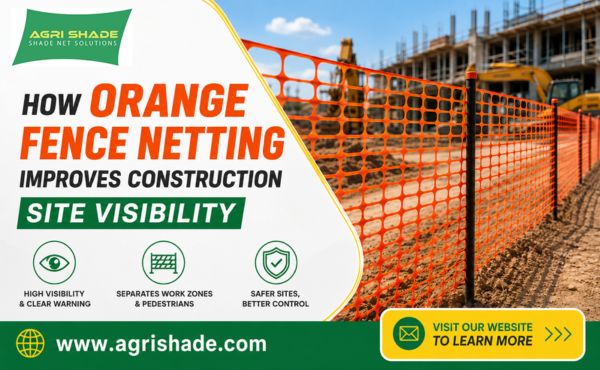
Orange fence netting provides a simple and highly visible way to mark construction boundaries, excavation areas, pedestrian routes, equipment zones, and other controlled spaces. Its bright color creates strong visual contrast with common construction surroundings, helping workers, visitors, drivers, and pedestrians recognize designated areas more quickly.
Compared with permanent fencing or heavy rigid barriers, orange construction fencing is lightweight, flexible, and easy to install. This makes it particularly useful for temporary areas that may need to be moved or adjusted as construction work progresses.
What Is Orange Fence Netting?
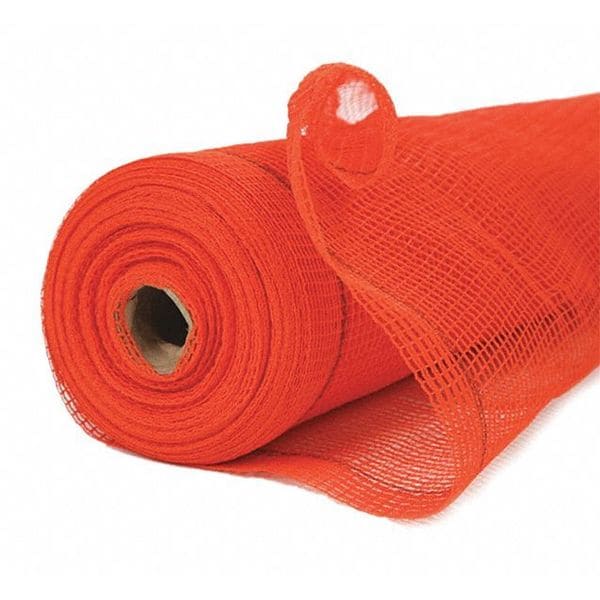
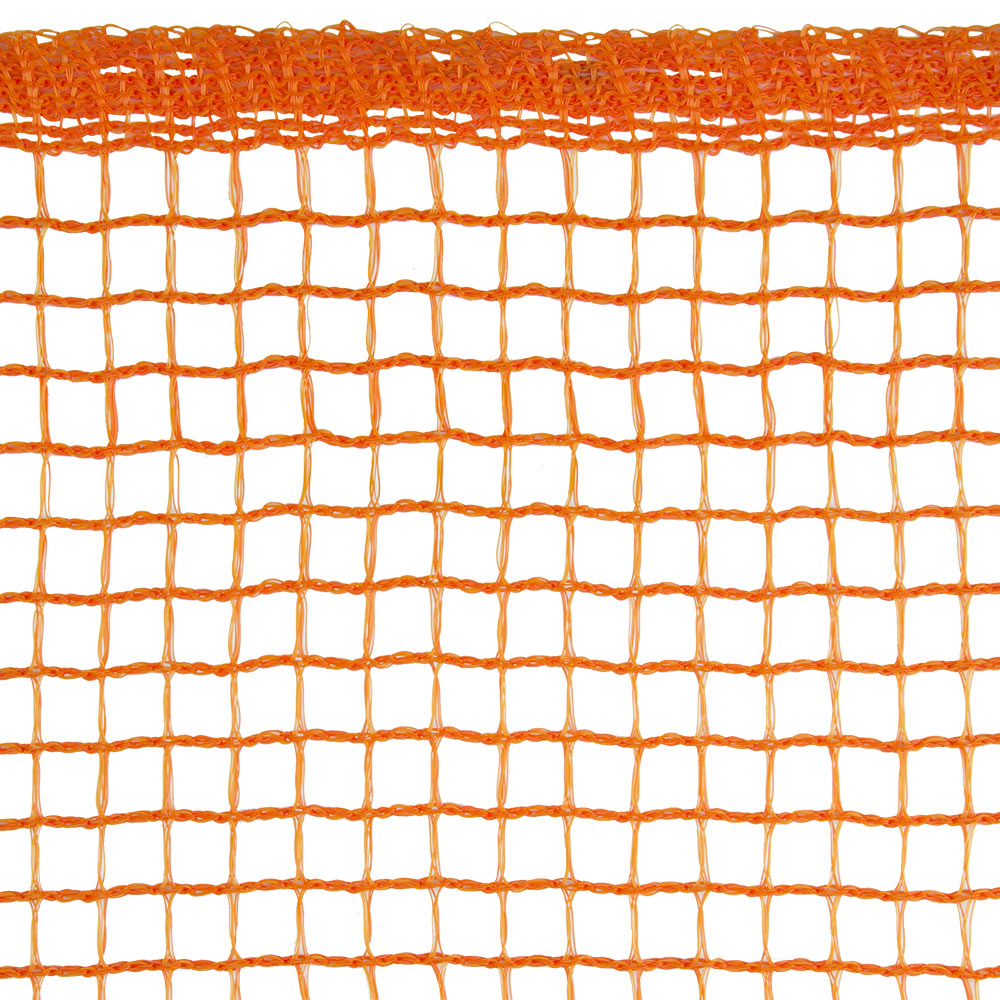
Orange fence netting is a lightweight plastic mesh barrier used to create visible boundaries around temporary work areas. It is commonly made from high-density polyethylene (HDPE), a material valued for its combination of flexibility, durability, and resistance to outdoor conditions.
Unlike solid fencing, orange plastic safety fencing uses an open mesh design. The openings allow wind and air to pass through while maintaining a clearly visible boundary. This can make the netting easier to handle and install across large or irregular areas.
Orange fence netting is commonly used for:
- Construction site boundaries
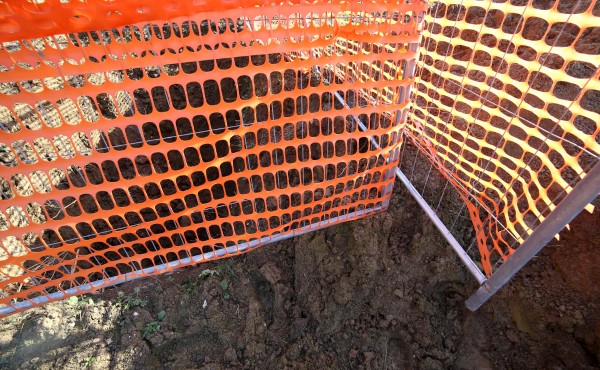
- Excavation and trench areas
- Road and utility work
- Temporary pedestrian routes
- Demolition zones
- Equipment operating areas
- Landscaping projects
- Restricted access areas
For contractors and site managers, orange construction netting is particularly useful when a temporary barrier needs to be installed, relocated, or removed quickly.
Why Is Orange Fence Netting Highly Visible?
One of the main reasons orange fence netting is widely used on construction sites is its high visibility.
Construction environments often contain neutral and natural colors such as gray concrete, brown soil, dark machinery, steel structures, green vegetation, and unfinished building materials. Bright orange creates strong contrast against many of these backgrounds, making the fence easier to notice.
This visual contrast is especially useful in busy work environments where workers, equipment operators, and visitors may need to recognize a restricted area quickly.
A continuous line of orange fencing can also be easier to see than individual warning signs or isolated traffic cones. Instead of marking only a few points, the fence creates a visible perimeter around an entire controlled area.
This does not mean orange fencing should replace required safety barriers, guardrails, signs, or other protective systems. Its main role is to improve visual warning and area identification, helping people recognize where a temporary boundary begins.
How Orange Fence Netting Improves Construction Site Visibility
Clearly Marks Hazardous Areas
Construction projects often include temporary hazards such as trenches, excavations, uneven ground, demolition zones, exposed utilities, stored materials, or equipment operating areas.
Orange safety fence netting can be installed around these locations to form a clearly visible perimeter.
Because the fencing creates a continuous boundary, workers approaching the area can more easily recognize where normal access ends and a controlled zone begins. This is especially valuable when hazards are temporary or when the location of active work changes during different stages of a project.
For example, an excavation may only remain open for several days before work moves to another section of the site. Orange netting can be relocated to match the new work zone without requiring a permanent barrier installation.
Defines Restricted Access Zones
Some construction areas should only be entered by authorized workers.
Orange construction fence netting provides a practical way to visually separate these restricted areas from general access zones. Entry points can remain clearly defined while the surrounding mesh communicates that the space is controlled.
Common restricted areas may include:
- Material storage zones
- Machinery operating areas
- Utility installation sections
- Demolition areas
- Temporary work platforms
- Active excavation zones
Clear separation can also improve overall site organization. Workers, subcontractors, delivery drivers, and visitors can more easily understand which areas are open and which areas require additional authorization or caution.
Separates Pedestrians From Active Work Areas
Construction sites often involve different types of movement at the same time.
Workers may be walking between work areas while forklifts, loaders, trucks, excavators, and other equipment operate nearby. On projects located close to public areas, pedestrians or visitors may also need to pass around the site.
Orange fence netting can help establish visible pedestrian routes and separate foot traffic from active construction areas.
The bright mesh creates a clear visual guide, making designated walking paths easier to identify. This can be particularly useful around commercial developments, residential projects, parking areas, sidewalks, and public infrastructure work.
By clearly showing where pedestrians should travel, orange safety fencing can support better traffic organization within and around the site.
Highlights Temporary Construction Boundaries
Construction boundaries do not always remain in the same location throughout a project.
During site preparation, excavation, concrete work, landscaping, utility installation, or finishing work, temporary zones may need to expand, shrink, or move.
Orange plastic safety fencing is well suited to these changing conditions because it can be installed quickly and repositioned as necessary.
Typical temporary applications include:
- Road maintenance
- Utility installation
- Landscaping work
- Temporary excavations
- Concrete placement areas
- Ground preparation
- Short-term maintenance work
Its flexibility allows site managers to update temporary boundaries without installing permanent fencing for every stage of work.
Because the orange color remains easy to recognize, the updated work zone can still be clearly distinguished from surrounding areas.
Makes Work Areas More Noticeable to the Public
Construction near public areas requires particularly clear visual separation.
Roadside projects, utility repairs, landscaping work, building renovations, and infrastructure improvements may take place close to sidewalks, roads, parking areas, or neighboring properties.
Orange warning fence netting can make these work areas more noticeable to people approaching from outside the construction site.
Its bright appearance immediately signals that the area is different from the surrounding environment and should receive additional attention.
This can be helpful for pedestrians who need to follow temporary routes, drivers approaching roadside work, or visitors arriving at an active construction project.
For this reason, orange construction fencing is commonly used where temporary work zones need to be clearly visible without creating a heavy permanent enclosure.
Orange Fence Netting vs. Traditional Site Barriers
Orange fence netting and traditional rigid barriers are designed for different purposes.
Heavy-duty fencing, guardrails, concrete barriers, and other engineered systems may be required where physical protection, impact resistance, fall prevention, security, or regulatory compliance is necessary.
Orange mesh fencing is better suited to situations where visibility, temporary separation, and area identification are the main priorities.
Compared with heavier site barriers, orange safety netting offers several practical advantages:
- Lightweight construction
- Fast installation and removal
- Easy transportation around the site
- Simple relocation as work areas change
- Flexible layouts for irregular boundaries
- Efficient coverage of larger areas
- Convenient storage when not in use
These characteristics make orange plastic fencing useful for temporary construction zones where site conditions change frequently.
However, it should be selected according to the actual requirements of the project. Where stronger physical protection is needed, orange netting should be used alongside appropriate barriers rather than as a substitute.
Where Is Orange Construction Fence Commonly Used?
Orange fence netting can be used across a wide range of construction, infrastructure, and outdoor work environments.
Building Construction
On residential, commercial, and industrial building projects, orange fencing can be used to identify temporary work zones, unfinished areas, material storage sections, or restricted access points.
It is also useful during different construction stages when work areas frequently change.
Road and Utility Projects
Road crews and utility contractors often work close to vehicle and pedestrian traffic.
Orange construction netting can help identify temporary excavation areas, roadside work zones, utility installation sections, and pedestrian detours.
Its bright color makes these temporary boundaries easier to recognize from a distance.
Excavation and Trenching
Trenches and excavation areas may change location as underground work progresses.
Orange safety fence netting can provide a visible perimeter around these zones, helping workers and visitors recognize controlled areas before approaching them.
Demolition Work
Demolition projects often contain sections where access needs to be limited.
Temporary orange fencing can visually separate demolition areas from surrounding work zones and indicate where additional caution is required.
Landscaping and Groundworks
Orange construction netting is also widely used for landscaping, drainage work, soil preparation, newly planted areas, earthworks, and other temporary ground disturbances.
Because it is lightweight and easy to reposition, it is suitable for projects where boundaries may change several times before work is completed.
Conclusion
Orange fence netting is a practical solution for improving visibility across temporary construction work zones. Its bright color makes restricted areas, excavation zones, pedestrian routes, equipment sections, and changing site boundaries easier to recognize.
Its lightweight and flexible construction also makes it convenient for projects where work areas need to be adjusted as construction progresses.
When used together with appropriate signs, barriers, site procedures, and other required safety measures, orange construction fence netting can help create clearer and better-organized work areas.
For contractors, construction suppliers, and distributors, selecting durable HDPE orange fence netting with suitable mesh specifications, UV resistance, roll dimensions, and customization options can provide a versatile solution for construction site visibility and temporary area control.