Introduction: Why Cotton Wrap Film Matters in Brazil
Brazil is one of the world’s largest cotton producers, with millions of hectares planted annually across powerhouse states like Mato Grosso, Bahia, and Goiás. As Brazilian cotton exports continue to rise on the global stage, farmers are under increasing pressure to deliver high-quality fiber — and that starts in the field, long before the bale reaches the gin.
One of the most overlooked yet critical decisions a Brazilian cotton farmer makes is choosing the right wrap film. The wrap film is the first and last line of defense between a harvested bale and the elements. A poor choice can lead to mold, UV degradation, moisture intrusion, and ultimately significant financial losses.
This guide explains exactly how experienced Brazilian farmers evaluate and select the best cotton wrap film for their operations — from technical specifications to supplier relationships.
Climate Resistance: Protecting Bales in Brazil’s Harsh Conditions
Brazil’s cotton-growing regions present some of the most demanding environmental challenges in the world. The Cerrado experiences intense solar radiation, temperatures regularly exceeding 35°C, and a distinct wet season with heavy, sustained rainfall. The Northeast, including parts of Bahia and Piauí, adds extreme aridity and UV exposure to the mix.
For farmers in these regions, UV stabilization is non-negotiable. The best cotton wrap films on the Brazilian market offer UV protection rated for 12 to 18 months, ensuring that bales stored in open fields or under basic shelters do not degrade before they reach processing facilities.
Moisture resistance is equally critical. A wrap film that allows humidity to penetrate creates the perfect environment for mold and fermentation inside the bale, destroying fiber quality and reducing market value. Brazilian farmers look for films with multi-layer barrier technology that keeps internal humidity levels stable regardless of weather conditions outside.
What farmers look for:
- UV stabilization rated 12–18 months minimum
- Multi-layer moisture barrier construction
- Resistance to temperature fluctuations between day and night
- Performance in both dry and wet season storage
Stretch Performance and Film Efficiency
Modern round bale wrap films are designed to be applied under tension, stretching around the bale to create a tight, sealed package. The degree to which a film stretches — and how consistently it performs at that stretch — has a direct impact on both bale quality and material costs.
Brazilian farmers increasingly favor films with pre-stretch ratios between 55% and 70%. At these levels, a single roll covers significantly more bales compared to lower-stretch alternatives, reducing per-bale film costs without sacrificing wrapping integrity.
However, stretch alone is not enough. In Brazil’s high-temperature conditions, some cheaper films lose cling performance when heated — they wrap loosely and allow air to enter the bale. Top-performing films maintain consistent cling even in ambient temperatures above 30°C, which is a standard condition during Brazilian harvest season (typically June through September in Mato Grosso).
Farmers also evaluate tensile strength and tear resistance. Fields in the Cerrado often have cotton stubble, rocks, or uneven terrain. A film that tears during wrapping wastes material and creates gaps in bale protection. Experienced operators know that a slightly thicker film with reliable tensile strength can save more money in the long run than a cheaper, tear-prone alternative.
Film Thickness: Balancing Protection and Cost
Cotton wrap film thickness is measured in microns, and the choice of thickness involves a deliberate trade-off between protection and cost efficiency. The most commonly used films in Brazil range from 25 to 30 microns, though this varies by region and storage method.
25-micron films are preferred by operations that wrap and transport bales quickly, minimizing outdoor storage time. They are lighter, less expensive per roll, and sufficient for short-term protection.
28 to 30-micron films are the standard for farms where bales may be stored outdoors for several months before pickup. The added thickness provides better puncture resistance, stronger UV protection layers, and greater peace of mind for farm managers dealing with long distances to gins or ports.
In practice, most agronomists and farm managers in Mato Grosso recommend a minimum of four wrapping layers, with many operations applying six layers for bales destined for export or extended storage. The combination of thickness and layer count determines the real-world durability of the wrapped bale.
Color Selection: More Than Aesthetics
The color of a cotton wrap film is not a cosmetic choice — it has a meaningful impact on bale temperature, fiber preservation, and even regulatory compliance in certain Brazilian states.
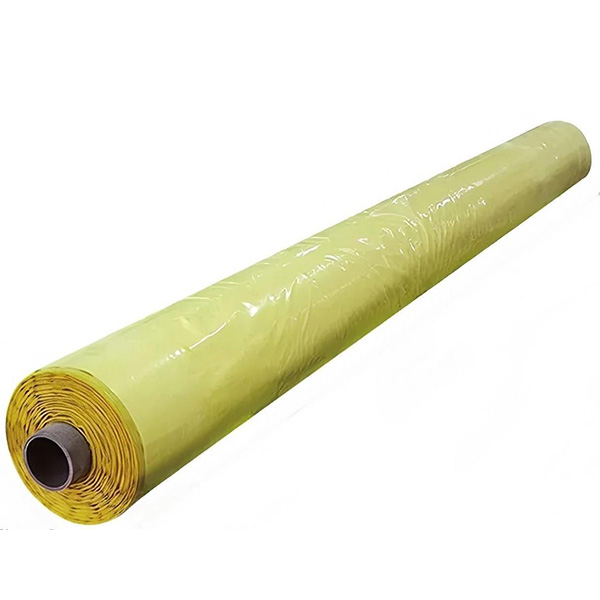
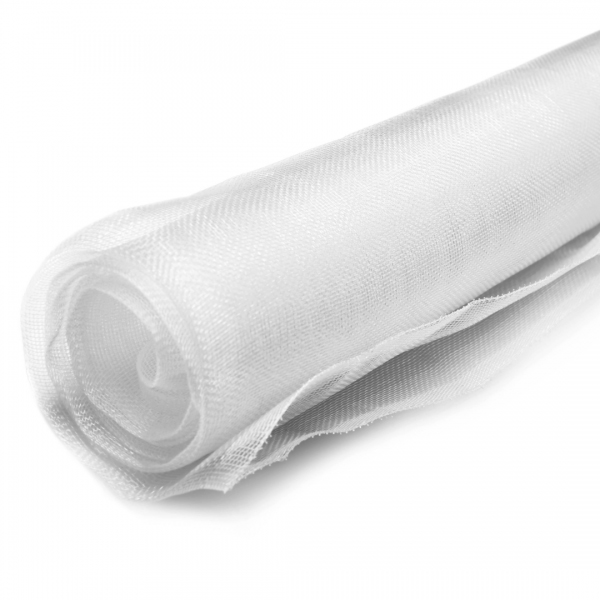
White wrap film is the dominant choice across Brazil’s hottest growing regions. White reflects sunlight rather than absorbing it, keeping internal bale temperatures significantly lower during outdoor storage. Studies conducted in tropical agricultural settings consistently show that bales wrapped in white film maintain better fiber color and quality over time compared to those wrapped in dark films exposed to direct sunlight.
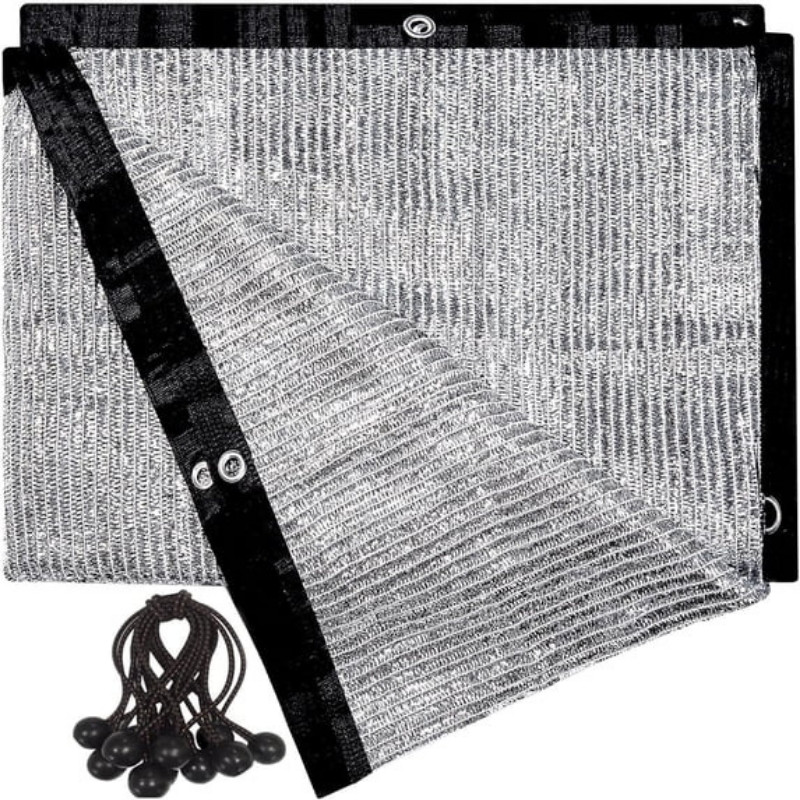
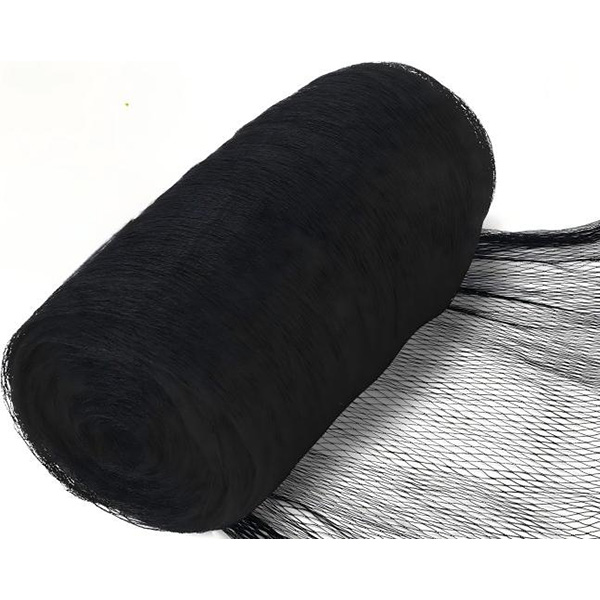
Black wrap film is used in specific contexts — primarily in cooler storage environments or shaded warehouses where UV reflection is less of a concern. Some farmers also use black film when storing bales in conditions where light exclusion (rather than heat reflection) is the priority.
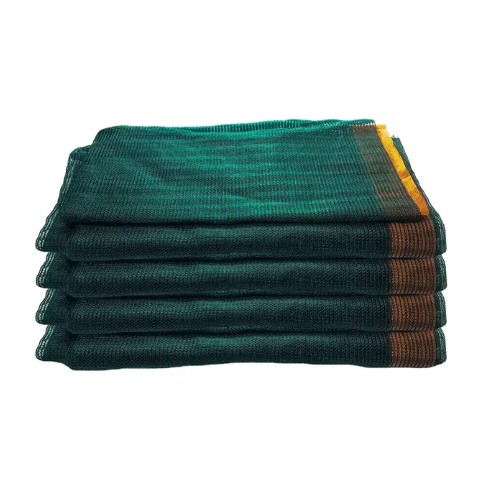
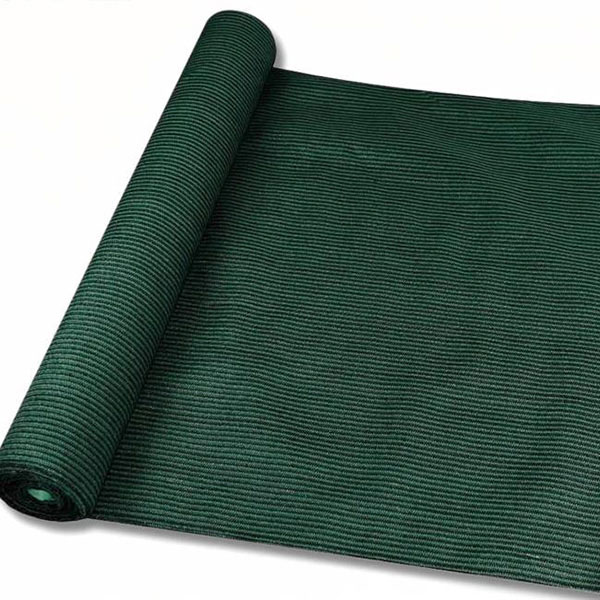
Green and other colors are occasionally used to meet regional agricultural guidelines or cooperative standards, particularly in areas where visual identification of certified bales is part of a traceability program.
The practical takeaway for most Brazilian cotton operations: white film is the safest default choice for outdoor storage in full sun, while other colors serve niche or region-specific purposes.
Brand Trust and Country of Origin
Not all wrap films perform equally, and Brazilian farmers have learned this through hard experience. While the global market offers options from European manufacturers, domestic Brazilian producers, and lower-cost Asian imports, purchasing decisions are heavily influenced by proven performance and brand reputation.
European-made films — particularly those from Germany, Italy, and Scandinavia — are widely regarded as the quality benchmark in Brazil. They are engineered for consistency in UV additive distribution, stretch uniformity, and cling performance. However, they carry a premium price that not all operations can justify.
Brazilian domestic manufacturers have made significant strides in quality over the past decade and now compete effectively on price-to-performance ratios. Many mid-size farm operations find that reputable domestic brands offer the right balance of reliability and cost for their specific needs.
Lower-cost imports from Asia present a more complex picture. Some products perform adequately under standard conditions, but Brazilian farmers report higher rates of UV degradation, inconsistent stretch behavior, and cling failure in high-temperature conditions. Cooperative purchasing groups (cooperativas) often advise their members against unknown brands, especially for high-value cotton destined for export.
Supplier Reliability and Logistics
Brazil’s major cotton-growing regions are geographically remote. Farms in the Cerrado can be hundreds of kilometers from the nearest major distribution center, and harvest season creates a simultaneous surge in demand for agricultural inputs across entire states.
Supplier reliability is therefore as important as product quality for many Brazilian farmers. A film that consistently arrives on schedule, in the correct specification, without substitutions or short shipments, is highly valued — even if a slightly better technical product is available from a less reliable source.
Farmers and farm managers evaluate suppliers on:
- Lead times and ability to deliver during peak harvest demand
- Consistent product specification across batches (no variation in thickness or stretch performance)
- Responsive technical support when application problems arise
- Flexible ordering for operations that cannot commit to large forward purchases
AgriShade Cotton Wrap Film – Trusted by Buyers Across Brazil
High-quality films with appropriate thickness, stretch, and UV protection often deliver superior long-term value and reduce fiber degradation risk. AgriShade delivers durable cotton wrap film rolls designed for tropical conditions. Our extensive logistics network guarantees timely delivery even during peak harvest. Contact us today for advice on the best film selection for your farm and machinery.