Mexico’s booming agriculture, construction, and horticulture industries have driven a surge in demand for shade nets. For businesses and individuals looking to source shade nets from overseas—particularly from major manufacturing hubs like China—understanding the import process is critical to avoiding costly mistakes and delays.
This comprehensive guide walks you through every step: from finding the right supplier and selecting the correct HS code, to navigating Mexico’s customs procedures and meeting regulatory standards.
1. Why Mexico’s Shade Net Market Is Growing
Mexico is one of the world’s top agricultural producers, with over 22 million hectares of farmland and a rapidly expanding greenhouse sector. Shade nets are essential tools for:
- Agriculture & Horticulture: Protecting crops from UV damage, regulating temperature, and reducing water evaporation. States like Sinaloa, Jalisco, and Sonora are major buyers.
- Construction: Providing dust barriers, debris containment, and privacy screening on job sites.
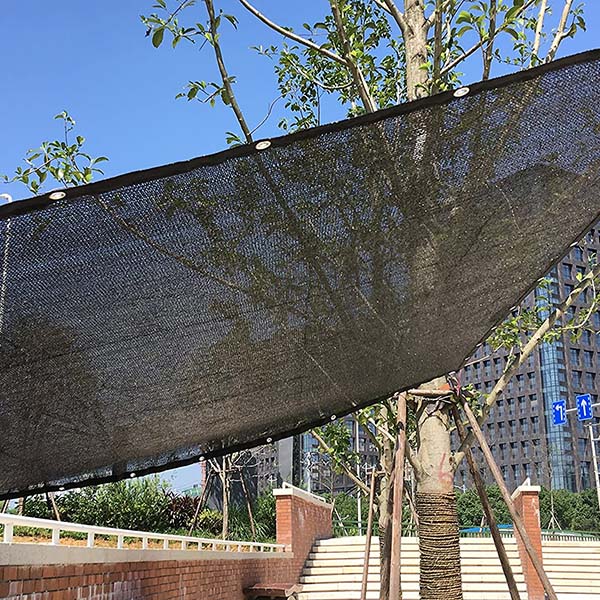
- Commercial & Residential Use: Creating shaded outdoor areas for restaurants, parking lots, and patios.
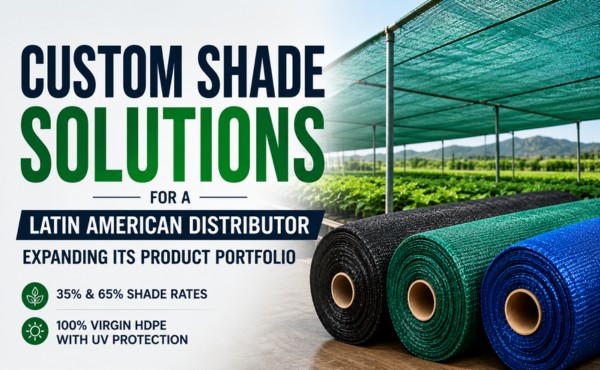
While domestic production exists, imported shade nets—especially from China, which accounts for over 60% of global production—offer competitive pricing and a wider range of specifications (shade rates from 30% to 95%, various materials, and custom sizing).
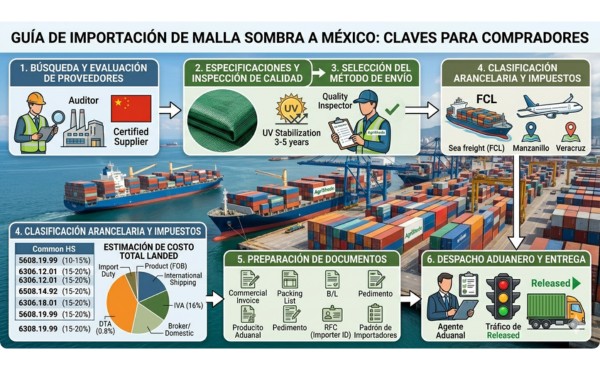
2. Step-by-Step Import Process
2.1 Finding and Vetting a Reliable Supplier
Most shade nets imported into Mexico originate from China (Anhui, Shandong, and Hebei provinces are key manufacturing regions). Here’s how to find a trustworthy supplier:
Where to Search:
- Alibaba / Made-in-China: The largest B2B platforms; filter by “Verified Supplier” or “Gold Supplier” for added security.
- Canton Fair (China Import and Export Fair): Held biannually in Guangzhou, ideal for meeting manufacturers in person.
- Industry referrals: Ask other importers or trade associations for recommendations.
How to Evaluate:
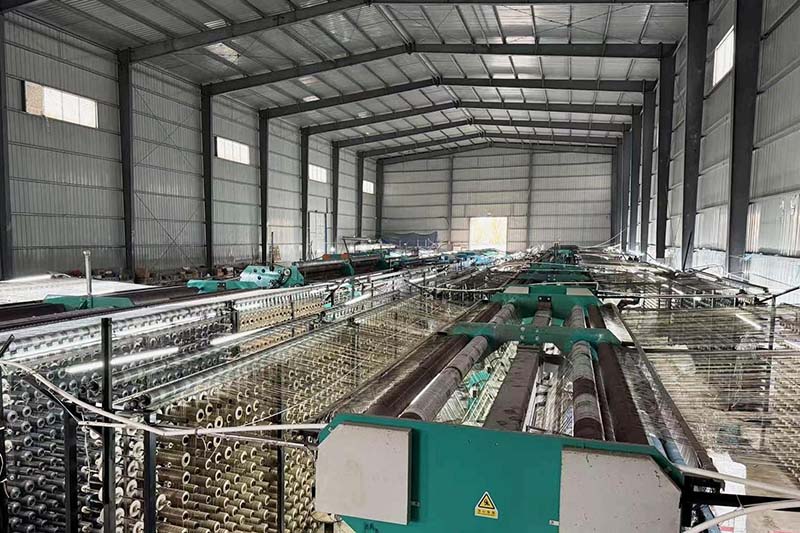
- Factory audit: Request photos/videos of the production facility, or hire a third-party inspection company (e.g., SGS, Bureau Veritas) for a factory audit.
- Samples: Always order samples before placing a bulk order. Test for UV resistance, tensile strength, and weight per square meter.
- Certifications: Look for ISO 9001 quality management certification and UV stabilization test reports.
- Trade history: On Alibaba, check the supplier’s transaction history and buyer reviews. Prioritize suppliers with 3+ years of export experience.
Payment Safety:
- Use Trade Assurance (on Alibaba) or Letters of Credit (L/C) for large orders.
- Avoid paying 100% upfront. A common arrangement is 30% deposit + 70% before shipment (T/T terms).
- For smaller orders, PayPal offers buyer protection.
2.2 Product Specifications and Quality Inspection
Before placing your order, confirm the following product details:
| Specification | Typical Options |
|---|---|
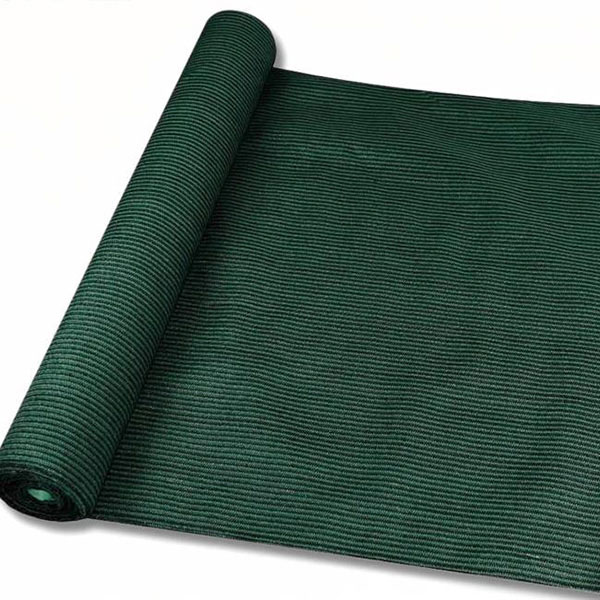
| Material | HDPE (most common), polyethylene, polypropylene |
| Shade Rate | 30%-95% (agriculture typically uses 50%-80%) |
| UV Stabilization | 3-5 years (critical for Mexico’s high UV index) |
| Color | Black, green, white, beige, or custom |
| Weight | 60-350 g/m² depending on application |
| Width | 1m-12m (standard rolls) |
| Knitting Type | Mono-filament, tape yarn, or combination |
Pre-shipment Inspection: For orders above 5,000USD,itisstronglyrecommendedtohireathird−partyqualityinspectioncompanytocheckthegoodsbeforetheyleavethefactory.Thistypicallycosts250-$400 per inspection and can save you from receiving substandard products.
2.3 Selecting the Right Shipping Method
The shipping method depends on your order size, budget, and urgency:
| Method | Best For | Estimated Transit Time | Cost Estimate |
|---|---|---|---|
| Express (DHL/FedEx/UPS) | Samples or small orders (<100 kg) | 5-8 days | 5−8 per kg |
| Air Freight | Medium orders (100-500 kg) | 7-12 days | 3−6 per kg |
| Sea Freight (LCL) | Medium orders (1-10 CBM) | 25-35 days | 80−150 per CBM |
| Sea Freight (FCL) | Large orders (full container) | 25-35 days | 3,000−6,000 per 20ft container |
Key ports in Mexico for sea freight:
- Manzanillo (Pacific coast) — most common for shipments from Asia
- Lázaro Cárdenas (Pacific coast)
- Veracruz (Gulf coast)
- Altamira (Gulf coast)
Shipping Terms (Incoterms):
- FOB (Free on Board): You are responsible for shipping from the port of origin. Gives you more control over freight costs.
- CIF (Cost, Insurance, and Freight): The supplier handles shipping to the Mexican port. Convenient but often more expensive.
- DDP (Delivered Duty Paid): The supplier handles everything, including customs clearance and duties. Best for beginners, but pricing is less transparent.
Tip: For first-time importers, working with a freight forwarder experienced in the China-Mexico route is highly recommended. They can consolidate shipments, negotiate better rates, and handle documentation.
2.4 Understanding HS Codes, Import Duties, and Taxes
Correctly classifying your shade nets is one of the most important steps. Misclassification can result in overpaying duties, penalties, or customs delays.
Common HS Codes for Shade Nets:
| HS Code | Description | Typical Duty Rate |
|---|---|---|
| 5608.19.99 | Knotted netting of man-made textile materials (other) | 10%-15% |
| 5608.90.99 | Other made-up nets of other textile materials | 10%-15% |
| 6306.12.01 | Tarpaulins and sun awnings of synthetic fibers | 15%-20% |
| 3926.90.99 | Articles of plastics (if the net is classified as plastic product) | 5%-10% |
⚠️ Important: The exact classification depends on the material composition and construction method of your shade nets. Consult a Mexican customs broker (agente aduanal) to confirm the correct HS code before shipping.
Taxes Applied on Import:
- Import Duty (Arancel): Based on the HS code, applied to the CIF value (cost + insurance + freight).
- DTA (Derecho de Trámite Aduanero): A customs processing fee of approximately 0.8% of the CIF value (minimum ~$300 MXN).
- IVA (Impuesto al Valor Agregado): Mexico’s 16% value-added tax, calculated on the CIF value + import duty + DTA.
Example Calculation:
- CIF value of shade nets: $10,000 USD
- Import Duty (15%): $1,500
- DTA (0.8%): $80
- Subtotal: $11,580
- IVA (16%): $1,852.80
- Total cost at customs: $13,432.80 USD
Trade Agreements: Mexico has free trade agreements with over 50 countries through USMCA (T-MEC), the EU-Mexico Agreement, and others. However, China does not have a free trade agreement with Mexico, so standard tariff rates apply to Chinese goods. If sourcing from the U.S. or Canada, the USMCA may offer reduced or zero tariffs—confirm with your customs broker.
2.5 Preparing Required Documentation
Incomplete or inaccurate documents are the #1 cause of customs delays. Ensure you have the following:
| Document | Who Provides It | Purpose |
|---|---|---|
| Commercial Invoice | Supplier | Details product description, quantity, unit price, total value, and Incoterms |
| Packing List | Supplier | Lists weight, dimensions, and contents of each package |
| Bill of Lading (B/L) or Air Waybill (AWB) | Shipping company | Proof of shipment and receipt of goods |
| Certificate of Origin | Supplier / Chamber of Commerce | Identifies the country of manufacture; may reduce tariffs if trade agreements apply |
| Pedimento de Importación | Customs broker | Mexico’s official import declaration, filed with SAT |
| RFC (Registro Federal de Contribuyentes) | Importer | Your Mexican tax ID; required for all commercial imports |
| Padrón de Importadores | SAT | Importer registration with Mexico’s tax authority; mandatory for commercial importers |
📌 Note for first-time importers: You must register in the Padrón de Importadores (Importer Registry) with SAT before you can legally import goods commercially into Mexico. This process can take 5-10 business days. Without it, your goods will be held at customs.
2.6 Customs Clearance Process
Once your shipment arrives at a Mexican port or airport:
- Customs Broker (Agente Aduanal): In Mexico, using a licensed customs broker is mandatory for commercial imports. They will file the Pedimento, calculate duties and taxes, and represent you before customs.
- Document Review: SAT reviews your Pedimento and supporting documents.
- Random Inspection (Reconocimiento Aduanero): Mexico uses a traffic light system—green means your goods are released, red means a physical inspection is required. This is randomly assigned.
- Payment of Duties and Taxes: Your customs broker handles the payment through the banking system.
- Release of Goods: Once cleared, your goods are available for pickup or domestic delivery.
Typical clearance time: 1-3 business days if all documents are in order; up to 1-2 weeks if issues arise.
2.7 Domestic Delivery
After customs clearance:
- Express shipments: Delivered directly to your door by the courier.
- Sea freight: You’ll need to arrange domestic transport from the port. Your freight forwarder or customs broker can usually coordinate this. Trucking from Manzanillo to Mexico City, for example, typically takes 1-2 days.
3. Regulatory Compliance: NOM Standards
Mexico’s NOM (Normas Oficiales Mexicanas) are mandatory technical standards. While shade nets do not currently fall under a specific NOM for most applications, importers should be aware of:
- NOM-050-SCFI-2004: Requires commercial product labeling in Spanish, including product name, country of origin, importer information, and material composition.
- Environmental regulations: If your shade nets contain any recycled or chemically treated materials, verify compliance with SEMARNAT (Mexico’s environmental authority) guidelines.
Labeling Requirement: All imported products sold commercially in Mexico must have labels in Spanish. Ensure your supplier can provide Spanish-language labels, or arrange for labeling upon arrival.
4. Common Mistakes to Avoid
| Mistake | Consequence | How to Avoid |
|---|---|---|
| Wrong HS code classification | Overpayment, underpayment penalties, or seizure | Consult a licensed customs broker before shipping |
| Skipping Padrón de Importadores registration | Goods stuck at customs indefinitely | Register with SAT well in advance |
| No pre-shipment inspection | Receiving defective or wrong products | Hire a third-party inspector for orders >$5,000 |
| Incomplete documentation | Customs delays of days or weeks | Use a checklist; have your broker review documents before shipping |
| Undervaluing goods on the invoice | Penalties, fines, and potential legal issues from SAT | Always declare the true transaction value |
| Ignoring Incoterms | Disputes over who pays for shipping, insurance, or duties | Clearly agree on Incoterms (FOB, CIF, DDP) in the contract |
| Not budgeting for all costs | Unexpected expenses at customs | Calculate total landed cost: product + shipping + duties + IVA + broker fees + domestic transport |
5. Cost Summary: Estimating Your Total Landed Cost
When budgeting for your import, consider all of these cost components:
| Cost Item | Typical Range |
|---|---|
| Product cost (FOB) | Varies by specification |
| International shipping | 1,500−6,000 per 20ft container (sea) |
| Marine insurance | 0.3%-0.5% of CIF value |
| Import duty | 5%-20% of CIF value |
| DTA | ~0.8% of CIF value |
| IVA | 16% of (CIF + duty + DTA) |
| Customs broker fee | 200−500 USD per shipment |
| Pre-shipment inspection | 250−400 per inspection |
| Domestic transport | 500−1,500 (port to warehouse) |
Rule of thumb: Budget an additional 35%-50% on top of the FOB product cost to cover all import-related expenses.
6. Conclusion
Importing shade nets into Mexico is a well-established process, but it requires careful planning and attention to detail. Here’s a quick recap of the key steps:
- ✅ Source and vet suppliers thoroughly—request samples and inspect quality
- ✅ Confirm the correct HS code with a licensed customs broker
- ✅ Register in the Padrón de Importadores before your first shipment
- ✅ Choose the right shipping method and Incoterms for your order size
- ✅ Prepare complete and accurate documentation
- ✅ Budget for the full landed cost, not just the product price
- ✅ Hire a licensed customs broker for commercial imports
By following these steps and working with experienced logistics partners, you can secure high-quality shade nets at competitive prices while avoiding the most common pitfalls in the import process.
Ready to get started? Contact Agrishade Now for Custom Shade Netting Solutions