Construction sites face two critical challenges: protecting workers from falling debris and shielding them from extreme heat and UV exposure. While debris nets and shade nets have traditionally been treated as separate safety systems, innovative construction managers are discovering creative ways to combine these solutions for maximum efficiency and worker protection.
This guide explores practical construction net ideas that address both debris safety and shade requirements, helping you create safer, more comfortable work environments while optimizing your safety budget.
Understanding Construction Netting: Debris Nets vs. Shade Nets
Before diving into creative applications, it’s important to understand the fundamental differences between debris netting and shade netting.
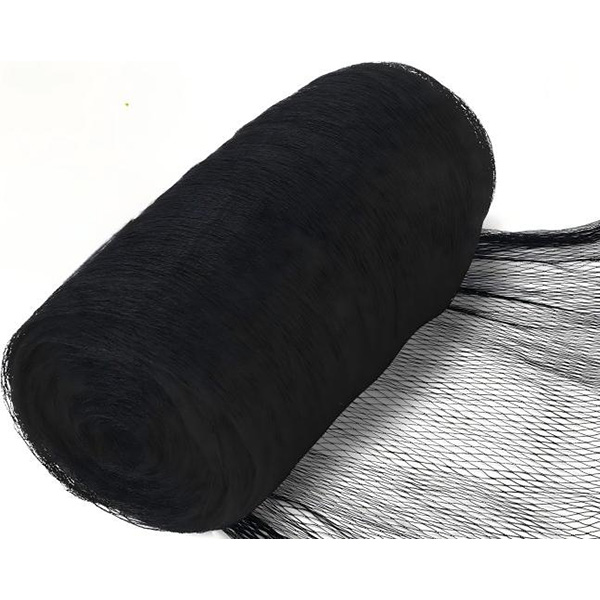
What Are Debris Nets?
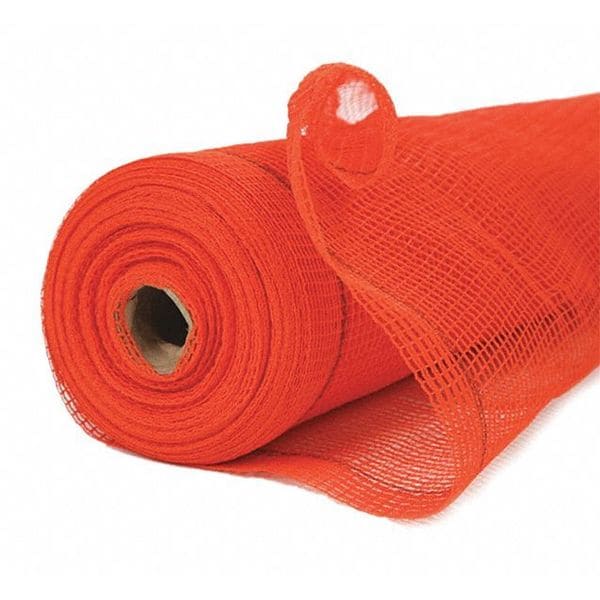
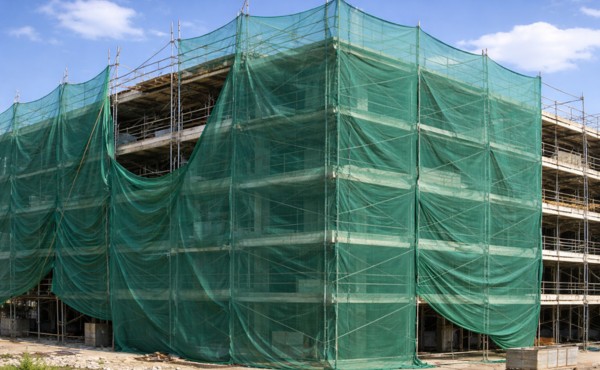
Debris nets are designed to intercept falling objects on construction sites. Made from high-density polyethylene (HDPE) or similar durable materials, these nets feature:
- High tensile strength to catch heavy falling tools and materials
- Larger mesh openings that allow air flow while containing debris
- UV-stabilized materials that withstand outdoor exposure
- Compliance with OSHA and local safety regulations
Debris nets are mandatory on most construction sites, particularly where work occurs at elevated heights. They protect workers below and pedestrians near the construction zone from falling hazards.
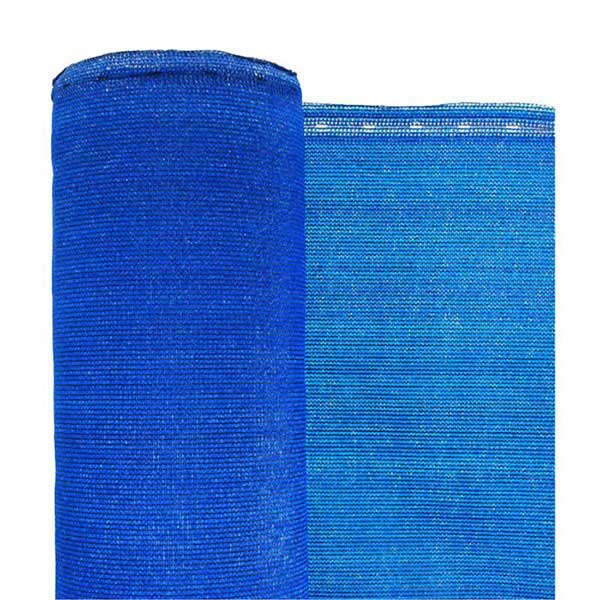
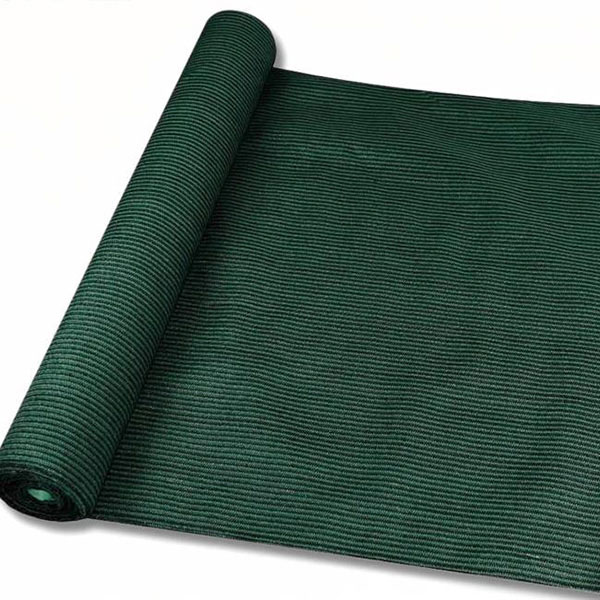
What Are Shade Nets?
Shade nets serve a different primary purpose: protecting workers from sun exposure and heat stress. These nets feature:
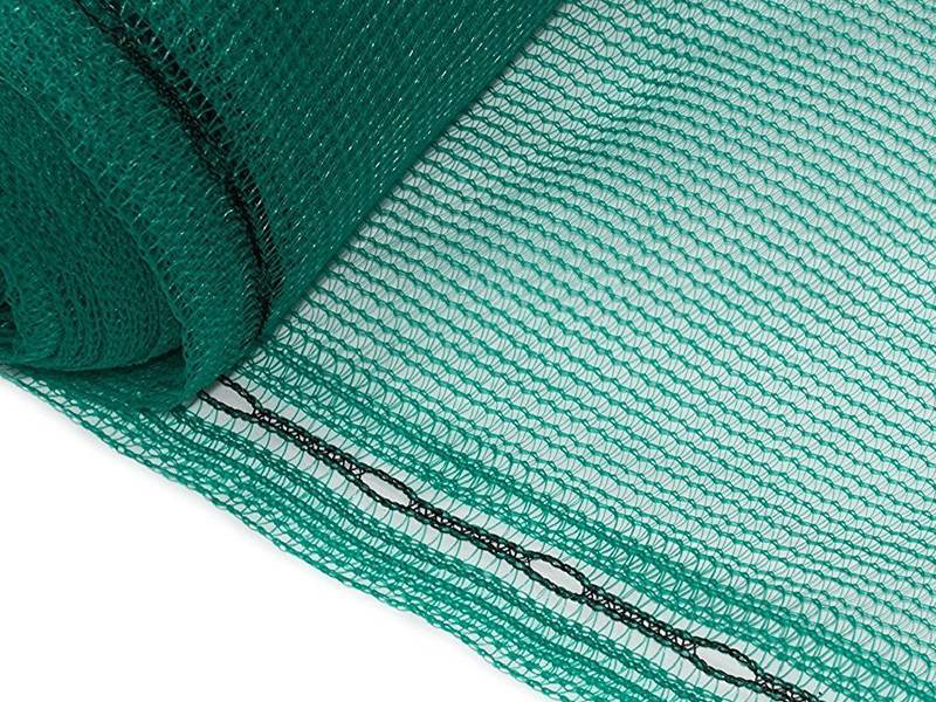
- Tighter weave patterns that block sunlight
- Various shade percentages (30%, 50%, 70%, or higher)
- UV-filtering properties that reduce harmful radiation
- Lighter weight construction compared to debris nets
While not always required by regulation, shade nets significantly improve worker comfort, reduce heat-related illnesses, and can boost productivity during hot weather.
Why Combining Shade and Debris Safety Matters
Heat stress is a serious concern on construction sites. According to OSHA, thousands of workers suffer from heat-related illnesses annually, with symptoms ranging from heat exhaustion to potentially fatal heat stroke. Meanwhile, falling object injuries remain among the top causes of construction site accidents.
By integrating shade functionality into debris safety systems, construction managers can:
- Address multiple safety concerns with streamlined solutions
- Reduce equipment costs by maximizing net utility
- Improve worker morale and retention
- Decrease heat-related downtime and medical incidents
- Demonstrate commitment to comprehensive worker welfare
Creative Construction Net Idea
1. Angled Debris Net Installation
The simplest innovation requires no additional equipment—just smarter installation of existing debris nets.
Traditional approach: Debris nets hang vertically along scaffolding or building perimeters, serving only as catch systems.
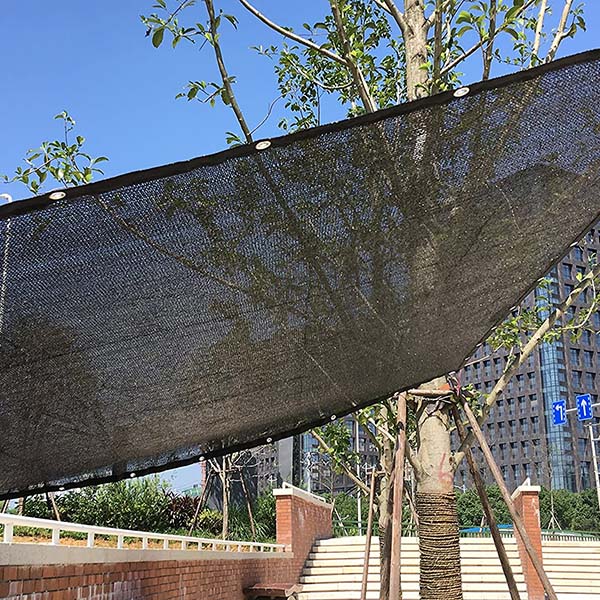
Creative approach: Install debris nets at a 15-30 degree angle toward the sun’s path during peak heat hours (typically 1-4 PM). This positioning allows the net to:
- Maintain full debris-catching capability
- Block direct sunlight from reaching work areas below
- Create shaded zones without additional materials
- Reduce surface temperatures on scaffolding and equipment
Implementation tips:
- Study the sun’s trajectory at your specific location and season
- Adjust anchor points to create the optimal angle
- Ensure the angled installation doesn’t compromise net strength
- Maintain proper tension to prevent sagging
This method works particularly well on east- and west-facing building sides where afternoon sun creates the most heat stress.
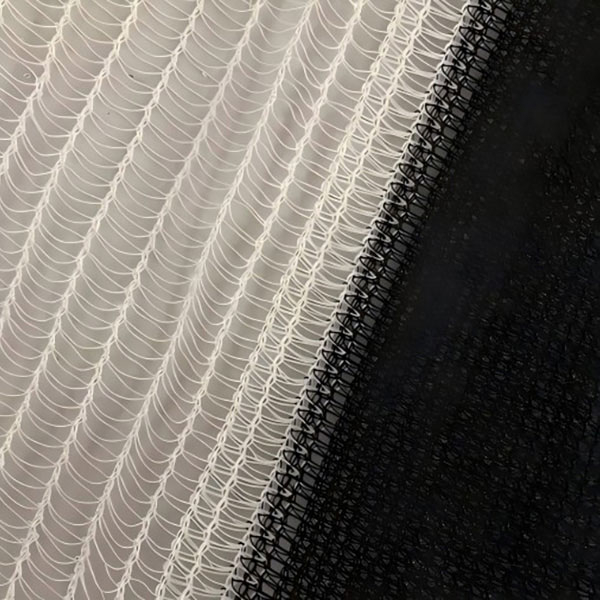
2: Dual-Layer Net Systems
For high-risk sites with intense sun exposure, a dual-layer approach provides maximum protection.
System design:
- Outer layer: Standard-strength debris net (primary safety function)
- Inner layer: High-percentage shade net (50-70% shade rating)
- Spacing: 8-12 inches between layers
Benefits of this configuration:
- Debris net maintains full structural integrity without compromise
- Shade net provides superior temperature reduction
- Redundancy improves overall safety
- Each net can be maintained or replaced independently
Best applications:
- Long-term projects in hot climates
- Open-framework high-rise construction
- Roofing projects with extended sun exposure
- Sites with strict safety and heat stress regulations
The dual-layer system does require additional investment, but the productivity gains and reduced heat-related incidents often justify the cost on larger projects.
3: Dedicated Shade Zones for Rest Areas
Most construction sites focus netting on active work areas, overlooking rest and staging zones where workers spend significant time.
Strategic shade zone placement:
- Lunch and break areas
- Tool and material staging zones
- Equipment operator waiting areas
- First aid and hydration stations
Implementation approach: Use dedicated shade nets (not debris nets) to create comfortable rest zones:
- Install 70% shade nets over break tables and seating
- Create covered walkways between work areas
- Shade water cooler and rest stations
- Protect stored materials that degrade in direct sunlight
Why this matters: Workers who can cool down effectively during breaks return to work more alert and productive. Heat stress accumulates throughout the day, so providing quality shade during rest periods helps workers recover and maintain performance.
4: Seasonal Net Rotation Strategy
Sun intensity and angle change dramatically throughout the year. A flexible netting strategy adapts to seasonal conditions.
Summer strategy (June-August):
- Deploy maximum shade coverage (70% shade nets)
- Use dual-layer systems in high-exposure areas
- Extend shade net coverage to more zones
- Prioritize afternoon sun blocking
Spring/Fall strategy (March-May, September-November):
- Switch to medium shade nets (30-50%)
- Balance natural light with heat protection
- Focus shade on south-facing exposures
- Reduce dual-layer systems to single-layer where appropriate
Winter strategy (December-February):
- Maintain debris nets as required
- Remove or reduce shade nets to maximize warmth and light
- Focus budget on debris safety rather than heat protection
This rotating approach optimizes both worker comfort and equipment costs throughout the project lifecycle.
5: Adjustable Net Frame Systems
For long-term projects with substantial budgets, adjustable mounting systems offer maximum flexibility.
System features:
- Rotating anchor points that allow angle adjustment
- Quick-release mechanisms for rapid reconfiguration
- Modular frames that adapt to changing building profiles
- Integrated tension adjustment systems
Operational approach:
- Adjust net angles weekly or monthly based on sun position
- Reposition nets as building construction progresses
- Adapt quickly to unexpected weather patterns
- Optimize shade coverage for different work shifts
While this approach requires higher initial investment, it provides unmatched adaptability for projects lasting six months or longer.
Installation and Maintenance Best Practices
Regardless of which creative approach you choose, proper installation and maintenance are critical:
Installation essentials:
- Use certified anchor points rated for expected loads
- Account for wind loads on angled or dual-layer installations
- Ensure adequate overlap at net connections
- Follow manufacturer specifications for tension and spacing
Maintenance schedule:
- Weekly visual inspections for tears, fraying, or anchor damage
- Monthly detailed inspections with documentation
- Immediate replacement of damaged sections
- UV degradation assessment every 3-6 months
Common mistakes to avoid:
- Over-tensioning nets, which accelerates wear
- Inadequate anchor points for angled installations
- Mixing incompatible net types or materials
- Neglecting to adjust for seasonal changes
Compliance and Safety Standards
Construction netting must meet relevant safety standards:
- OSHA regulations for fall protection and debris containment
- ANSI standards for net strength and testing
- Local building codes for construction site safety
- Industry best practices for heat stress prevention
While debris nets are typically mandated, shade provisions may fall under heat illness prevention requirements. Check your jurisdiction’s specific regulations regarding worker heat protection.
Conclusion: Smarter Netting for Safer, More Comfortable Sites
Creative construction net solutions demonstrate that safety and comfort aren’t competing priorities—they’re complementary goals that can be achieved through thoughtful planning and innovative installation approaches.
Whether you implement simple angle adjustments to existing debris nets, invest in dual-layer systems, or create dedicated shade zones for worker rest areas, these strategies show your commitment to comprehensive worker protection.
The most successful construction sites don’t just meet minimum safety requirements—they proactively create environments where workers can perform at their best while staying safe and comfortable.
Ready to upgrade your construction site netting strategy? Evaluate your current setup, identify high-heat exposure areas, and choose the creative netting approach that best fits your project timeline, budget, and worker needs.