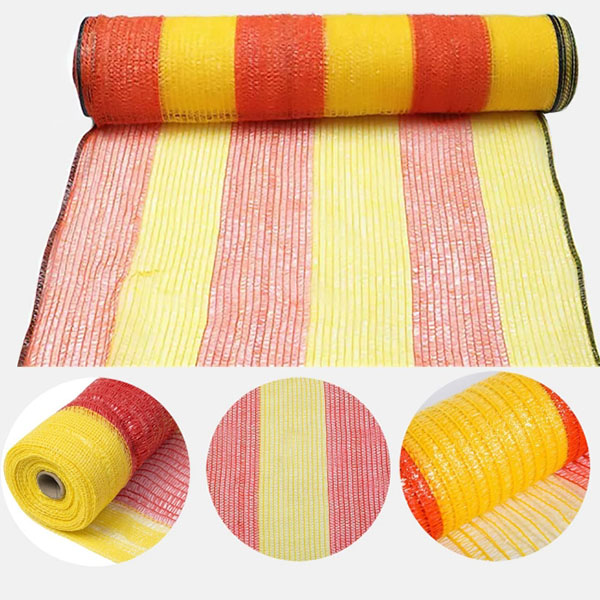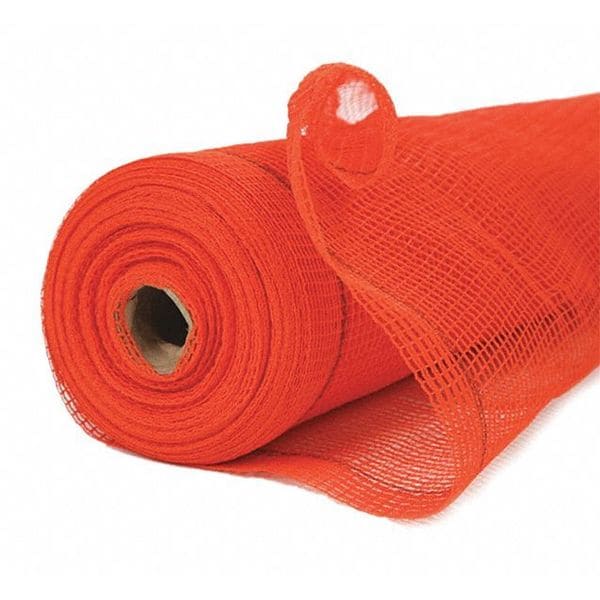
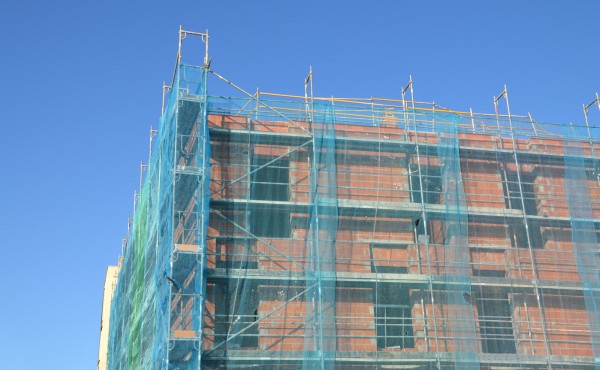
Construction nets are a vital component in maintaining site safety and controlling debris on construction projects. From high-rise buildings to renovation sites, using reliable nets ensures the safety of workers, pedestrians, and property around the work area. For large-scale projects that require significant quantities, sourcing construction nets from China has become a practical option. China offers competitive prices, flexible specifications, and large manufacturing capacity.
However, importing in bulk is not without challenges. Businesses must navigate quality inconsistencies, unreliable suppliers, shipment delays, and compliance risks. Without proper planning, even cost-effective sourcing can lead to delays, substandard products, or regulatory complications.
This guide provides a step-by-step approach to sourcing and importing construction nets safely, highlighting how to verify suppliers, ensure quality, comply with standards, and manage logistics to minimize risk.
Understanding Construction Nets and Their Applications
What Construction Nets Are
Construction nets are protective mesh materials designed to prevent accidents and contain debris. They are commonly made from high-density polyethylene (HDPE), polypropylene (PP), or woven polyester, materials chosen for durability, load-bearing strength, and UV resistance. The quality of these nets directly impacts safety, compliance, and the durability of the installation.
Types of construction nets include:
- Safety nets: Installed under scaffolding or open edges to catch falling personnel or tools.
- Debris nets: Positioned around work areas to prevent falling materials from reaching streets or adjacent buildings.
- Scaffolding and façade nets: Cover building exteriors during construction or renovation, controlling dust and providing a visual barrier.
Each type has specific specifications, including mesh size, tensile strength, UV resistance, and maximum load capacity. Choosing the right type for a project is essential to ensure safety and compliance.
Practical Applications
Construction nets are widely used across various projects:
- High-rise buildings: Safety nets prevent accidents for workers and passersby.
- Bridges and infrastructure projects: Debris containment nets reduce risk from falling tools and materials.
- Renovation and demolition: Nets minimize dust and debris spread, ensuring safer surroundings.
- Warehouses and industrial sites: Protective nets prevent damage to stored goods or machinery.
Properly designed and installed nets can significantly reduce accidents and project delays, creating safer and more compliant worksites.
Why Quality Matters
Using low-quality nets can lead to severe consequences. Materials that tear easily or degrade under UV exposure can compromise safety. Non-compliance with international or local safety standards may result in legal penalties or project shutdowns. Reliable construction nets provide consistent performance, long-term durability, and regulatory peace of mind.
Why China is a Key Source for Construction Nets
Market Overview
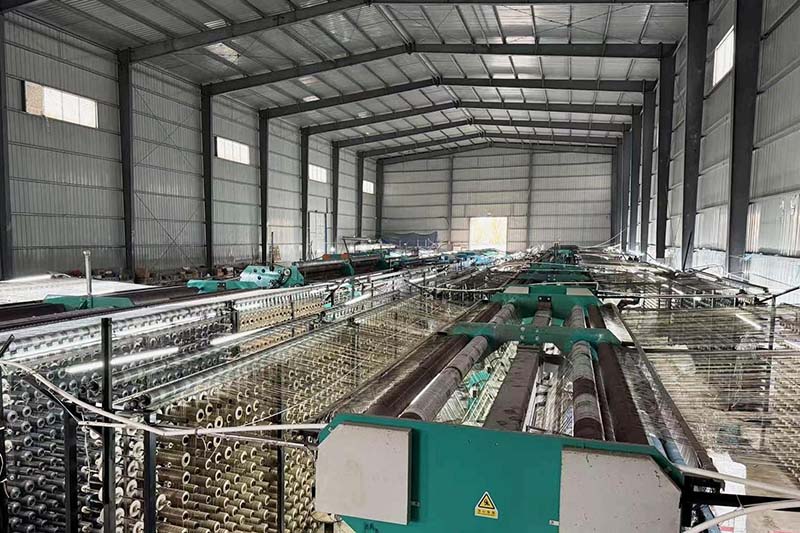
China has established itself as a leading exporter of construction nets globally. Major manufacturing hubs, such as Zhejiang, Jiangsu, Shandong and Guangdong, are known for their extensive production facilities, advanced machinery, and ability to handle large-scale orders. Manufacturers in these regions can produce both standard-size nets and customized options, making China a primary destination for bulk procurement.
Advantages of Importing from China
- Competitive pricing: Large-scale production allows cost-effective sourcing compared to domestic suppliers.
- Customizable products: Specifications can be adjusted for size, color, mesh density, and UV coating.
- Large supplier network: Buyers have access to a wide range of options in terms of quality, capacity, and specialization.
Challenges to Anticipate
Despite the advantages, importing from China carries potential risks:
- Quality inconsistencies:Some suppliers may not maintain uniform standards across large orders.
- Lack of proper certification:Some manufacturers may offer products without verified compliance.
- Logistics and shipment delays:Shipping bulk orders internationally can be complex, requiring careful planning.
Mitigating these risks requires a structured approach to supplier verification, product testing, and logistics management.
Supplier Verification for Zero-Risk Importing

Why Verification Matters
The reliability of a supplier directly influences product quality, delivery reliability, and compliance. Conducting thorough due diligence reduces the risk of receiving substandard products or encountering legal issues.
Steps to Verify Suppliers
- Pre-Screen Suppliers: Start with reputable directories and platforms to shortlist potential suppliers. Look for established manufacturers with verified export experience.
- Check Legal Status and Certifications: Request business licenses, tax registrations, and relevant certificates (ISO, CE, SGS, TUV) to ensure legitimacy.
- Assess Production Capabilities: Confirm that the factory can handle bulk orders consistently and has the necessary machinery and workforce.
- Request Samples: Always obtain samples before committing to large orders. Conduct local testing to verify material quality, tensile strength, and UV resistance.
- Third-Party Inspections: Engage independent inspection agencies to audit factories and pre-shipment products. This step ensures that the supplier meets both quality and safety standards.
Red Flags to Watch For
- Suppliers without verifiable documentation or certifications.
- Unresponsive communication or lack of transparency about production processes.
- Certificates that cannot be independently validated.
Tools to Support Verification
- Third-party testing labs: For material and performance verification.
- Professional factory inspection agencies: To audit operations, capacity, and production quality.
- Secure payment channels: Escrow or letters of credit to protect financial transactions.
Understanding Product Standards and Compliance
Key Standards to Consider
- European EN Standards: Ensure nets meet minimum load and tensile strength requirements.
- US OSHA/ANSI Standards: Govern workplace safety requirements.
- ISO/ASTM Guidelines: Cover material durability, UV resistance, and production consistency.
Verifying Compliance
- Always request official certificates of compliance and product test reports.
- Conduct pre-shipment sample inspections to verify specifications.
- Simulate real-world conditions to ensure nets perform as expected under operational loads.
Proper compliance verification reduces legal risk, ensures project safety, and enhances stakeholder confidence.
Pricing, Negotiation, and Order Planning
Understanding Bulk Pricing
Pricing depends on material type, mesh density, size, UV coating, and order volume. High-quality nets may cost more initially but provide better durability and lower risk of failure.
Requesting Accurate Quotes
Provide detailed specifications, including:
- Exact dimensions and mesh type
- Required load-bearing capacity
- Certification needs
- Desired quantities
Clear communication reduces misunderstandings and allows suppliers to provide precise pricing.
Negotiating Terms
- Seek incremental discounts for larger orders.
- Clarify payment terms and shipment responsibilities.
- Avoid hidden costs such as additional color charges, small-order fees, or special packaging surcharges.
Effective negotiation balances cost savings with quality assurance and supplier reliability.
Shipping, Customs, and Logistics Management
Shipping Options
- Sea Freight: Ideal for bulk shipments; choose FCL (Full Container Load) or LCL (Less than Container Load) based on order size.
- Air Freight: Faster but higher cost; suitable for urgent shipments.
- Express Courier: Best for sample or small shipments.
Risk Management
- Use experienced freight forwarders to handle international logistics.
- Purchase cargo insurance to protect against damage or loss.
- Track shipments in real-time to anticipate and mitigate delays.
Customs and Duties
- Ensure correct HS codes for construction nets.
- Prepare full documentation: commercial invoices, packing lists, bills of lading.
- Understand tariffs, VAT, and import regulations to prevent delays at ports.
A structured logistics plan reduces uncertainty, ensures timely delivery, and protects project schedules.
Sample Testing and Quality Assurance
- Always order pre-shipment samples to verify specifications.
- Conduct local tests for tensile strength, mesh integrity, UV resistance, and size.
- Simulate operational conditions to ensure performance in actual project environments.
- Early identification of issues prevents costly mistakes in large-scale shipments.
Payment Security and Risk Mitigation
- Use secure methods such as escrow or letters of credit for larger shipments.
- Avoid paying the full amount upfront before verification.
- Stage payments aligned with inspection and sample approval milestones.
Proper financial management ensures supplier accountability and protects investment in bulk procurement.
Lessons from Real-World Importing
Projects that successfully import construction nets share key practices:
- Thorough verification of suppliers reduces the risk of poor-quality products.
- Pre-shipment inspection prevents defective nets from reaching the project site.
- Sample testing and compliance verification ensure consistent performance across large quantities.
These practices save costs, protect workers, and ensure projects run smoothly without regulatory complications.
Conclusion
To minimize risks when importing construction nets from China:
- Verify suppliers carefully through documentation, audits, and references.
- Inspect samples and compliance certificates before committing to bulk orders.
- Use professional logistics services and cargo insurance to protect shipments.
- Manage payments securely with staged releases aligned to inspections and approvals.
By following these steps, importing construction nets can be safe, cost-effective, and reliable, ensuring that projects remain compliant, on schedule, and safe for all stakeholders.
Zero-Risk Import Checklist
| Step | Action |
|---|---|
| 1 | Shortlist suppliers via verified directories |
| 2 | Verify licenses, certifications, and export history |
| 3 | Order and test pre-shipment samples |
| 4 | Conduct factory audits or third-party inspections |
| 5 | Negotiate price and payment terms |
| 6 | Arrange shipping and insurance |
| 7 | Track shipments and verify delivery |
| 8 | Conduct final inspection before accepting bulk order |