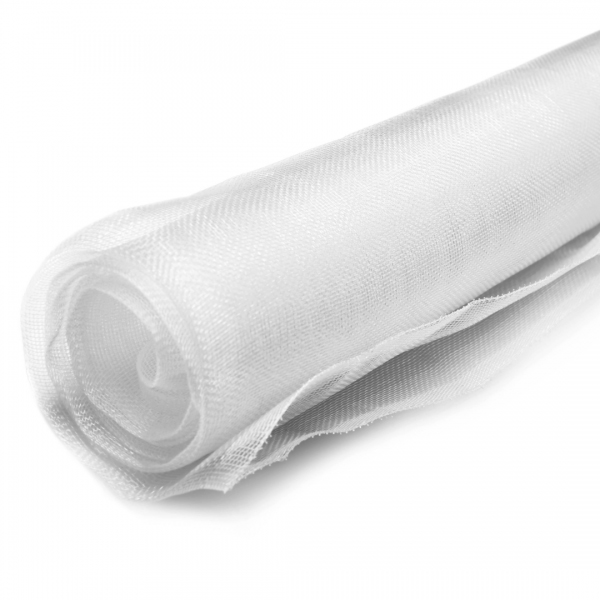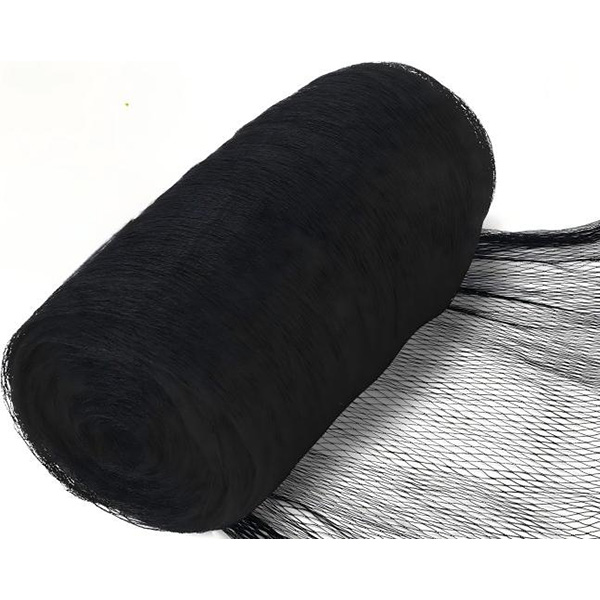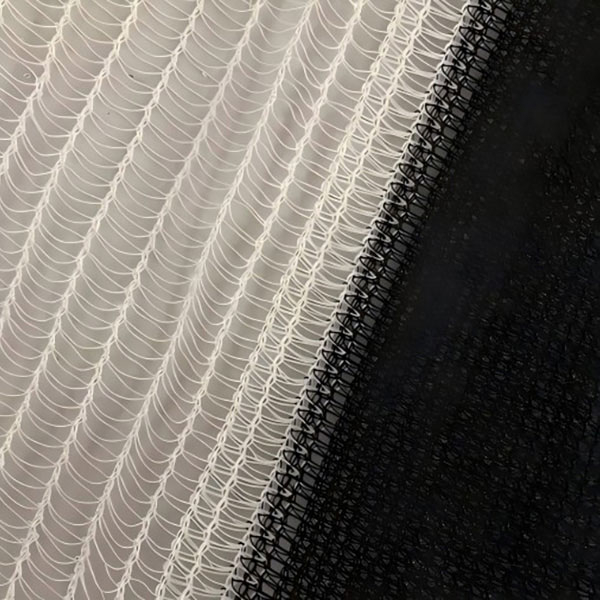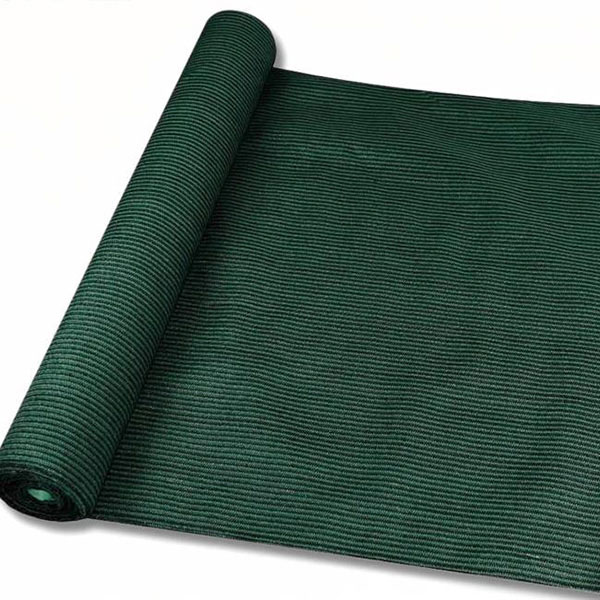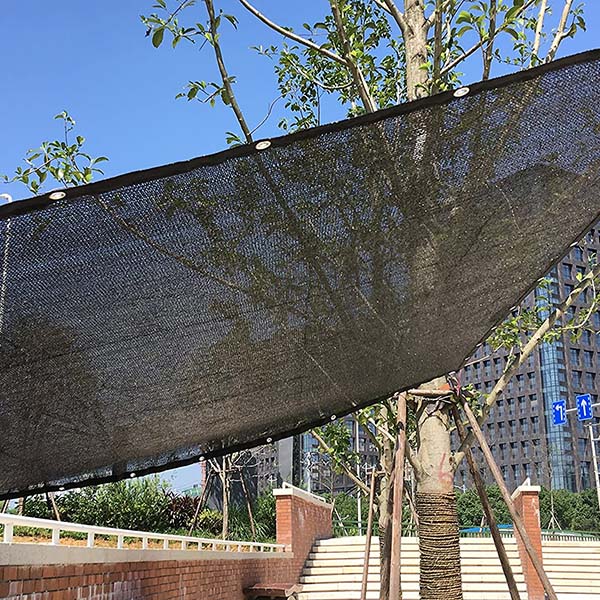
A shade net is a protective mesh that shields plants from excessive sunlight. This net uses materials like HDPE to create varying levels of shade, usually ranging from 15% to 90%. The main function is to provide consistent protection by filtering harsh rays, reducing heat, and blocking harmful UV light.
Shade helps retain soil moisture and keeps the growing environment cooler. Plants benefit from this protection, leading to stronger growth, better yields, and reduced stress from temperature swings.
What Is a Shade Net
Shade Net Definition
A shade net is a woven or knitted mesh that acts as a barrier between sunlight and plants. The main purpose of shade nets is to reduce the intensity of sunlight, creating a controlled environment for growing crops. These nets allow air to circulate while blocking a portion of the sun’s rays.
Shade nets help prevent overheating and protect plants from harmful ultraviolet radiation. The structure of a shade net makes it easy to install over gardens, greenhouses, or nurseries. Many growers use shade nets to improve plant health and boost yields.
Materials (HDPE and Others)
Most commercial shade nets are made from high-density polyethylene (HDPE). HDPE is a strong, lightweight plastic that resists weathering and UV damage. This material ensures durability and long-lasting performance. Some shade nets use other materials, such as polypropylene or polyester, but HDPE remains the most popular choice for commercial shade nets.
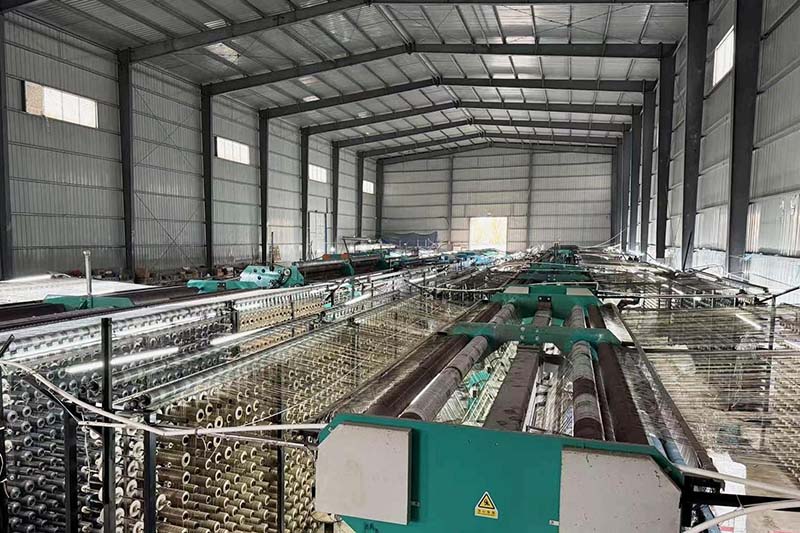
The manufacturing process involves weaving or knitting the fibers to create a mesh with specific shading percentages. Commercial shade nets often include UV stabilizers, which extend their lifespan and maintain their effectiveness.
| Material | Features | Common Uses |
|---|---|---|
| HDPE | UV resistant, durable | Commercial shade nets, agriculture |
| Polypropylene | Lightweight, flexible | Temporary shade nets, gardening |
| Polyester | Strong, weather resistant | Specialty shade nets, landscaping |
Commercial shade nets come in various sizes and thicknesses. The choice of material affects the net’s strength, flexibility, and resistance to sunlight.
Shade Net vs Other Covers
Shade nets differ from other plant covers in several ways. Unlike plastic sheets or tarps, shade nets allow air and moisture to pass through. This prevents heat buildup and reduces the risk of fungal diseases. Shade nets also offer adjustable shading percentages, which means growers can select the right amount of shade for each crop. Other covers, such as row covers or plastic films, may block sunlight completely or trap excess heat. Shade nets provide a balance between protection and ventilation.
- Shade nets: Filter sunlight, allow airflow, retain moisture, protect from UV rays.
- Plastic covers: Block sunlight, trap heat, limit ventilation.
- Row covers: Offer frost protection, may not control sunlight as effectively.
Commercial shade nets are preferred for their versatility and effectiveness. They support healthy plant growth by creating an optimal environment. Many growers choose commercial shade nets for their durability and ease of installation.
How Shade Nets Work
Sunlight Control
Shade nets play a key role in managing sunlight for plants. They act as a filter, allowing only the right amount of light to reach crops. This control helps prevent damage from intense sun and supports healthy growth.
Light Filtration
A shade net reduces the strength of sunlight that falls on plants. The mesh structure blocks part of the sun’s rays while letting enough light through for photosynthesis. This balance is important for crops that need protection from harsh conditions. Different types of shade nets offer various levels of shade, so growers can choose the best option for each plant. Some plants need more light, while others thrive with less. The right shade net helps create the perfect environment.
UV Protection
Shade nets provide strong uv protection for plants. The material used in these nets blocks harmful uv rays that can damage leaves and slow growth. Uv rays can cause sunburn on plants, leading to brown spots and weak stems. With proper uv protection, plants stay healthier and produce better yields.
Most shade nets include uv stabilizers in the fibers. These stabilizers help the net last longer under the sun and keep the uv protection strong over time. Uv protection is not just for plants. Workers and equipment under the net also benefit from reduced exposure to uv rays. Uv protection is a key reason why shade nets are popular in agriculture and gardening.
Temperature and Moisture
Shade nets do more than control sunlight. They also help manage temperature and moisture around plants. This creates a stable environment that supports growth.
Temperature Regulation
A shade net lowers the temperature under its cover. By blocking part of the sun’s heat, the net keeps the air cooler for plants. This is important in hot climates, where high temperatures can stress crops. Cooler air helps plants use water more efficiently and reduces the risk of heat damage. The shade net also protects soil from getting too hot, which can harm roots. With better temperature control, plants grow stronger and produce more fruit or flowers.
Moisture Retention
Shade nets help keep moisture in the soil. The shade reduces evaporation, so water stays in the ground longer. This means plants need less frequent watering, which saves time and resources. Moisture retention is important for young plants and seedlings. It helps them develop strong roots and survive dry periods. The net also protects leaves from drying winds, which can pull moisture away from plants. By keeping the environment moist, shade nets support healthy growth and reduce water loss.
Installation Basics
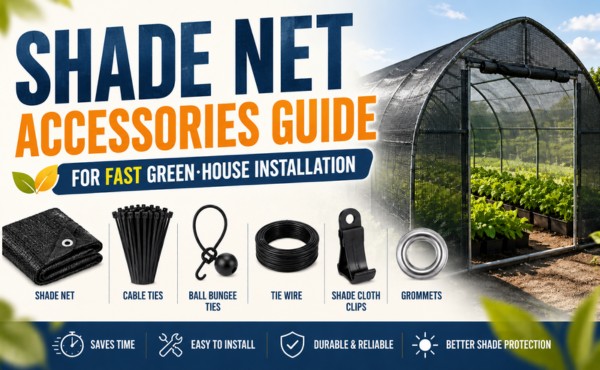
Installing a shade net is simple and does not require special tools. Most growers use poles, wires, or frames to support the net above their plants. The net should be stretched tight to avoid sagging. Secure the edges with clips or ties to keep the net in place during wind or rain.
The height of the net depends on the type of crop and the amount of shade needed. For tall plants, the net should be higher to allow room for growth. For seedlings or low crops, the net can be closer to the ground. Regular checks help ensure the net stays secure and provides even shade. Proper installation is important for getting the best results from a shade net.
Shade Net Types
Shading Percentages (15%-90%)
Shade nets come in a wide range of shading percentages. This percentage shows how much sunlight the net blocks. Growers can select the right level of shade for their plants. For example, a 15% shade net lets most sunlight through. It works well for crops that need high light. A 50% shade net provides moderate protection. It suits plants that need less intense sunlight. The highest shading, like 90%, blocks most light. This type protects delicate plants or seedlings from harsh sun.
| Shading Percentage | Sunlight Blocked | Common Uses |
|---|---|---|
| 15% | Low | Sun-loving crops, vegetables |
| 30%-50% | Medium | Flowers, nursery plants |
| 75%-90% | High | Seedlings, shade-loving plants |
Growers often use shade netting to match the needs of each crop. Choosing the right percentage helps prevent leaf burn and supports healthy growth.
Color Options and Effects
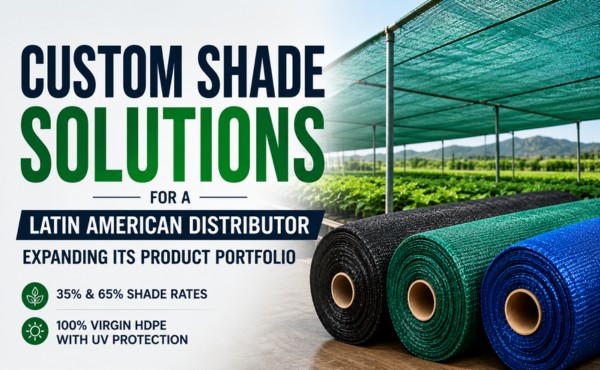
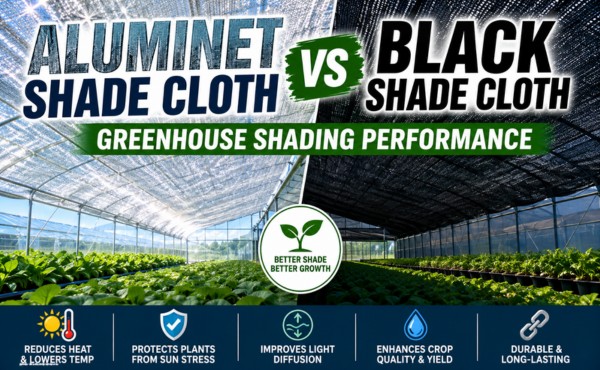
Shade nets are available in several colors. Each color affects plant growth and the environment under the net. Green shade nets are common. They provide balanced light and work for many crops. Black shade nets block more sunlight and heat. They suit areas with strong sun. White shade nets reflect light and keep temperatures cooler. Red and blue shade nets can change how plants grow. Some growers use colored shade cloth to boost flowering or fruiting.
- Green: Balanced shade, good for general use.
- Black: Strong shade, reduces heat, protects sensitive plants.
- White: Reflects light, keeps area cooler, helps with moisture retention.
- Red/Blue: May affect plant growth and flowering.
Shade fabric color can change the microclimate. Picking the right color helps plants thrive.
Durability and UV Resistance
Shade nets must withstand outdoor conditions. Most shade nets use strong materials like HDPE. This material resists tearing and lasts for years. UV resistance is important. Sunlight can break down weak materials. UV-stabilized shade netting keeps its strength and shade level over time. Some nets include extra coatings for longer life. Durable shade cloth saves money and reduces replacement needs.
Growers rely on durable shade fabric to protect crops season after season. Quality materials and UV resistance make shade nets a smart investment for gardens and farms.
Shade Net Benefits for Plants
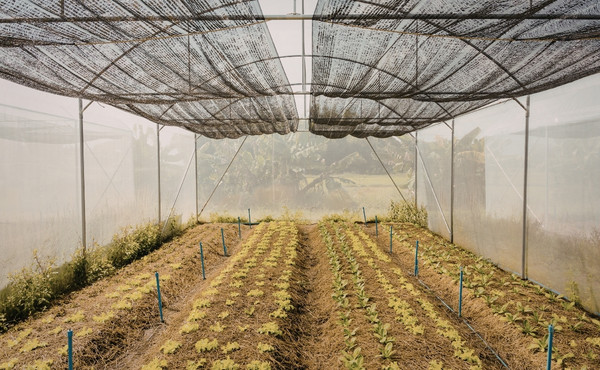
Sun and Heat Protection
Shade nets provide essential protection against intense sunlight and high temperatures. The mesh structure blocks a portion of the sun’s rays, which helps prevent leaf burn and heat stress. Many crops thrive when they receive filtered light instead of direct exposure. Shade nets create a cooler environment, reducing the risk of wilting and sun damage. This protection is especially important in regions with strong sunlight.
Growers use shade nets to maintain optimal growing conditions for sensitive crops. The net acts as a barrier, shielding plants from harmful ultraviolet rays. This protection supports healthy leaves and stems. Shade also helps reduce temperature swings, which can cause stress and slow growth.
Water Conservation
Shade nets help conserve water by reducing evaporation from soil and leaves. The shade lowers the temperature under the net, which keeps moisture in the ground longer. Crops need less frequent watering when they grow under shade nets. This benefit is valuable in areas with limited water resources.
The mesh allows air to circulate, but it slows down the drying effect of wind and sun. Water conservation supports strong root development and helps plants survive dry periods. Shade nets also protect young seedlings, which are vulnerable to dehydration.
- Less evaporation means more efficient use of water.
- Shade nets reduce water loss during hot weather.
- Crops stay hydrated and healthy with consistent moisture.
Improved Growth and Yield
Shade nets promote improved growth and higher productivity in many crops. The controlled environment supports steady development and reduces stress. Plants grow stronger when they receive the right amount of light and protection from harsh conditions.
The benefits of shade nets include better flowering, increased fruit set, and higher yields. Crops mature evenly because they are shielded from extreme weather. Shade nets also protect against sudden temperature changes, which can affect productivity.
| Benefit | Effect on Crops |
|---|---|
| Steady growth | Strong stems and leaves |
| Higher yield | More fruit and flowers |
| Consistent quality | Uniform crop size |
Growers rely on shade nets to create optimal growing conditions. The protection they provide leads to healthier plants and improved productivity. Shade nets offer multiple benefits that support sustainable agriculture.
Weather and Pest Defense
Here are some ways shade nets defend against weather and pests:
- Block hail and wind, reducing plant injury
- Slow rainfall, preventing soil erosion
- Limit access for birds, rodents, and insects
- Improve air circulation, lowering disease risk
| Threat | Shade Net Defense |
|---|---|
| Hail | Absorbs impact, protects leaves |
| Wind | Reduces gusts, prevents breakage |
| Heavy rain | Softens water flow, stops erosion |
| Pests | Blocks entry, deters insects |
| Disease | Keeps leaves dry, improves airflow |
Shade nets provide a multi-layered defense system for plants. They help maintain healthy crops during challenging weather and reduce losses from pests. This protection supports sustainable farming and ensures better yields throughout the growing season.
Shade Net Applications in Agriculture
Uses in Farming
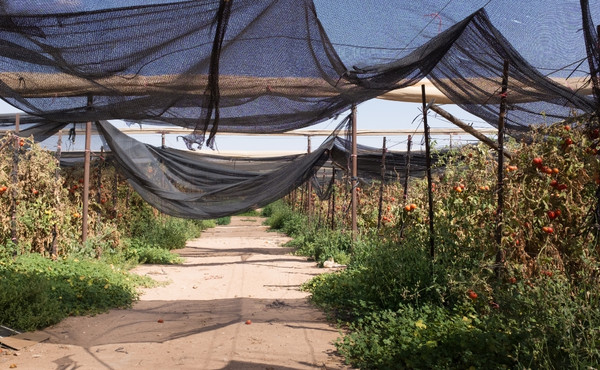
Shade nets play a vital role in modern farming. Farmers use shade net houses to protect crops from harsh sunlight and extreme weather. These structures create shaded environments that help control temperature and reduce water loss. Shade nets allow air to flow while blocking a portion of the sun’s rays. This balance supports healthy plant growth and improves crop quality.
Many vegetable and fruit growers rely on shade net houses to extend the growing season. The shade helps prevent leaf burn and keeps soil moisture stable. Farmers can grow crops like tomatoes, peppers, and leafy greens with less risk of heat stress. Shade nets also reduce the need for frequent irrigation, making them an important part of energy-efficient agricultural solutions.
Horticulture and Nurseries
Horticulture and nurseries benefit greatly from shade nets. These facilities often grow young plants, flowers, and ornamental species that need protection from direct sunlight. Shade net houses provide a controlled environment where temperature and humidity stay stable. This helps seedlings and delicate plants develop strong roots and healthy leaves. In floriculture, shade nets are used to produce high-quality flowers with vibrant colors. The shade reduces the risk of sunburn and supports even growth. Nurseries use shade nets to protect a wide range of plants, from shrubs to saplings. The nets also help prevent pest attacks and reduce disease spread by improving air circulation.
| Application | Benefit of Shade Nets |
|---|---|
| Seedling growth | Prevents drying and wilting |
| Flower farming | Enhances color and quality |
| Ornamental plants | Reduces stress and damage |
Other Applications
Shade nets have uses beyond agriculture and horticulture. Many industries use shade net houses for animal shelters, where the shade keeps livestock cool and comfortable. Parking areas often use shade nets to protect vehicles from sun damage. Sports facilities and playgrounds install shade nets to create safe, shaded environments for people.
Some construction sites use shade nets to shield workers and materials from direct sunlight. These nets are also popular in home gardens, patios, and green spaces. The versatility of shade nets makes them a practical choice for many settings that require protection from the sun.
Shade nets offer reliable protection and support for a wide range of applications. Their ability to create shaded environments helps conserve water, improve comfort, and promote healthy growth in plants and animals.
Choosing the Right Shade Net
Factors to Consider
Selecting the best shade nets for your plants involves several important factors. The first step is to understand the needs of your crops. Some plants require more sunlight, while others grow better with less. The climate in your area also affects the choice. Hot regions may need nets with higher shade percentages. Cooler areas might benefit from lighter shade. The size of your growing space matters as well. Large farms often use bigger nets, while small gardens need smaller sizes.
Durability is another key factor. Shade nets made from strong materials last longer and withstand harsh weather. Look for nets with UV resistance to prevent damage from sunlight. Ease of installation is important too. Nets that are simple to set up save time and effort. Maintenance needs should be considered. Some nets require regular cleaning to stay effective.
Picking Shade Percentage
Shade percentage refers to how much sunlight the net blocks. Choosing the right shade net means matching the percentage to your plants’ needs. For sun-loving crops, a lower percentage like 15% or 30% works well. These nets allow most light to reach the plants. For sensitive or shade-loving plants, higher percentages such as 50% or 75% provide better protection.
The table below shows common shade percentages and their uses:
| Shade Percentage | Sunlight Blocked | Suitable Plants |
|---|---|---|
| 15% | Low | Vegetables, tomatoes |
| 30%-50% | Medium | Flowers, nursery plants |
| 75%-90% | High | Seedlings, ferns |
Too much shade can slow plant growth. Too little shade may cause leaf burn or stress. Adjust the percentage based on the season and crop type. Some growers change nets during the year to match changing sunlight.
Color Selection
Color plays a role in how shade nets affect plant growth. Green nets are common and provide balanced shade. Black nets block more sunlight and heat, making them ideal for strong sun areas. White nets reflect light and keep temperatures cooler under the net. Red and blue nets can influence flowering and fruiting in some plants.
- Green: Balanced light, suitable for most crops.
- Black: Strong shade, reduces heat, protects sensitive plants.
- White: Reflects sunlight, keeps area cooler.
- Red/Blue: May boost flowering or fruit production.
Choosing the right shade net color depends on your goals. If you want to keep plants cool, white nets are a good choice. For general use, green nets work well. Black nets offer extra protection in hot climates.
Maintenance Tips
Proper maintenance keeps your shade net effective and extends its lifespan. Regular care helps protect plants and ensures the net continues to provide the right environment. Here are some practical tips for maintaining shade nets in gardens or farms.
1. Inspect Regularly
Check the shade net for tears, holes, or loose edges. Look for signs of wear after storms or strong winds. Small damages can grow quickly if not repaired. Early detection prevents bigger problems and keeps the shade net working well.
2. Clean the Net
Dust, leaves, and debris can collect on the shade net. Clean the surface with a soft brush or gentle water spray. Avoid harsh chemicals that may weaken the material. Clean nets allow more light to filter through and keep the shade consistent.
3. Repair Damage Promptly
Patch small holes or tears with repair tape or mesh patches. Replace sections that are too damaged to fix. Keeping the shade net intact protects plants from sudden sunlight and keeps the environment stable.
4. Secure Fastenings
Check the clips, ties, or wires that hold the shade net in place. Tighten loose fastenings and replace broken ones. Secure edges prevent the net from sagging or blowing away during windy weather.
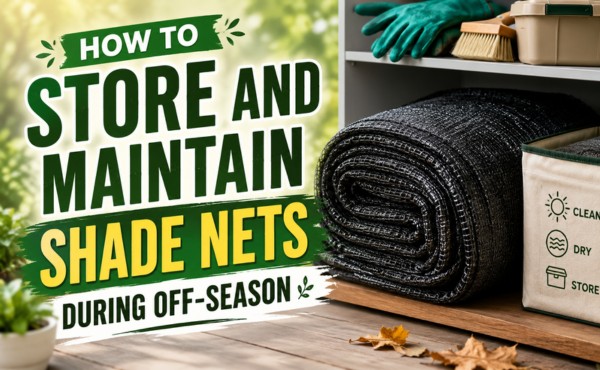
5. Store Properly When Not in Use
If you remove the shade net for winter or off-season, store it in a dry, shaded area. Fold the net neatly and avoid placing heavy objects on top. Proper storage prevents creases and extends the life of the shade net.
6. Monitor UV Protection
Over time, sunlight can weaken the shade net’s UV protection. Look for fading or brittleness in the material. Replace the net if it no longer blocks UV rays effectively. Strong UV protection keeps plants safe and maintains the quality of shade.
7. Avoid Overstretching
Do not pull the shade net too tight during installation. Overstretching can cause tears and reduce the net’s ability to provide even shade. Install the net with gentle tension to keep it strong and flexible.
8. Check for Pest Activity
Inspect the shade net for signs of pests, such as insects or birds nesting. Remove nests or debris promptly. Keeping the net clear helps maintain airflow and consistent shade for plants.
Maintenance Checklist Table
| Task | Frequency | Benefit |
|---|---|---|
| Inspect for damage | Weekly | Prevents major repairs |
| Clean surface | Monthly | Maintains light quality |
| Repair holes/tears | As needed | Keeps shade consistent |
| Secure fastenings | Monthly | Prevents sagging |
| Store properly | Off-season | Extends net lifespan |
Following these maintenance tips ensures your shade net continues to protect plants and create the right growing conditions. Consistent care keeps the shade net strong, reliable, and effective for many seasons.
Conclusion
Shade net provides reliable coverage for plants in gardens and farms. It reduces excessive sunlight and heat while blocking harmful UV rays. This allows plants to develop in a healthier environment.
It helps retain soil moisture by reducing evaporation. It also limits damage caused by wind and heavy rain. At the same time, it lowers the risk of pests and plant diseases.
By stabilizing temperature fluctuations, shade net creates a more consistent growing condition. It also minimizes soil erosion and protects plant roots. These combined effects support stronger growth and higher yields.
Proper installation and the right material selection ensure long-term performance.