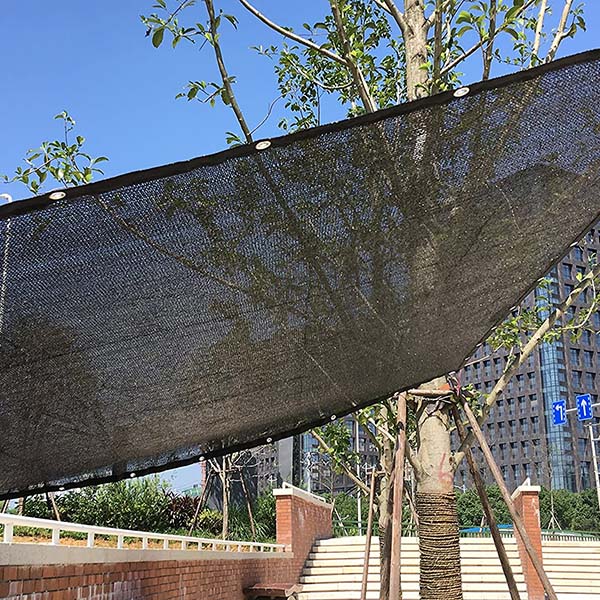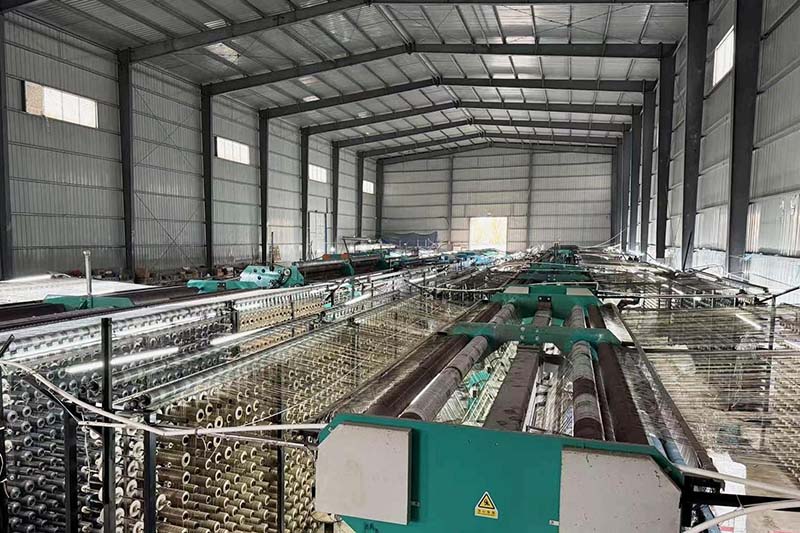
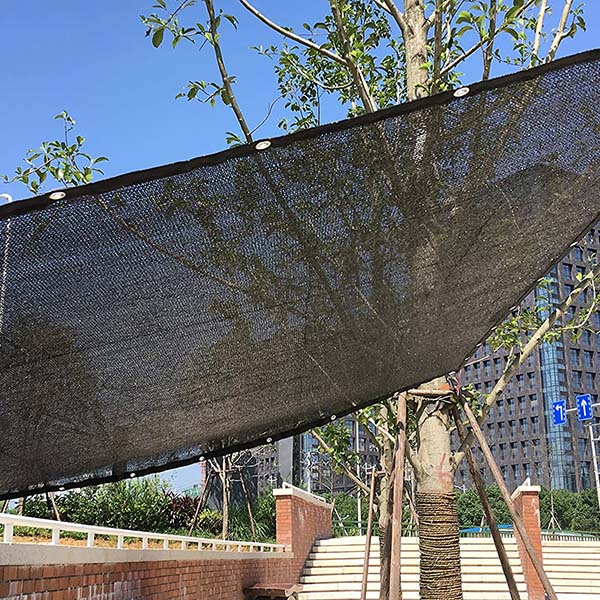
Shade net reduces temperature by diffusing and reflecting sunlight. This process blocks direct solar radiation and creates a cooler environment underneath. Many growers see shade lower air and soil temperatures by 10–20°F or more. Shade also protects plants and equipment from heat damage. Facility managers use shade to improve comfort and energy efficiency. Cooling benefits from shade nets help prevent overheating and promote healthy growth.
How Shade Net Reduces Temperature
Light Diffusion
Shade nets scatter sunlight as it passes through their mesh. This process spreads light evenly across the surface below. Plants in a greenhouse receive gentle illumination instead of harsh rays. Light diffusion prevents hot spots and reduces temperature spikes. Shading helps protect leaves from burning and keeps soil cooler. Many growers notice that shading systems improve greenhouse temperature control by lowering the risk of heat stress. The cooling effect from shade nets supports healthy plant growth and reduces water loss.
Tip: Light diffusion also benefits equipment and workspaces by minimizing glare and creating a comfortable environment.
Heat Reflection
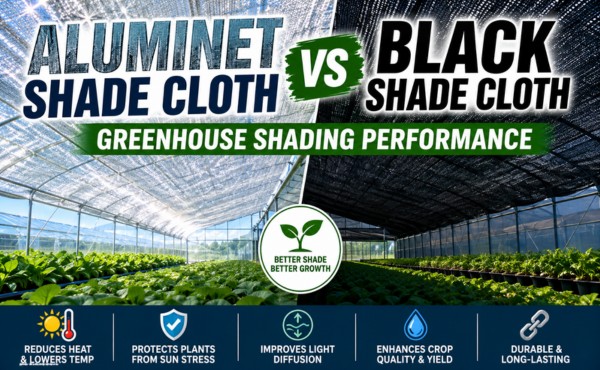
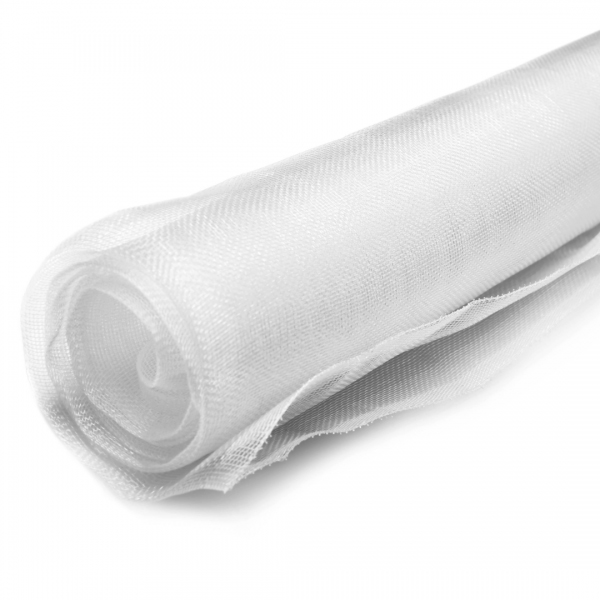
Shade nets reflect a portion of incoming solar energy. The reflective properties depend on the material and color of the shade net. White or aluminum shade nets often provide higher shading efficiency. These nets bounce heat away from the greenhouse, lowering the temperature inside. Shading reduces the amount of heat absorbed by surfaces and prevents overheating. Shade nets block direct sunlight, which helps maintain stable temperatures throughout the day. The cooling effect is especially noticeable during midday when heat levels peak.
| Shade Net Color | Heat Reflection | Cooling Effect |
|---|---|---|
| White | High | Strong |
| Green | Moderate | Medium |
| Black | Low | Mild |
Air Flow Improvement
Shade nets allow air to move freely through their mesh structure. Good airflow is essential for cooling and temperature control in a greenhouse. Shading does not trap heat; instead, it encourages ventilation. Air flow improvement helps remove excess heat and humidity. Shade nets create a balanced environment by combining shading and cooling. Growers often install shade nets to reduce temperature while maintaining fresh air circulation. Proper installation ensures maximum shading efficiency and prevents stagnant air.
- Air flow improvement supports:
- Lower temperature
- Reduced heat buildup
- Healthy plant respiration
- Comfortable working conditions
Shade nets offer a practical solution for temperature control. Shading protects plants, equipment, and workers from heat. The combination of light diffusion, heat reflection, and air flow improvement delivers reliable cooling and stable greenhouse conditions.
Shade Net Effectiveness
Temperature Differences
Shade nets play a key role in greenhouse temperature control. These shading systems can lower air and soil temperature by 10 to 20 degrees Fahrenheit. In some cases, the ground under shade becomes 20 to 30 degrees cooler than areas exposed to direct sunlight. This cooling effect helps prevent heat stress in plants and creates a safer environment for workers. White and aluminum shade nets often show the highest shading efficiency. These materials reflect more sunlight, which leads to greater heat reduction and better temperature management.
Many growers notice that shading applications keep greenhouses much cooler during hot afternoons. For example, a vegetable grower in a warm region installed white shade net over a greenhouse. The temperature inside dropped by 18 degrees compared to a nearby unshaded structure. This difference allowed the grower to extend the growing season and reduce water use.
Another case involved a flower nursery that used green shade nets. The shading lowered the temperature by 15 degrees and improved humidity control. These examples show how shading can support healthy plant growth and protect crops from heat damage.
Note: Consistent temperature regulation helps reduce plant stress and supports higher yields.
UV Protection
Shade nets do more than just lower temperature. These shading systems also block harmful ultraviolet rays. Many shade nets filter out up to 90 percent of ultraviolet radiation. This protection reduces the risk of leaf burn and sunscald in sensitive plants. Shading also helps prevent fading and damage to equipment inside the greenhouse. Workers benefit from less exposure to ultraviolet rays, which creates a safer workspace.
A real-world example comes from a fruit orchard that used black shade nets during the summer. The shading reduced sunburn on fruit and kept the temperature lower under the trees. The orchard manager reported fewer damaged crops and better quality at harvest. In another case, a commercial greenhouse used green shade nets to protect seedlings. The shading improved survival rates and reduced heat stress during the hottest months.
| Shade Net Type | UV Block (%) | Cooling Effect | Best Use Case |
|---|---|---|---|
| White | 80–90 | Strong | Vegetables, flowers |
| Green | 70–85 | Medium | Seedlings, nurseries |
| Black | 60–75 | Mild | Orchards, outdoor |
Shade nets combine temperature management and ultraviolet protection. These shading systems create a balanced environment for plants, equipment, and workers. Effective shading application leads to better greenhouse temperature control, improved humidity control, and reliable heat reduction.
Factors Affecting Performance
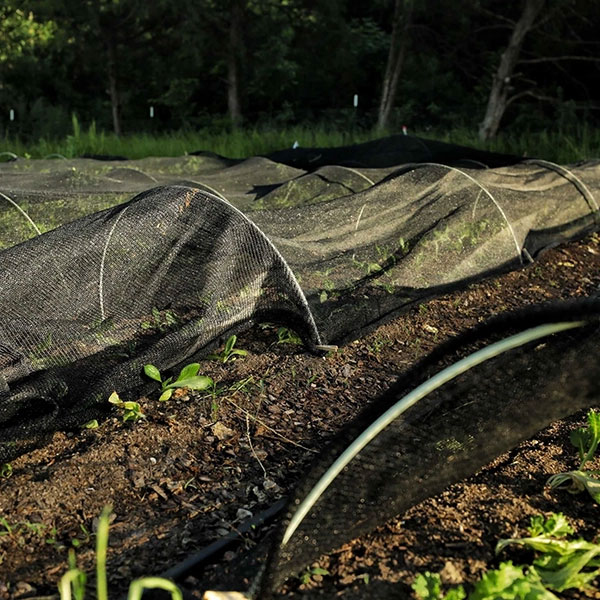
Shade Percentage
Shade percentage measures how much sunlight a shading system blocks. This value ranges from 30 percent to 90 percent. Lower percentages allow more light and less cooling. Higher percentages block more sunlight and provide stronger cooling. In a greenhouse, the right shade percentage depends on the type of plants and the local climate.
Leafy greens often need 30 to 50 percent shading. Orchids and ferns may require 70 percent or more. Too much shade can slow plant growth. Too little shade can cause heat stress and high temperature. Growers must balance shading and light for healthy plants.
Tip: Start with a moderate shade percentage and adjust as needed for your greenhouse.
Material and Color
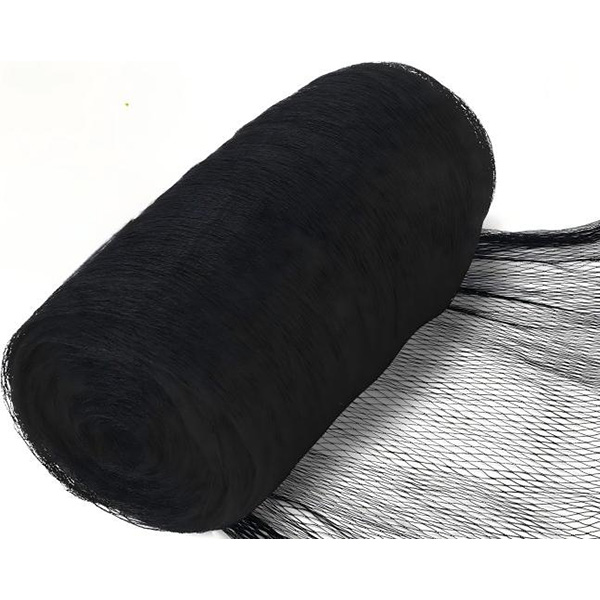
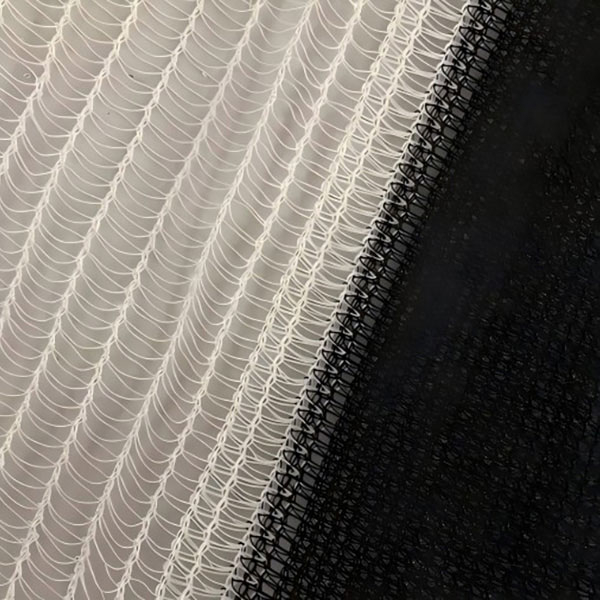
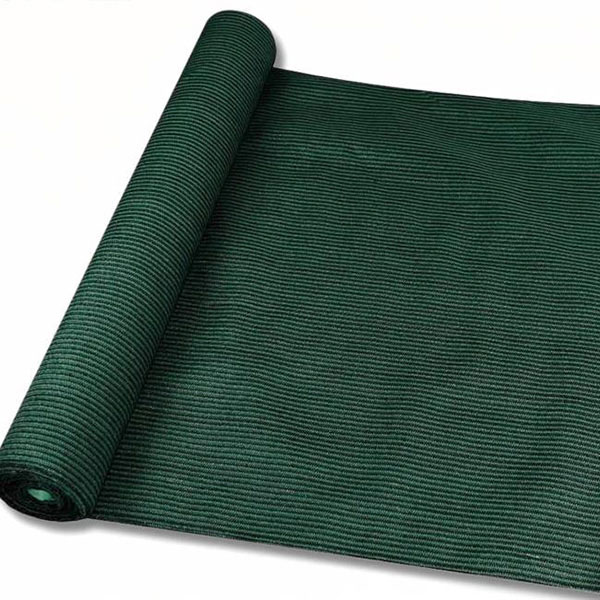
The material and color of shade nets affect shading efficiency and temperature control. Most shade nets use polyethylene or similar plastic. These materials resist weather and last for years. Color also matters for shading and cooling. White shade nets reflect more sunlight and keep the greenhouse cooler. Green shade nets blend with plants and offer medium shading. Black shade nets absorb more heat and provide mild cooling. The table below compares common options:
| Color | Shading | Cooling | Best Use |
|---|---|---|---|
| White | Strong | High | Vegetables |
| Green | Medium | Medium | Nurseries |
| Black | Mild | Low | Orchards |
Choose the right material and color to match your greenhouse needs and local heat levels.
Installation Tips
Proper installation improves shading and temperature control. Stretch shade nets tightly to avoid sagging. Secure the edges to prevent wind damage. Leave space between the shade and the greenhouse roof for better air flow and cooling. Check for gaps that let in direct sunlight. Overlap shade nets if needed for full coverage. Remove or adjust shading during cooler months to let in more light and heat. Regular maintenance keeps shading systems working well and protects plants from temperature spikes.
- Key installation steps:
- Measure the greenhouse area
- Choose the right shade percentage
- Select material and color for best shading efficiency
- Install for maximum air flow and cooling
Shade nets work best when growers match shading to plant needs, greenhouse design, and local climate. Careful selection and installation lead to better temperature control, less heat stress, and improved plant health.
Shade Net Selection
Assessing Needs
Selecting the right shade net starts with understanding the needs of your greenhouse. Consider the types of plants you grow and their sensitivity to heat. Some crops need more shading to avoid temperature stress, while others require more sunlight. Evaluate the local climate and the amount of direct sunlight your greenhouse receives each day.
High temperatures can damage plants and equipment, so proper shading is important. Make a list of your main goals, such as reducing heat, lowering temperature, or protecting plants from sunburn. This step helps you match the right shade net to your greenhouse environment.
Tip: Walk through your greenhouse during the hottest part of the day. Notice where heat builds up and where plants show signs of stress.
Choosing Shade Percentage
Shade percentage tells you how much sunlight the net blocks. This number affects both temperature and plant growth. For most vegetables, a shade percentage between 30 and 50 works well. Leafy greens and ferns often need more shading, sometimes up to 70 percent.
Too much shade can slow growth, but too little can lead to heat stress. Check the temperature inside your greenhouse before and after installing shading. Adjust the percentage if you see plants struggling with heat or lack of light. Using the right shade percentage helps maintain a stable temperature and supports healthy crops.
- Common shade percentages:
- 30%: For plants needing more light
- 50%: For general greenhouse use
- 70%: For sensitive or shade-loving plants
Material Options
Shade nets come in different materials and colors. Polyethylene is a popular choice because it resists weather and lasts for years. The color of the net also affects shading and temperature control. White shade nets reflect more sunlight and keep the greenhouse cooler. Green shade nets blend with plants and offer medium shading. Black shade nets absorb more heat and provide mild cooling. Choose a material and color that matches your greenhouse needs and local heat levels.
| Material | Durability | Shading Effect | Best Use |
|---|---|---|---|
| Polyethylene | High | Strong | Most greenhouses |
| Cloth | Medium | Medium | Temporary cover |
Selecting the right shade net improves temperature control, reduces heat stress, and creates a better environment for plants and workers.
Conclusion
Shade nets help manage temperature by spreading sunlight, reflecting energy, and allowing air to move. These features lower temperature and protect plants from high temperature. Shade nets also block harmful rays, which keeps temperature steady and reduces the risk of damage.
Choosing the right shade percentage, material, and color improves temperature control. Lowering temperature supports healthy growth and creates a safe space for workers. Shade nets offer a simple way to reduce heat and keep temperature at the right level.