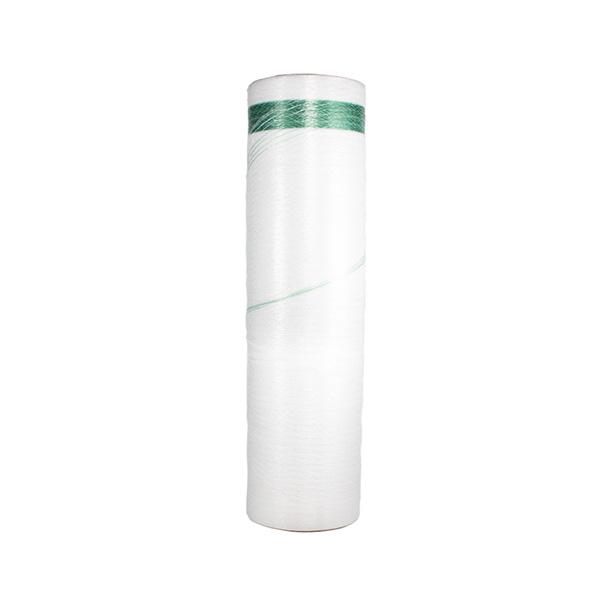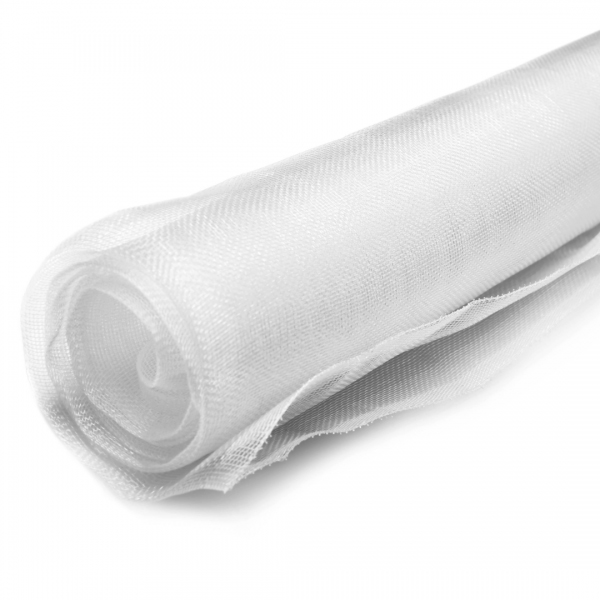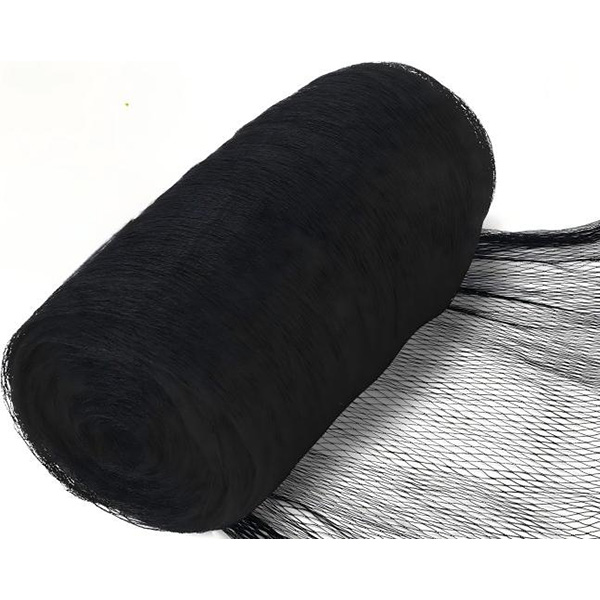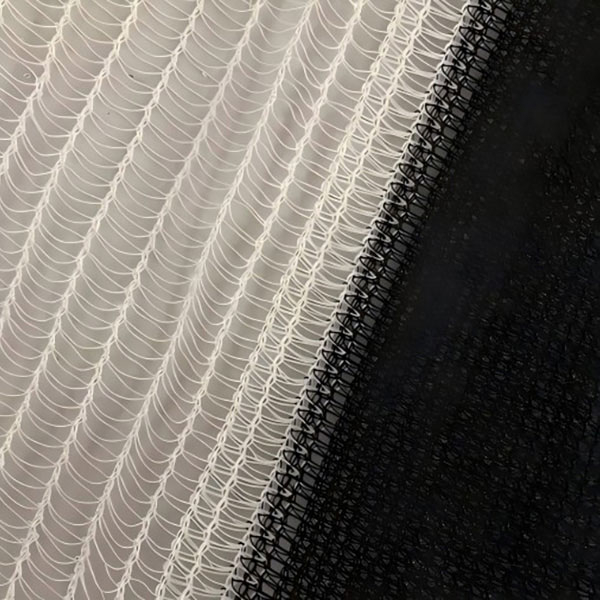
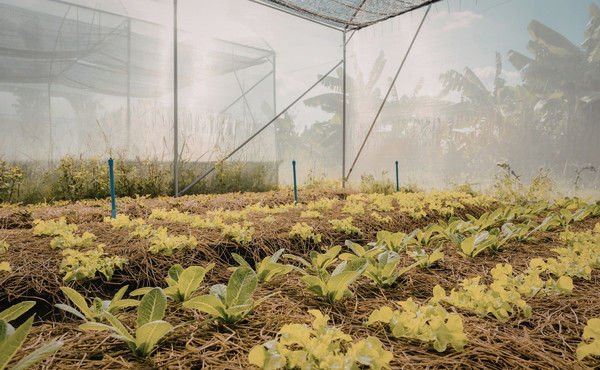
Garden netting is a practical way to protect vegetables, fruit, flowers, and young plants from insects, birds, excessive sunlight, hail, and other outdoor threats. Different types of garden netting serve different purposes, so choosing the right mesh, material, and protection level is important for healthy plant growth.
Whether you are protecting a small vegetable bed, covering fruit trees, or managing crops in a greenhouse, garden netting can reduce plant damage while allowing suitable levels of sunlight, airflow, and moisture to reach the plants.
Types of Garden Netting for Plants
Garden netting is available in different structures and mesh sizes depending on the type of protection required.
Insect Netting
Insect netting uses a fine mesh to help prevent pests from reaching crops. It is commonly used over vegetable beds, greenhouse openings, tunnels, and nursery plants.
Depending on the mesh size, insect netting can help protect plants from pests such as aphids, beetles, cabbage butterflies, flies, and other crop-damaging insects.
Fine insect mesh should provide effective pest protection while still allowing sufficient airflow and light transmission for plant growth.
Bird Netting
Bird netting is commonly installed around fruit trees, berry plants, vineyards, and vegetable gardens to prevent birds from feeding on crops.
It is particularly useful during fruit development and ripening, when strawberries, blueberries, cherries, grapes, and other crops become attractive to birds.
The net should be properly tensioned and secured around the edges so birds cannot enter underneath the cover.
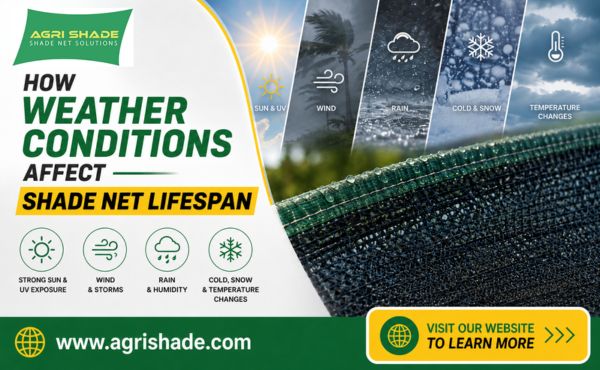
Shade Netting
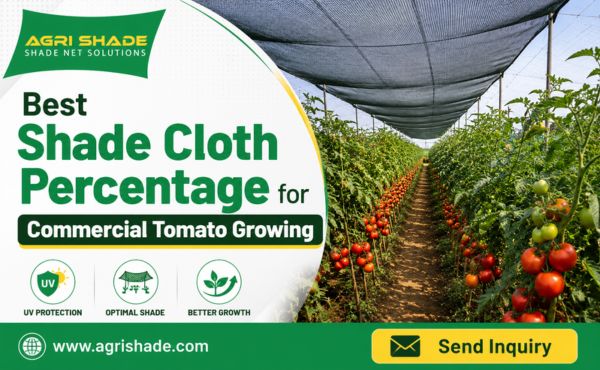
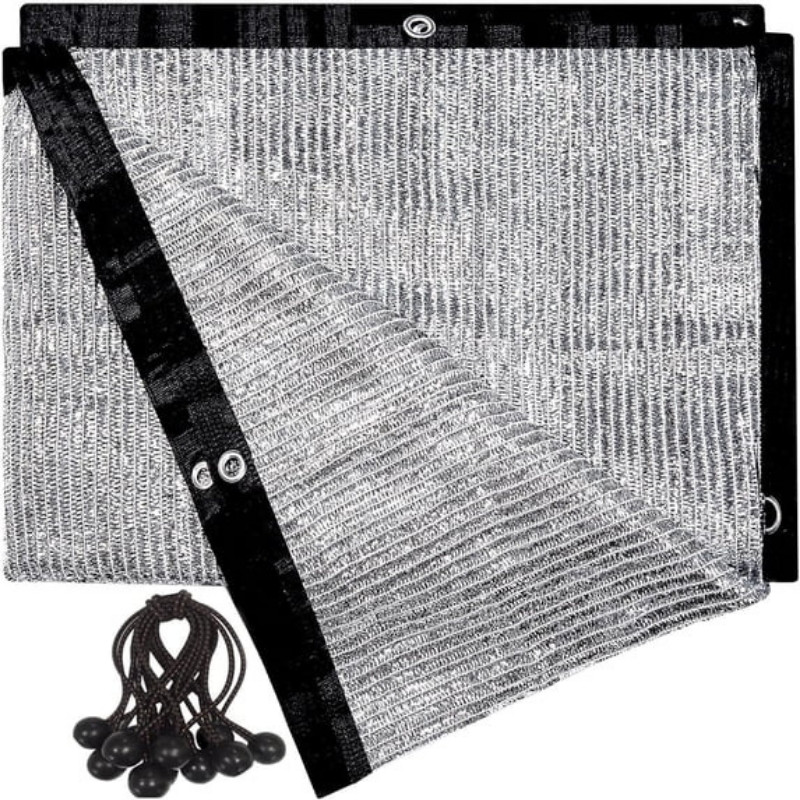
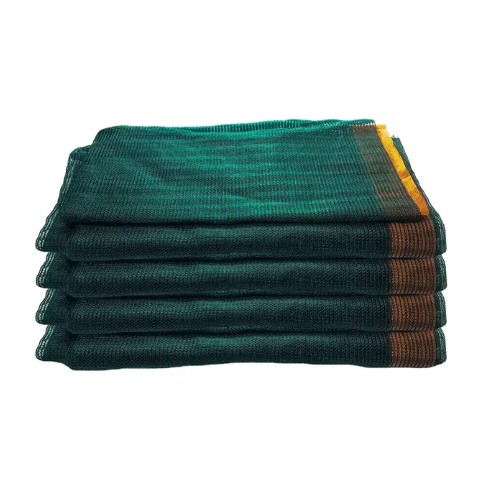
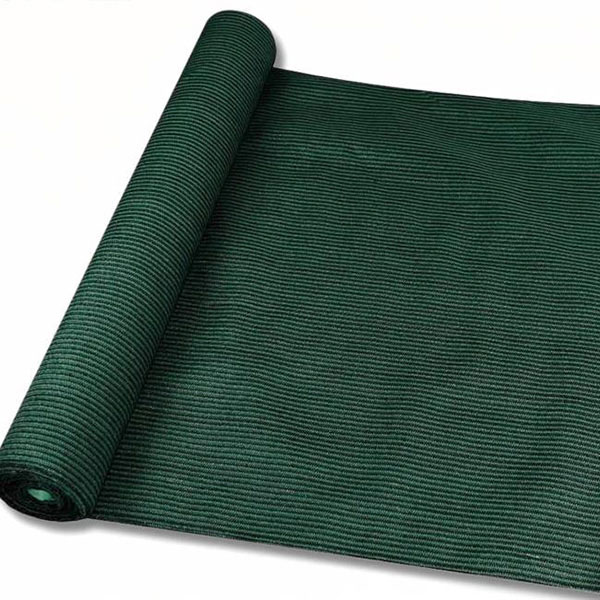
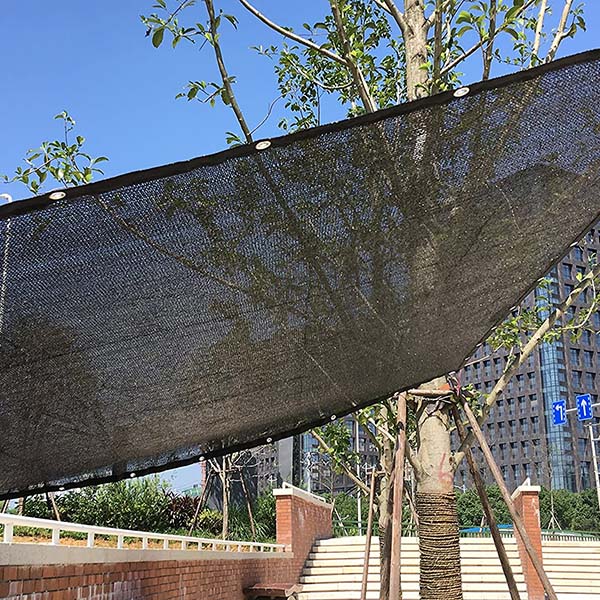
Shade netting reduces the amount of direct sunlight reaching plants and can help control heat stress during hot weather.
It is widely used for seedlings, leafy vegetables, ornamental plants, nursery crops, and greenhouse production.
Different shade percentages are available depending on the crop and local climate. Plants that require partial shade normally need a lower shading rate than highly heat-sensitive crops.
Anti-Hail Netting
Anti-hail netting helps reduce physical damage caused by hailstorms.
It is commonly used over orchards, vineyards, vegetable crops, nurseries, and other outdoor growing areas where severe weather can damage leaves, branches, flowers, and fruit.
A properly installed hail protection net creates a protective barrier above crops while allowing light and rainwater to pass through.
Trellis and Plant Support Netting
Trellis netting supports climbing and vining plants as they grow vertically.
It is commonly used for cucumbers, peas, beans, tomatoes, climbing flowers, and other vine crops.
Supporting plants vertically can improve airflow around the foliage, make harvesting easier, and reduce contact between fruit and the ground.
What Is Garden Netting Used For?
Garden netting can solve several common problems in gardens, greenhouses, orchards, and agricultural growing areas.
Protecting Plants from Insects
Fine garden mesh creates a physical barrier between crops and harmful insects.
Unlike chemical pest control, insect netting prevents pests from reaching the crop directly, making it useful for vegetables and young plants that are particularly vulnerable to insect damage.
For effective protection, the mesh size should be selected according to the target pest.
Protecting Fruit from Birds
Birds can cause significant losses when fruit begins to ripen.
Garden bird netting helps protect berries, grapes, cherries, figs, and other fruit crops without preventing normal air circulation around the plants.
The net should remain clear of ripening fruit where possible so birds cannot reach fruit through the mesh.
Reducing Excessive Sunlight and Heat
Strong sunlight can cause leaf scorching, heat stress, excessive water loss, and reduced crop quality.
Shade netting provides controlled shading and is especially useful in hot climates, greenhouses, nurseries, and exposed growing areas.
The correct shade percentage depends on crop type, growing stage, and climate conditions.
Protecting Plants from Hail
Hail can damage leaves, stems, flowers, and developing fruit within minutes.
Anti-hail garden netting absorbs and distributes the impact of hailstones before they reach the crop, helping reduce weather-related losses.
Supporting Climbing Plants
Support netting gives climbing plants a structure to grow along.
Keeping vines and foliage off the ground can improve air circulation, simplify harvesting, and make better use of vertical growing space.
Which Garden Netting Should You Use?
The best garden netting depends on the problem you are trying to solve.
| Growing Problem | Recommended Netting |
|---|---|
| Aphids and small insects | Fine insect netting |
| Birds eating berries or fruit | Bird netting |
| Excessive summer sunlight | Shade netting |
| Hail damage | Anti-hail netting |
| Cucumbers, peas, or beans need support | Trellis netting |
| Greenhouse pest control | Insect mesh |
| Nursery heat protection | Shade netting |
Before purchasing garden netting, identify the main threat to your plants first. A fine insect mesh, for example, is designed for a very different purpose from shade cloth or bird netting.
How to Choose the Right Garden Netting
Mesh Size
Mesh size is especially important for insect and bird protection.
Smaller mesh openings provide greater protection against small pests, while larger openings generally provide better airflow and light transmission.
Choose the mesh according to the pest or animal you need to exclude.
Light and Airflow
Plants still need sufficient sunlight and ventilation after the net is installed.
Very dense netting may reduce airflow or light transmission, so the protection level should be balanced against the crop’s growing requirements.
UV Resistance
Garden netting used outdoors is constantly exposed to sunlight.
For long-term outdoor applications, UV-stabilized polyethylene or HDPE netting generally provides better resistance to sunlight degradation than untreated plastic mesh.
Net Strength
The required strength depends on the application.
Lightweight mesh may be suitable for temporary vegetable beds, while orchards, vineyards, and large greenhouse structures usually require stronger netting that can withstand wind and long-term tension.
Installation Area
Consider how the net will be installed before choosing the size and structure.
Garden netting may be installed over raised beds, on hoops or tunnels, around fruit trees, across greenhouse openings, above orchards, or on trellis structures.
Selecting the correct roll width and dimensions can reduce unnecessary cutting and installation time.
How to Install Garden Netting Correctly
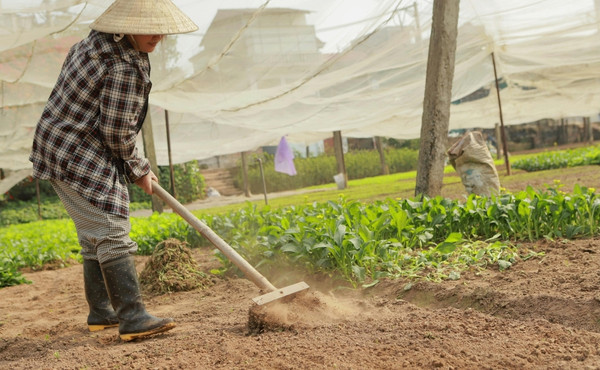
Correct installation is just as important as selecting the right net.
First, build or prepare a suitable support structure where necessary. Hoops, poles, greenhouse frames, or trellis systems can prevent the net from resting directly on delicate plants.
Stretch the net evenly without excessive tension. Overstretching can reduce service life and increase the risk of tearing.
All edges should be secured carefully because insects and birds can enter through relatively small gaps.
Leave enough space for plants to continue growing, and regularly inspect the net for loose sections, holes, or damaged fixing points.
Considerations When Using Garden Netting
Garden netting can affect access for bees and other pollinators, especially when fine insect mesh is used over flowering crops.
Leafy vegetables and crops that do not depend heavily on insect pollination can often remain covered for longer periods.
Flowering crops such as cucumbers, squash, strawberries, and some fruit plants may require temporary net removal, managed pollinator access, or hand pollination during flowering.
Bird netting normally has larger mesh openings than insect netting and therefore affects pollinator access differently.
FAQs About Garden Netting
What is the best netting to protect plants?
There is no single best garden netting for every application. Insect netting is suitable for pest protection, bird netting protects fruit crops, shade netting reduces sunlight, and anti-hail netting protects against severe weather.
What size garden netting do I need?
The required size depends on both the growing area and the target pest. For insect protection, the mesh openings must be small enough to block the specific pest you want to exclude.
Can garden netting stop insects?
Yes. Fine insect netting can create a physical barrier that prevents many flying and crawling pests from reaching crops, provided the mesh size is suitable and all edges are properly sealed.
Does garden netting block sunlight?
Some garden netting reduces sunlight more than others. Shade netting is specifically designed to reduce solar radiation, while insect and bird netting normally allow significantly more light to pass through.
Can garden netting stay on plants all season?
It depends on the crop and type of netting. Some crops can remain covered for long periods, while flowering crops may require pollinator access. The net should also be checked regularly for plant growth, ventilation, and damage.
Conclusion
Garden netting provides a practical way to protect plants from insects, birds, hail, excessive sunlight, and other growing threats while also supporting climbing crops.
The right choice depends on the specific problem you need to solve. Mesh size, shade percentage, UV resistance, strength, airflow, and installation method should all be considered before selecting a net.
Agrishade supplies insect netting, bird netting, anti-hail netting, shade netting, and other plant protection netting in bulk for gardens, greenhouses, nurseries, orchards, and commercial growing applications.