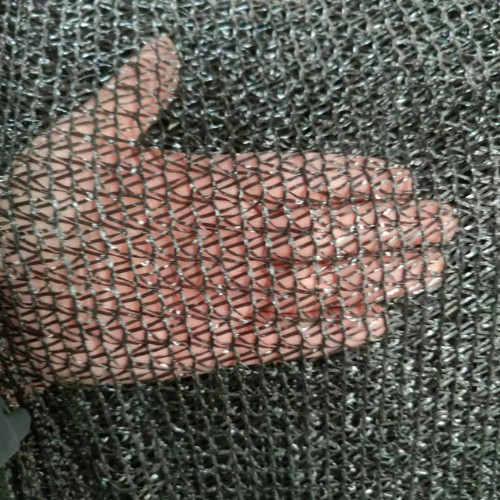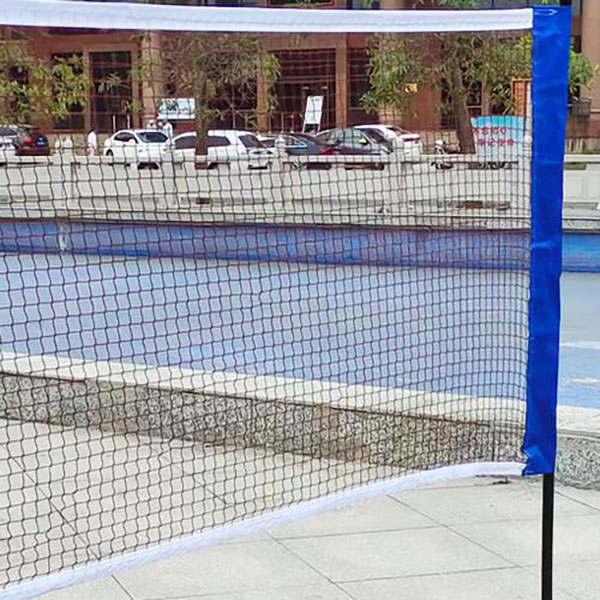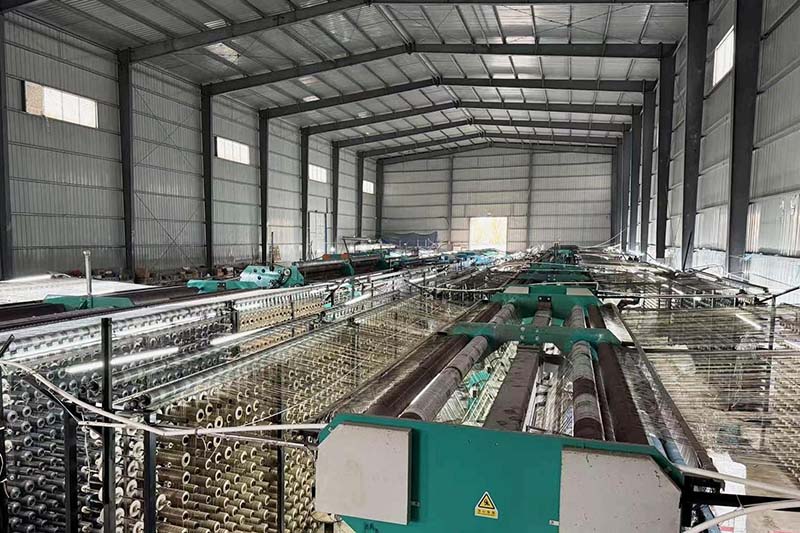
Nylon stands out as the best material for sports netting due to its impressive strength, long-lasting durability, and adaptability across many sports. Some facilities choose tarred nylon or advanced Dyneema fibers for extra protection and performance.
Alternatives like polyester and HDPE also offer benefits in certain conditions. The right netting material protects athletes, supports game flow, and withstands harsh weather. Each sport and environment demands careful consideration when selecting netting.
Key Qualities for Sports Netting
Selecting the right sports netting material depends on several important qualities. Each factor plays a role in the performance, safety, and lifespan of the netting. Understanding these qualities helps facility managers and coaches make informed decisions.
Durability & Strength
- High durability ensures the netting stands up to repeated impacts from balls or equipment.
- Strong materials prevent tears and holes, which keeps the netting effective for longer periods.
- Quality netting with excellent durability reduces the need for frequent replacements.
Weather Resistance
- Outdoor sports netting faces sun, rain, wind, and temperature changes.
- Weather-resistant materials maintain their quality and structure in harsh conditions.
- UV protection helps prevent fading and breakdown, which supports long-term safety.
Safety & Performance
- Safety remains the top priority for any sports facility.
- Quality netting protects athletes, spectators, and property from stray balls or equipment.
- Properly installed netting with high safety standards ensures smooth game flow and reduces injury risks.
- Consistent quality in netting supports fair play and reliable performance.
- Safety checks and regular inspections help maintain the quality of the netting.
Cost & Maintenance
- Cost affects the choice of netting material, but quality should not be sacrificed for a lower price.
- Materials with high durability often require less maintenance, saving money over time.
- Easy-to-clean netting supports safety by preventing buildup of dirt or debris.
- Quality netting with low maintenance needs provides long-term value for sports facilities.
Tip: Always balance cost with quality and safety when choosing sports netting. Investing in better materials can lead to fewer repairs and a safer environment.
Material Comparison: Nylon Netting, HDPE, Polyester, and More
Choosing the best material for sports netting requires a close look at several popular options. Each material offers unique benefits and drawbacks. The right choice depends on the sport, environment, and facility needs.
Nylon Netting Overview
Nylon netting stands out as the best material for most sports applications. This material delivers excellent strength and flexibility. Facilities often choose nylon for its ability to absorb impact and resist stretching. Nylon sports netting works well for both indoor and outdoor use. It handles repeated impact from balls and equipment without losing shape. The high durability of nylon netting means fewer replacements and lower long-term costs.
Pros:
- Superior strength and flexibility
- High resistance to impact and abrasion
- Long lifespan with proper care
- Suitable for a wide range of sports
Cons:
- Can absorb water, which may lead to sagging if not treated
- UV exposure can weaken untreated nylon over time
Note: Many facilities choose nylon sports netting with UV protection or tarred coatings to extend its life outdoors.
Tarred Nylon & Dyneema
Tarred nylon offers extra protection for outdoor sports netting. The tar coating shields the fibers from moisture, UV rays, and abrasion. This makes tarred nylon a top choice for baseball, softball, and golf netting exposed to harsh weather. Dyneema, a high-performance fiber, provides even greater strength and durability. Dyneema netting resists impact and stretching better than most materials. It also weighs less than traditional nylon.
Pros:
- Enhanced weather resistance
- Exceptional strength-to-weight ratio (especially Dyneema)
- Longer lifespan in outdoor settings
Cons:
- Higher cost compared to standard nylon netting
- Tarred coatings may have a strong odor at first
Tip: Use tarred nylon or Dyneema for high-impact sports or outdoor facilities that demand the best material for longevity.
HDPE Netting
HDPE netting has become a popular alternative for outdoor sports. HDPE stands for high-density polyethylene. This material resists moisture, UV rays, and chemicals. HDPE netting does not absorb water, so it keeps its shape in wet conditions. Many soccer and golf facilities use hdpe netting for perimeter and barrier nets.
Pros:
- Excellent weather and UV resistance
- Lightweight and easy to install
- Maintains shape after repeated impact
- Low maintenance requirements
Cons:
- Lower strength than nylon netting for high-impact sports
- May stretch or deform under heavy loads
- Not always the best material for sports with frequent, forceful impact
| Material | Strength | Weather Resistance | Impact Absorption | Cost |
|---|---|---|---|---|
| Nylon | High | Moderate-High | Excellent | Moderate |
| Tarred Nylon | High | High | Excellent | High |
| Dyneema | Very High | Very High | Excellent | Very High |
| HDPE | Moderate | Very High | Good | Low |
| Polyester | Moderate | High | Good | Moderate |
| Polypropylene | Moderate | Moderate | Fair | Low |
Polyester Netting
Polyester sports netting offers a balance between durability and weather resistance. Polyester resists UV rays and moisture better than untreated nylon. Many indoor and outdoor facilities use polyester for sports like tennis and soccer. Polyester netting holds up well to moderate impact and daily use.
Pros:
- Good resistance to UV and moisture
- Maintains strength over time
- Less stretching than nylon
Cons:
- Lower impact absorption than nylon netting
- May not be the best material for high-impact sports
- Slightly heavier than hdpe netting
Callout: Polyester sports netting works well for sports with moderate impact and where weather resistance is a priority.
Polypropylene Netting
Polypropylene sports netting provides a lightweight and affordable option. This material resists chemicals and moisture. Polypropylene netting often appears in temporary or low-impact sports settings. It does not match the strength or impact absorption of nylon netting or hdpe netting.
Pros:
- Lightweight and easy to handle
- Resistant to chemicals and moisture
- Low cost for budget-conscious facilities
Cons:
- Lower strength and durability
- Not suitable for high-impact sports
- Can degrade faster under UV exposure
Tip: Polypropylene sports netting fits best in temporary setups or for sports with minimal impact.
Summary Table
| Material | Best Use Cases | Key Strengths | Main Drawbacks |
|---|---|---|---|
| Nylon Netting | Baseball, softball, multi-sport | Strength, impact, life | Needs UV/tarred treatment |
| Tarred Nylon & Dyneema | Outdoor, high-impact, golf | Weather, strength | Higher cost |
| HDPE Netting | Soccer, golf, outdoor barriers | Weather, low upkeep | Lower impact absorption |
| Polyester Sports Netting | Tennis, soccer, indoor/outdoor | UV, moisture resistance | Less impact absorption |
| Polypropylene Sports Netting | Temporary, low-impact | Lightweight, affordable | Weak, less durable |
Choosing the best material depends on the sport, location, and expected impact. Nylon netting remains the top choice for most sports, but hdpe netting and polyester sports netting offer strong alternatives for specific needs. Polypropylene sports netting works for temporary or low-impact uses.
Best Material by Sport
Baseball & Softball
Baseball and softball demand netting that can handle high-speed impacts and frequent use. Nylon netting stands out as the best material for sports netting in these environments. Its strength and flexibility absorb the force of fast-moving balls. Many facilities choose tarred nylon for outdoor fields because the coating adds weather resistance and extends the net’s lifespan.
Tip: For batting cages or backstops, select heavy-gauge nylon with UV protection for maximum durability.
Soccer & Football
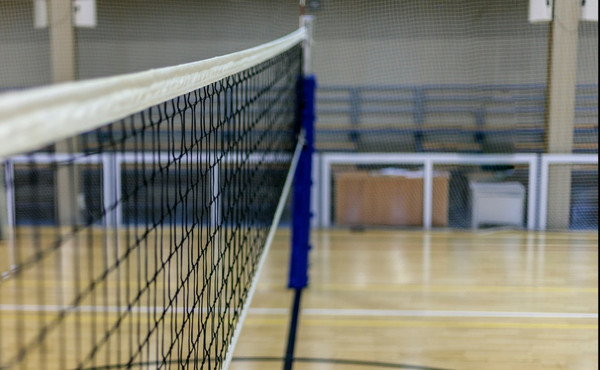
Soccer and football fields require large barrier nets to keep balls within play areas. HDPE netting works well for these sports because it resists moisture and UV rays. This material maintains its shape after repeated impacts and needs little maintenance. Some indoor soccer arenas use polyester netting for its balance of strength and weather resistance.
- Best Choices:
- Outdoor: HDPE netting
- Indoor: Polyester or nylon netting
Tennis & Hockey
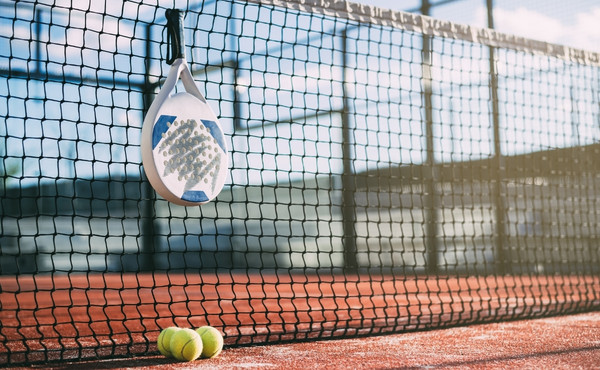
Tennis and hockey both need netting that can stop fast-moving balls or pucks without sagging. Polyester netting offers good UV resistance and holds up well outdoors. Nylon netting provides better impact absorption, making it a strong choice for hockey rinks and tennis backstops.
Note: For hockey, choose a thicker gauge to withstand puck impacts.
Golf Netting
Golf balls travel at high speeds and can cause significant damage. Dyneema and tarred nylon netting provide the highest strength and weather resistance for golf driving ranges and courses. These materials last longer outdoors and offer superior protection.
| Sport | Best Material | Key Benefit |
|---|---|---|
| Golf | Dyneema/Tarred Nylon | Maximum strength |
Indoor vs Outdoor Sports
Indoor sports benefit from nylon or polyester netting because these materials offer strength and flexibility. Outdoor sports require netting with added weather resistance. Tarred nylon, HDPE, and Dyneema perform best outside due to their ability to resist UV rays and moisture.
Choosing the right netting material for each sport ensures safety, performance, and long-term value.
Choosing Netting Material for Your Facility
Assessing Needs
Facility managers should start by identifying the main purpose of the sports netting. They need to consider the type of sport, the expected level of impact, and the frequency of use. For example, baseball fields require netting that can handle high-speed balls, while tennis courts need nets that stop lighter objects. Managers should also think about whether the netting will serve as a barrier, backstop, or divider. A clear understanding of these needs helps select a durable and cost-effective solution.
Tip: Make a checklist of all sports and activities that will use the netting. This step ensures the chosen material meets every requirement.
Environmental Factors
Outdoor facilities face challenges from sun, rain, wind, and temperature changes. Netting exposed to harsh weather must resist UV rays and moisture. Durable materials like tarred nylon or HDPE perform well in these conditions. Indoor facilities can focus more on impact resistance and less on weatherproofing. Longevity increases when managers match the material to the environment. They should also consider if the netting will be near water or chemicals, as some materials resist these better than others.
- Outdoor: Prioritize UV and moisture resistance.
- Indoor: Focus on strength and flexibility.
Budget Considerations
Every facility must balance quality with cost. Managers should compare the initial price with the expected lifespan of each material. A cost-effective choice does not always mean the lowest price. Sometimes, investing in a more durable netting saves money over time because it reduces repairs and replacements. Longevity plays a key role in making a smart investment. Facilities should also factor in maintenance costs and warranties when making their decision.
| Factor | Why It Matters |
|---|---|
| Initial Cost | Fits within budget |
| Durability | Reduces replacement needs |
| Longevity | Lowers long-term expenses |
| Maintenance | Saves time and resources |
Choosing a cost-effective and durable netting material ensures safety and value for years to come.
Conclusion
Nylon netting remains the top choice for most sports netting because it offers excellent durability and abrasion resistance, strong impact absorption, and reliable resistance to weather. Facility managers should always match types of sports netting to the specific sports and environments. Buyers need to check for uv protection, tarred coatings, and warranties to ensure long-lasting sports netting.
High-density polyethylene and polyester also provide resistant options for certain sports. Balancing performance, cost, and resistance helps create safe, effective indoor and outdoor sports netting.