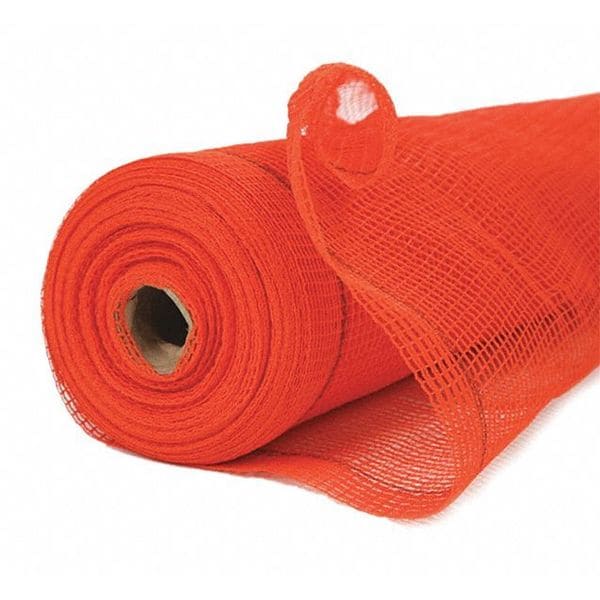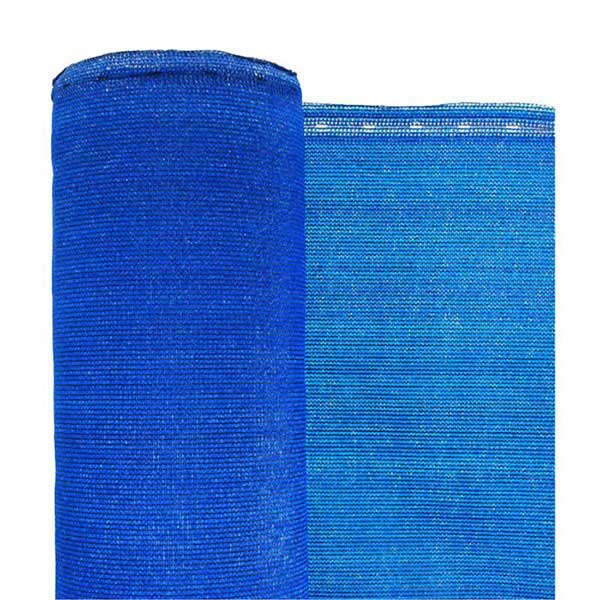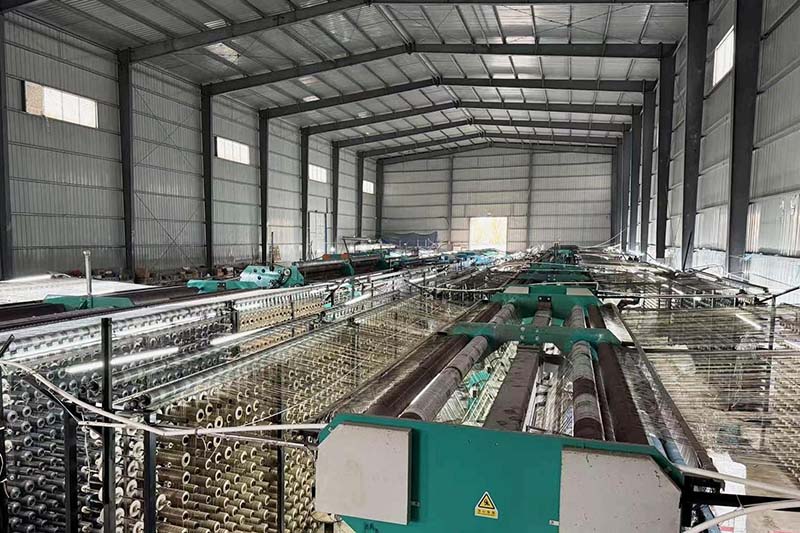
Safety nets and debris nets serve different roles on construction sites. The main difference comes from what each netting protects against—people or falling objects. Mesh size, material strength, and OSHA compliance also set them apart. Choosing the right netting helps keep workers safe and meets important regulations.
Purpose and Function
Uses of Safety Nets
Safety netting protects workers from falls. This netting acts as a barrier below work areas at height. When installed correctly, it catches people who might slip or lose balance. The main goal is to reduce injuries from falls. Construction sites often use this netting to create a safer environment for anyone working above ground level. The netting must be strong enough to support the weight of a person and absorb the impact of a fall.
Uses of Debris Nets
Debris netting prevents tools, materials, and small objects from falling to lower levels. This netting surrounds scaffolding, buildings, or work zones. It keeps debris contained and protects workers and pedestrians below. The mesh size is small, which helps trap even tiny pieces of material. Debris netting does not support the weight of a person. Its main function is to control and contain falling objects, not to catch people.
Tip: Using debris netting helps keep job sites cleaner and reduces the risk of injuries from falling objects.
Materials and Design
Safety netting materials
Safety nets use strong synthetic fibers. Manufacturers often choose materials like high-tenacity polypropylene or nylon. These fibers resist weather, UV rays, and abrasion. The netting must support the weight of a falling person. The mesh openings are larger than those in debris netting. Most safety netting features a mesh size of about 3.5 inches. This design allows the netting to absorb energy and reduce the force of a fall. The knots and weave patterns add extra strength. The edges often have reinforced borders for secure attachment.
Note: Safety netting must meet strict standards for impact resistance and durability.
Debris netting materials
Debris nets have a different design. The mesh is much finer, with openings as small as 1/16 inch. This small mesh size helps trap dust, small tools, and construction scraps. The material is usually lightweight polyethylene. This plastic resists tearing and stands up to wind and rain. Debris netting does not need to support heavy loads. Instead, it focuses on containing small objects and keeping the worksite clean. The netting is flexible and easy to wrap around scaffolding or building frames.
A comparison table can help show the differences:
| Feature | Safety Nets | Debris Nets |
|---|---|---|
| Mesh Size | ~3.5 inches | 1/16 inch |
| Material | Polypropylene/Nylon | Polyethylene |
| Main Purpose | Catching people | Containing debris |
| Strength | High | Moderate |
Installation and Placement
Safety netting installation
Safety netting must be installed below areas where workers could fall. The netting should stretch tightly between secure anchor points. Installers often use strong cables or ropes to attach the netting to steel beams or concrete walls. The netting must cover the entire area where a person might fall. Gaps between the netting and the work surface should be as small as possible. Workers should check the netting for damage before each use. Regular inspections help keep the system safe.
Tip: Always follow the manufacturer’s guidelines for installation to ensure the netting works as intended.
Debris netting placement
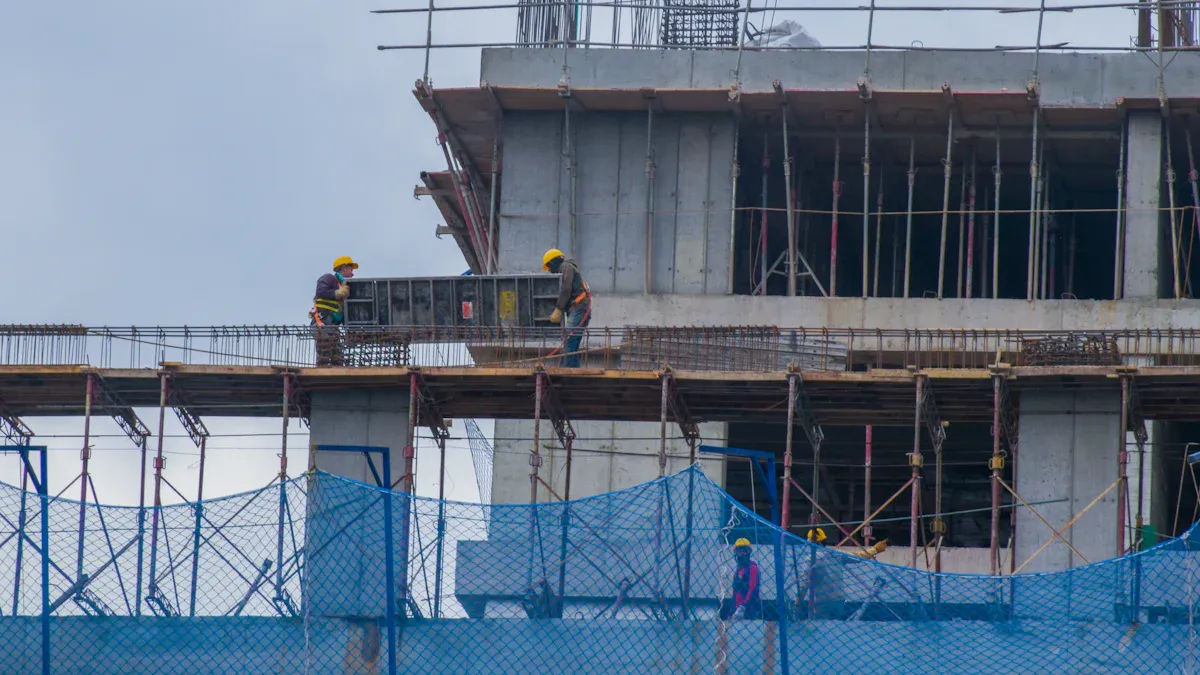
Debris netting surrounds scaffolding, building frames, or open floors. Workers attach the netting with zip ties, clips, or wire. The netting should wrap tightly around the structure to prevent objects from falling through gaps. Overlapping the edges of the netting adds extra protection. Installers must secure the netting at the top, bottom, and sides. This keeps the netting in place during strong winds or heavy use. Workers should check the netting often for tears or loose spots.
Regulations and Standards
Safety netting OSHA compliance
Safety netting must meet strict rules set by OSHA. These rules help protect workers from falls. OSHA requires that safety netting can stop a falling person without breaking. The netting must be strong and have a mesh size that does not let a worker slip through. Installers must place the netting as close as possible to the work area. OSHA also asks for regular checks to make sure the netting stays in good shape. If the netting gets damaged, workers must fix or replace it right away.
Note: OSHA rules help keep workers safe at heights. Following these rules is not just smart—it is the law.
Debris netting OSHA standards
Debris netting has its own set of OSHA guidelines. These rules focus on keeping tools, materials, and other objects from falling. OSHA says that debris netting must cover all open sides of scaffolds or work platforms. The netting should have a small mesh size to catch even tiny pieces. Workers must secure the netting tightly so nothing can slip through gaps. OSHA also wants regular inspections to check for tears or loose spots. If the netting does not meet these standards, it must be fixed or replaced.
Common Applications
Safety netting examples
Safety nets appear in many construction environments. Workers often see this netting installed below bridges during repairs. It also protects workers on high-rise buildings. Shipyards use safety netting to catch workers who might fall from scaffolding. In sports arenas, this netting can stop people from falling from elevated platforms. The netting creates a secure barrier that helps prevent serious injuries.
Note: Safety netting is essential for projects where workers operate at significant heights.
Debris netting examples
Debris nets are common on building sites where tools and materials could fall. Crews wrap this netting around scaffolding to keep dust, nails, and small objects from dropping to the ground. Renovation projects in busy city areas use debris netting to protect pedestrians and vehicles below. It also helps contain construction waste during demolition. Some sites use this netting to reduce windblown debris, keeping the area cleaner and safer.
- Scaffolding on tall buildings
- Demolition zones in urban settings
- Renovation projects near sidewalks
Using the right netting for each situation helps keep everyone safe and supports a clean, efficient worksite.
Conclusion
Choosing the right netting makes a construction site a safer working environment. Fall safety nets protect workers from falls. Debris nets stop small objects from dropping. Consider the function, material, and compliance before selecting netting. Vertical installation of netting helps create a safer work zone.
Always check safety rules and match the netting to the job for the best protection.