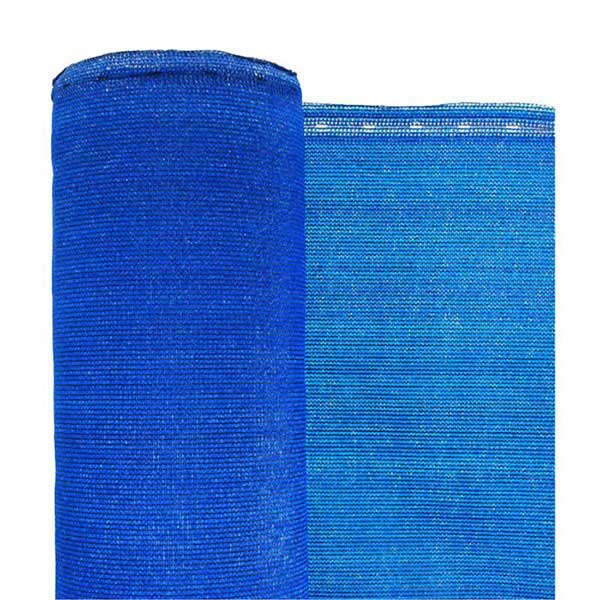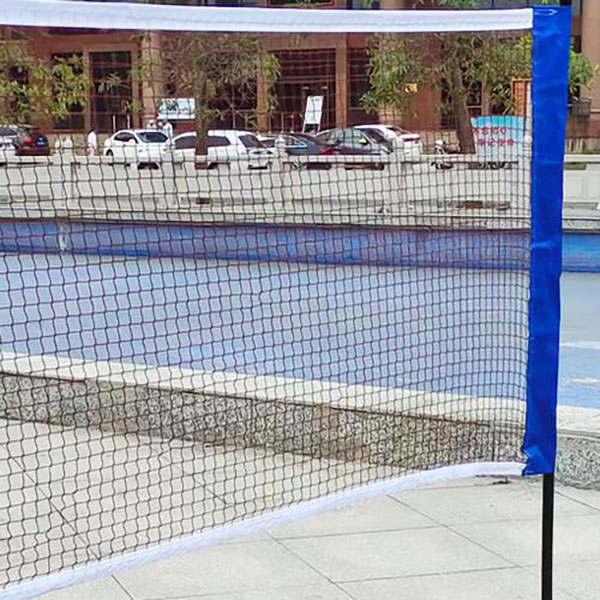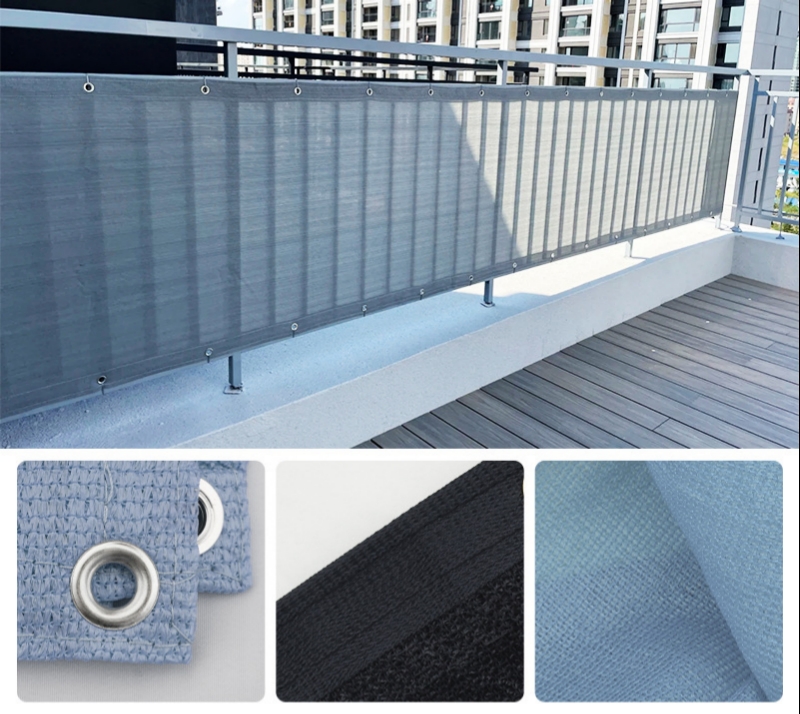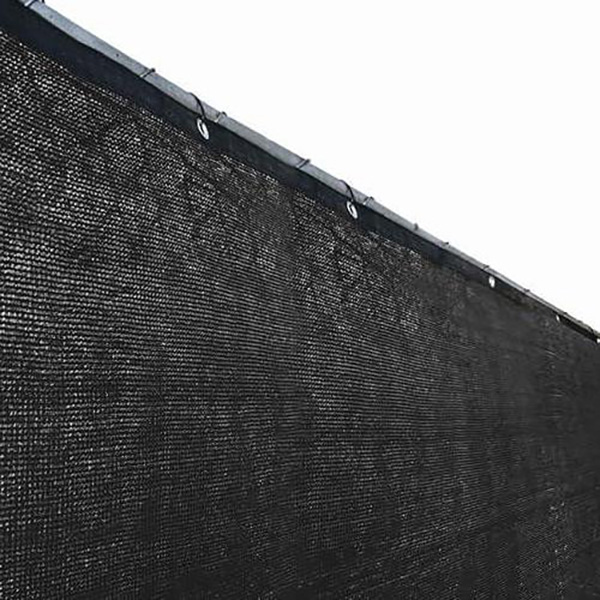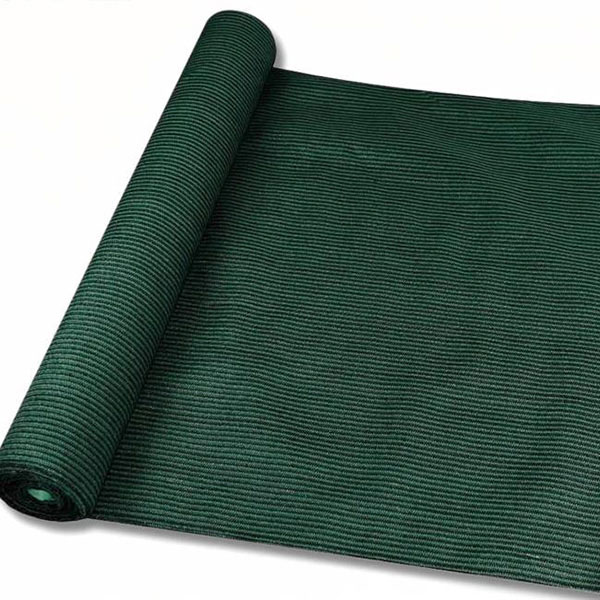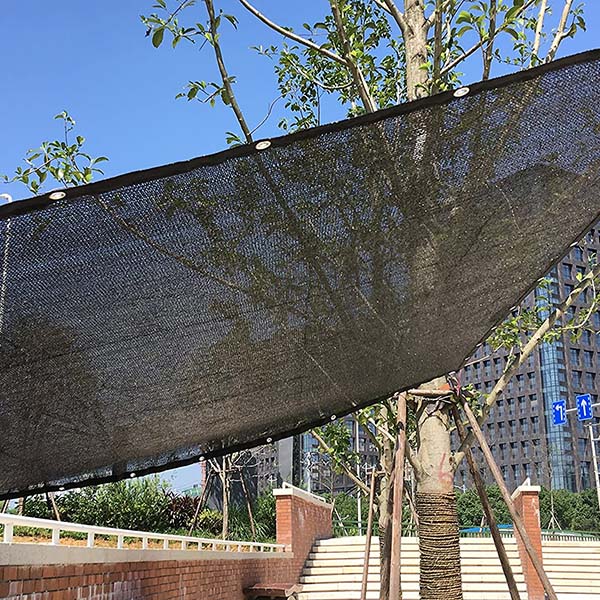
Homeowners often choose from a range of privacy screens materials for outdoor use. Common options include HDPE mesh, metal, vinyl, composite, bamboo, fabric, living screens, and ACM. HDPE stands out because it resists fading and damage from the sun.
People use outdoor privacy screens in many scenarios. Selecting the right outdoor privacy screen material affects how well it lasts, how much care it needs, and how it looks in the yard.
Comparing Privacy Screens Materials
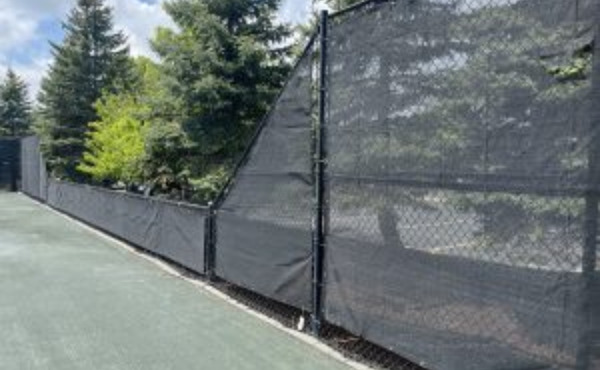
Choosing the right privacy screens materials can make a big difference in outdoor spaces. Each material offers unique benefits and challenges.
Durability and Weather Resistance
Durability matters for any outdoor feature. HDPE mesh resists UV rays and moisture, making it a strong choice for long-term use. Metal panels, such as aluminum or steel, stand up well to wind and rain but may rust over time if not coated.
Vinyl and composite materials resist rot and insects. Bamboo and fabric options can fade or break down faster in harsh weather. Living screens, like hedges, need time to grow and may suffer in extreme climates.
Appearance and Style
Appearance shapes the mood of an outdoor area. HDPE mesh comes in many colors and blends well with modern designs. Metal privacy panels offer a sleek, industrial look. Vinyl and composite panels mimic wood or stone. Bamboo creates a natural, tropical feel. Fabric panels add softness and color but may not last as long. Living screens provide a lush, green backdrop. ACM panels give a contemporary touch to decorative fence panels.
Best Material Option for Outdoor Privacy Screens
HDPE Features
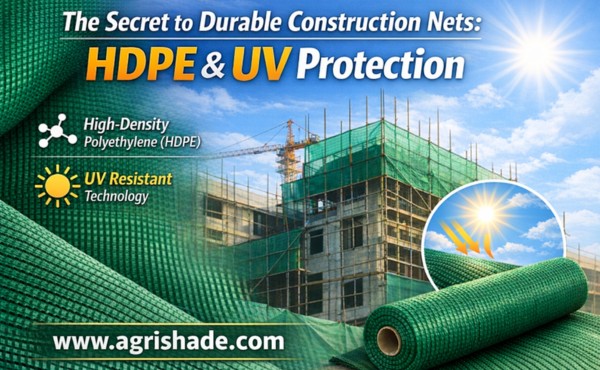
HDPE stands out as a top material for outdoor privacy screens. This mesh uses high-density polyethylene, a type of plastic known for its strength and flexibility.
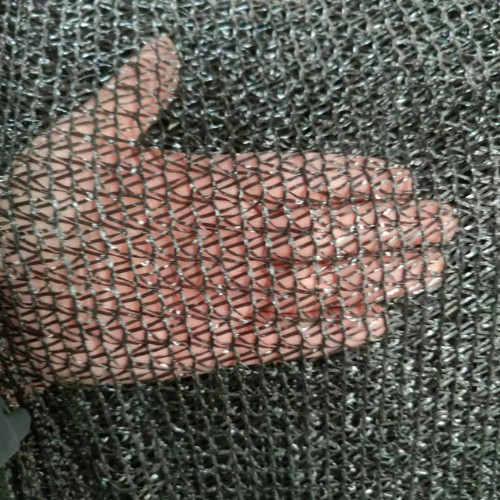
Manufacturers design HDPE to block visibility while allowing air to flow through. The material resists UV rays, moisture, and mildew. HDPE does not absorb water, so it dries quickly after rain.
Many homeowners choose HDPE because it comes in different colors and sizes. The mesh fits modern and traditional outdoor spaces.
HDPE Pros and Cons
A comparison of HDPE mesh advantages and disadvantages helps homeowners make informed decisions.
| Pros | Cons |
|---|---|
| Excellent UV resistance | Limited sound blocking |
| Low maintenance | May not suit rustic styles |
| Lightweight and flexible | Not fully opaque |
| Resists mold and mildew | Can be punctured by sharp objects |
| Easy to install | May cost more than fabric |
HDPE offers many benefits for outdoor privacy screen projects. The mesh lasts for years with minimal care. Homeowners clean it with water or mild soap.
The material does not need painting or sealing. However, HDPE mesh does not block sound as well as solid panels. Some people prefer a more opaque look for complete privacy.
HDPE Best Uses
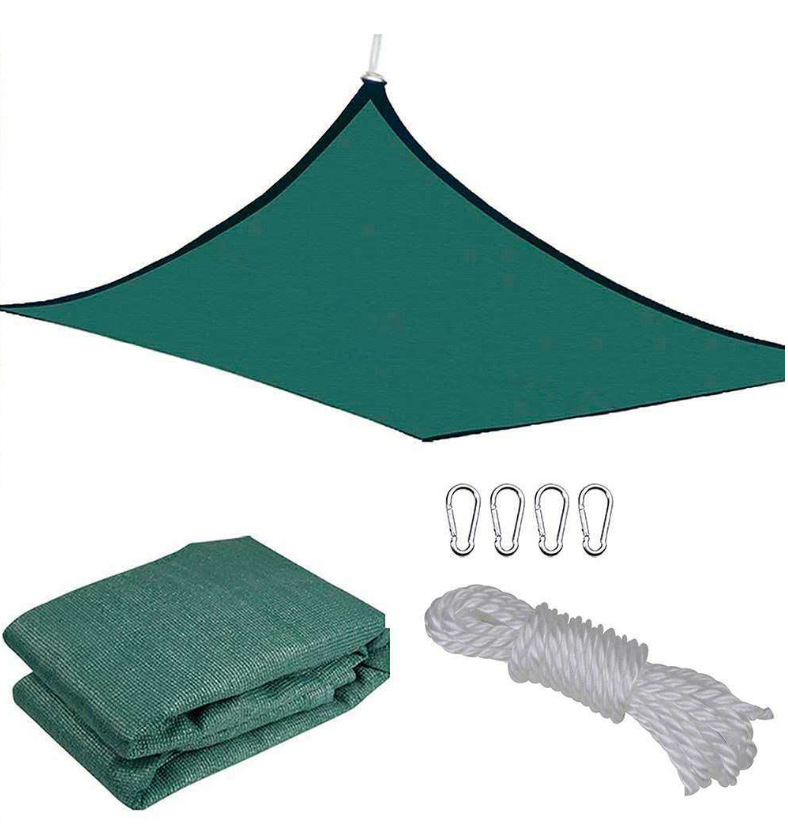
HDPE works well in many outdoor privacy screen applications. People use it for backyard fences, patio enclosures, pool areas, and balcony screens.
The mesh suits windy locations because it allows air to pass through, reducing pressure on the structure. HDPE mesh fits modern homes and commercial spaces.
Other materials, such as metal or composite panels, may suit those who want a solid look or extra sound reduction. Bamboo and fabric screens fit tropical or casual settings but need more care.
Living screens, like hedges, create a natural barrier but require time to grow and regular trimming.
Choosing the Right Outdoor Privacy Screen Material
Durability Factors
Durability plays a key role when selecting privacy screens materials. HDPE mesh resists fading and cracking. Metal panels withstand strong winds and impacts.
Vinyl and composite options last for years with minimal damage. Bamboo and fabric screens break down faster in harsh conditions. Living screens, such as hedges, need time to mature and may not survive extreme weather. ACM panels offer solid strength and rarely warp.
Climate Suitability
Climate affects the performance of privacy screens materials. HDPE mesh works well in hot, humid, or rainy regions. Metal panels suit dry climates but may rust in coastal areas.
Vinyl and composite screens resist moisture and insects. Bamboo fits mild climates but struggles in heavy rain or snow. Fabric screens fade under strong sunlight. Living screens thrive in temperate zones with regular rainfall. ACM panels handle temperature changes without damage.
Aesthetic Preferences
Style matters for outdoor privacy screens. HDPE mesh offers modern colors and patterns. Metal panels create a sleek, industrial look. Vinyl and composite mimic wood or stone.
Bamboo brings a tropical feel. Fabric screens add softness and color. Living screens provide a natural, green backdrop. ACM panels suit contemporary designs.
Budget Considerations
Cost influences the choice of privacy screens materials. HDPE mesh costs more than fabric but lasts longer. Metal panels require a higher initial investment.
Vinyl and composite offer mid-range prices. Bamboo and fabric screens cost less but need frequent replacement. Living screens require time and care, which adds to long-term expenses. ACM panels have a higher upfront cost but need little maintenance.
Maintenance Needs
Maintenance affects the lifespan of outdoor privacy screens. HDPE mesh needs simple cleaning. Metal panels require rust prevention. Vinyl and composite need occasional washing.
Bamboo and fabric screens need regular replacement. Living screens demand pruning and watering. ACM panels need little care.
- HDPE offers low maintenance.
- Metal and bamboo require more attention.
- Living screens need ongoing care.
Homeowners should match privacy screens materials to their climate, style, budget, and maintenance preferences.
This approach helps create outdoor privacy screens that last and look great.
Best Outdoor Privacy Screens for Different Needs
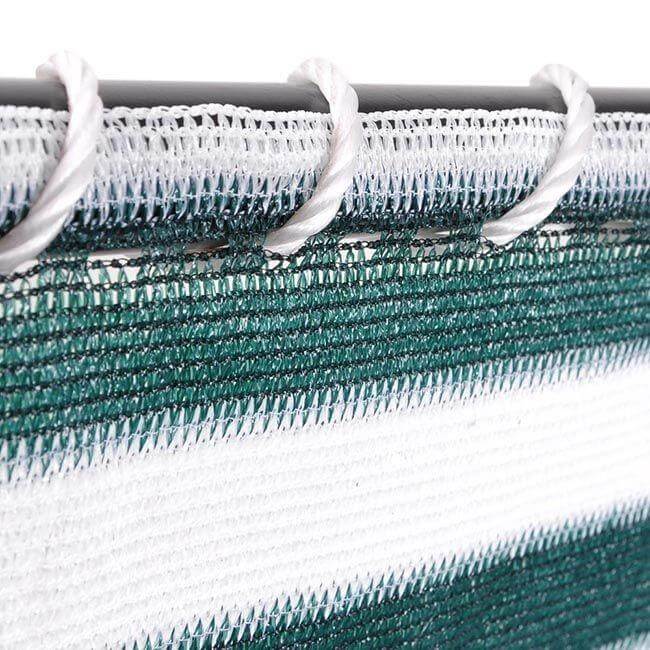
Windy Areas
Homeowners in windy regions need outdoor privacy screens that allow air to pass through. HDPE mesh works well because it resists tearing and does not block airflow.
Movable privacy screens with mesh panels can be adjusted or relocated during storms. Metal screens with perforations also perform well in strong winds. Living privacy fence options, such as hardy shrubs, can reduce wind but require time to grow.
Low Maintenance
A low-maintenance solution saves time and effort. HDPE needs only occasional cleaning with water. Vinyl and composite panels resist stains and do not require painting.
Movable privacy screens with HDPE can be stored during harsh weather, reducing wear. Living privacy fence options need regular care, so they do not fit this category.
- HDPE mesh offers the best low-maintenance solution.
- Vinyl and composite panels also require little upkeep.
Versatile Spaces
Versatile spaces need outdoor privacy screens that adapt to changing needs. Movable privacy screens allow users to create private areas for parties or relaxation. HDPE mesh panels work for both fixed and movable privacy screens. Living privacy fence options can divide gardens or patios but take time to establish. Fabric screens offer quick solutions but may not last as long.
- Movable privacy screens provide flexibility for patios and balconies.
- HDPE suits many layouts and can be used in both permanent and temporary installations.
Why HDPE Stands Out
Unique Benefits of HDPE
HDPE offers several advantages that make it a top choice for outdoor privacy screens. This material uses high-density polyethylene, which gives it strength and flexibility.
HDPE resists UV rays, so it does not fade or become brittle in the sun. The mesh structure allows air to flow through, which helps prevent wind damage and keeps outdoor spaces comfortable.
HDPE comes in many colors and sizes. This variety allows homeowners to match their privacy screens to their outdoor décor. The lightweight nature of HDPE makes installation easy. People can use it for both permanent and temporary privacy solutions.
HDPE vs. Other Materials
When comparing HDPE to other privacy screen materials, several differences stand out. The table below highlights key features:
| Feature | HDPE Mesh | Metal | Vinyl | Composite | Bamboo | Fabric | Living Screen | ACM |
|---|---|---|---|---|---|---|---|---|
| UV Resistance | Excellent | Good | Good | Excellent | Poor | Poor | Varies | Excellent |
| Airflow | High | Low/Medium | Low | Low | Medium | High | Medium | Low |
| Maintenance | Very Low | Medium/High | Low | Low | High | High | High | Very Low |
| Installation | Easy | Moderate | Moderate | Moderate | Easy | Easy | Difficult | Moderate |
| Style Options | Many | Some | Some | Some | Few | Many | Few | Some |
| Eco-Friendliness | Recyclable | Recyclable | Recyclable | Recycled | Renewable | Varies | Natural | Recyclable |
HDPE stands out for its combination of UV resistance, airflow, and low maintenance. Metal panels provide strength but may rust and block airflow.
Agrishade: Quality HDPE Mesh Screens
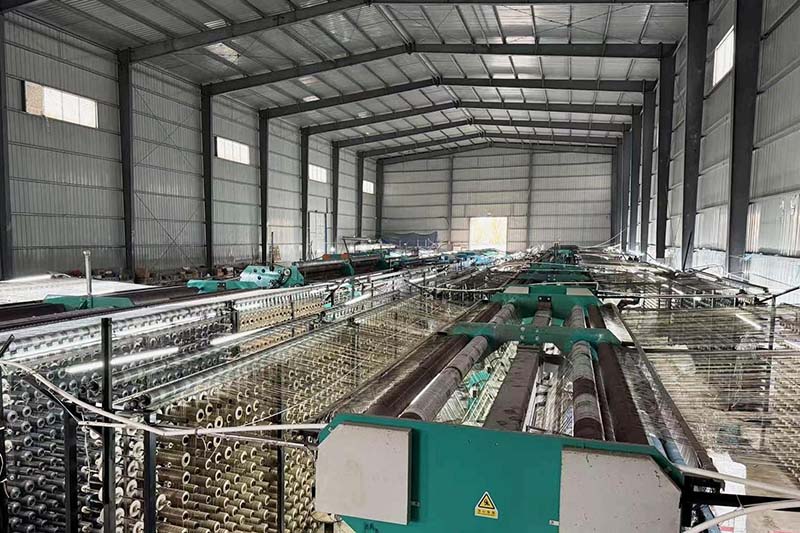
Agrishade produces high-quality HDPE screens for outdoor privacy. The company uses advanced manufacturing techniques to create mesh that resists fading, tearing, and mildew.
Agrishade offers a range of colors and sizes, so homeowners can find the right fit for their space.
People trust Agrishade for reliable products and expert advice. The company focuses on quality control and customer satisfaction.
Agrishade’s HDPE mesh screens work well for backyards, patios, pools, and commercial spaces.
Conclusion
Outdoor privacy screens come in many materials, such as metal, vinyl, composite, bamboo, and HDPE mesh. HDPE mesh stands out for its durability, low maintenance, and modern style.
Homeowners should think about climate, budget, and appearance before choosing a material. Each yard has unique needs. For expert advice and quality HDPE mesh screens, readers can contact Agrishade.