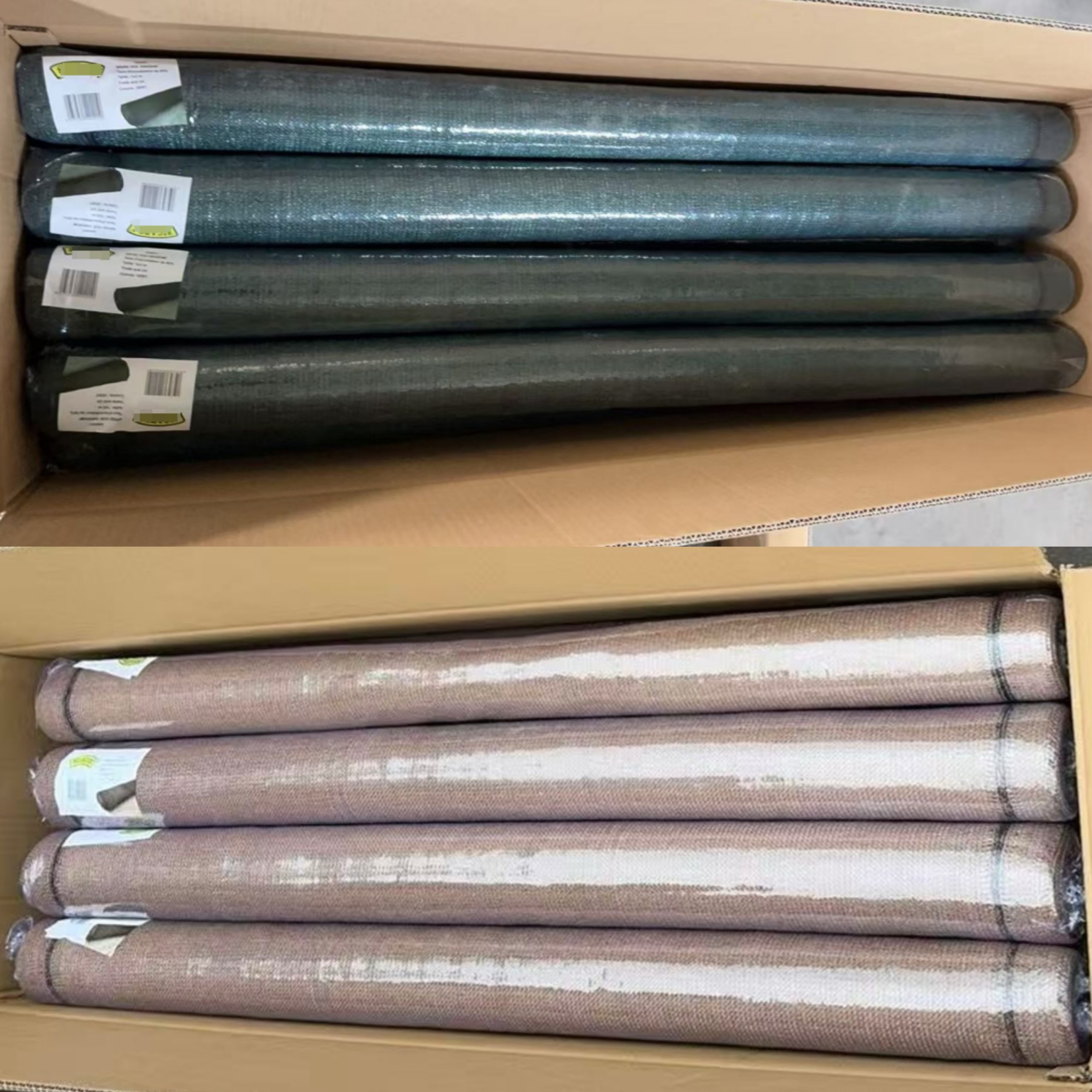
Buying shade nets in bulk is a significant investment for any wholesale buyer. Whether you’re supplying agricultural operations, nurseries, or commercial landscaping projects, getting the specifications right from the start can save you thousands of dollars and prevent operational headaches down the line.
The wrong shade percentage can damage crops. Poor-quality materials can fail within months instead of years. And unclear supplier terms can lead to delivery delays that disrupt your entire supply chain. That’s why asking the right questions before placing your order isn’t just smart—it’s essential.
1. What Shade Percentage Do I Need?
Shade percentage determines how much sunlight passes through the net, and choosing the wrong level can seriously impact your customers’ results.
Different applications require different shading levels. Delicate seedlings and shade-loving plants like lettuce or ferns typically need 70-90% shade, while hardier crops like tomatoes or peppers perform better with 30-50% shade. Greenhouse operations might need 40-60% shade depending on the season and climate.
The right shade percentage directly affects plant health, growth rates, and yield. Too much shade can slow photosynthesis and weaken plants. Too little leaves them vulnerable to heat stress and sunburn. As a wholesale buyer, understanding your customers’ specific needs helps you stock the right inventory and position yourself as a knowledgeable supplier.
2. What Material Is the Net Made From?
The material composition determines durability, UV resistance, and overall performance in different climates.
Most quality shade nets are made from high-density polyethylene (HDPE) with UV stabilizers. HDPE offers excellent strength-to-weight ratio and resists degradation from sun exposure. Some manufacturers use virgin HDPE, while others incorporate recycled materials—this affects both price and longevity.
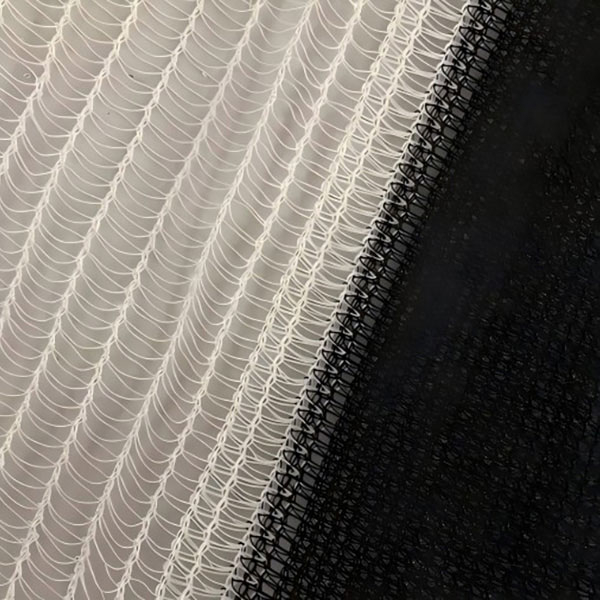
Monofilament nets feature a single-strand weave that’s lighter and allows better air circulation, ideal for greenhouses. Tape or flat-weave nets use wider strands that provide more solid shade coverage, better for outdoor applications where wind protection matters.
UV stabilization is critical. Nets without proper UV additives can degrade within 1-2 years, while UV-stabilized HDPE nets typically last 5-10 years or more. Always verify the UV stabilizer percentage—quality nets contain 1.5-3% UV additives.
3. How Long Will the Shade Net Last?
Lifespan directly impacts your total cost of ownership and customer satisfaction.
A shade net’s durability depends on several factors: material quality, UV protection, installation method, climate conditions, and maintenance. In harsh sun-exposed environments, a low-quality net might fail in 18-24 months. A premium UV-stabilized net in the same conditions could last 8-10 years.
For wholesale buyers, durability matters because it affects your reputation and repeat business. Customers who experience premature failures won’t return. Understanding expected lifespan helps you price appropriately and set realistic expectations. Ask suppliers for warranty terms and real-world performance data from similar climates.
4. What Sizes and Roll Lengths Are Available?
Standard dimensions and custom sizing options affect installation efficiency and material waste.
Common roll widths range from 2 to 12 meters, with lengths typically available in 50 or 100-meter rolls. Some suppliers offer custom cutting to specific dimensions, which can significantly reduce waste for projects with non-standard requirements.
Proper sizing matters because it affects installation labor costs and material efficiency. Buying oversized nets means paying for material you’ll trim away. Undersized nets require more seaming, creating weak points and increasing installation time. For wholesale operations, understanding your customers’ typical project sizes helps you stock the most useful dimensions.
5. Can I Request Custom Options?
Customization capabilities separate basic suppliers from true manufacturing partners.
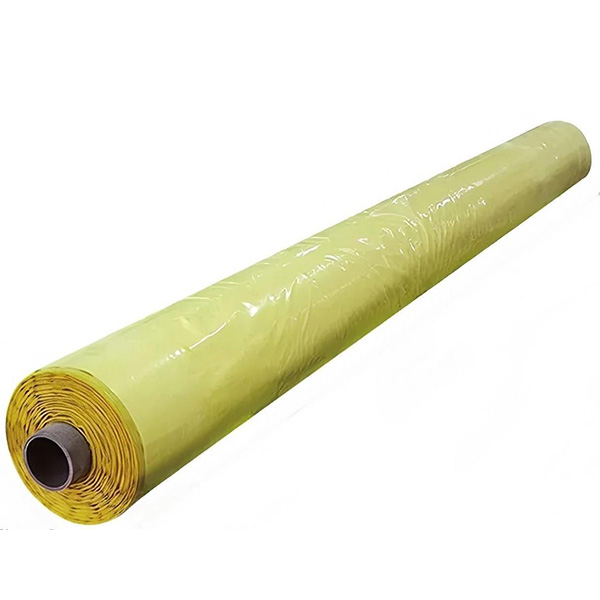
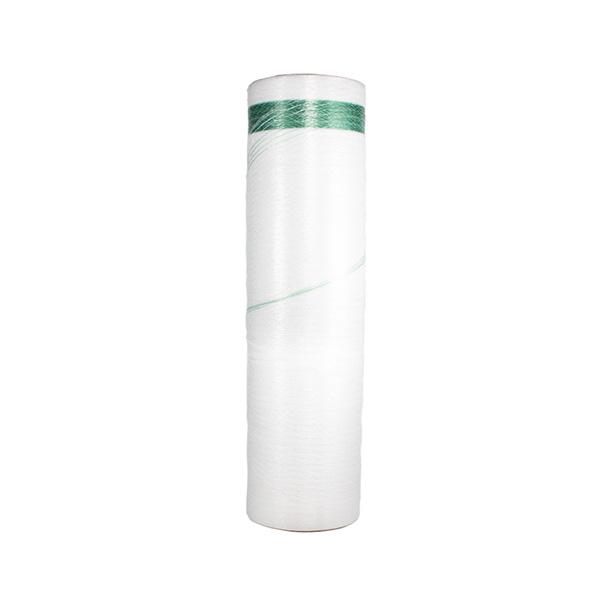
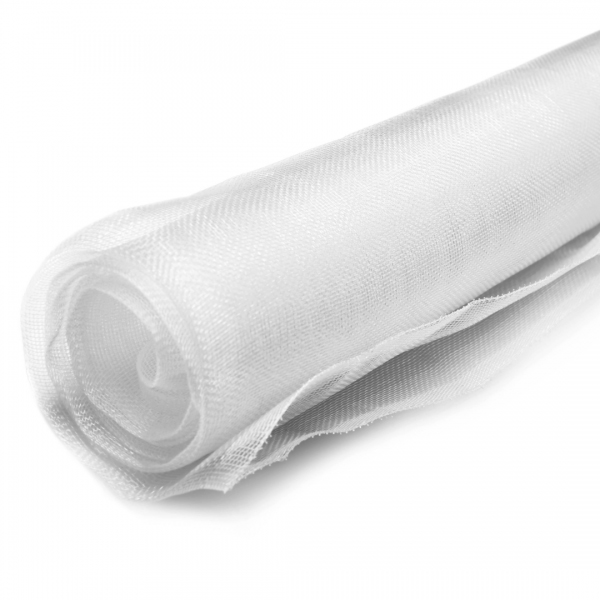
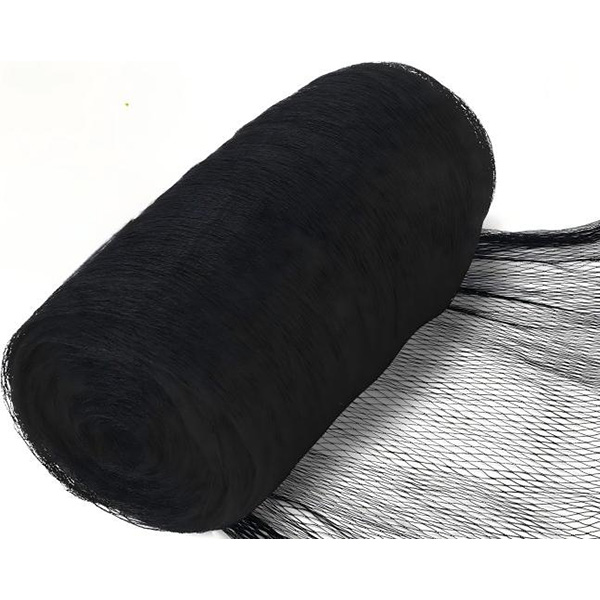
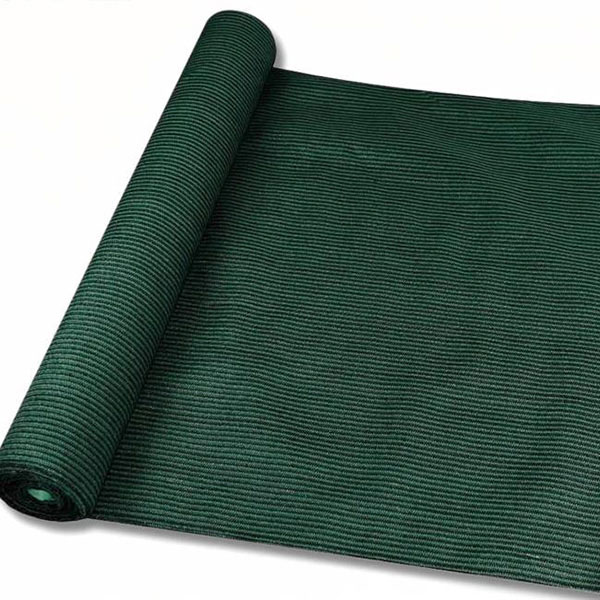
Beyond standard sizes and shade percentages, many manufacturers offer custom colors (green, black, white, beige, or even branded colors), reinforced edges with binding tape, grommets or eyelets at specified intervals, and custom packaging with your branding.
For wholesale buyers serving specific markets, customization creates competitive advantages. Agricultural suppliers might need specific colors that blend with farm environments. Retail-focused buyers might want branded packaging. Custom grommets spacing can simplify installation for your customers. Understanding a supplier’s customization capabilities and minimum quantities for custom orders helps you differentiate your offering.
6. Can I Get a Sample First?
Physical samples are your best defense against quality surprises in bulk orders.
A sample lets you verify material thickness, weave quality, actual shade percentage, color accuracy, and edge finishing. You can test how the material feels, how it handles, and whether it meets your quality standards before committing to thousands of dollars in inventory.
Most reputable suppliers provide samples for free or at minimal cost. If a supplier refuses to send samples or charges excessive fees, consider it a red flag. Testing samples in your customers’ actual conditions—even for a few weeks—can reveal performance characteristics that specifications alone won’t show.
7. What Certifications or Test Reports Are Available?
Documentation provides objective proof of quality claims and builds buyer confidence.
Look for UV resistance test reports, tensile strength certifications, shade percentage verification, and quality management certifications like ISO 9001. Some markets require specific agricultural or safety certifications.
Certifications matter because they provide independent verification of supplier claims. A manufacturer might claim 80% shade coverage, but a certified test report proves it. For wholesale buyers, having documentation available helps you answer customer questions confidently and can be crucial for customers who need to meet regulatory requirements or qualify for agricultural subsidies.
8. What Is the Minimum Order Quantity and Price Structure?
Understanding MOQ and pricing tiers helps you calculate true costs and negotiate effectively.
Minimum order quantities vary widely—from a few hundred meters for stock items to full container loads for custom orders. Pricing typically follows volume tiers: the more you order, the lower your per-unit cost.
Smart wholesale buyers look beyond the unit price to calculate landed cost, including shipping, duties, and handling. A slightly higher unit price from a domestic supplier might actually cost less than importing when you factor in freight, customs, and lead time. Ask for detailed pricing at multiple volume levels and clarify whether prices include shipping, duties, or other fees.
9. What Are the Lead Time and Shipping Terms?
Production schedules and logistics planning can make or break your inventory management.
Lead times vary based on whether you’re ordering stock items (typically 1-2 weeks) or custom products (4-8 weeks or more). International orders add shipping time—ocean freight takes 4-6 weeks, air freight 1-2 weeks but costs significantly more.
Understanding shipping terms (FOB, CIF, DDP) determines who pays for freight and insurance and when ownership transfers. For wholesale buyers, accurate lead time information is critical for inventory planning, especially if you’re serving seasonal markets. Late deliveries can mean missed sales opportunities or disappointed customers.
10. What Support Does the Supplier Offer After Purchase?
Long-term supplier relationships depend on how they handle problems, not just how they make sales.
Ask about warranty terms, defect claim procedures, replacement policies, and technical support availability. A supplier who stands behind their product with clear warranty terms and responsive support is worth more than one offering slightly lower prices but disappearing after the sale.
For wholesale buyers, supplier reliability affects your own reputation. When a customer has an issue, you need a supplier who responds quickly and fairly. Ask for references from other wholesale buyers and check how the supplier has handled past quality issues or disputes.
Conclusion
Asking these 10 questions before placing your wholesale shade nets order protects your investment and sets you up for long-term success. The right supplier won’t just answer these questions—they’ll welcome them as signs of a serious, knowledgeable buyer.
Take time to compare multiple suppliers, request samples, and verify claims with documentation. The few hours you invest in due diligence can save you from costly mistakes and help you build a reliable supply chain that serves your customers well for years to come.
FAQ
What is the best shade percentage for wholesale buyers?
There’s no single “best” percentage—it depends on your target market. Stock 30-50% for general agriculture and vegetable crops, 50-70% for nurseries and moderate shade applications, and 70-90% for shade-loving plants and seedlings. Many successful wholesalers carry multiple percentages to serve diverse customer needs.
How do I choose a durable shade net supplier?
Look for suppliers who provide UV stabilization details (1.5-3% UV additives), offer warranties of at least 3-5 years, can provide test reports and certifications, have positive reviews from other wholesale buyers, and respond professionally to technical questions. Request samples and test them in real conditions before committing to large orders.
Can I order custom shade nets in bulk?
Yes, most manufacturers offer customization for bulk orders including custom sizes and dimensions, specific shade percentages, branded colors, reinforced edges and custom grommet spacing, and private label packaging. Custom orders typically require higher MOQs (often full container loads) and longer lead times, but they can provide significant competitive advantages for wholesale buyers serving specific markets.