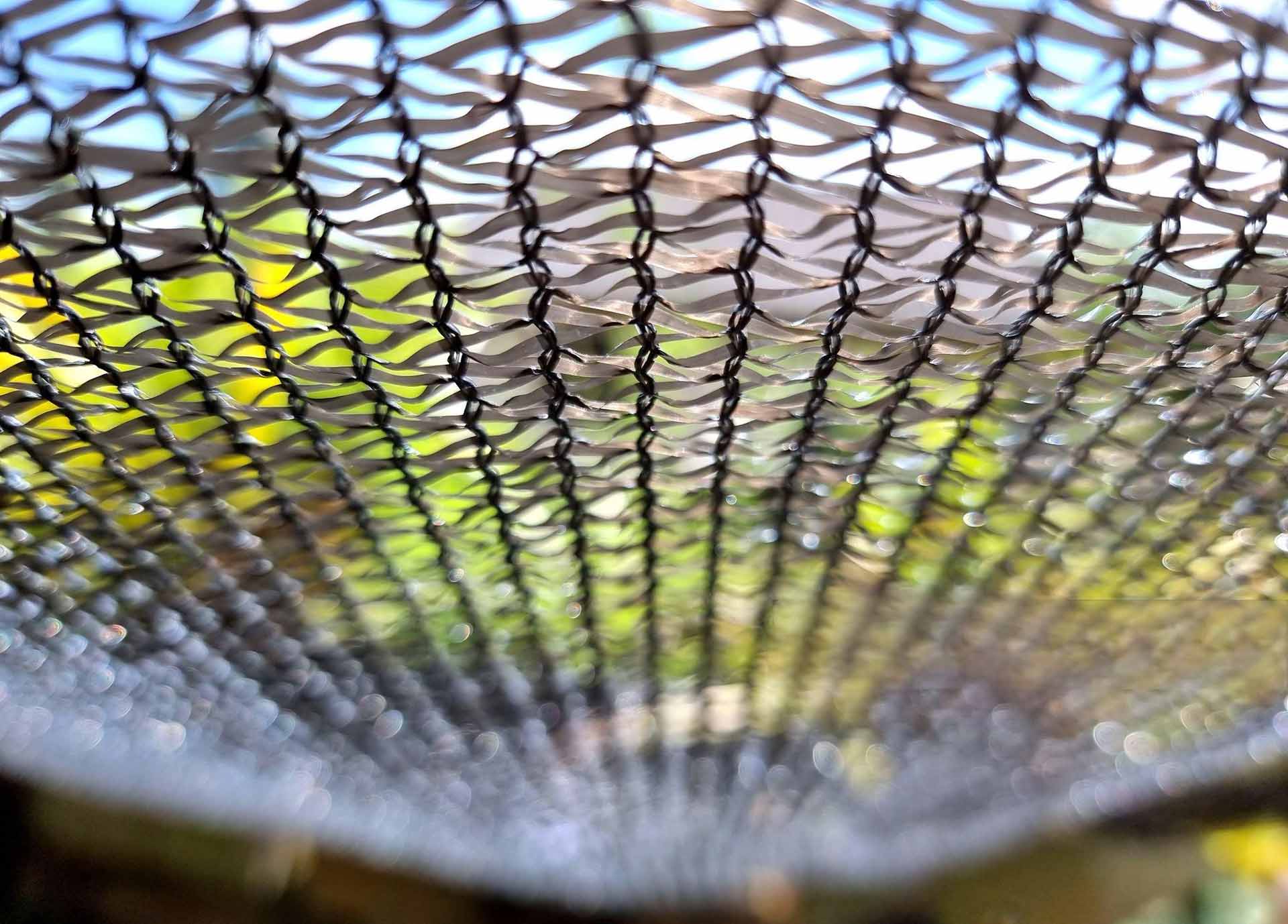
Shading percentage describes how much light a net blocks. In agriculture, this measurement plays a big role. Too much shade can limit growth, but too little shade may expose crops to harsh light and heat.
Farmers use Agriculture Nets to control light and temperature. The right shade helps keep plants healthy. Different crops need different amounts of shade. Climate and farming goals also affect the best shade level. By understanding how shade changes light, growers can improve crop success.
Shading Percentage in Agriculture Nets
What Is Shading Percentage
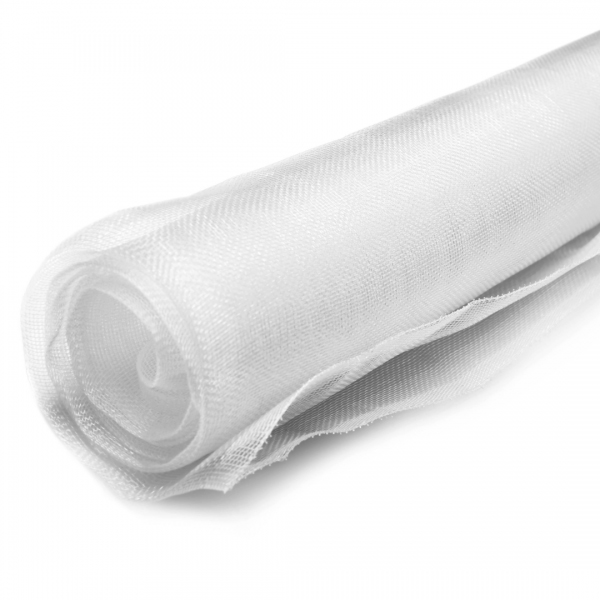
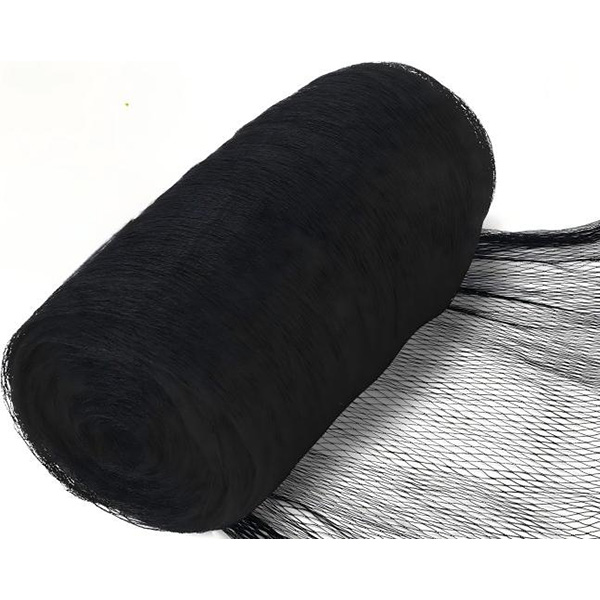
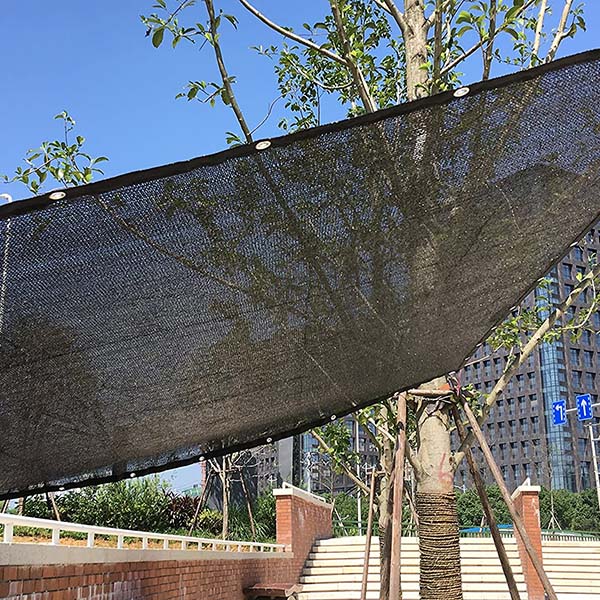
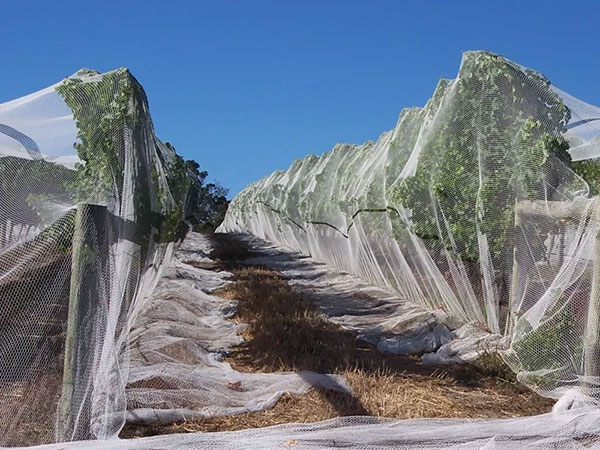
Shading percentage tells how much light a net blocks from reaching crops. Farmers use shading nets to control the amount of sunlight that passes through to their plants. The shade net acts as a filter, reducing the intensity of light and helping to manage temperature. Shade cloth comes in different shading percentages, such as 30%, 50%, 70%, or 90%.
Why Shade Specs Matter
Shade specs play a key role in agriculture. The right shading percentage affects how much light reaches the plants, which impacts photosynthesis, growth, and yield. Too much shade can slow growth and reduce yield. Too little shade can cause heat stress and leaf burn.
Shading nets help farmers find the right balance. Different crops need different amounts of light. For example, lettuce and spinach prefer more shade, while tomatoes and peppers need more sunlight. Shade netting for plants also helps protect crops from hail, wind, and pests.
Table: Effects of Different Shading Percentages on Crops
| Shading Percentage | Light Blocked | Best For | Impact on Growth and Yield |
|---|---|---|---|
| 30% | Low | Sun-loving crops | Supports strong growth |
| 50% | Moderate | Most vegetables | Balances growth and protection |
| 70% | High | Shade-loving crops | Prevents heat stress |
| 90% | Very High | Nurseries, ornamentals | Maximum protection, less growth |
How Agriculture Nets Work
Light Filtration and Crop Impact
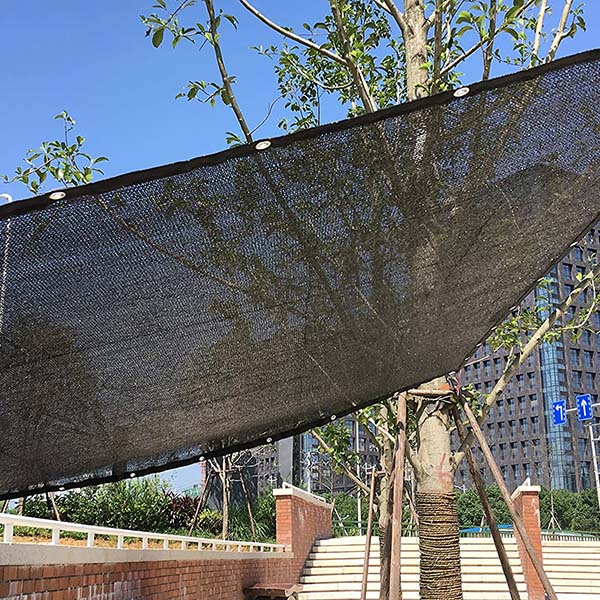
Shading nets play a vital role in agriculture by filtering light and controlling how much reaches crops. When sunlight passes through shade cloth, the net reduces the intensity and changes the quality of light. This process helps manage temperature and protects plants from excessive heat. In hot climates, a 70% shade net can prevent leaf burn and reduce water loss, which supports healthy growth and yield.
In cooler regions, a 30% shade net allows more light, which boosts photosynthesis and helps crops grow faster. Greenhouse shade netting also helps regulate light for sensitive plants. The right shading percentage ensures crops receive enough photosynthetically active radiation for strong growth. Farmers use shading nets to balance light, temperature, and protection, which leads to better crop production.
Net Density and Sunlight Control
The density of a shade net determines how much light it blocks. A higher density shade cloth, such as 90%, provides maximum protection for nurseries and ornamentals. This level of shading reduces light transmission and keeps temperatures lower inside a greenhouse.
For vegetables, a 50% shade net offers a balance between light and protection, supporting both growth and yield. In tropical agriculture, shading nets with 60% density help shield crops from intense sunlight while still allowing enough photosynthetically active radiation for healthy development. Farmers must match the density and shading percentage to the crop and climate. Shade netting for plants gives growers control over light and helps prevent stress from extreme weather.
Material and Mesh Size Factors
While shading percentage is the main factor, the material and mesh size of shade cloth also matter. Most shading nets use HDPE, which offers durability and UV resistance. LDPE is softer but less common for agriculture nets.
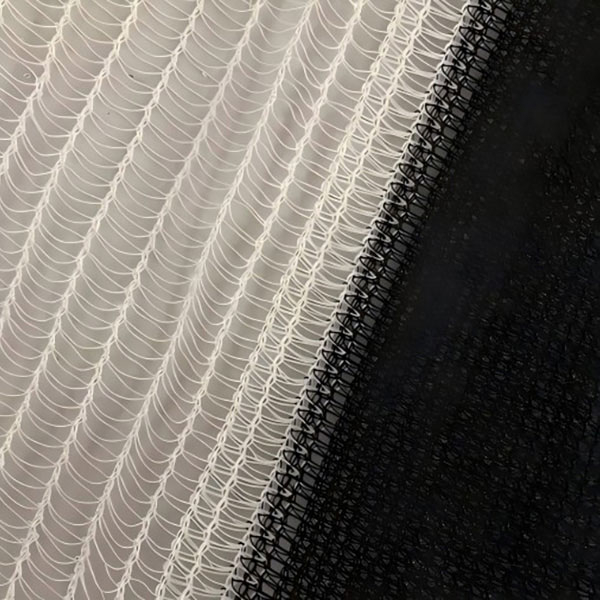
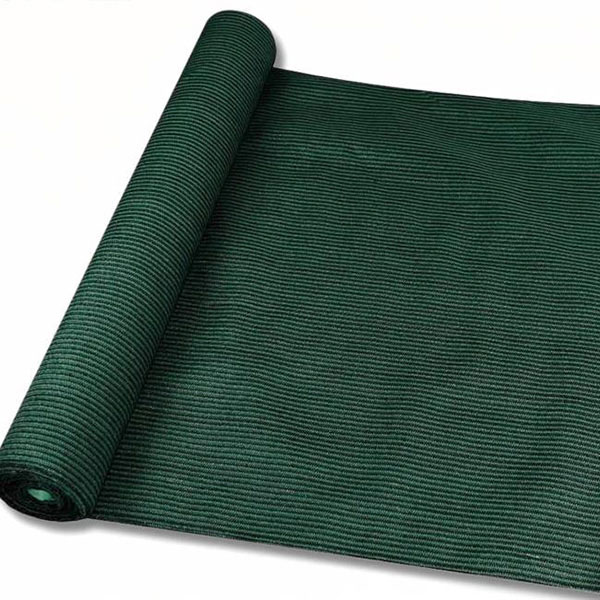
Mesh size affects how much light and air pass through the net. A smaller mesh size increases shading and protection but may reduce airflow. Colored shading nets, such as green or black, can change shading net color and affect how light spreads. These factors influence light transmission and photosynthetically active radiation, but the percentage of shade remains the most important detail for crop growth and yield. Farmers should consider material and mesh size as secondary factors when choosing shade cloth for their greenhouse or field.
Choosing Agriculture Nets for Crops
Factors for Selecting Shade Percentage
Farmers must consider several factors when selecting the right agriculture nets for their crops. The main goal is to balance light, temperature, and protection to support healthy growth and yield. Shade cloth comes in different shading percentages, each designed to block a specific amount of light. The choice depends on the type of crop, its stage of growth, and the local climate. Some crops need more light for photosynthesis, while others require more shading to prevent heat stress.
The right shade net helps manage photosynthetically active radiation, which is the light plants use for growth. Farmers also look at the level of protection needed from wind, pests, and extreme weather. Greenhouse shade netting can provide extra control over light and temperature, especially for sensitive crops. The density of the shade net, its color, and the mesh size can also affect light transmission and shading, but the shading percentage remains the most important factor.
Matching Shade to Crop Needs
Different crops require different levels of shade for optimal growth. Sun-loving crops, such as tomatoes and peppers, thrive with more light and less shading. These crops often do well under a 30% shade net, which allows most light to pass through. Leafy greens, like lettuce and spinach, prefer more shading to avoid heat stress and leaf burn. A 50% shade cloth works well for these crops, balancing light and protection.
Shade-loving plants, such as ferns and some ornamentals, need even more shading. A 70% shade net provides the right environment for these crops by reducing light intensity and keeping temperatures lower. Nurseries and young seedlings benefit from maximum shading, often using 90% shade cloth to protect delicate plants from harsh sunlight. The right shade netting for plants ensures each crop receives the correct amount of photosynthetically active radiation for strong growth and high yield.
Table: Typical Shade Cloth Percentages and Crop Uses
| Shade Cloth Percentage | Best For | Light Level | Crop Examples |
|---|---|---|---|
| 30% | Sun-loving crops | High | Tomatoes, peppers, melons |
| 50% | Most vegetables, leafy greens | Moderate | Lettuce, spinach, cabbage |
| 70% | Shade-loving crops, ornamentals | Low | Ferns, orchids, nursery stock |
| 90% | Seedlings, nurseries, protection | Very Low | Young plants, ornamentals |
Farmers should also consider the growth stage of their crops. Young plants often need more shading for protection, while mature crops may require less shade to maximize photosynthesis and yield. Colored shading nets, such as green or black, can change shading net color and affect how light spreads. These nets may also influence crop production by changing the quality of light and the amount of photosynthetically active radiation that reaches the plants.
Common Shade Percentage Specs
30-50% Shade for Partial Sun
Farmers often use shade cloth with a 30-50% shade level for crops that need plenty of light but still require some protection. This range allows most light to reach the plants, which supports strong growth and high yield. Sun-loving crops such as tomatoes, peppers, and melons benefit from this shading.
The shade net lets enough photosynthetically active radiation pass through for healthy photosynthesis. In cooler climates, this shading percentage helps maintain warmth inside the greenhouse. Many growers choose this shade netting for greenhouses to balance light and temperature. The shade net also reduces wind and pest damage, which improves crop production.
60-70% Shade for Moderate Protection
Shade cloth with 60-70% shade offers moderate protection for crops that need less intense light. Leafy greens, lettuce, and spinach thrive under this shading. The shade net blocks more light, which helps prevent heat stress and leaf burn. This level of shading is common in hot climates where too much sunlight can harm plants.
The shade net for greenhouse use in these regions keeps temperatures lower and reduces water loss. Farmers often use colored shading nets in this range to adjust light quality. The right shade netting for plants ensures enough photosynthetically active radiation for steady growth and yield. This shading also protects crops from sudden weather changes.
80-90% Shade for Maximum Coverage
Shade cloth with 80-90% shade provides maximum coverage and protection. Nurseries, ornamentals, and young seedlings often need this level of shading.
The shade net blocks most light, which shields delicate plants from harsh sunlight. This shading percentage is ideal for areas with extreme heat or for crops that require low light. Greenhouse shade netting at this level helps control temperature and humidity. Farmers use this shading to protect the yield of strawberries and other sensitive crops. The high shade level reduces transmittance and keeps the environment stable for plant growth. Farming shade nets in this range support healthy development and strong yield.
Conclusion
Understanding shading percentage in agriculture helps farmers make smart choices for shade, light, and protection. They should always check the percentage on shade cloth before using it in a greenhouse or field. Shading nets give control over light and temperature, which supports healthy growth and yield.
Farmers need to match shade net, shade netting for plants, and colored shading nets to each crop and climate. Regularly checking shade cloth, transmittance, and light transmission keeps protection strong. The right shade net and shading help photosynthesis, improve yield, and boost growth and yield for every crop.