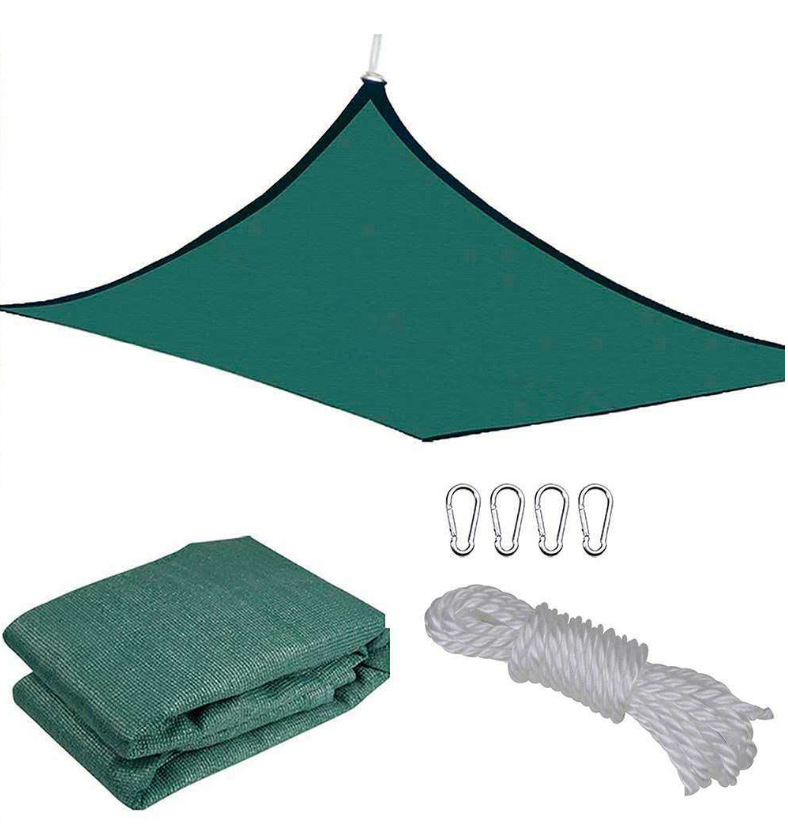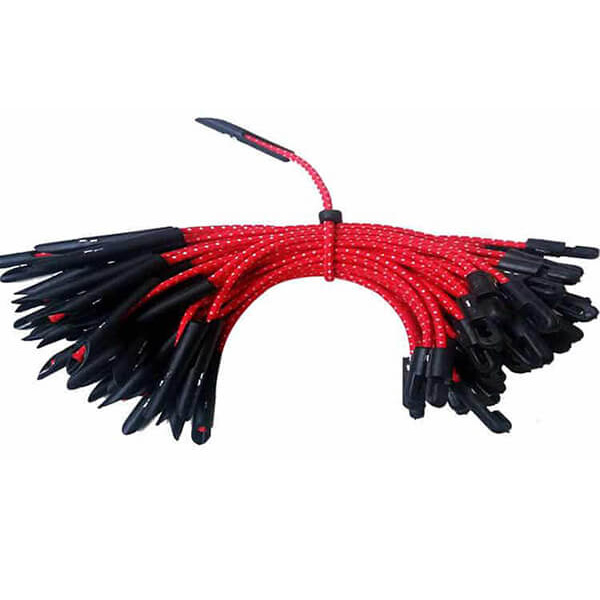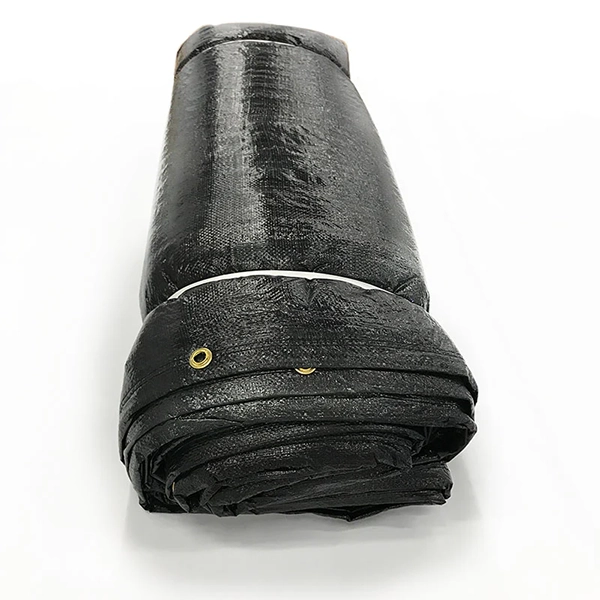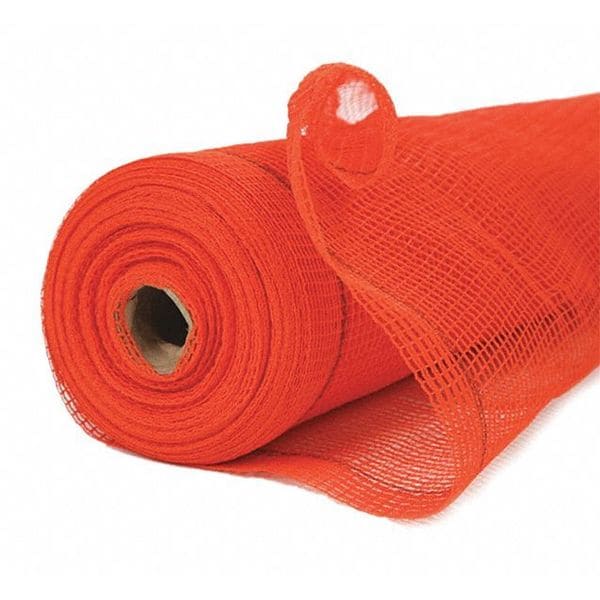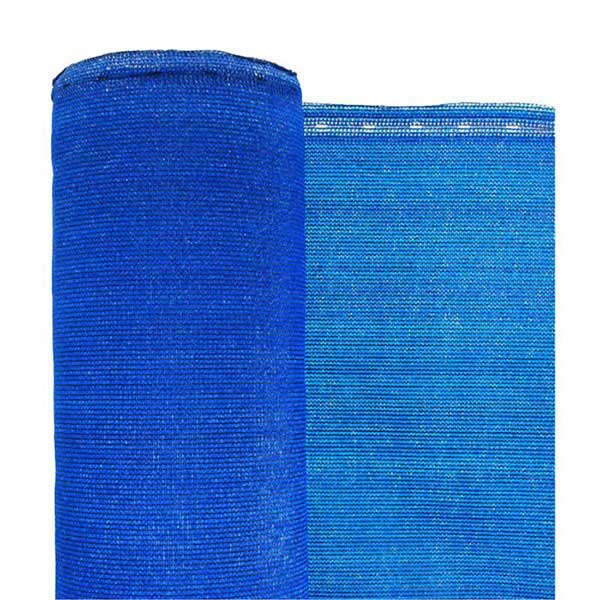
 Construction sites face many hazards every day. Building Debris Netting serves as a strong barrier that stops falling materials from leaving the work area.
This netting protects workers, the public, and nearby property. It keeps the site cleaner and helps teams follow safety rules. Using debris netting can also lower costs and reduce harm to the environment.
Building Debris Netting and Site Safety
Worker Protection from Falling Debris
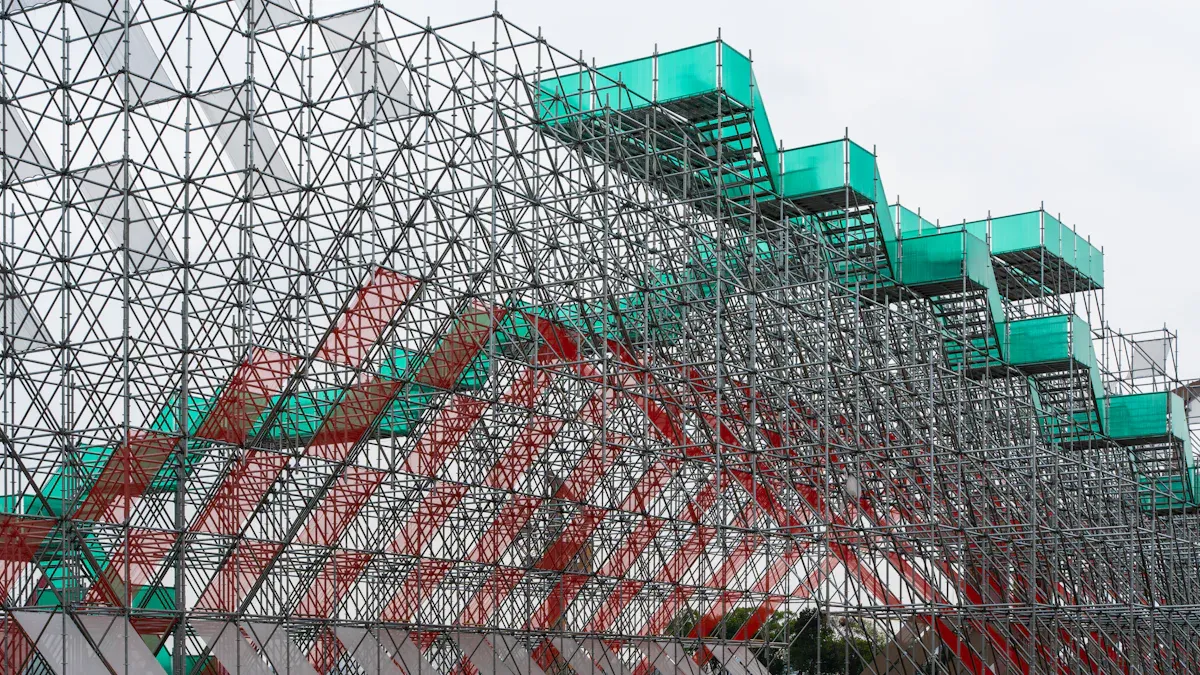
Building Debris Netting acts as a second skin around construction sites. It catches tools, materials, and other objects that fall from heights. Workers often move above ground level, which increases the risk of dropped items.
When netting surrounds a work area, it forms a barrier that stops these objects before they reach people below. This safety measure reduces injuries and helps workers feel more secure.
Many accidents on construction sites happen because of falling debris. Netting lowers the number of these incidents.
Workers can focus on their tasks without worrying about unexpected hazards from above. The netting also helps supervisors meet safety goals and keep teams productive.
Safety experts recommend using netting as a standard practice on multi-story projects. This advice comes from years of research on construction site accidents.
Pedestrian and Public Safety
Construction often takes place near busy sidewalks and streets. Building Debris Netting protects not only workers but also pedestrians and the public. The netting forms a shield that keeps debris from leaving the site and causing harm outside the work zone.
People walking near a construction site face risks from falling objects. Netting reduces these dangers by catching debris before it can reach the ground. This protection builds trust with the community and shows that the construction team values public safety.
- Key benefits for public safety include:
- Fewer accidents involving passersby
- Less disruption to nearby businesses and traffic
- A cleaner, safer environment around the site
Building Debris Netting plays a vital role in reducing accidents and improving safety for everyone near a construction project.
Property Protection
Shielding Nearby Structures
Construction sites often sit close to existing buildings, homes, or businesses. Heavy equipment and materials move around these areas every day.
When workers use Building Debris Netting, they create a barrier that shields nearby structures from falling objects. This netting catches bricks, tools, and scraps before they can strike windows, roofs, or walls.
Property owners worry about damage during construction. Netting helps revent broken glass, dents, and other costly repairs. It also keeps dust and small debris from settling on cars or landscaping.
Teams who install netting show respect for the surrounding community. They help maintain good relationships with neighbors and reduce complaints.
Tip: Construction managers should inspect netting regularly to ensure it covers all exposed areas and remains secure throughout the project.
Reducing Liability Risks
Accidents can lead to expensive lawsuits and insurance claims. When debris escapes a work zone and damages property, the construction company may face legal action.
Building Debris Netting lowers these risks by acting as a safety measure that protects both people and property.
Companies that use netting often see fewer incidents and claims. Insurance providers may offer better rates to sites with strong safety practices. Workers also feel more confident when they know the site has taken steps to prevent accidents. This sense of security can improve morale and productivity.
Benefits of reducing liability risks include:
- Fewer property damage claims
- Lower insurance costs
- Improved reputation with clients and the public
- Less time spent handling disputes
A well-protected site keeps everyone safer and helps construction teams focus on their work. Building Debris Netting stands out as a simple solution that delivers strong results for property protection.
Site Cleanliness & Order
Containing Debris and Materials
Construction sites generate a large amount of debris every day. Workers often handle wood, metal, and packaging that can scatter across the site.
Netting helps contain these materials within the work area. This barrier prevents debris from blowing into streets, sidewalks, or neighboring properties. Teams can keep the site organized and reduce the risk of accidents caused by loose materials.
Note: A clean site improves safety and helps workers find tools and supplies faster.
Netting also stops lightweight items, such as plastic wrap or insulation, from drifting away. This control keeps the environment around the site cleaner.
Neighbors and city officials notice when a construction team maintains order. Good housekeeping practices reflect well on the company and the project.
Streamlining Cleanup
Cleanup becomes easier when debris stays inside the work zone. Workers spend less time chasing after scattered materials.
They can collect waste quickly at the end of each shift. This efficiency saves time and reduces labor costs.
A tidy site also helps inspectors see that the team follows safety rules. Clean pathways allow equipment to move without obstacles. Workers can focus on their tasks instead of worrying about tripping hazards.
- Benefits of streamlined cleanup include:
- Faster end-of-day routines
- Lower risk of injuries from clutter
- Better project organization
A well-managed site supports both safety and productivity. Debri Netting plays a key role in keeping construction areas clean and orderly.
Air Quality and Dust Control Of Construction
Trapping Airborne Debris
Construction sites release dust and small particles into the air. Workers cut, drill, and move materials, which creates clouds of debris. These particles can travel far from the work zone.
Netting acts as a barrier that traps airborne debris before it escapes. The mesh design allows air to flow but stops most dust and fragments.
Many cities set limits on air pollution from construction. Teams use netting to meet these standards. The netting helps keep dust inside the site. This control protects people living or working nearby. It also keeps streets and sidewalks cleaner.
Tip: Regular checks of netting help maintain its effectiveness in trapping dust and debris.
Improving On-Site Air Quality
Dust in the air can harm workers’ health. Breathing in fine particles may cause coughing or lung problems. Netting reduces the amount of dust that stays in the air. Workers notice cleaner air and fewer breathing issues.
Cleaner air improves comfort and safety. Teams work better when they do not worry about dust. Visitors and inspectors also benefit from improved air quality. The site looks more professional and organized.
Benefits of improved air quality include:
- Healthier workers
- Fewer complaints from neighbors
- Easier compliance with local rules
- Better working conditions
A table below shows the impact of dust control on construction sites:
| Benefit | Description |
|---|---|
| Worker Health | Less dust means fewer illnesses |
| Community Satisfaction | Cleaner air for nearby residents |
| Regulatory Compliance | Easier to meet air quality rules |
| Site Appearance | Less visible dust and debris |
Effective dust control supports safety and community trust. Netting stands out as a simple way to improve air quality on construction sites.
Compliance with Safety Regulations
Meeting Legal Standards
Construction sites must follow strict safety rules set by local and federal agencies. These rules help protect workers, the public, and property.
Building Debris Netting supports teams in meeting these legal standards. Inspectors look for safety barriers that prevent debris from leaving the work zone. Netting acts as a visible sign that the site takes safety seriously.
Many cities require netting on multi-story projects. Teams install netting to show compliance with building codes and safety laws.
Inspectors check for secure netting during site visits. When they see proper netting, they mark the site as safe. This approval helps projects move forward without delays.
Tip: Teams should review safety codes before starting a project. This step ensures that netting meets all legal requirements.
Avoiding Fines and Delays
Failure to follow safety regulations can lead to fines and project delays. Agencies may stop work if they find missing or damaged netting. These interruptions cost time and money. Building Debris Netting helps teams avoid these problems by keeping the site in line with safety rules.
A table below shows how netting helps prevent common issues:
| Issue | How Netting Helps |
|---|---|
| Fines | Meets safety standards |
| Work stoppages | Passes inspections |
| Legal disputes | Reduces accidents |
Teams that use netting finish projects faster and avoid costly penalties. They build trust with inspectors and clients. Netting also helps maintain a good reputation in the construction industry.
Safety compliance protects everyone and keeps projects on schedule.
Conclusion
Building debris netting offers strong protection for workers, the public, and nearby property.
It helps construction teams meet safety rules, keeps sites clean, and improves air quality. Many projects see fewer accidents and lower costs.
Construction professionals should use debris netting on both new and ongoing sites to boost safety and meet regulations.
- Safer work zones
- Cleaner environments
- Better compliance