Key Considerations for Backyard Nets
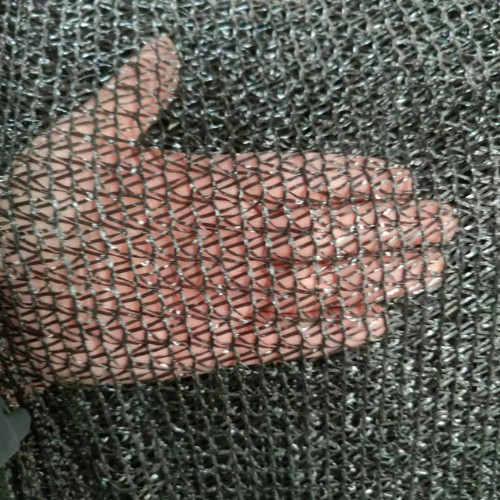
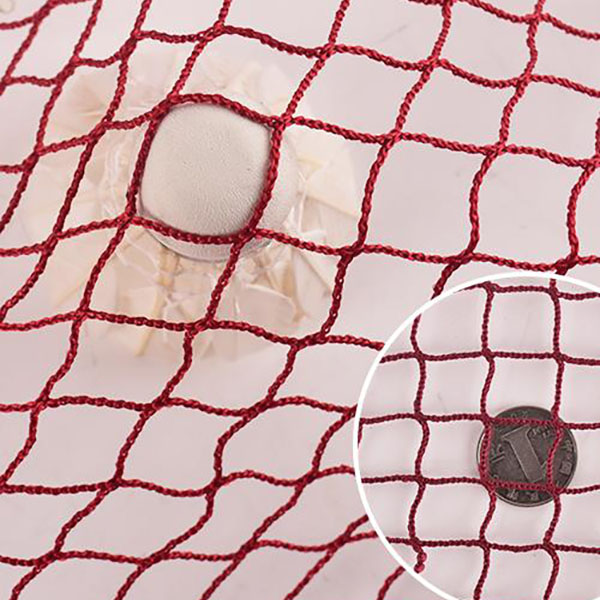
1. Material Quality: The durability of your backyard net depends heavily on the material it’s made from. Opt for high-quality, weather-resistant materials such as nylon or polyethylene. These materials offer superior strength and can withstand harsh weather conditions, including UV rays, rain, and wind. This ensures that your net lasts longer without deteriorating.
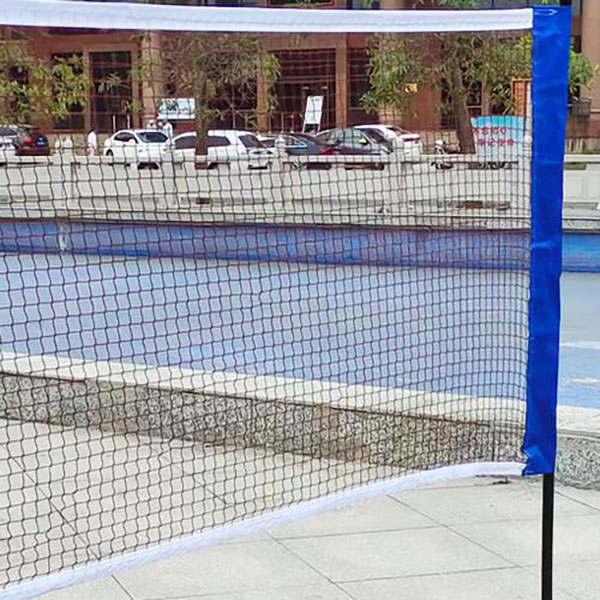
2. Size and Coverage: Measure your space carefully to determine the appropriate size of the net. Whether you’re setting up for a sports game or creating a protective barrier around a garden or pool, ensure that the net provides sufficient coverage to meet your needs. Larger nets are ideal for activities like baseball or soccer, while smaller nets work best for smaller spaces.
3. Installation and Support: A secure installation is crucial for the net’s stability. Ensure that it’s mounted on a solid frame or support structure. The net should be taut, with no sagging, to maintain its function during use. Consider adjustable options to modify the tension or positioning based on your needs.
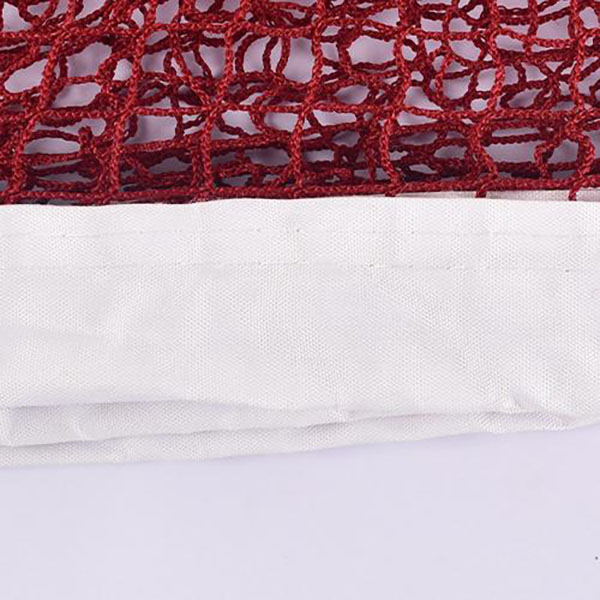
4. Safety Features: If using the net for sports or around children, safety is a top priority. Choose nets with smooth edges, reinforced stitching, and secure anchoring points to prevent accidents or injuries.
5. Maintenance: Regular maintenance will keep your backyard net in top condition. Clean it periodically, check for wear and tear, and make repairs as needed to ensure long-lasting performance.
Storage Solutions for Backyard Sports Netting
1. Fold and Roll: When you’re not using the backyard net, always fold or roll it neatly. This prevents it from tangling or getting damaged by rough handling. Be sure to fold it along the natural seams to avoid stress on the fibers. Rolling is often the best option for nets made of nylon or polyethylene, as it minimizes creases and reduces the risk of tears.
2. Store in a Dry Place: Moisture can lead to mold and mildew, which can significantly reduce the lifespan of your net. Store your net in a cool, dry place, preferably indoors or in a sheltered shed. Avoid leaving it out in direct sunlight for prolonged periods, as UV rays can weaken the material over time.
3. Use a Storage Bag or Case: Invest in a storage bag or case designed specifically for nets. These bags provide extra protection from dust, dirt, and moisture, and they keep your net compact for easy storage. A mesh bag is ideal for air circulation, preventing the buildup of moisture that can cause deterioration.