



What is an Anti Drone Net?
An anti drone net is a physical barrier designed to capture or block drones from entering restricted airspace. Unlike electronic countermeasures that jam signals or interfere with drone navigation, anti drone nets rely on mechanical interception. They provide a controlled method to neutralize unauthorized drones without causing collateral damage to property or people.
Typically, anti drone nets are deployed as standalone systems or integrated into larger security frameworks. They can be installed at facility perimeters, over open-air storage areas, or around critical installations where drone access is prohibited.
Composition and Design of Anti Drone Nets
Anti drone nets are engineered for both durability and effectiveness. Key components include:
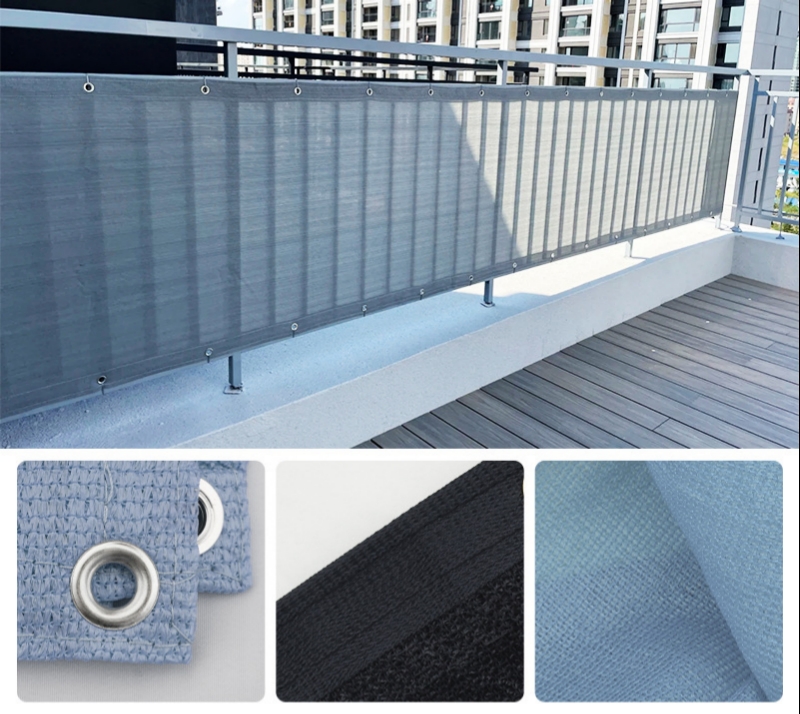
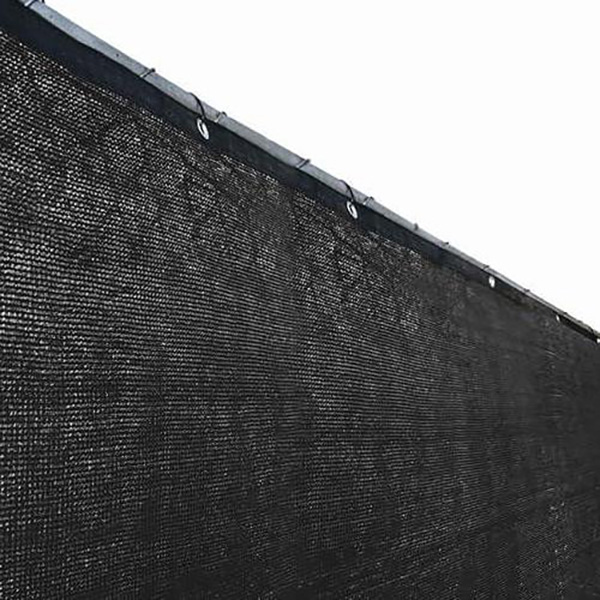
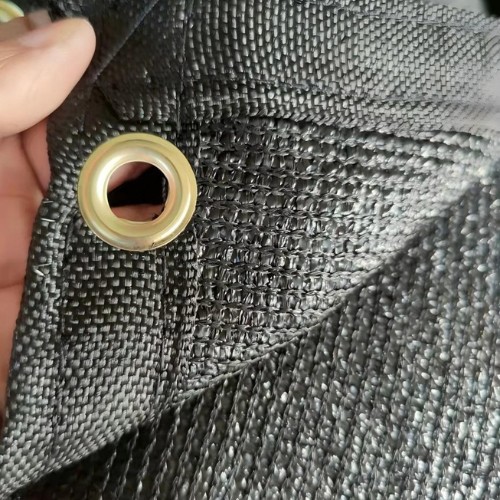
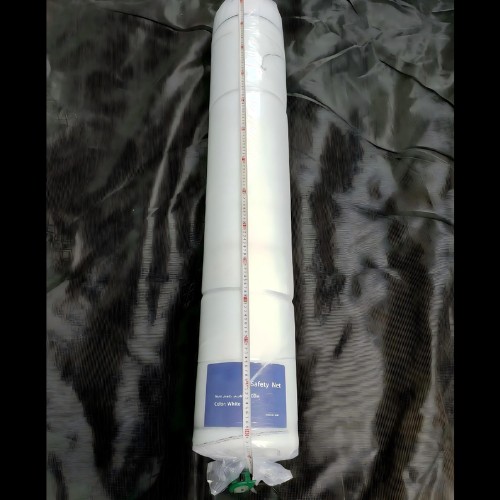
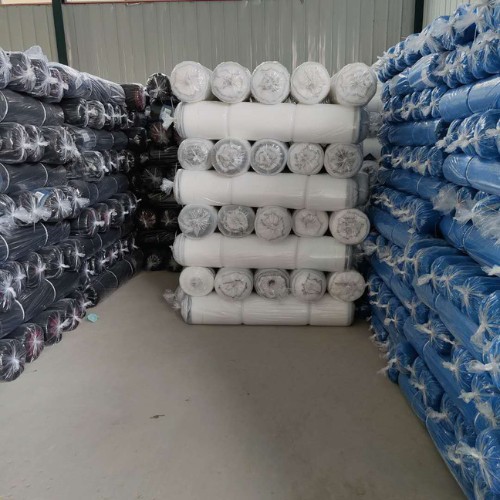
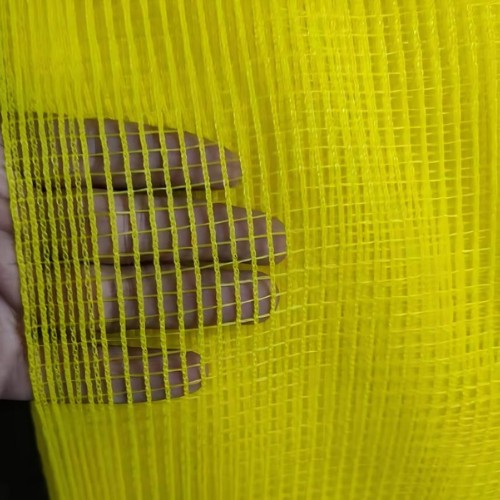
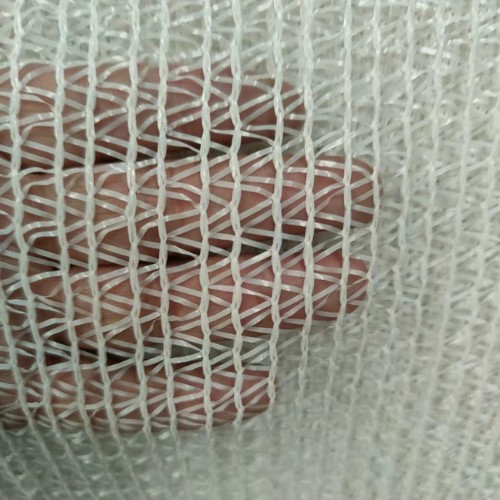
- High-Strength Netting: Constructed from polyethylene, the netting is lightweight but strong enough to withstand drone propeller impacts. Net mesh size is optimized to catch drones while minimizing the risk of entanglement with non-threat objects.
- Support Structures: Poles, frames, or retractable rails hold the net in position. These supports can be permanent installations or mobile systems for flexible deployment.
- Capture Mechanism (Optional): Some nets include weighted or tethered projectiles that entangle the drone more effectively, particularly for high-speed UAVs.
- Control and Release System: Advanced nets may be combined with drones or launchers that deploy nets mid-air to intercept unauthorized drones.
Design considerations balance net strength, weight, coverage area, and ease of installation. Materials must withstand weather conditions, UV exposure, and potential mechanical wear from repeated drone interceptions.
Advantages of Anti Drone Nets
Anti drone nets offer several benefits for B2B facilities concerned with security and operational continuity:
- Safety-Oriented – Physical capture reduces the likelihood of drones crashing into personnel, vehicles, or equipment.
- Non-Disruptive – Unlike signal jammers, nets do not interfere with legitimate wireless communication in the area.
- Reusable – Many nets can be reset and redeployed after capturing a drone.
- Cost-Effective – Compared to advanced electronic countermeasures, anti drone nets require lower upfront investment and limited ongoing operational costs.
- Legal Compliance – In regions with strict regulations on signal jamming, anti drone nets provide a legal method of neutralizing drones.
FAQ
Q1: Can anti drone nets capture multiple drones at once?
Yes, depending on the net size and design. Large-scale nets or multi-launch systems can neutralize multiple drones simultaneously, but smaller setups may only handle single incursions effectively.
Q2: Are anti drone nets effective against all drone types?
They are most effective against low- to mid-altitude drones. Extremely high-speed or small racing drones may evade stationary nets without dynamic capture mechanisms.
Q3: How long does it take to deploy an anti drone net?
Deployment time varies with system complexity. Portable or retractable nets can be set up in minutes, while permanent perimeter installations require several hours.
Q4: Can nets damage the captured drone?
Nets are designed to entangle rather than destroy, minimizing the risk of damaging the drone or causing hazardous debris.
Q5: Do anti drone nets require regulatory approval?
Physical capture systems generally have fewer legal restrictions than electronic jammers, but compliance with local airspace and safety regulations is recommended.