What Are Agricultural Nets
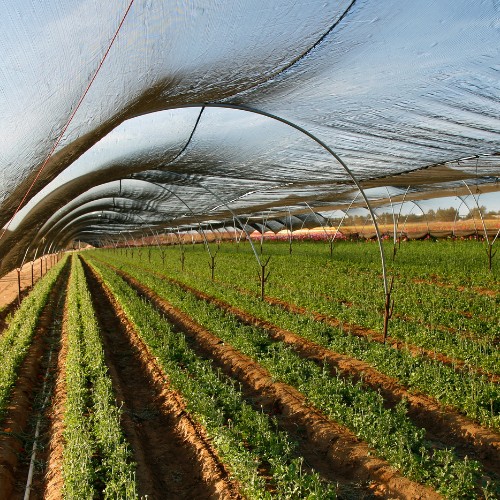
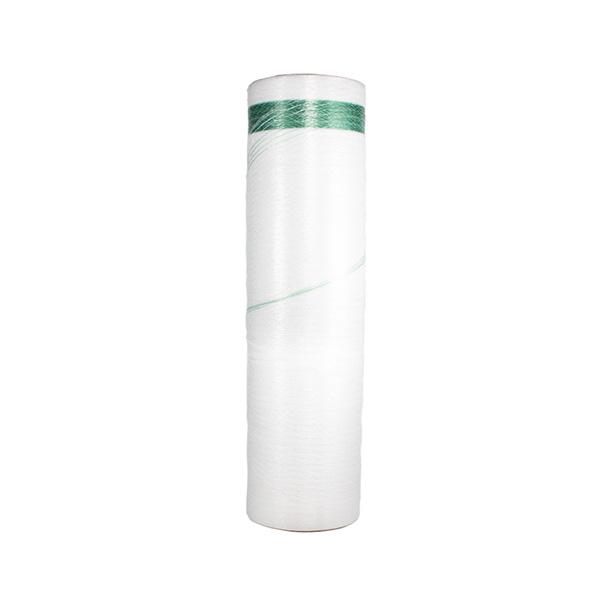
Agricultural nets are specialized fabric materials used in farming to protect crops from various environmental elements such as pests, extreme weather conditions, and overexposure to sunlight. The nets are made from high-strength materials like polyethylene, polypropylene, or other UV-resistant fabrics to ensure durability and long-lasting performance.
Agricultural nets come in different configurations, each designed to address specific challenges, such as temperature control, pest management, and protection from wind or hail. By offering a physical barrier, agricultural nets not only protect crops but also improve overall productivity and sustainability.
Types of Agricultural Nets We Offer
Shade Nets
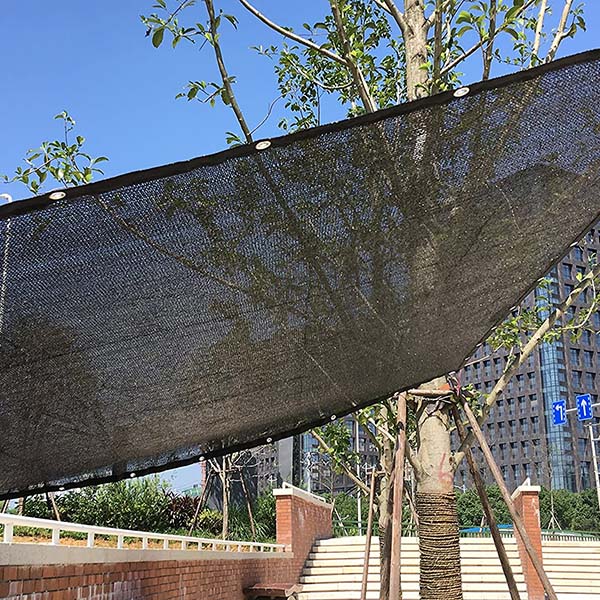
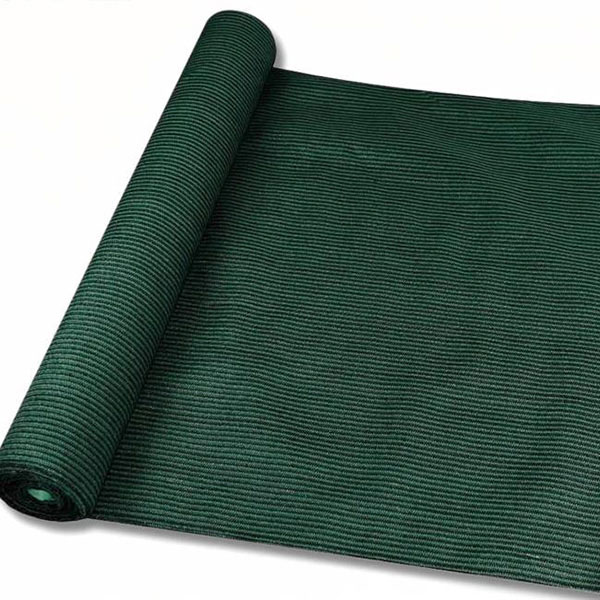
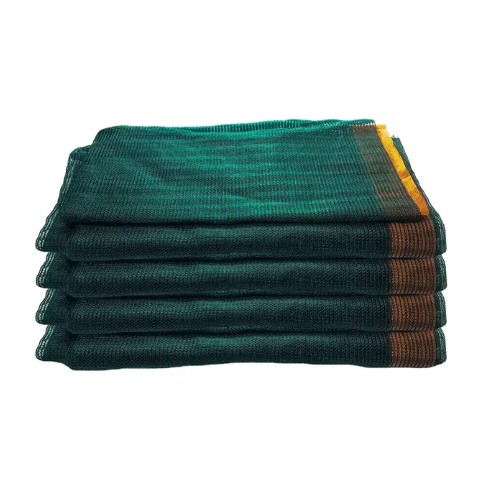
Shade nets are used to control the amount of sunlight that reaches crops. These nets reduce the intensity of direct sunlight, making them essential for protecting crops in regions with intense heat.
By moderating the sunlight exposure, shade nets help prevent heat stress, sunburn, and excessive water evaporation from the soil. Available in various shading percentages, ranging from 30% to 90%, these nets are suitable for greenhouses, nurseries, and outdoor farms where plants need protection from harsh sunlight.
Key Benefits:
- Reduces sunburn and heat stress in sensitive crops.
- Improves plant growth by controlling sunlight exposure.
- Increases water retention in the soil.
- Ideal for greenhouses and high-temperature regions.
Anti-Hail Nets
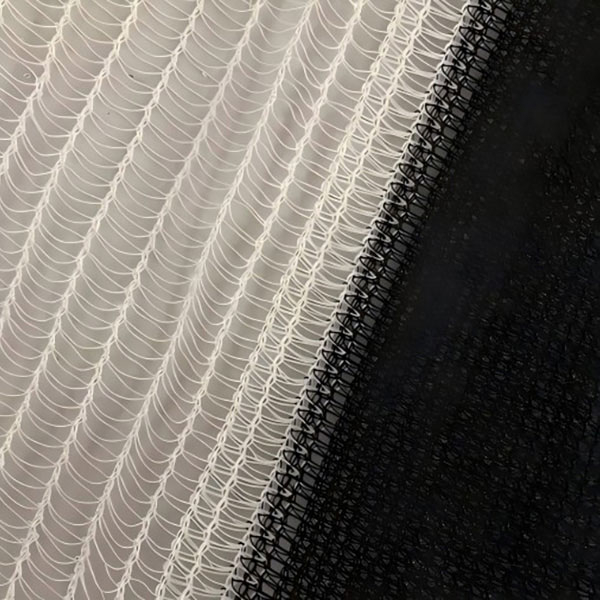
Hailstorms can be devastating to crops, leading to significant financial losses. Anti-hail nets are designed to withstand the impact of hailstones and protect crops from damage.
The nets absorb and distribute the energy of the hail, preventing it from causing severe harm to plants. These nets are particularly valuable in areas prone to frequent hailstorms and are commonly used in orchards, vineyards, and vegetable farms.
Key Benefits:
- Provides robust protection against hailstones.
- Minimizes crop loss during extreme weather conditions.
- Protects fruit-bearing crops, like grapes and apples, which are especially vulnerable to hail.
- Long-lasting protection with minimal maintenance.
Anti-insect Nets
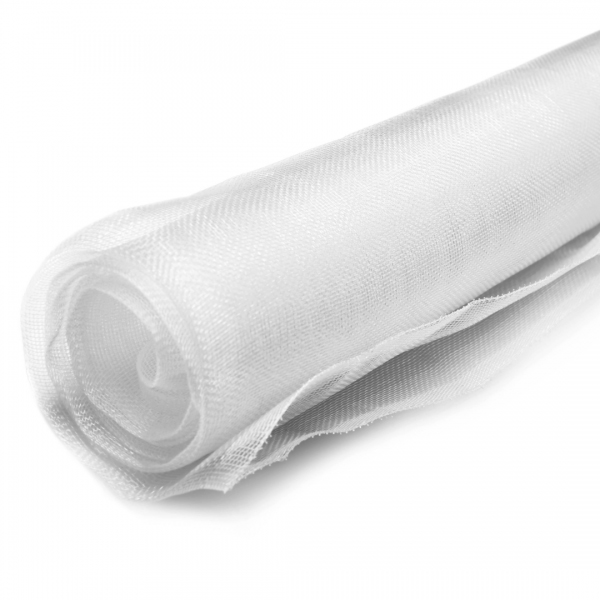
Insect nets are designed to keep harmful pests away from crops. By preventing insects like aphids, caterpillars, and whiteflies from coming into contact with plants, anti-insect nets reduce the need for chemical pesticides. These nets are particularly popular among organic farmers and those practicing sustainable agriculture, as they help create a healthier environment for crops and reduce the dependency on harmful chemicals.
Key Benefits:
- Prevents insect damage without chemicals.
- Supports organic farming by reducing pesticide use.
- Ideal for crops prone to pest infestations, such as vegetables and fruit.
- Encourages natural pest control and biodiversity.
Anti-Bird Nets
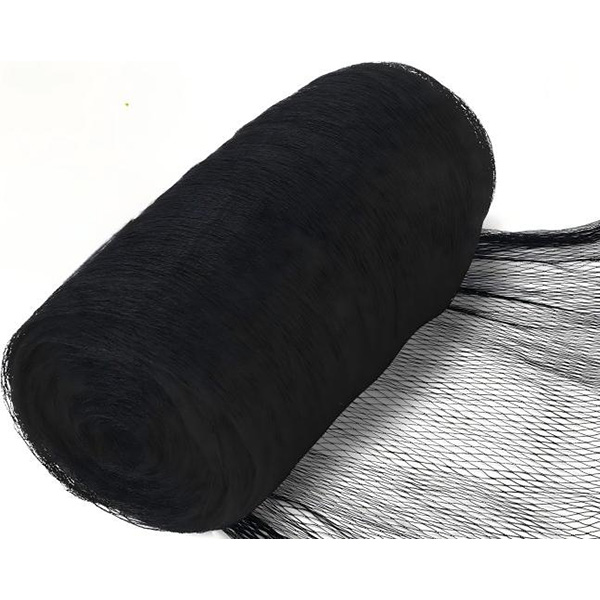
Birds can be a significant threat to crops, especially in fruit and vegetable farms. Anti-bird nets create a physical barrier to prevent birds from pecking or nesting in crops. These nets are commonly used in vineyards, orchards, and berry farms to protect crops like grapes, strawberries, and apples from bird damage.
Key Benefits:
- Prevents birds from damaging crops.
- Protects fruit from pecking and contamination.
- Ideal for fruit farms, vineyards, and berry crops.
- Long-lasting and resistant to wear from environmental factors.
Why Agricultural Nets Are Essential for Modern Farming
Protection from Unpredictable Weather
As extreme weather events such as hailstorms, strong winds, and prolonged sun exposure become more frequent, crops face a higher risk of damage. Agricultural nets serve as a protective barrier, shielding plants from harsh weather conditions and ensuring they remain intact, minimizing crop loss.
Combatting Pest Infestation
With the global rise in pest populations and the reduction in pesticide use due to environmental concerns, protecting crops from insects and other pests is vital. Agricultural nets prevent pests from reaching crops, reducing the reliance on harmful chemicals and creating a safer growing environment.
Supporting Sustainable Farming
With growing attention on sustainable farming, agricultural nets offer a way to reduce environmental impact. They help conserve water, reduce the need for chemical interventions, and enable better resource management, contributing to a more sustainable agricultural model.
Advantages of Using Agricultural Nets
Enhanced Crop Health
Agricultural nets act as a shield, protecting crops from environmental stressors. Shade nets control light exposure, insect nets reduce pest damage, and anti-hail and windbreak nets safeguard against physical damage from weather. This comprehensive protection ensures crops grow in optimal conditions, leading to healthier plants and fewer diseases.
Cost-Effectiveness
While the initial investment in agricultural nets may seem significant, their long-term benefits far outweigh the cost. With low maintenance requirements and a long lifespan, these nets save farmers on pesticide costs, water consumption, and crop loss. The result is better yields and a quicker return on investment.
Sustainability
Agricultural nets contribute to more sustainable farming practices by reducing the need for chemical pesticides and fertilizers. They also help conserve water by minimizing evaporation and runoff. By adopting these nets, farmers can protect their crops and the environment, ensuring long-term sustainability.
Net Material and Durability
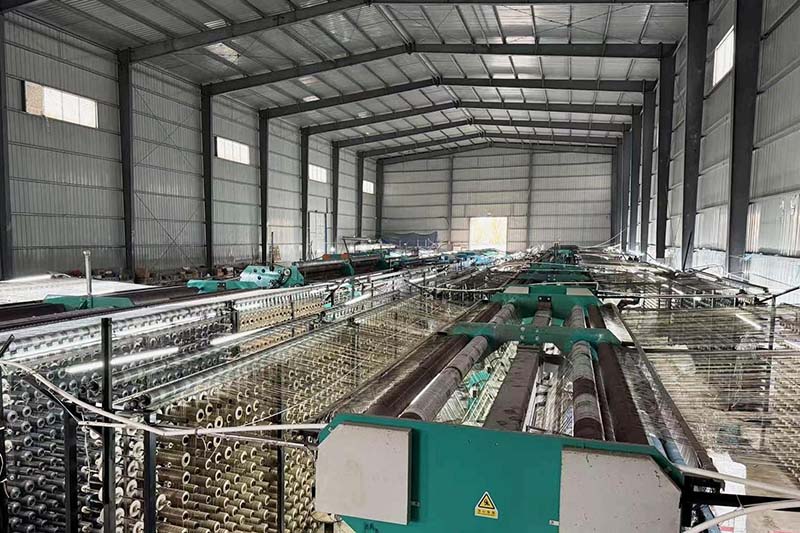
The materials used to make agricultural nets vary, but the most common options include polyethylene and polypropylene. Both are UV-resistant and designed to withstand exposure to harsh weather conditions. Some nets are also coated with additional protective layers to enhance their lifespan. When choosing agricultural nets, it’s essential to select a material that matches the specific environmental conditions your crops face.
Polyethylene: Lightweight, durable, and UV-resistant. Ideal for most agricultural net applications, including shade and insect nets.
Polypropylene: Stronger and more resistant to abrasion, making it suitable for heavy-duty applications like anti-hail and windbreak nets.
Applications of Agricultural Nets
- Greenhouses: Create the perfect growing environment with temperature and light control.
- Orchards and Vineyards: Protect fruit-bearing crops from hail, birds, and pests.
- Vegetable Farms: Safeguard your vegetable crops from pests and extreme weather conditions.
- Field Crops: Protect grains, legumes, and other field crops from environmental damage.