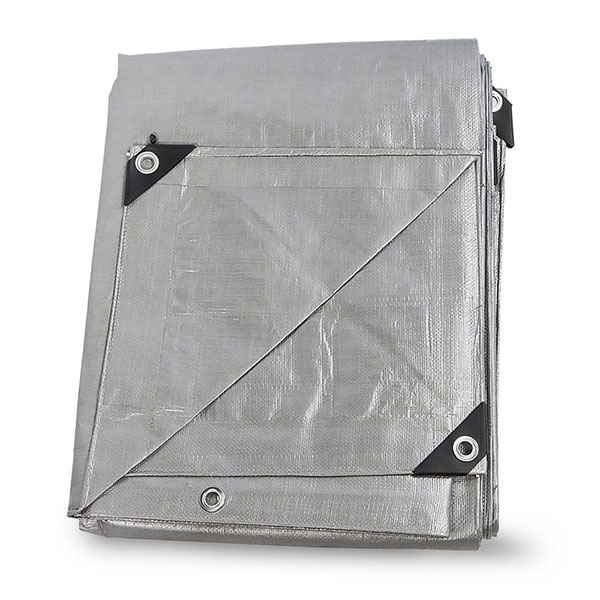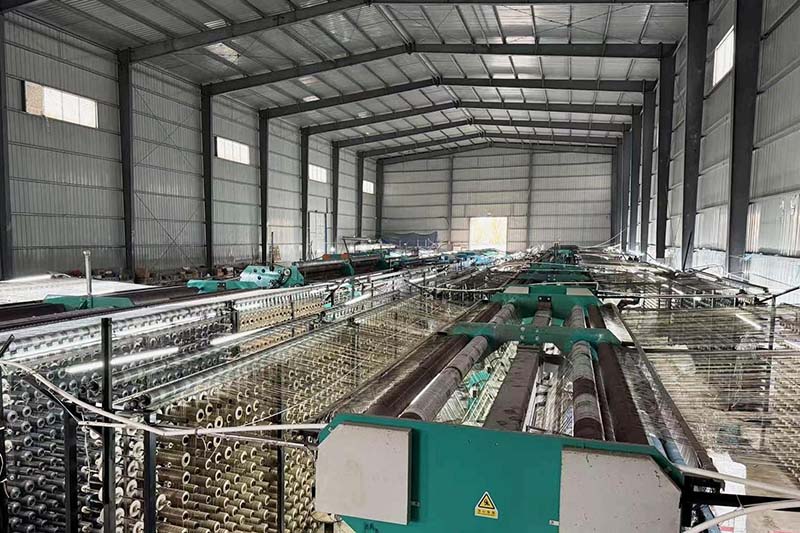
PE tarpaulin uses help construction teams solve many job site problems. Tarps keep rain off unfinished roofs, shield walls, and protect floors. Many workers use tarps to cover building materials and equipment. PE tarpaulin uses include making safe walkways and blocking dust.
Tarps work as quick fences or barriers. PE tarpaulin uses also help store tools and supplies. Tarps can cover cement and raw materials. PE tarpaulin uses support emergency repairs and keep sites organized. Tarps last through tough weather. PE tarpaulin uses offer cost savings and better safety. Consider how tarps fit your project needs.
Weather Protection with PE Tarpaulin
Construction tarps play a vital role in weather protection on job sites. These tarps shield buildings and materials from rain, sun, and wind. They help prevent weather damage and keep work areas dry. Many crews rely on tarps as a temporary cover for unfinished structures. This section explains how construction tarps provide reliable covers for roofs, walls, windows, and floors.
Temporary Roof and Structure Covers
Temporary roof covers are essential during construction. When a building is not finished, the inside can get wet from rain or damaged by strong sunlight. Construction tarps act as a barrier against these elements. Workers stretch tarps over open roofs or exposed frames.
This keeps water out and protects the structure until permanent roofing is installed. Tarps also block harmful UV rays, which can weaken building materials. Using a temporary cover helps crews work in almost any weather. It also reduces delays caused by storms.
Wall and Window Shielding
Walls and windows often remain open during early construction stages. Tarps serve as temporary shields for these areas. Crews hang construction tarps over wall frames and window openings.
This stops rain and dust from entering the building. It also keeps the inside space dry and safe for workers. Tarps can be moved or adjusted as the project changes. These covers help maintain a clean environment and protect unfinished surfaces from weather damage.
- Tarps can also reduce wind inside the building.
- They help keep out debris and pests.
- Using construction tarps as wall and window covers saves time and money.
Floor and Material Coverings
Floors and building materials need protection from moisture and dirt. Construction tarps work well as floor covers in both indoor and outdoor spaces. Crews lay tarps over concrete slabs, wood floors, or tiles.
This keeps surfaces clean and dry during construction. Tarps also cover piles of lumber, bricks, or insulation. These covers prevent water from soaking into materials and causing damage. Using tarps as floor and material coverings helps maintain quality and reduces waste.
Construction tarps offer flexible and effective weather protection for every stage of a building project. They provide temporary solutions that keep sites safe, dry, and organized.
Construction Tarps for Site Safety & Organization
Dust and Debris Containment
Construction sites generate a lot of dust and debris. Tarps help control these hazards. Workers use containment tarps to cover areas where cutting, grinding, or demolition happens. These tarps catch debris before it spreads.
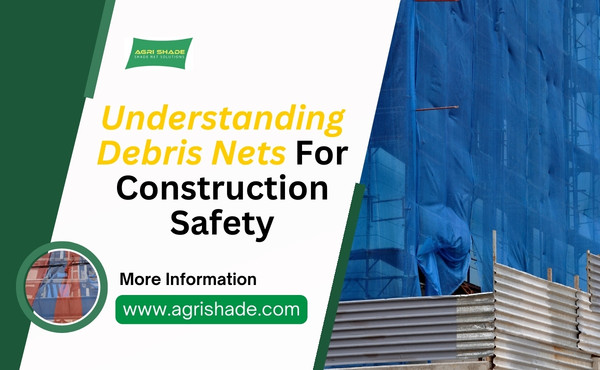
Temporary building enclosure tarps also block dust from moving into clean zones. Construction scaffold debris netting adds another layer of protection. It holds debris in place and keeps the work area safer.
Containment tarps reduce cleanup time and lower the risk of accidents. Using tarps for debris containment supports a cleaner and safer job site.
Safety Barriers and Temporary Fencing
Tarps play a key role in site safety. Crews use temporary building enclosure tarps as barriers around dangerous zones. These tarps mark off areas where only trained workers should enter.
Containment tarps can also serve as temporary fencing. They help control access and guide foot traffic. Safety improves when workers and visitors know where to go.
Construction scaffold debris netting can act as a visual warning and a physical barrier. Tarps used as fencing protect people from falling debris and other hazards. Good barriers prevent accidents and keep the site organized.
- Tarps make it easy to adjust safety zones as work changes.
- Temporary building enclosure tarps are quick to install and remove.
Walkway and Ground Protection
Safe walkways are important on every job site. Tarps cover muddy or uneven ground to create stable paths. Containment tarps protect walkways from debris and spills. This keeps workers from slipping or tripping.
Tarps also shield the ground from heavy equipment and falling debris. Safety increases when walkways stay clear and dry. Using tarps for ground protection helps prevent injuries and keeps the site neat.
Tarps support safety and organization in many ways. They control debris, create barriers, and protect walkways. Containment tarps and temporary building enclosure tarps make construction sites safer for everyone.
Material & Equipment Protection
Construction sites face constant threats from weather, dust, and accidental spills. Tarps provide essential protection for construction materials, tools, and equipment. Their durability and high strength make them a reliable choice for keeping valuable assets safe.
Many crews choose heavy duty tarps and fire retardant tarps to ensure maximum safety and performance. These covers help maintain the quality of materials and extend the lifespan of equipment.
Cement and Raw Material Covers
Cement, sand, and other raw materials must stay dry to remain usable. Tarps act as effective covers for these supplies. Heavy duty tarps shield cement bags from rain and moisture. Fire retardant tarps add an extra layer of safety, especially when materials are stored near welding or cutting zones.
These covers prevent water from seeping in and causing clumps or hardening. High strength tarps resist tearing, even when exposed to sharp edges or rough surfaces. Crews often use fire retardant tarps to cover piles of sand, gravel, or insulation. This practice keeps construction materials clean and ready for use.
Equipment and Tool Protection
Tools and machinery represent a significant investment on any job site. Tarps offer dependable protection against rain, dust, and sun. Heavy duty tarps cover large equipment such as mixers, generators, and compressors.
Fire retardant tarps provide added security in areas where sparks or heat are present. These covers help prevent rust, corrosion, and electrical damage. High strength tarps withstand repeated use and rough handling.
Workers often use fire retardant tarps to wrap smaller tools at the end of each shift. This habit reduces the risk of theft and keeps tools in good working condition.
- Fire retardant tarps are essential for sites with welding or open flames.
- Heavy duty tarps offer superior durability for daily use.
Temporary Storage Shelters
Temporary shelters protect both workers and materials from harsh weather. Crews build simple enclosures using tarps stretched over frames. Fire retardant tarps are the best choice for these shelters, especially in high-risk areas.
These covers create safe zones for storing equipment, mixing chemicals, or taking breaks. Heavy duty tarps provide strong walls and roofs that resist tearing and sagging. The durability of these covers ensures long-term use, even in tough conditions.
Fire retardant tarps also meet safety codes for temporary structures. Many teams rely on tarps for quick, flexible storage solutions that adapt to changing site needs.
| Shelter Type | Recommended Tarp | Key Benefit |
|---|---|---|
| Equipment Storage | Heavy duty tarps | Durability |
| Worker Shelter | Fire retardant tarps | Fire safety |
| Material Enclosure | Fire retardant tarps | Chemical resistance |
Tarps play a vital role in protecting construction materials, tools, and workers. Their durability, high strength, and fire retardant properties make them an essential part of every job site. Choosing the right covers helps prevent damage, reduce waste, and improve overall safety.
Specialized PE Tarpaulin Uses in Construction
Concrete Curing Sheets
Tarps serve as effective concrete curing sheets on many construction sites. These covers help control moisture loss during the curing process. Workers lay tarps over fresh concrete to keep the surface damp.
This method prevents cracks and improves strength. Tarps also shield concrete from rain and direct sunlight. Proper curing with these covers leads to better results and longer-lasting surfaces.
Scaffold Sheeting
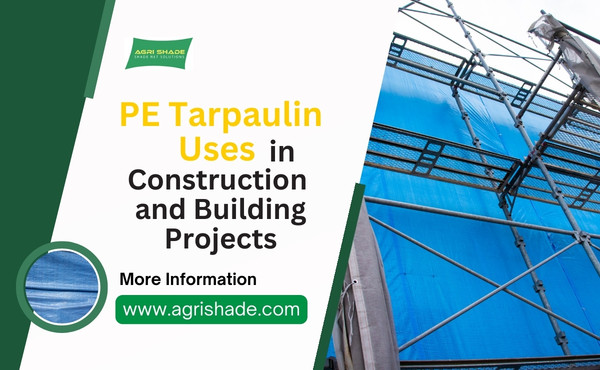
Scaffold tarps play a key role in construction safety. These covers wrap around scaffolding to protect workers and materials from wind, dust, and rain. Scaffold tarps also help contain debris, making the site safer for everyone.
Crews can use these covers to create a controlled environment for painting or repairs. Scaffold tarps are easy to install and remove as the project changes.
- Scaffold tarps improve visibility and reduce the risk of accidents.
- These covers help maintain a clean work area.
Moisture Barriers Under Slabs
Tarps act as reliable moisture barriers under concrete slabs. Workers place these covers on the ground before pouring concrete. This step blocks water from rising into the slab. Tarps keep the foundation dry and prevent future problems like mold or cracking. Using these covers is a simple way to protect the building’s structure.
| Application | Benefit |
|---|---|
| Under Slabs | Blocks ground moisture |
| Concrete Curing | Maintains hydration |
Emergency Repairs
Tarps are essential for emergency repairs on construction sites. When storms or accidents damage a structure, crews use tarps as quick covers. These covers stop water from entering and limit further damage. Tarps can also protect exposed wiring or equipment until permanent repairs happen. Fast action with tarps helps keep the site safe and reduces costly delays.
Tarps offer many specialized uses in construction. These covers support concrete work, scaffold safety, moisture control, and emergency repairs. Every job site benefits from having tarps ready for these important tasks.
Choosing and Using Waterproof Tarps Effectively
Selecting Size and Thickness
Choosing the right size and thickness for waterproof tarps is important for every construction project. Large tarps cover wide areas, such as unfinished roofs or open floors. Smaller tarps work well for tools and equipment. Thicker tarps offer better protection against sharp objects and heavy use.
Thin tarps suit light tasks, like shielding windows or temporary fencing. Always measure the area before buying. Select waterproof tarps that extend past the edges to prevent leaks. Check the thickness rating to match the job’s demands. Thicker waterproof tarps last longer and resist tearing.
Installation and Securing Methods
Proper installation keeps waterproof tarps in place during wind and rain. Crews use ropes, bungee cords, or zip ties to secure tarps to frames or scaffolding. Grommets along the edges help attach tarps tightly.
Overlapping tarps creates a stronger waterproof barrier. Fasten each corner and edge to avoid flapping or shifting. For ground protection, weigh down the edges with sandbags or bricks. Always check that waterproof tarps are stretched flat to prevent water pooling. Good securing methods help tarps stay effective and safe.
- Use strong fasteners for heavy-duty tarps.
- Overlap tarps for extra waterproof coverage.
Maintenance and Reuse
Regular maintenance extends the life of waterproof tarps. Inspect tarps for holes, tears, or worn spots after each use. Clean tarps with mild soap and water to remove dirt and debris.
Dry tarps completely before storing to prevent mold. Fold tarps neatly and keep them in a dry place. Reuse tarps for different tasks, such as covering materials or creating barriers. Well-maintained waterproof tarps save money and reduce waste. Replace damaged tarps quickly to keep protection strong.
| Maintenance Task | Benefit |
|---|---|
| Cleaning | Removes debris |
| Drying | Prevents mold |
| Inspection | Finds damage |
| Proper Storage | Extends lifespan |
Choosing, installing, and maintaining waterproof tarps helps crews get the most value and performance. These steps keep construction sites safe, dry, and organized.
Coonclusion
PE tarpaulins provide versatile solutions to common problems on construction sites. They protect unfinished structures from weather, contain dust and debris, and create safe walkways and barriers. Tarps also safeguard materials, tools, and equipment, while supporting concrete curing and moisture control.
With their ability to withstand tough conditions, tarps offer both cost savings and enhanced safety. Review your project needs to determine where tarps can improve site organization and worker safety.