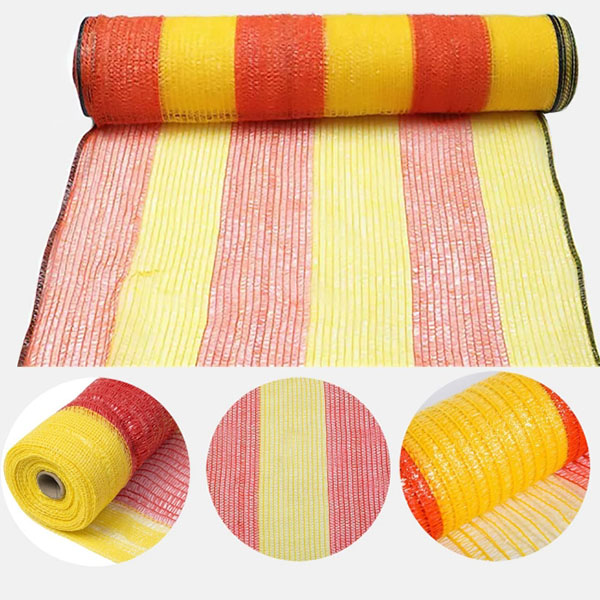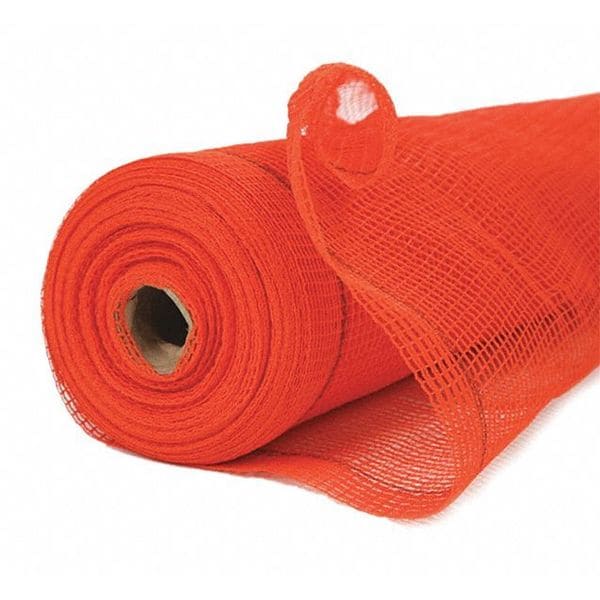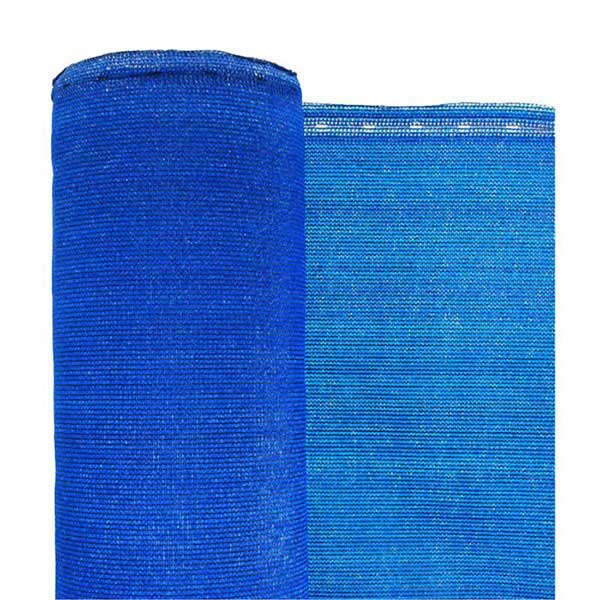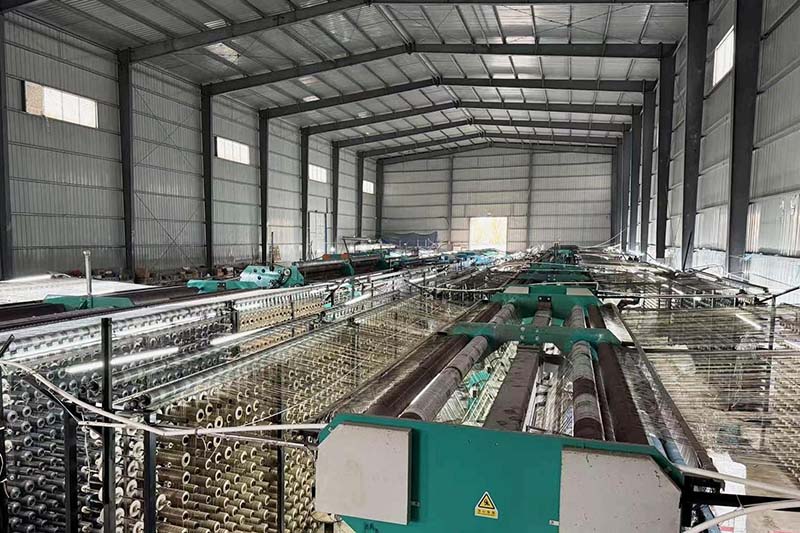
The durability of debris netting comes from a mix of important factors. Mesh size, material type, weave pattern, and how the netting is installed all play a role. Each detail can change how well debris netting holds up to the demands of a construction site. Good choices help keep people and property safe by making sure the debris netting durability matches the risks on site.
Mesh Size in Debris Netting
Mesh Range and Strength
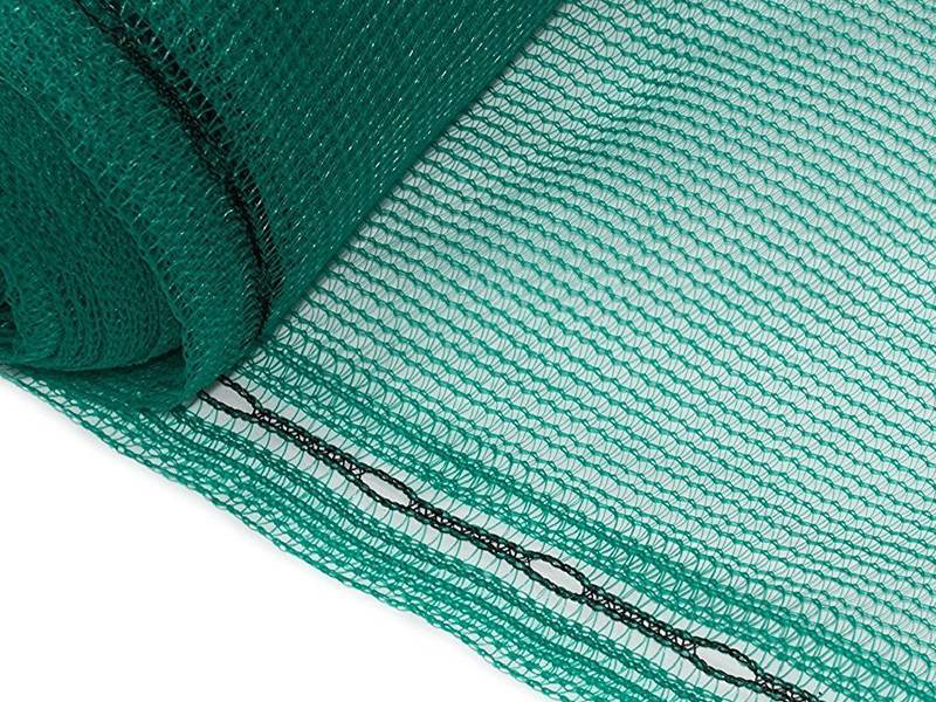
Mesh size plays a major role in how construction debris netting performs on a job site. Mesh refers to the openings between the threads or fibers in the netting. These openings can range from very small, about 1 millimeter, to much larger, up to 150 millimeters. Smaller mesh sizes create a tighter net, which can catch finer particles and prevent small debris from falling. Larger mesh sizes allow more air flow but may let smaller debris slip through.
The durability of construction debris netting depends on the mesh size. Tighter mesh usually means stronger netting because there are more fibers supporting the load. For example, netting with a 1mm mesh can hold back dust and tiny fragments, while a 50mm mesh is better for catching larger pieces like bricks or wood. Some construction debris netting products list load ratings, such as being able to hold up to 2,000 pounds or even 10,000 pounds. These ratings help workers choose the right netting for the job.
Tip: Always check the mesh size and load rating before using debris netting on a construction site. This helps match the netting to the type of debris and the level of risk.
Choosing Mesh for Safety
Selecting the right mesh size for construction debris netting is important for safety. On high-rise construction projects, smaller mesh sizes are often used to prevent tools, bolts, and dust from falling. On ground-level construction, larger mesh sizes may be enough to catch bigger debris. The choice depends on the type of work and the materials used.
Here is a simple table showing how mesh size matches different construction needs:
| Mesh Size (mm) | Typical Use in Construction | Example Debris Caught |
|---|---|---|
| 1 – 5 | High-rise, scaffolding, demolition | Dust, screws, small tools |
| 10 – 50 | General construction, renovation | Wood chips, bricks |
| 51 – 150 | Heavy construction, exterior work | Large panels, concrete |
Construction debris netting with smaller mesh sizes offers more protection but may cost more and weigh more. Larger mesh sizes are lighter and less expensive but may not provide enough safety for some construction tasks.
- Small mesh: Best for high safety needs and fine debris.
- Medium mesh: Good for general construction and mixed debris.
- Large mesh: Suitable for heavy construction and large debris.
Choosing the right mesh size helps keep workers and the public safe. It also makes sure the netting meets the strength needed for each construction project.
Material Durability in Construction Debris Netting
Common Materials Used
Construction debris netting relies on strong materials to keep sites safe. The most common materials include nylon, heavy-duty plastic, and reinforced webbing. Each material brings unique properties to the netting.
- Nylon: This material offers flexibility and strength. Nylon resists tearing and can handle repeated stress. Many construction projects use nylon for its balance of weight and toughness.
- Heavy-duty plastic: Plastic netting stands up to harsh weather. It does not rust or corrode. This makes it a good choice for outdoor construction work.
- Reinforced webbing: Some netting uses extra fibers woven into the structure. Reinforced webbing increases the netting’s ability to hold heavy debris. It also improves the netting’s durability.
The choice of material affects how well construction debris netting performs. High-strength material can stop large objects from falling. It also helps the netting last longer on busy construction sites.
Note: Always check the material type before choosing debris netting. The right material can make a big difference in safety and quality.
Durability and Load Ratings
Durability measures how long construction debris netting can last under tough conditions. Construction sites often expose netting to wind, rain, sun, and heavy debris. Durable netting keeps its shape and strength even after months of use.
Load ratings show how much weight the netting can safely hold. Some construction debris netting can support up to 2,000 pounds. Others, made with high-strength material and reinforced webbing, can handle loads as high as 10,000 pounds. These ratings help workers match the netting to the demands of each construction project.
| Material Type | Typical Load Rating | Durability Level | Common Construction Use |
|---|---|---|---|
| Nylon | Up to 2,000 lbs | High | Scaffolding, demolition |
| Heavy-duty plastic | 1,000 – 2,500 lbs | Medium-High | General construction, renovation |
| Reinforced webbing | Up to 10,000 lbs | Very High | High-rise, heavy construction |
Quality matters when choosing construction debris netting. High-quality netting resists UV rays and does not break down quickly. It also keeps workers and the public safe by holding back debris during construction.
- Choose netting with a load rating that matches the job.
- Inspect netting for signs of wear before each use.
- Replace netting that shows damage to maintain safety and quality.
Construction debris netting made from high-strength material and reinforced webbing offers the best protection. It stands up to the demands of modern construction and helps prevent accidents.
Weave Patterns and Netting Construction
Diamond vs. Square Mesh
The way construction debris netting is woven affects its durability and use on construction sites. Two common weave patterns are diamond mesh and square mesh. Diamond mesh has threads that cross at angles, forming diamond-shaped openings. Square mesh uses threads that cross at right angles, creating square openings.
| Weave Pattern | Shape of Openings | Common Use in Construction | Strength Level |
|---|---|---|---|
| Diamond Mesh | Diamond | Scaffolding, demolition | High |
| Square Mesh | Square | General construction, renovation | Medium-High |
Diamond mesh often provides more flexibility. It can stretch slightly under heavy loads, which helps absorb the impact of falling debris. Square mesh offers a more rigid structure. This pattern works well for projects where the netting must stay tight and hold its shape.
Tip: Choose the weave pattern based on the type of construction work and the debris expected on site.
Weave Impact on Performance
The weave pattern in construction debris netting changes how it performs during construction. Diamond mesh can handle shifting loads and is less likely to tear when debris hits it from different angles. This makes it a good choice for high-rise construction or demolition work, where debris may fall in unpredictable ways.
Square mesh provides even support across the netting. It is easier to install and keeps its shape over time. Many construction projects use square mesh for general safety barriers and to catch larger debris.
- Diamond mesh: Best for flexible strength and absorbing impacts.
- Square mesh: Best for stable support and easy installation.
The right weave pattern improves the performance of construction debris netting. It helps protect workers and the public by matching the netting’s durability to the demands of the construction site.
Installation Impact on Debris Netting Durability
Secure Installation Methods
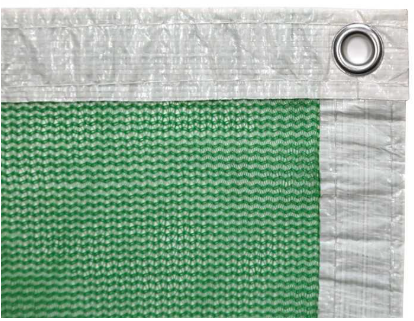
Proper installation is critical for construction debris netting to perform as intended. The way workers attach safety netting can change its durability and ability to stop falling debris. Reinforced webbing and strong grommets help keep the netting secure. These features allow the netting to handle heavy loads and reduce the risk of failure. Workers often use heavy-duty ties, cables, or clamps to fasten the netting to scaffolding or building frames. Each attachment point must be tight and checked for weakness. Loose or poorly installed netting can lead to gaps, which may allow debris to fall and cause injuries.
A checklist for secure installation includes:
- Inspecting all anchor points before use.
- Using reinforced webbing and grommets for extra durability.
- Spacing attachment points evenly.
- Checking for sagging or loose areas after installation.
Tip: Always follow the manufacturer’s instructions and local safety regulations when installing construction debris netting.
Safety and Risk Assessment
Safety is a top priority on every construction site. Before installing construction debris netting, workers should complete a risk assessment. This process helps identify areas where falling debris could cause injuries. It also ensures that the right type of safety netting is used for each part of the project. Construction sites must meet osha safety compliance and follow safety regulations to protect workers and the public.
Safety netting should be inspected regularly for damage or wear. If any part of the netting is torn or loose, it must be repaired or replaced right away. Regular checks help prevent injuries and support long-term safety on the job site.
| Inspection Step | Purpose |
|---|---|
| Check attachment points | Prevent netting failure |
| Look for tears | Stop debris from escaping |
| Test tension | Keep netting strong and stable |
Construction debris netting that is installed correctly and checked often provides strong protection. It helps prevent injuries and supports a safe construction environment.
Conclusion
Construction debris netting durability depends on mesh size, material, weave, and installation. Each factor affects how well construction debris netting protects people and property. Construction debris netting with the right mesh and strong material can handle heavy loads. Weave patterns and secure installation improve performance. For construction projects, always check load ratings and match construction debris netting to the job. Safety comes first. Choose construction debris netting that meets site needs and follows construction safety standards.
Tip: Inspect construction debris netting before use and replace damaged sections for reliable protection.