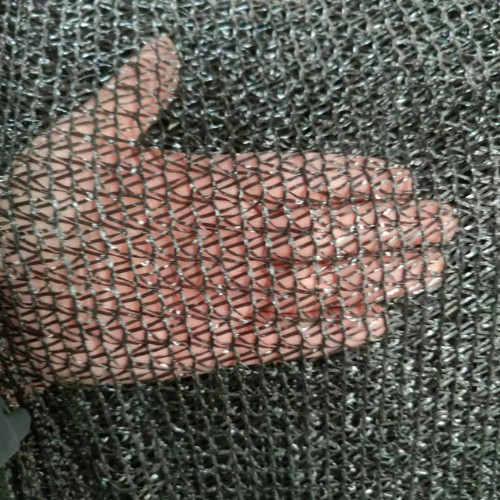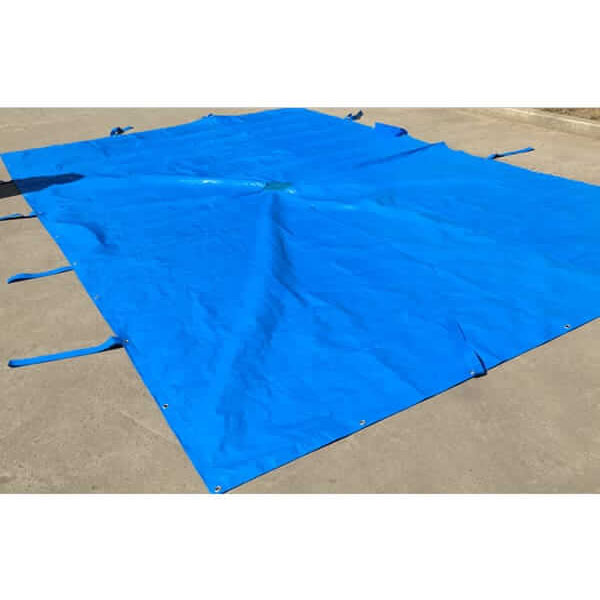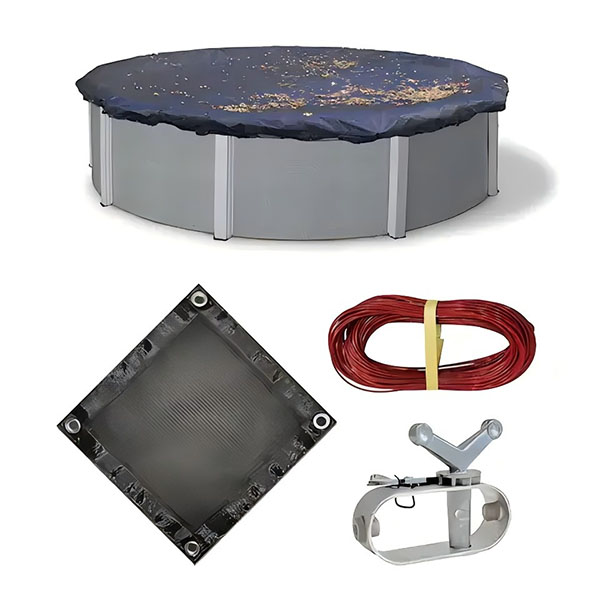
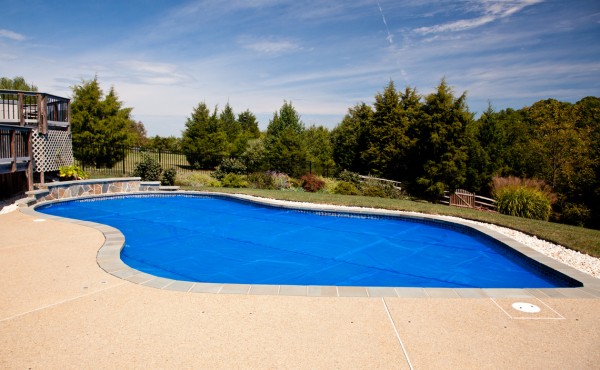
You need to follow a few essential tips to keep your swimming pool cover in good shape. Regular care helps you protect your pool, prevent accidents, and keep the water clean. Simple routines like cleaning and inspection save you money by avoiding costly repairs. > Remember, a proactive approach keeps your cover working well year after year.
Swimming Pool Cover Cleaning
Removing Leaves and Debris
You should remove leaves, twigs, and other debris from your pool cover as soon as you notice them. Use a leaf blower or a soft broom to clear dry debris. For wet leaves or heavier items, a plastic rake works well. If you let debris pile up, it can cause stains, add weight, and even damage the cover. Regular cleaning keeps your swimming pool cover looking good and working properly.
Tip: Clean off debris after storms or windy days. This habit prevents buildup and makes each cleaning session easier.
Washing with Mild Soap and Soft Brush
You need to wash your pool cover every few months to remove dirt, pollen, and algae. Fill a bucket with water and add a small amount of mild or biodegradable dish soap. Use a soft brush or sponge to gently scrub the surface. Avoid using harsh chemicals or stiff brushes, as these can weaken the cover material. After scrubbing, rinse the cover thoroughly with a garden hose. Make sure you remove all soap residue, since leftover soap can attract more dirt or harm the cover.
Never use bleach or strong cleaners. These products can break down the fabric and shorten the life of your swimming pool cover.
Cleaning Schedule
Set a regular cleaning schedule for your pool cover. Most covers need a light cleaning every week and a deeper wash every 3 to 6 months. Mark cleaning days on your calendar or set reminders on your phone. Consistent care helps you spot problems early and keeps your swimming pool cover in top condition. If you live in an area with lots of trees or dust, you may need to clean more often.
| Task | Frequency |
|---|---|
| Remove debris | Weekly or as needed |
| Wash with mild soap | Every 3-6 months |
| Rinse thoroughly | After each wash |
A regular cleaning routine saves you time and money by preventing damage and extending the life of your cover.
Water and Debris Management
Removing Standing Water
Standing water on your pool cover can cause problems. It adds weight and may stretch or tear the material. You should remove water after every rain or whenever you see puddles. Use a pool cover pump or a manual siphon to get rid of the water. If you do not have a pump, you can use a bucket to scoop out small amounts. Always check for water after storms, as heavy rain can collect quickly.
Tip: Removing standing water also helps prevent mosquitoes and other insects from breeding on your cover.
Preventing Water Accumulation
You can prevent water from building up by keeping your cover tight and well-fitted. Make sure the cover sits above the water level and does not sag. Adjust the straps or anchors if you see any loose spots. Remove debris like leaves and twigs, as these can block drainage and trap water. If your cover has a center drain, check it often to make sure it is not clogged.
- Check the cover tension every week.
- Clear off debris right away.
- Inspect the drainage system monthly.
Using Pool Cover Pumps
A pool cover pump is a helpful tool for water management. You can place the pump in the lowest spot on the cover. It will automatically remove water as it collects. Some pumps work with electricity, while others use manual power. Always follow the instructions for your pump. Clean the pump filter often to keep it working well. Using a pump protects your swimming pool cover from damage and makes maintenance easier.
Regular use of a pool cover pump keeps your cover dry and extends its life.
Maintaining Swimming Pool Water Level
Importance for Cover Longevity
You need to keep the water level in your pool at the right height to protect your cover. When the water level drops too low, the cover can sag and stretch. This stress may cause tears or weaken the seams. If the water rises too high, it can push against the cover and make it hard to remove. A balanced water level supports the cover and helps it last longer.
Keeping the correct water level also prevents accidents. A sagging cover can collect rainwater, which adds extra weight and increases the risk of damage.
A well-supported cover blocks debris and keeps your swimming pool clean. You avoid extra cleaning and repairs when you pay attention to water levels.
Checking and Adjusting Water Level
You should check the water level at least once a week. Use a pool skimmer or a measuring stick to see if the water sits halfway up the skimmer opening. This spot is usually the best level for most covers. If you notice the water is too low, add water with a garden hose. If the water is too high, use a submersible pump or a bucket to remove the excess.
Here is a simple checklist to help you:
- Check water level every week.
- Add water if the level drops below the skimmer.
- Remove water if the level rises above the skimmer.
- Inspect after heavy rain or hot weather.
| Water Level Status | What To Do |
|---|---|
| Below skimmer opening | Add water |
| At skimmer opening | No action needed |
| Above skimmer opening | Remove excess water |
Tip: Make water level checks part of your regular swimming pool maintenance routine. This habit protects your cover and saves you money in the long run.
Chemical Safety for Pool Covers
When to Leave Cover Open
You should know when to keep your pool cover open. After adding chemicals to your swimming pool, leave the cover off for several hours. This step lets strong fumes escape and prevents chemical buildup under the cover. If you close the cover too soon, trapped gases can damage the material and weaken the seams.
Sunlight and fresh air help chemicals mix and balance in the water. Always check the instructions on your pool chemicals. Most experts recommend waiting at least two to four hours before closing the cover. If you shock the pool, wait even longer—sometimes overnight.
Tip: If you smell strong chlorine or other chemical odors, keep the cover open until the smell fades.
Protecting Cover from Chemicals
You can protect your pool cover by handling chemicals with care. Always add chemicals directly to the water, not on top of the cover. If you spill any product on the cover, rinse it off right away with clean water. High levels of chlorine or other chemicals can cause fading, cracking, or brittleness. Store all pool chemicals in a safe, dry place away from the cover. Check the water’s chemical balance every week. Balanced water keeps the cover in good shape and prevents damage.
Here is a quick reference table for chemical safety:
| Task | How Often |
|---|---|
| Leave cover open after dosing | Every treatment |
| Rinse off spills | As needed |
| Test water balance | Weekly |
Keeping chemicals away from your cover helps you avoid costly repairs and extends the life of your pool cover.
Mechanical and Track Maintenance
Cleaning Cover Tracks
You should clean your pool cover tracks every month. Dirt, leaves, and small stones can collect in the tracks and cause the cover to jam. Use a garden hose to wash away debris. Start at one end and spray water through the entire track. For stubborn dirt, use a soft brush to loosen it before rinsing. Do not use sharp tools, as these can scratch or damage the track. Clean tracks help your cover open and close smoothly.
Tip: Check the tracks after storms or windy days. Quick cleaning prevents buildup and keeps your cover working well.
Inspecting Moving Parts
You need to inspect all moving parts of your pool cover system regularly. Look at the rollers, pulleys, and cables for signs of wear or rust. If you see frayed cables or bent parts, address them right away. Worn parts can cause the cover to stick or move unevenly. Use a flashlight to check inside the tracks and around the motor area if your cover is automatic. Early detection of problems saves you from bigger repairs later.
Here is a simple checklist for inspection:
- Examine rollers and pulleys for smooth movement.
- Look for rust or corrosion.
- Check cables for fraying or damage.
- Test the cover’s movement by opening and closing it.
Lubricating Components
You should lubricate the moving parts of your pool cover system every few months. Use a silicone-based lubricant, as it does not attract dust or dirt. Apply a small amount to the rollers, hinges, and other joints. Wipe away any excess to prevent buildup. Lubrication helps the cover move easily and reduces wear on the parts.
| Maintenance Task | How Often |
|---|---|
| Clean cover tracks | Monthly |
| Inspect moving parts | Monthly |
| Lubricate components | Every 2-3 months |
Regular maintenance keeps your pool cover system reliable and extends its lifespan.
Inspecting Cover Fabric and Structure
Checking for Tears and Wear
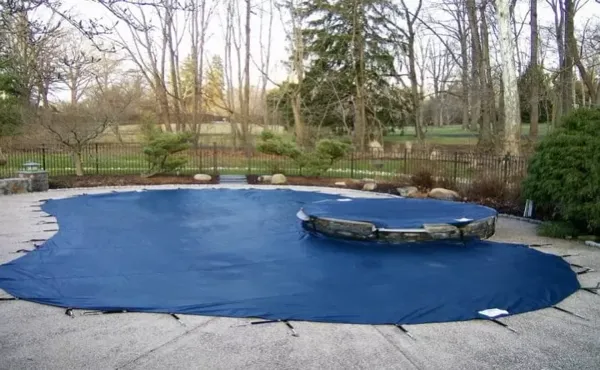
You should check your pool cover for tears, holes, or worn spots at least once a month. Small tears can grow quickly if you ignore them. Walk around the pool and look for any thin areas or places where the material feels weak. Hold the cover up to the light if possible. Light shining through can reveal hidden damage. Use your hands to feel for rough patches or changes in texture. If you find a tear, mark the spot with a piece of tape so you can repair it later.
Tip: Early detection of small tears helps you avoid bigger problems and expensive repairs.
Inspecting Seams and Edges
Seams and edges often show the first signs of damage. You should pay close attention to these areas during your inspection. Look for loose threads, fraying, or gaps where the stitching has come undone. Run your fingers along the seams to check for separation. Examine the edges for curling or cracking. If you see any issues, take a photo or write down the location. This record helps you track changes over time.
Here is a simple checklist for inspecting seams and edges:
- Look for loose or missing stitches.
- Check for frayed or curled edges.
- Feel for weak spots along the seams.
Addressing UV and Weather Damage
Sunlight and harsh weather can weaken your pool cover over time. You should look for signs of fading, brittleness, or discoloration. These changes often mean the cover has suffered from UV exposure. Check for stiff or cracked areas, especially if your pool sits in direct sunlight. After storms, inspect the cover for wind or hail damage. If you notice any weather-related problems, clean and dry the cover before making repairs.
| Sign of Damage | What to Do |
|---|---|
| Fading color | Monitor regularly |
| Cracked surface | Repair or replace |
| Brittle texture | Limit sun exposure |
Regular inspections help you catch UV and weather damage early. This habit keeps your pool cover strong and reliable.
Troubleshooting Pool Cover Issues
Fixing Minor Tears
You may find small tears or holes in your pool cover during your regular inspections. You should repair these right away to stop them from getting bigger. Use a pool cover patch kit or heavy-duty waterproof tape. First, clean and dry the area around the tear. Cut a patch that is at least two inches larger than the damaged spot. Press the patch firmly onto the cover and smooth out any air bubbles. Let the patch set for the time recommended by the kit instructions.
Tip: Check patched areas often to make sure they stay secure. Quick repairs help you avoid costly replacements.
Dealing with Stuck Covers
Sometimes, your pool cover may get stuck or move unevenly. Dirt, debris, or misaligned tracks often cause this problem. Start by checking the tracks for leaves, stones, or other blockages. Use a garden hose or a soft brush to clear the tracks. If the cover still does not move smoothly, inspect the rollers and cables for signs of wear or damage. Lubricate moving parts with a silicone-based spray if needed.
Here is a simple troubleshooting checklist:
- Check tracks for debris.
- Inspect rollers and cables.
- Lubricate moving parts.
- Test the cover’s movement.
If the cover remains stuck after these steps, you may need to call a professional for help.
Preventing Mold and Mildew
Mold and mildew can grow on your pool cover if it stays damp or dirty. You should keep the cover clean and dry to prevent these problems. After rain, remove standing water right away. Wash the cover with mild soap and rinse it well. Let the cover dry completely before closing or storing it. If you see any mold spots, scrub them with a soft brush and a mixture of water and mild soap.
| Problem Area | Prevention Tip |
|---|---|
| Standing water | Remove promptly |
| Damp cover | Allow to dry fully |
| Dirty surface | Clean regularly |
Regular cleaning and drying keep your pool cover fresh and safe for use.
Professional Help for Pool Covers
Recognizing Major Damage
You may notice problems with your pool cover that go beyond small tears or minor wear. Major damage often includes large rips, broken seams, or warped support bars. If your cover sags badly, will not open or close, or shows signs of mold that keeps returning, you should consider professional help. Sometimes, you might see rust on metal parts or hear grinding noises from the cover system. These signs mean the damage could affect the safety and function of your pool cover.
Note: If you feel unsure about the extent of the damage, always ask a pool cover specialist for advice. They can spot hidden issues that you might miss.
Scheduling Inspections
You should schedule a professional inspection at least once a year. A trained technician checks the fabric, seams, tracks, and moving parts. They look for problems that regular cleaning and maintenance might not catch. Inspections help you find early signs of wear before they turn into expensive repairs. If you live in an area with harsh weather or use your pool cover often, you may need more frequent checks.
Inspection Checklist:
- Examine cover for deep cracks or holes
- Test the motor and moving parts
- Check for rust or corrosion
- Inspect tracks and anchors
Regular inspections keep your pool cover safe and reliable.
When to Replace the Cover
Every pool cover has a lifespan. If repairs become frequent or the cover no longer fits well, it may be time for a replacement. Covers with faded, brittle, or torn material often cannot protect your pool. If you notice the cover does not stay secure or water leaks through, a new cover will work better. Replacing the cover at the right time saves you money and keeps your pool safe.
| Sign You Need a New Cover | What to Do |
|---|---|
| Frequent repairs needed | Replace the cover |
| Cover no longer fits | Get a new cover |
| Material is brittle | Upgrade the cover |
A new pool cover protects your investment and gives you peace of mind.
Conclusion
You now know the most important tips for swimming pool cover maintenance. Clean your cover often, check for damage, and manage water and debris. Regular care keeps your pool safe, saves you money, and helps your cover last longer. Set a routine and call a professional if you see major problems.
A well-maintained pool cover protects your pool and your investment every season.