Selecting the correct tarpaulin matters for many tasks. There are different types available, and each one suits a specific use or environment. Some tarpaulins provide strong weather resistance, while others offer breathability or extra strength. Understanding these options helps you protect your equipment, cover outdoor spaces, or manage construction projects with confidence.
Major Types of Tarpaulins
Polyethylene (PE) Tarpaulins
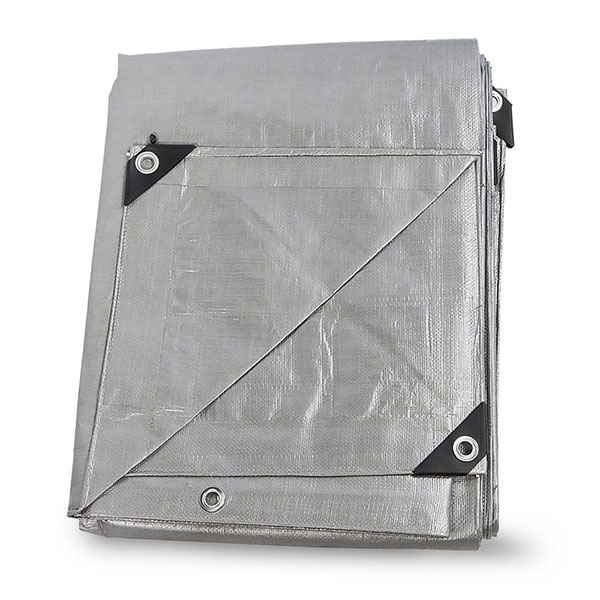
Polyethylene tarpaulins are one of the most common types of tarps. These tarps use a woven plastic material that resists water and tearing. PE tarps are lightweight, flexible, and easy to handle. Many people use them for temporary shelters, ground covers, and protecting outdoor equipment. Polyethylene tarpaulins work well for camping, gardening, and construction sites. They offer a good balance between cost and durability.
Tip: Choose PE tarps for short-term projects or when you need a waterproof cover that is easy to move.
PVC Tarpaulins
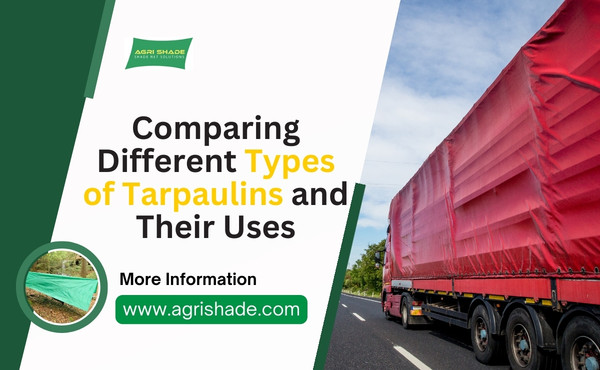
PVC tarpaulins are made from polyvinyl chloride, a strong synthetic material. These tarps are thicker and heavier than most PE tarps. PVC tarps resist chemicals, oil, and harsh weather. Many truck tarps and flatbed truck tarps use this material because it stands up to wind and rain. PVC tarpaulins are also popular for industrial covers and long-term outdoor storage.
| Feature | PVC Tarpaulins | PE Tarps |
|---|---|---|
| Weight | Heavier | Lighter |
| Durability | High | Moderate |
| Weatherproof | Excellent | Good |
| Common Uses | Truck tarps, covers | Temporary shelters |
Vinyl Tarpaulins
Vinyl tarpaulins are similar to PVC tarps but often have extra coatings for added strength. These tarps resist UV rays, mildew, and abrasion. Vinyl tarpaulins are used for heavy-duty tarps, industrial curtains, and long-term outdoor covers. They last longer than many other types of tarpaulins. People choose vinyl tarpaulins when they need a tough, weatherproof solution.
Canvas Tarpaulins
Canvas tarpaulins use natural or blended cotton fibers. These tarps are breathable, which helps prevent moisture buildup underneath. Canvas tarps are strong and can handle rough use. Many people use canvas tarpaulins for painting, farming, and covering machinery. Canvas tarps work well when you need a cover that lets air pass through but still protects from dust and light rain.
Note: Canvas tarpaulins are not fully waterproof. They work best for indoor or light outdoor use.
Mesh Tarpaulins
Mesh tarpaulins have small holes that let air and some light pass through. These tarps are great for shade, wind protection, and covering loads that need ventilation. Mesh tarpaulins are often used on trucks to keep debris from blowing away. They also work well for sports fields, gardens, and construction fences.
Fire-Retardant Tarpaulins
Fire-retardant tarpaulins are treated with special chemicals to slow down flames. These tarps are important for safety in areas where fire risk is high. Many construction sites, event spaces, and factories use fire-retardant tarpaulins. They meet strict safety standards and help protect people and property.
Specialized Tarps (Lumber, Steel, Machinery)
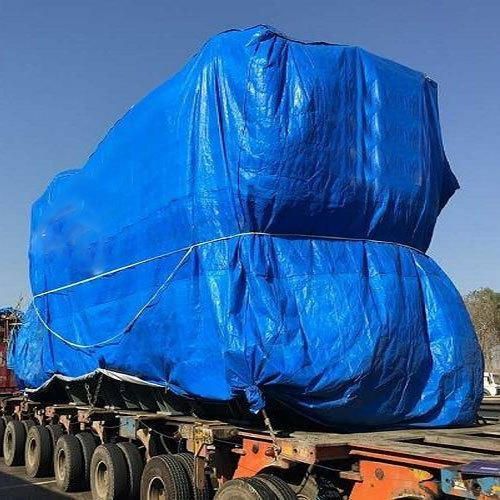
Some types of tarpaulins are designed for specific jobs. Lumber tarps cover wood loads on trucks. Steel tarps protect metal from rain and dirt. Machinery tarps shield equipment from weather and dust. These specialized tarps use heavy-duty tarpaulin fabrics and reinforced edges for extra strength. They are built to handle tough conditions and keep valuable items safe.
There are many different types of tarpaulins. Each type has unique features that make it right for certain jobs. Knowing the main types of tarps helps you choose the best cover for your needs.
Types of Tarps by Material and Thickness
Canvas vs. Plastic Tarps
Canvas tarps and plastic tarps serve different purposes. Canvas tarps use natural fibers, which allow air to pass through. This feature helps prevent moisture buildup under the cover. Many people choose canvas tarps for painting, farming, or covering equipment that needs to breathe. Plastic tarps, such as polyethylene or polyvinyl tarpaulin, block water and resist tearing. These tarpaulins work well for outdoor covers, truck tarps, and situations where waterproofing is important.
Tip: Use canvas tarps for indoor projects or when you need breathability. Choose plastic tarps for outdoor protection and waterproofing.
Light-Duty vs. Heavy-Duty Tarps
Tarps come in different thicknesses. Light-duty tarps are thin and easy to handle. They work best for short-term covers or simple tasks like protecting furniture during a move. Heavy-duty tarps use thicker tarpaulin fabrics and reinforced edges. These tarps last longer and stand up to tough weather. Heavy-duty tarps are common for construction sites, truck tarps, and long-term outdoor storage.
| Type | Durability | Common Uses |
|---|---|---|
| Light-Duty | Moderate | Temporary covers, moving |
| Heavy-Duty | High | Construction, truck tarps |
Breathable vs. Waterproof Tarps
Some tarpaulins allow air to flow, while others keep water out completely. Breathable tarps, like canvas, help prevent mold and mildew. These tarps are good for covering items that need ventilation. Waterproof tarps, such as plastic or vinyl types, block rain and snow. These tarps protect equipment, vehicles, and outdoor spaces from water damage.
There are different types of tarps for every job. Consider the material and thickness before choosing a tarpaulin. The right choice will keep your items safe and dry.
Choosing the Right Tarpaulin
Intended Use
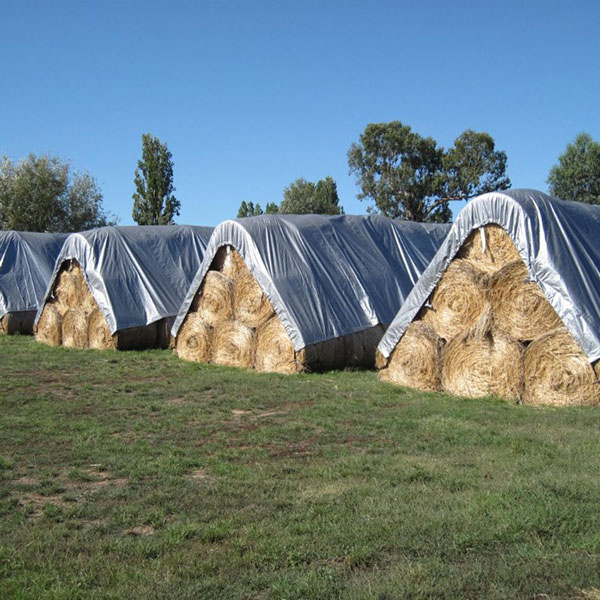
Start by thinking about what you need to cover. Different types of tarpaulin work best for specific jobs. For example, truck tarps protect cargo during transport. Heavy-duty tarps cover construction materials or machinery. Mesh tarpaulins provide shade and airflow for gardens or sports fields. Always match the tarpaulin to the task for the best results.
Tip: Make a list of the main uses of tarpaulins before you buy. This helps you avoid choosing the wrong type.
Weather and Environmental Factors
Check the weather conditions in your area. Some tarpaulins handle rain, sun, or snow better than others. Waterproof tarps keep equipment dry during storms. Breathable tarps prevent mold in humid places. Fire-retardant tarpaulins add safety in areas with open flames or sparks. If you need long-term outdoor protection, look for tarpaulin fabrics that resist UV rays and harsh weather.
| Weather Condition | Best Tarpaulin Type |
|---|---|
| Heavy Rain | Waterproof tarps |
| Hot Sun | UV-resistant tarpaulins |
| Windy Areas | Reinforced tarps |
| Fire Risk | Fire-retardant tarps |
Size and Coverage
Measure the area you want to cover. Tarpaulins come in many sizes, from small sheets to large covers for trucks or buildings. Choose a tarp that is slightly larger than the space you need to protect. This gives you extra coverage and makes it easier to secure the tarp. Remember, oversized tarps can be folded, but a tarp that is too small will not work.
Budget and Longevity
Think about how much you want to spend and how long you need the tarpaulin to last. Light-duty tarps cost less but may wear out quickly. Heavy-duty tarps and specialized tarpaulins cost more but offer better durability. If you need a tarp for a short project, a basic option may be enough. For long-term or repeated use, invest in stronger tarpaulin fabrics.
Choosing the right tarpaulin means looking at your needs, the environment, the size, and your budget. This approach helps you get the best value and protection from your tarps.
Conclusion
Tarpaulins come in various types, each suited for specific uses and conditions. Whether it’s polyethylene, PVC, or canvas, each material offers distinct benefits for tasks like weather protection, equipment coverage, or industrial applications.
Considering factors like weather resistance, durability, size, and budget ensures you select the best tarpaulin for your needs. Understanding the differences between tarp materials helps you make informed decisions for long-lasting protection in outdoor or construction projects.
For the best results, match the tarpaulin to your project. If you have questions, ask an expert for help.